Critical Thinking Grade 1 Science Worksheets
7 filtered results
-
From - To
Explore our engaging Critical Thinking Grade 1 Science Worksheets, designed to enhance young learners' analytical skills while discovering the wonders of the world. These worksheets provide a variety of fun and interactive activities that stimulate curiosity and promote problem-solving abilities in young minds. Each worksheet is tailored to help first graders make observations, ask questions, and draw conclusions in a relatable context. With easy-to-understand instructions and colorful illustrations, our resources make science exciting and accessible. Perfect for classroom use or homeschooling, these worksheets support critical thinking development, ensuring that your child becomes a thoughtful and inquisitive learner!
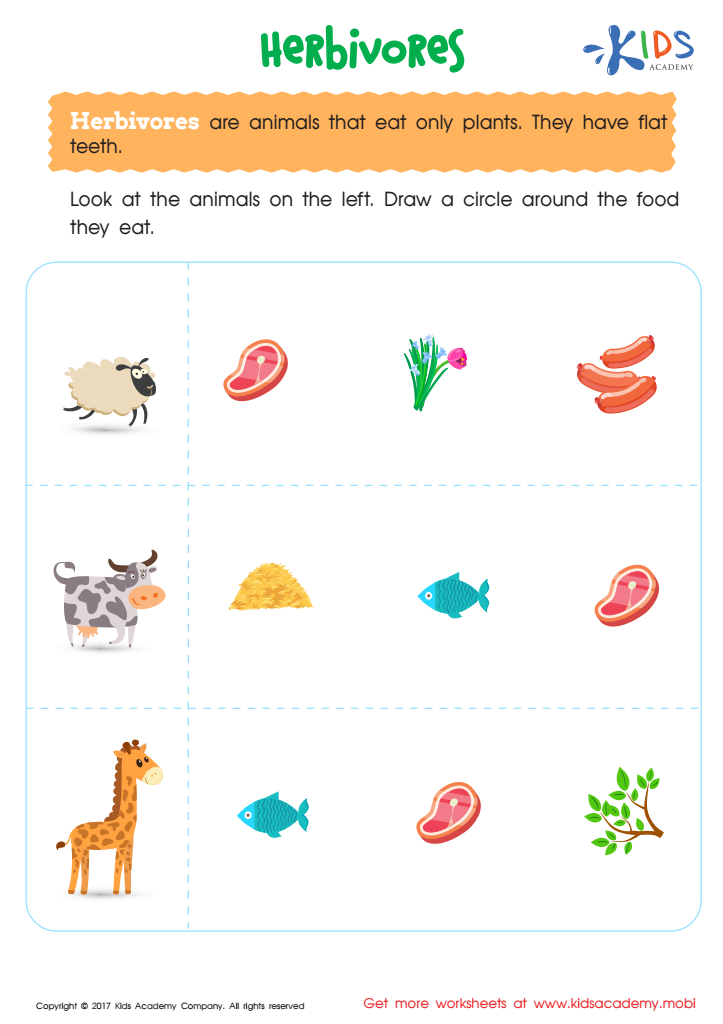
Herbivores Printable
 Assign to My Students
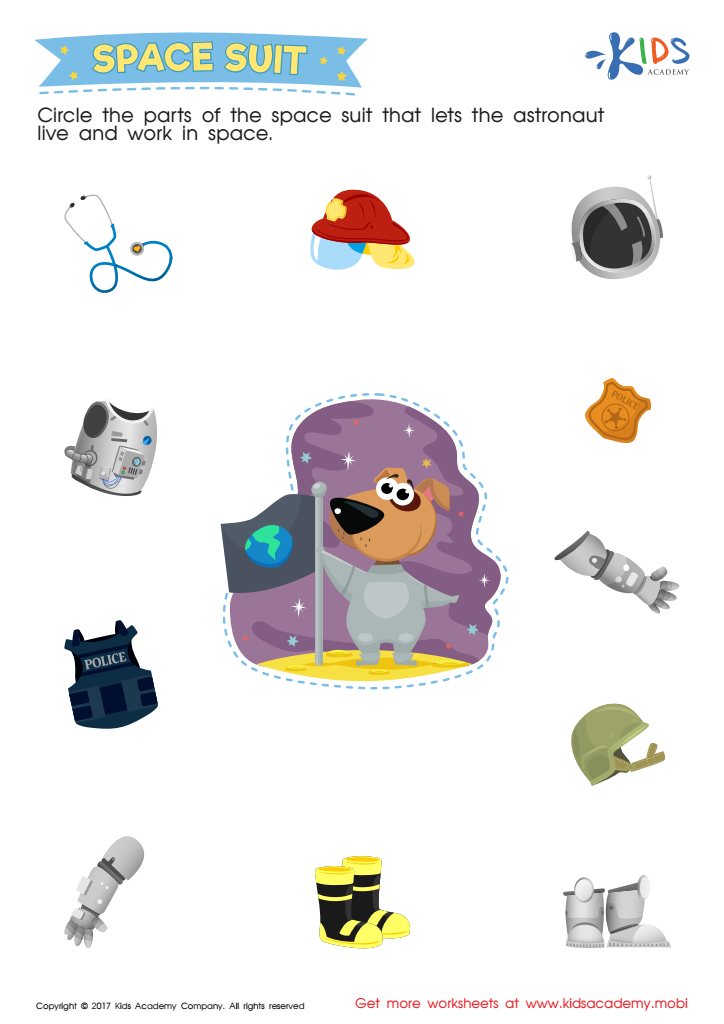
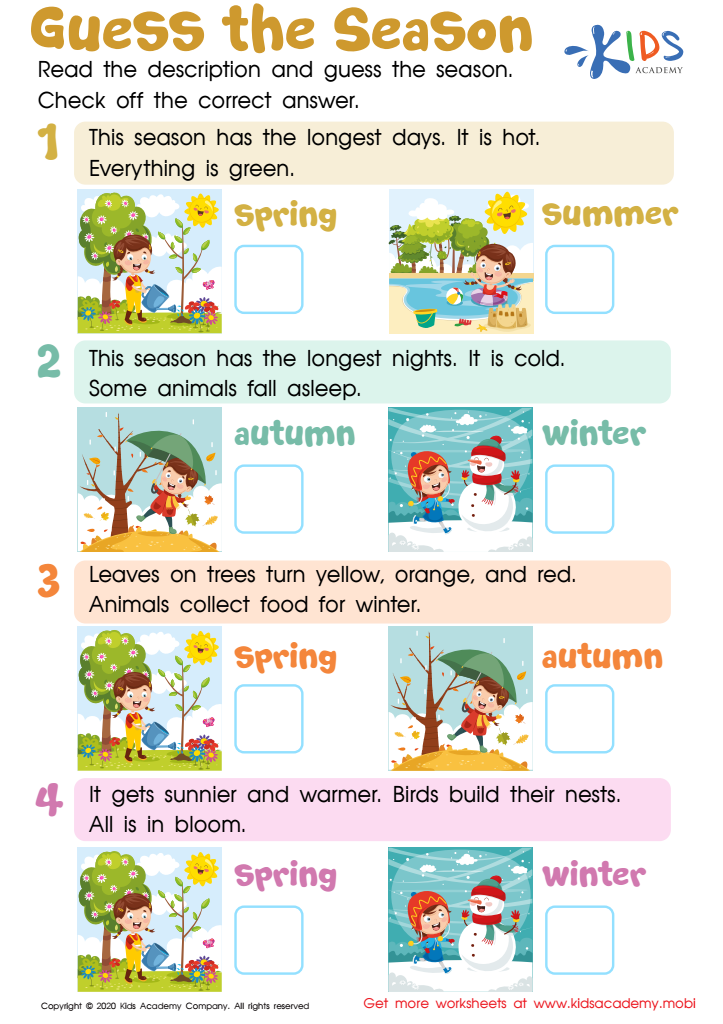
Guess the Season Worksheet
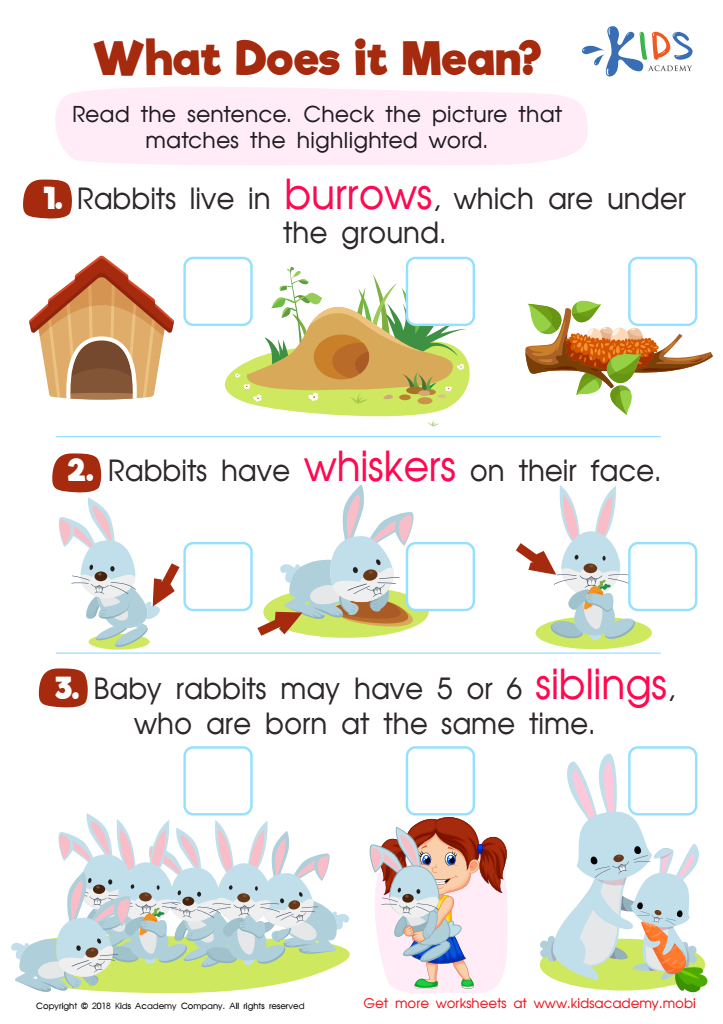
What Does It Mean? Worksheet
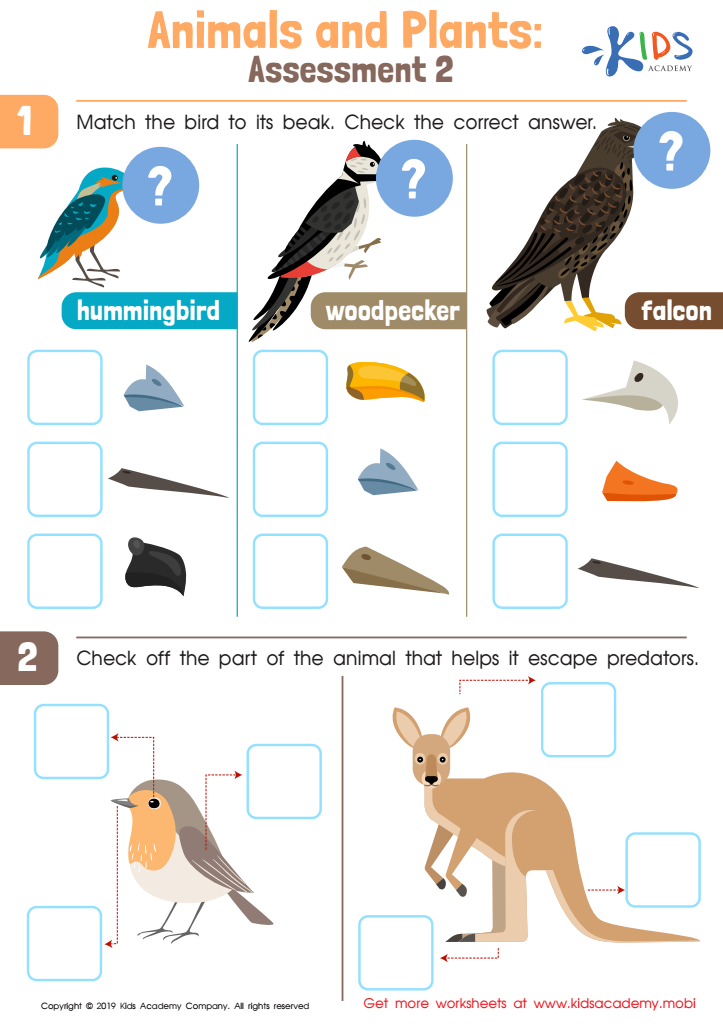
Animals and Plants: Assessment 2 Worksheet
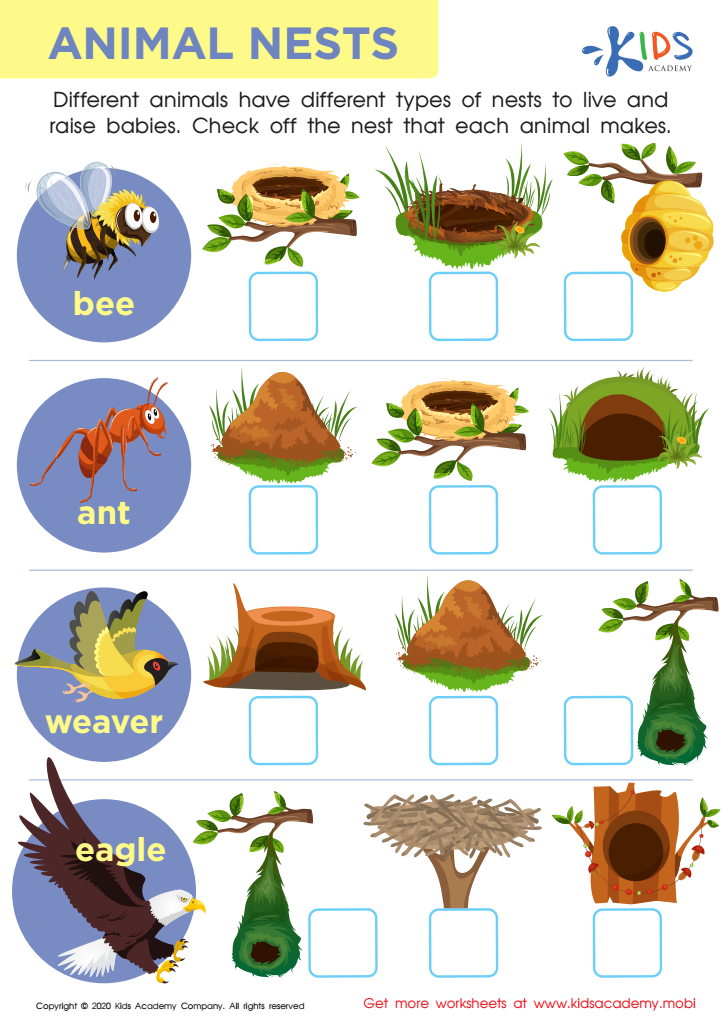
Animal Nests Worksheet
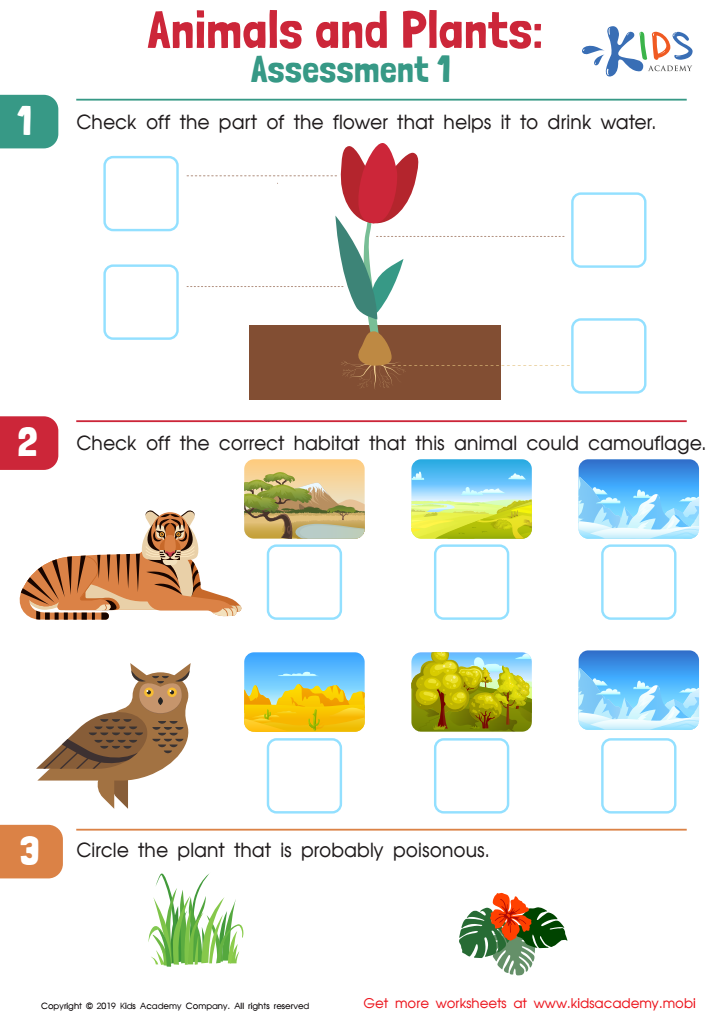
Animals and Plants: Assessment 1 Worksheet



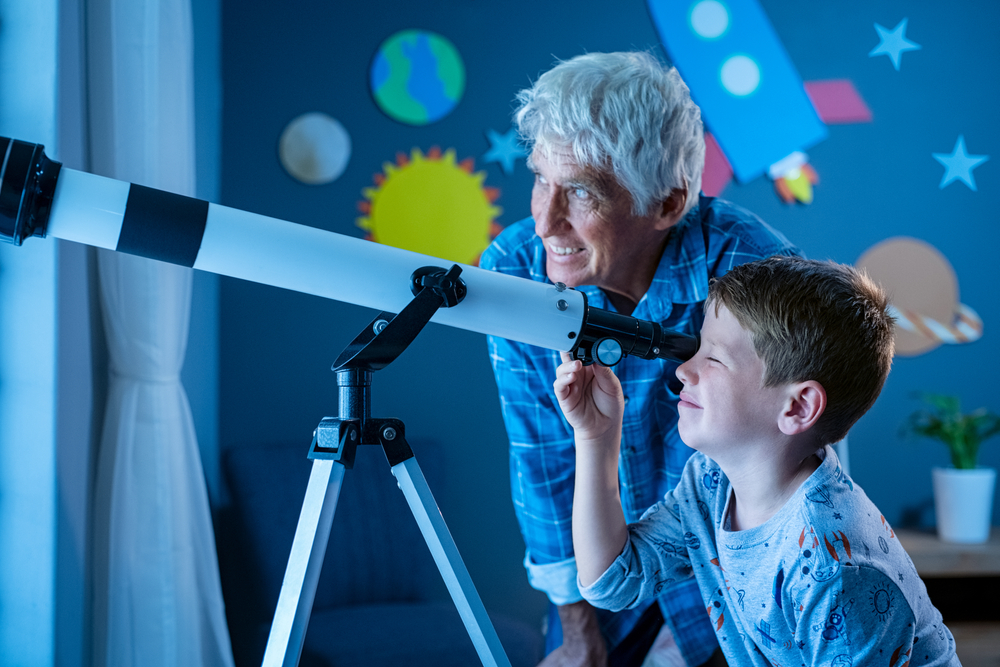



Parents and teachers should care about critical thinking in Grade 1 Science because it lays the foundation for children's cognitive development and their ability to understand the world around them. At this early age, fostering critical thinking skills helps students develop curiosity, analytical ability, and independent reasoning. When children engage with scientific concepts, they learn to ask questions, make observations, and draw conclusions based on evidence. This process not only enhances their understanding of scientific principles but also encourages them to think creatively and problem-solve.
Moreover, critical thinking promotes lifelong learning. When children learn to approach problems systematically, they prepare themselves to tackle more complex issues as they advance in their education. It also empowers them to make informed decisions in their daily lives. For parents and teachers, investing in critical thinking skills helps cultivate a generation of innovative thinkers who are equipped to adapt to an ever-changing world.
Furthermore, encouraging critical thinking during science lessons can spark enthusiasm for exploration and discovery, making learning more engaging. This investment in their early education not only benefits student performance in school but also instills a sense of wonder and respect for the natural world, fostering future scientists and thinkers.







