Sequencing Skills Grade 1 Plants and Animals Worksheets
3 filtered results
-
From - To
Enhance your first grader's understanding of the natural world with our "Sequencing Skills Grade 1 Plants and Animals Worksheets." These engaging worksheets guide young learners through the life cycles and growth processes of various plants and animals. By arranging events in the correct order, students develop critical thinking and comprehension skills while ultimately becoming more observant of nature. Each worksheet is thoughtfully designed to align with educational standards, making it an ideal resource for classroom or home learning. Foster your child's curiosity and scientific knowledge through these fun and interactive sequencing activities today!
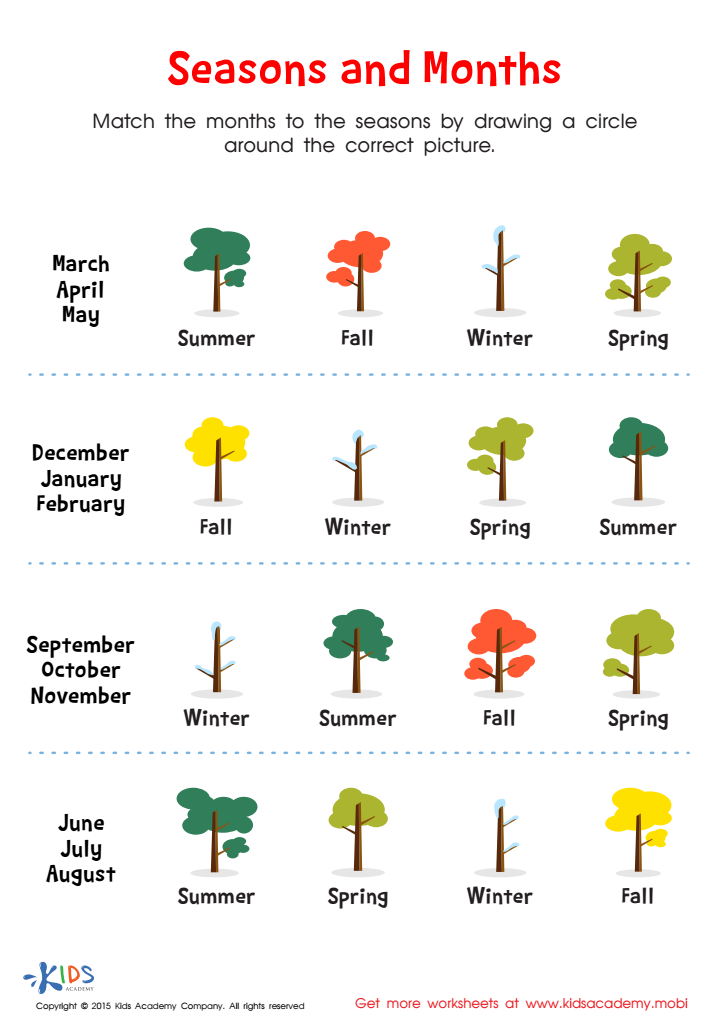
Seasons and Months Worksheet
 Assign to My Students
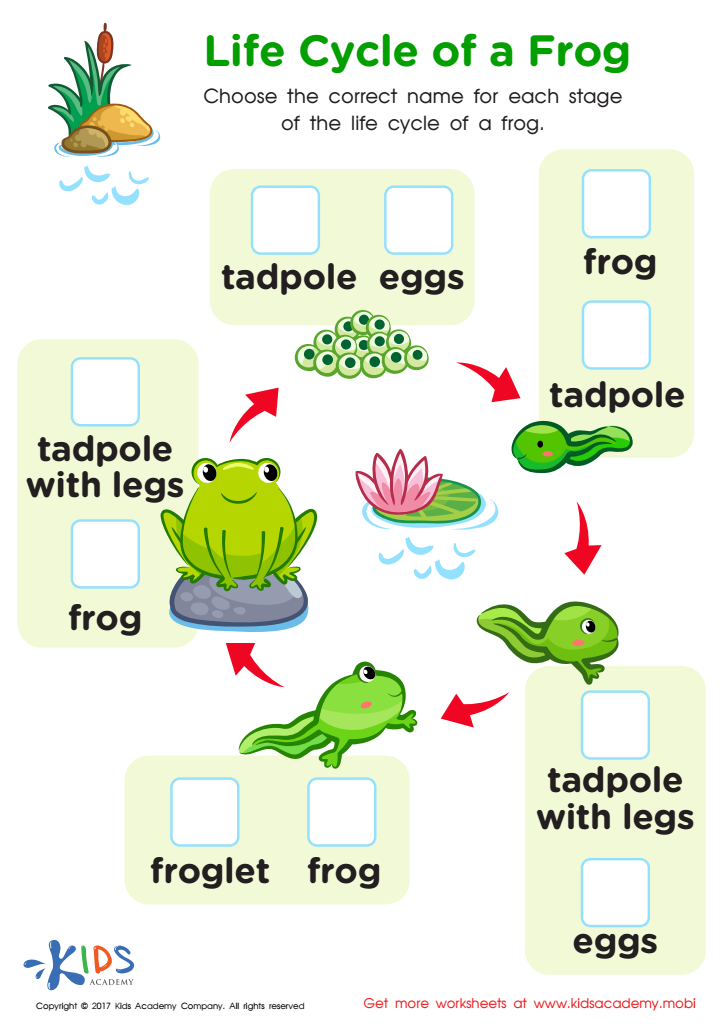
Life Cycle Frog Printable
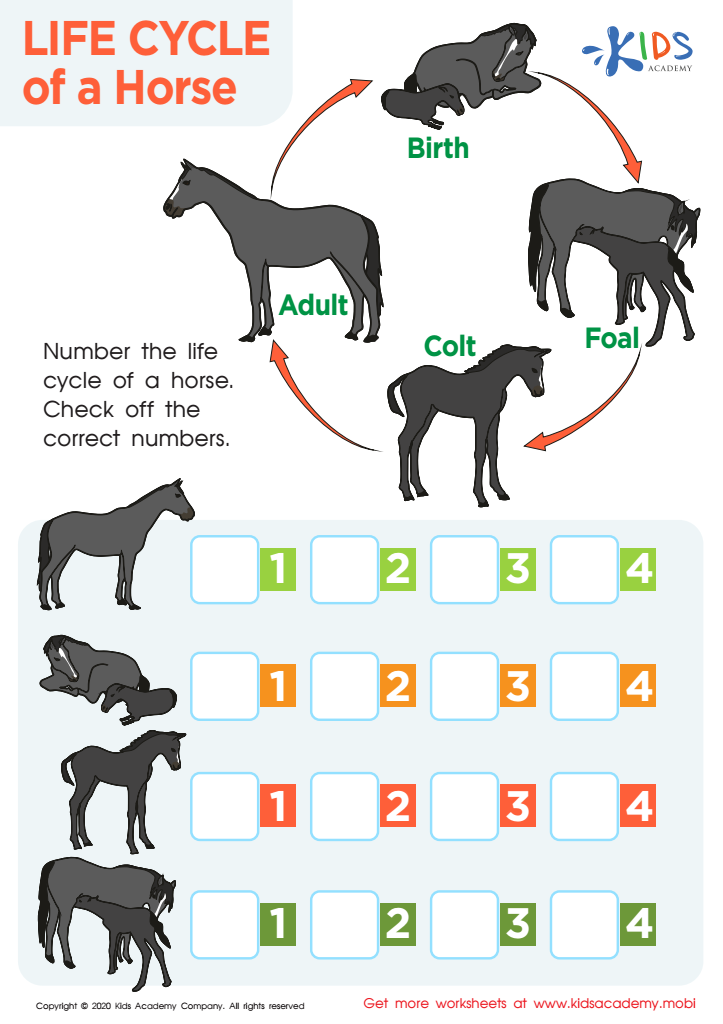
Life Cycle of a Horse Worksheet



Sequencing skills are essential for first-grade students because they form the foundation for critical thinking, reading comprehension, and overall academic success. Focusing on plants and animals provides an engaging context that is both relevant and fascinating to young learners. When parents and teachers emphasize sequencing skills in this context, children learn to organize information logically, understand cause-and-effect relationships, and predict future events based on patterns they've observed.
For example, in learning about the life cycle of a butterfly or the stages of plant growth, students practice putting events in the correct order. This ability to sequence is closely tied to literacy skills. When children can predict and recall the order of events in a story, they are better able to comprehend what they read. Likewise, understanding sequences in nature helps them grasp scientific concepts more readily.
Additionally, developing sequencing skills with familiar and vivid content like plants and animals keeps students engaged and makes learning fun. This engagement fosters a love for learning and curiosity about the world around them, encouraging lifelong learning habits. Therefore, by focusing on sequencing skills through the lens of plants and animals, parents and teachers not only improve children’s academic abilities but also spark an interest in science and literature, providing a well-rounded educational experience.








