Filters

6 filtered results

Clear all filters
Favorites
With answer key
Interactive

6 filtered results

Difficulty Level

Grade


Enhance your Grade 1 students' understanding of the natural world with our engaging Plants and Animals Vocabulary Expansion Worksheets. Designed to capture young learners’ imaginations, these worksheets use colorful illustrations and interactive activities to introduce essential vocabulary related to plants and animals. Students will not only learn new words but will also enhance their comprehension skills as they explore different classifications, life cycles, and habitats. Perfect for in-class or at-home learning, these resources support the development of language skills and foster a love for science. Download our worksheets today and watch your students blossom in their knowledge of the environment around them!

Check out this FREE Grade 1 Trial Lesson on Plants and Animals!

Parent and Offspring Behavior

Favorites
With answer key
Interactive
  • Grade 1
  • Vocabulary expansion
  • Plants and Animals
Big Cats and Their Cubs Worksheet

Big Cats and Their Cubs Worksheet

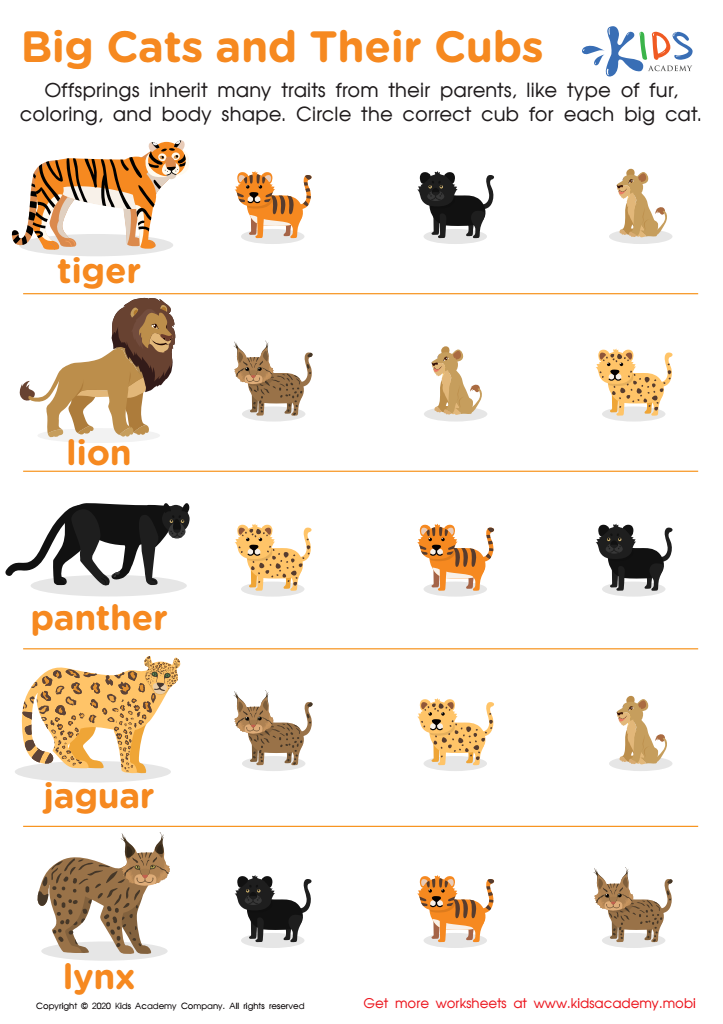
Kids are often like their parents, and the same is true for big cats and their cubs. Introduce your young scientists to genetics with this fun printable worksheet from Kids Academy! Observe the big cats and their cubs, then circle the right cub to complete! It's a great way to teach an early lesson in genetics.
Big Cats and Their Cubs Worksheet
Worksheet
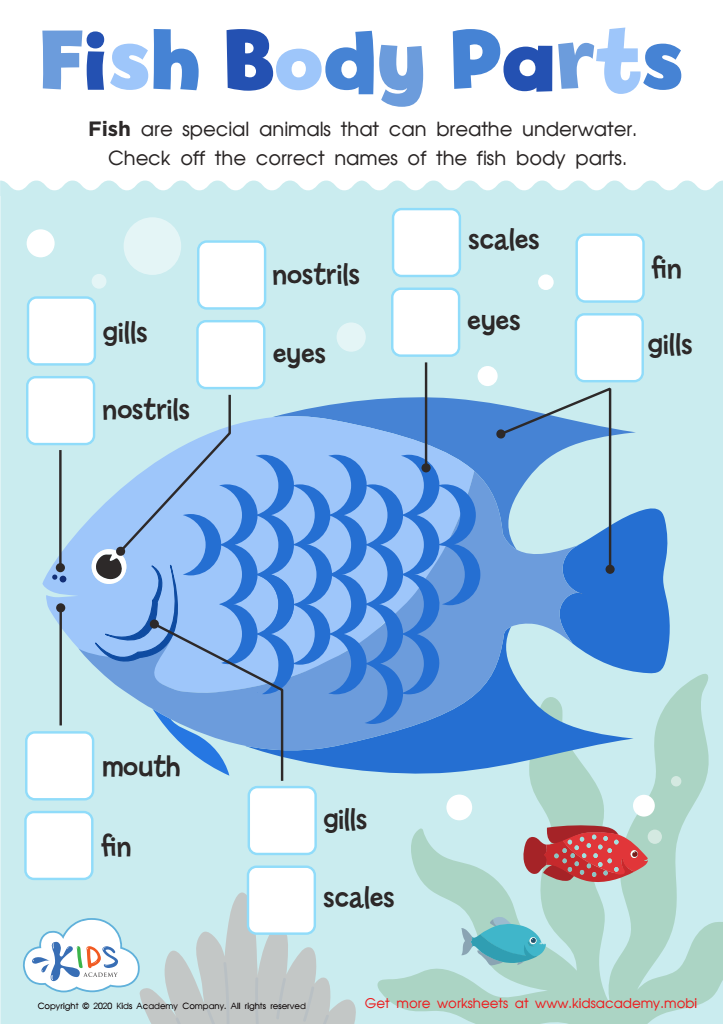
Fish Body Parts Worksheet

Fish Body Parts Worksheet

Fascinate kids with fish: teach them about these amazing creatures with this free Kids Academy printable worksheet. Let little learners study the vibrant blue fish, identify its different body parts, and discover why it can survive underwater. From gills to fins, your child will gain an early appreciation for life science!
Fish Body Parts Worksheet
Worksheet
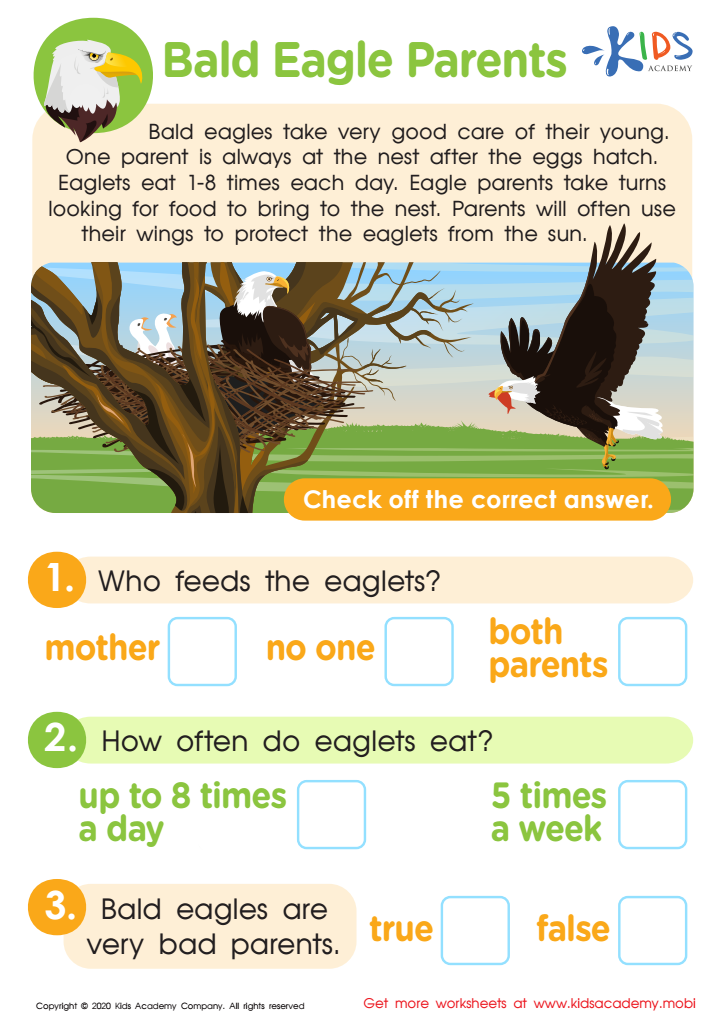
Bald Eagle Parents Worksheet

Bald Eagle Parents Worksheet

Teach your child about bald eagle parenting with this science worksheet! Read the passage and answer the questions to learn how these majestic birds protect their young from predators. Eaglets need protection, and the bald eagle parents are masters of providing it!
Bald Eagle Parents Worksheet
Worksheet
Jungle Plants Worksheet

Jungle Plants Worksheet

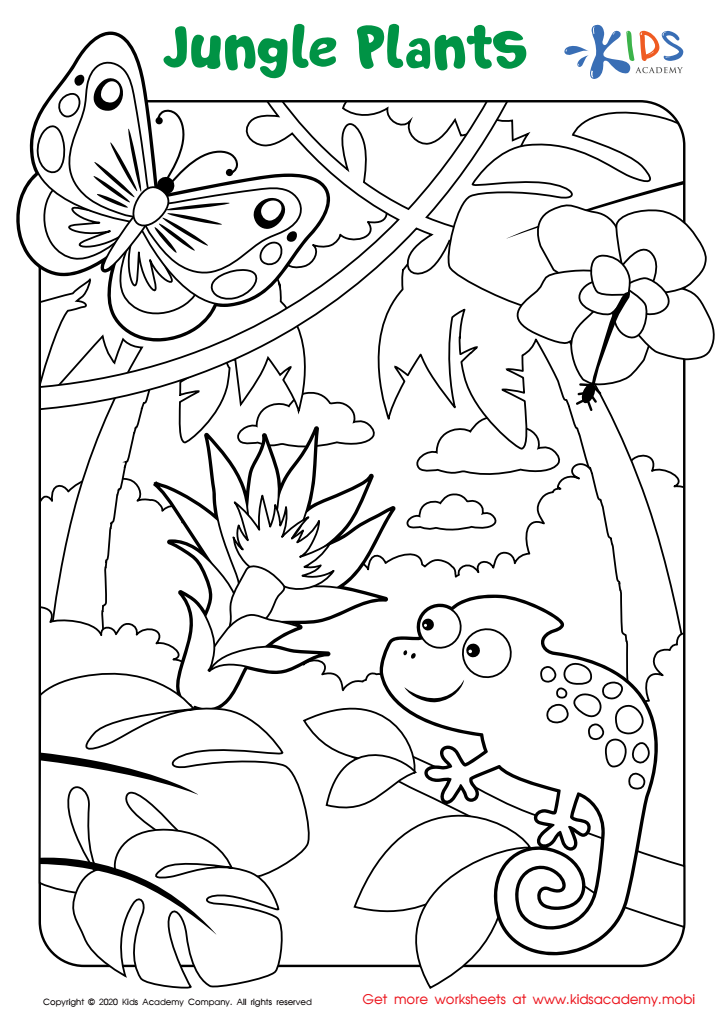
Coloring pages can be fun and educational for kids! Print this adorable jungle worksheet with plants, a butterfly, and a lizard. Ask preschoolers to choose colors to bring the scene to life, while discussing rainforest plants and animals.
Download (PDF)
Assign to My Students
Jungle Plants Worksheet
Worksheet
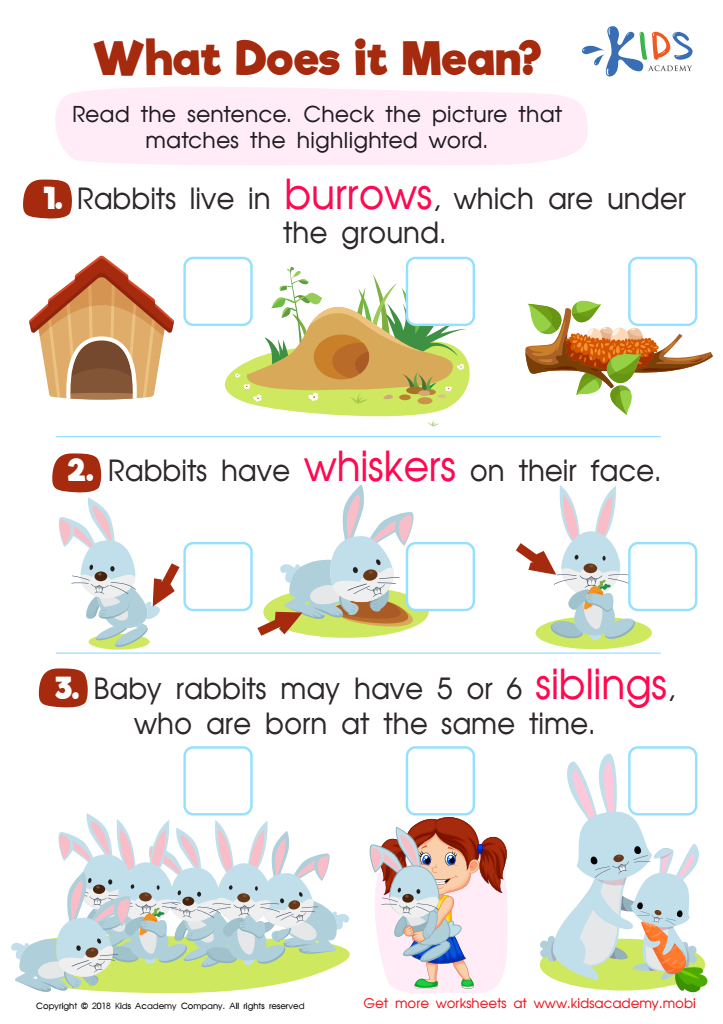
What Does It Mean? Worksheet

What Does It Mean? Worksheet

Teach your child to use context clues with this engaging Kids Academy worksheet. Read the sentences and find the pink-highlighted word. Use the other words in the sentence to figure out the meaning, then check the box next to the picture that represents it.
What Does It Mean? Worksheet
Worksheet
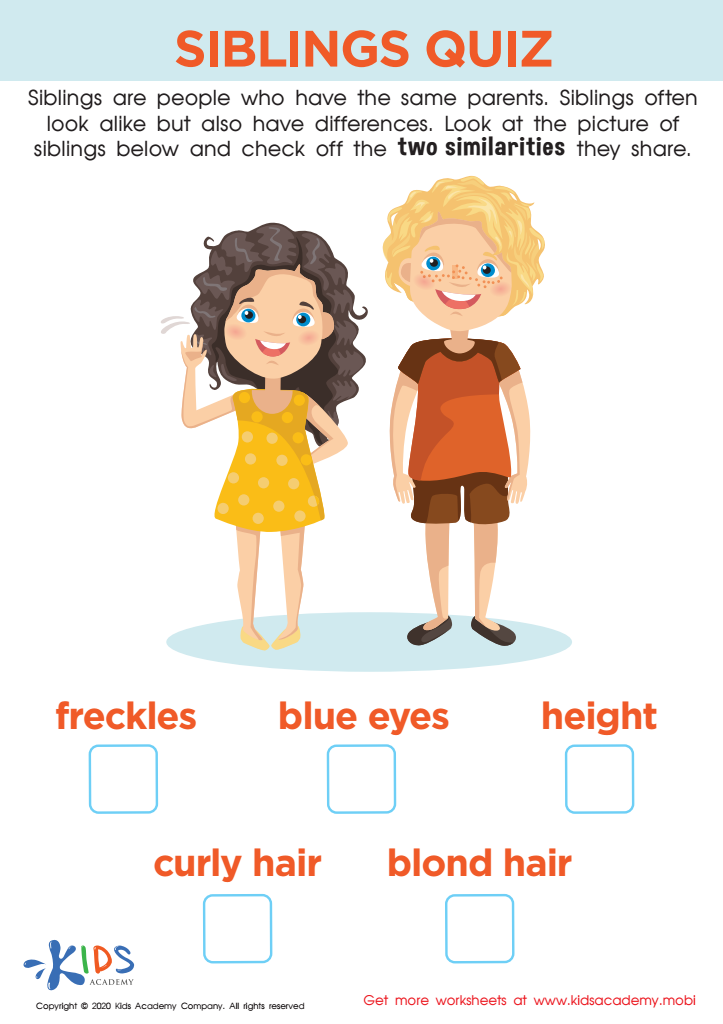
Siblings Quiz Worksheet

Siblings Quiz Worksheet

Your children may know a sibling is a sister or brother, but not realize what it means to be one. Siblings share the same parents, which means they share many genes. They are alike in many ways, but also have their own unique traits. Help your future scientist understand this early biology concept with this fun worksheet. They'll be tasked with finding similarities between two siblings on the page.
Siblings Quiz Worksheet
Worksheet


Vocabulary expansion in grade 1, especially concerning the topics of plants and animals, is essential for several reasons. First, a strong vocabulary equips children with the tools to communicate observations and ideas effectively. When children learn specific terms related to plants and animals, they gain the ability to express complex thoughts about the natural world, fostering confidence in their communication skills.

Moreover, understanding vocabulary aids comprehension across subjects. For instance, a student who knows words like "photosynthesis," "habitat," or "ecosystem" can engage more deeply with science lessons. This comprehension enhances critical thinking and analytical skills, as students learn to make connections between concepts.

In addition, vocabulary development encourages curiosity and engagement with the world around them. Children who can articulate their thoughts about plants and animals are more likely to explore nature, ask questions, and develop a lifelong interest in science. Teachers and parents play a crucial role in this process by creating rich language experiences—whether through storytelling, nature walks, or guided discussions—thereby fostering an enriched learning environment. In turn, this preparation sets a solid foundation for future academic success and a deeper appreciation for biodiversity and the environment.