Alphabet Recognition Extra Challenge Letter Recognition Worksheets for Ages 3-4
4 filtered results
-
From - To
Enhance your child's alphabet learning with our Alphabet Recognition Extra Challenge Letter Recognition Worksheets, designed specifically for ages 3-4. These engaging, age-appropriate worksheets feature fun activities that help young learners identify both uppercase and lowercase letters. Perfect for preschool and kindergarten readiness, each page is crafted to strengthen early literacy skills, fine motor abilities, and letter familiarity through a variety of meticulously designed exercises. Embrace these extra challenges to build your child's alphabet confidence and foundational skills while making learning enjoyable. Start your child’s educational journey today with our expert-crafted alphabet resources.
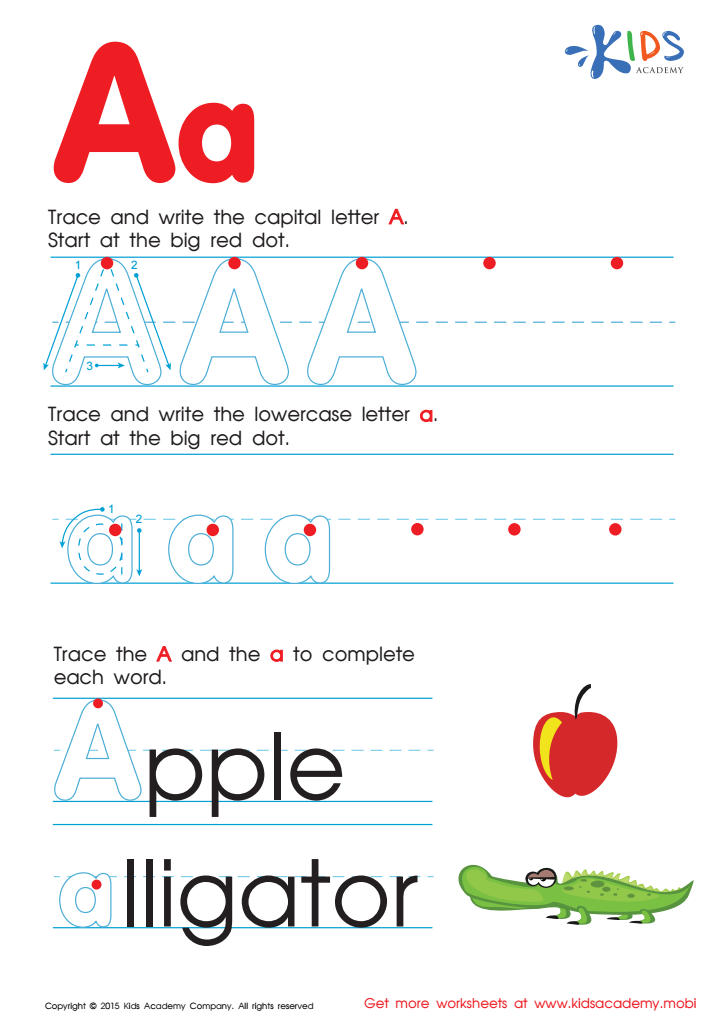
Letter A Tracing Page
 Assign to My Students
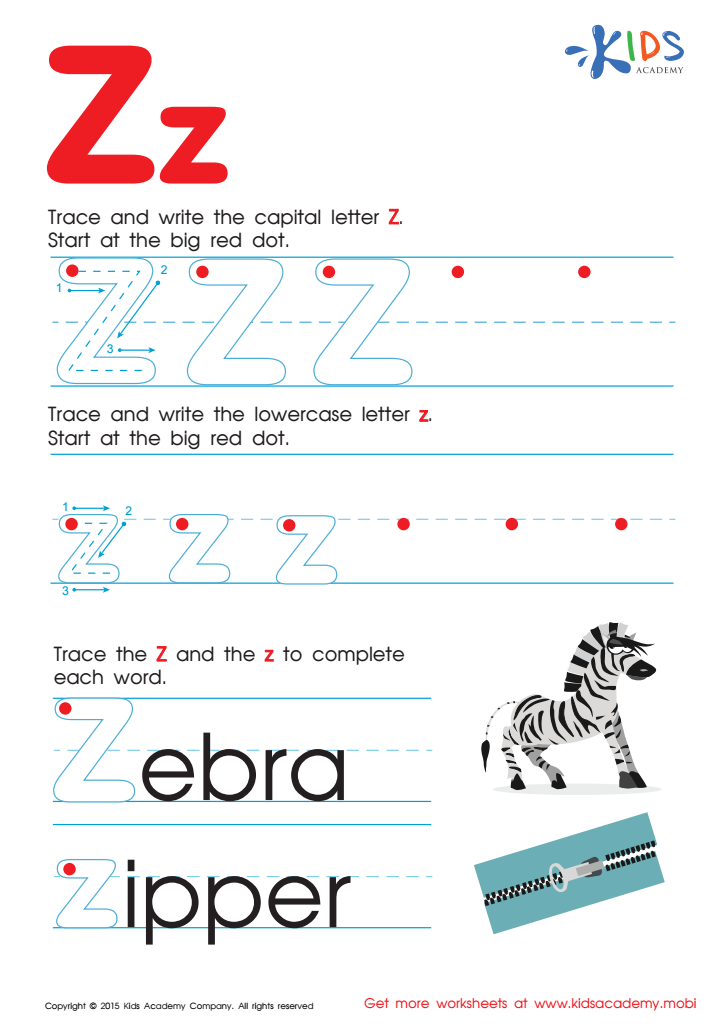
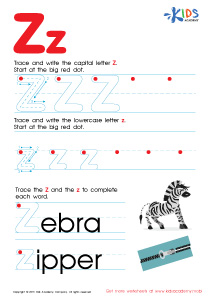
Letter Z Tracing Page
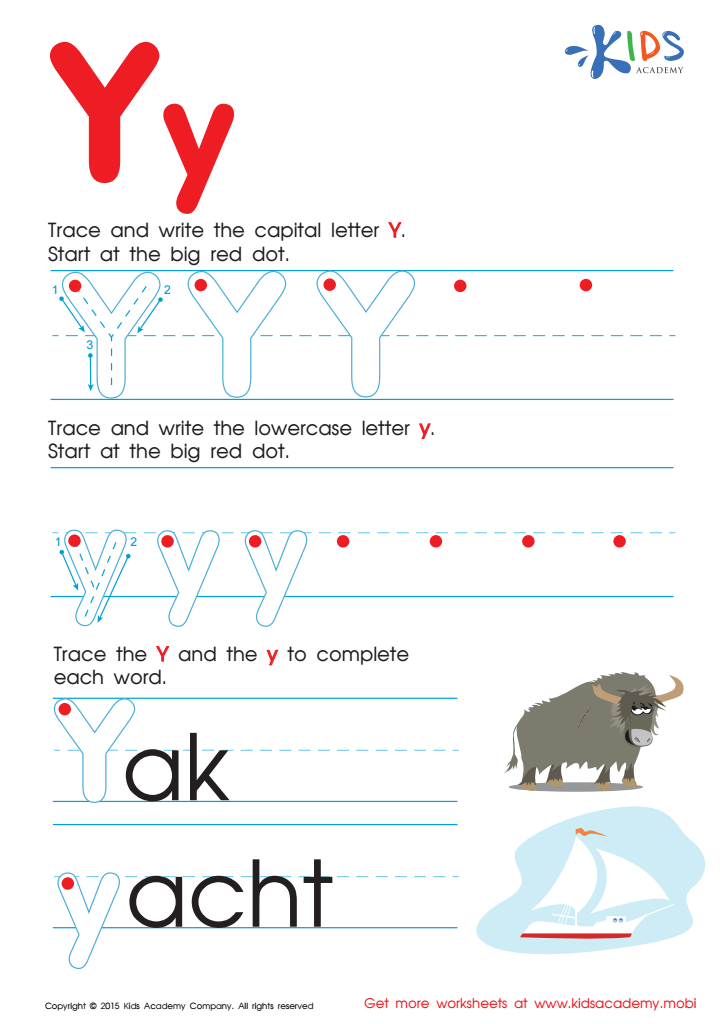
Letter Y Tracing Page
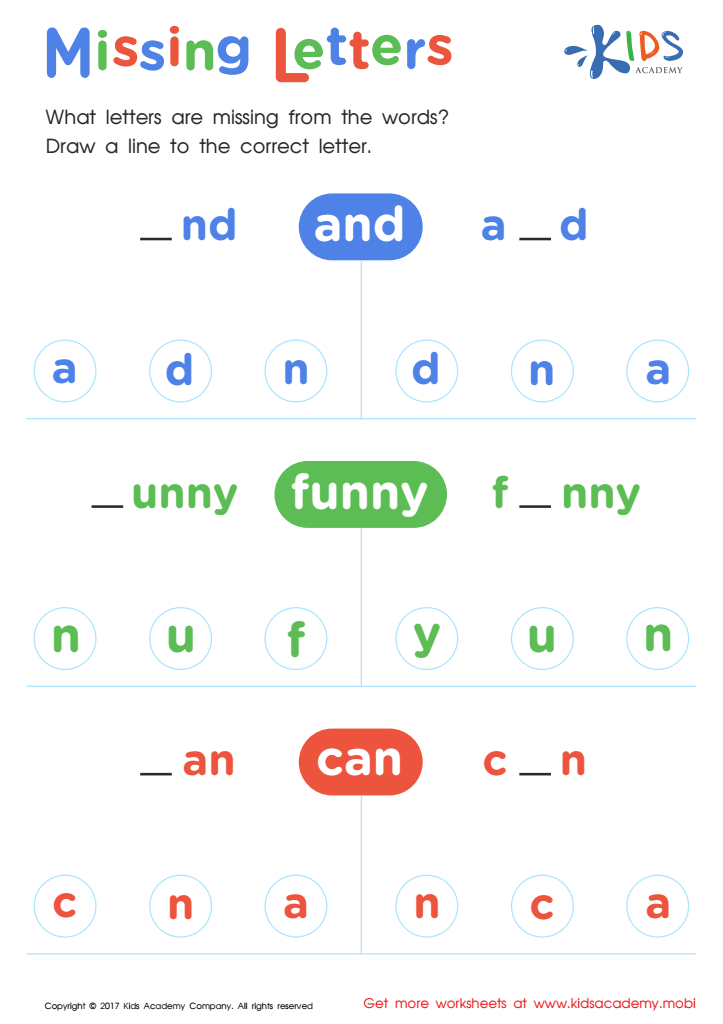
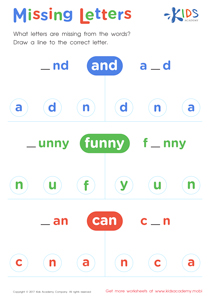
Missing Letters Worksheet








Alphabet Recognition Extra Challenge for ages 3-4 is crucial for early literacy development, and parents and teachers should prioritize it. During these formative years, children's brains are incredibly receptive to learning. Recognizing letters is the first step towards reading proficiency. Early mastery of the alphabet aids in phonological awareness—understanding that letters and sounds correlate. This skill forms a foundation for reading and writing.
When children engage in alphabet challenges, they improve their visual memory and attention to detail. They learn to differentiate between similar shapes (like ‘b’ and ‘d’) which is a critical skill that translates into better reading accuracy.
Moreover, interactive activities around alphabet recognition, such as games, puzzles, and songs, make learning engaging and enjoyable. This keeps children motivated and instills a love for reading early on, leading to a lifelong habit.
By mastering alphabet recognition at a young age, children enter kindergarten better prepared. Teachers will find it easier to introduce more complex literacy concepts, and students will feel confident and enthusiastic about their abilities. Investing time in these extra challenges results in children who are not just prepared for school, but also set on a path toward academic success.