Reading comprehension Extra Challenge Long Vowels Worksheets for Ages 3-4
3 filtered results
-
From - To
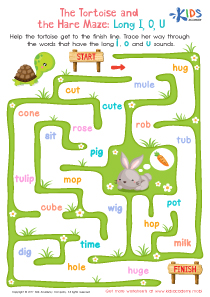
Boost your child's reading skills with our 'Reading Comprehension Extra Challenge Long Vowels Worksheets for Ages 3-4'. Designed to engage young learners, these fun and interactive worksheets focus on enhancing understanding of long vowels while improving reading comprehension. Perfect for early learners, these activities help kids recognize vowel sounds, expand vocabulary, and develop crucial literacy skills. Tailored for children aged 3-4, our worksheets provide a variety of exercises to make learning enjoyable and effective. Give your child a head start in reading with these expertly crafted educational resources. Download now and start your learning adventure today!
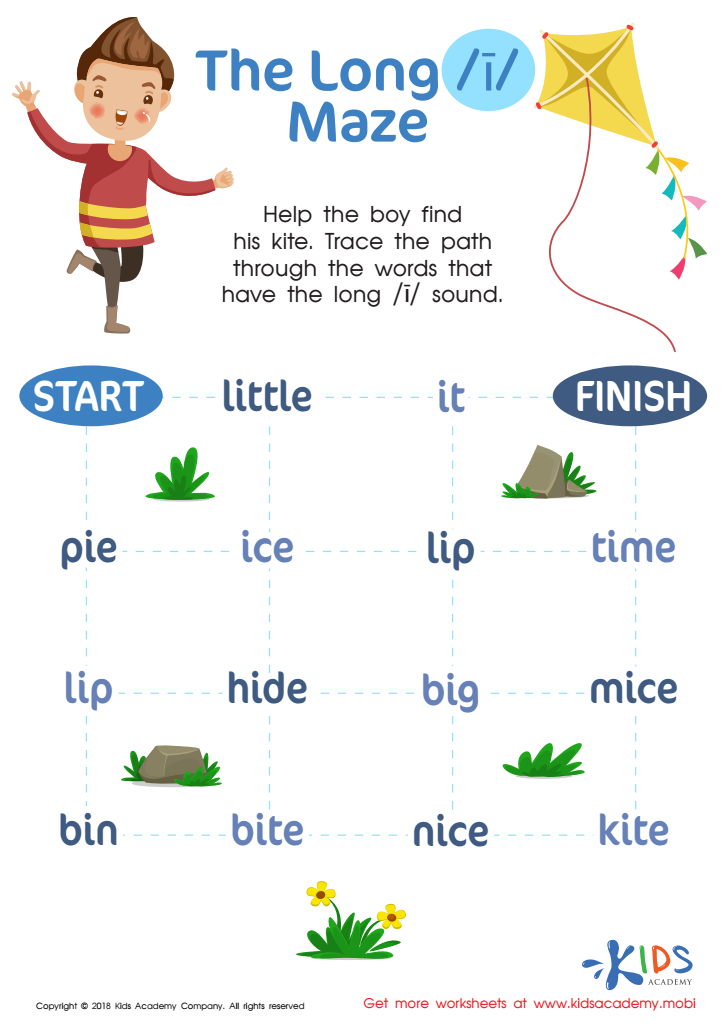
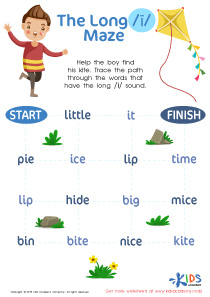
The Long I Maze Reading Worksheet
 Assign to My Students
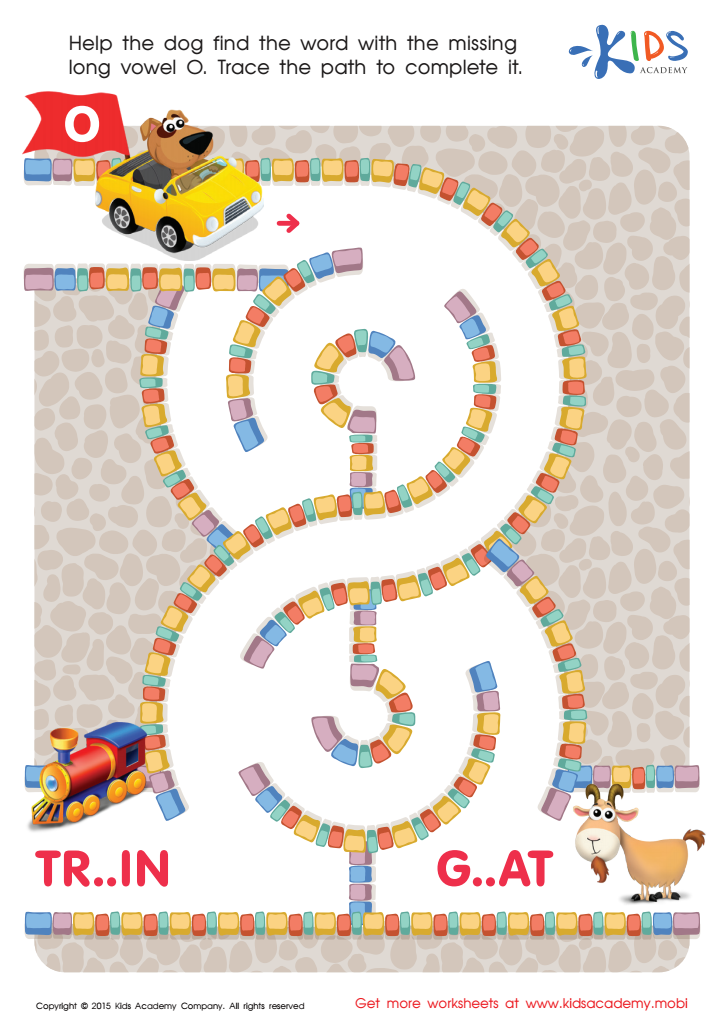
Long Vowel Sound O Worksheet
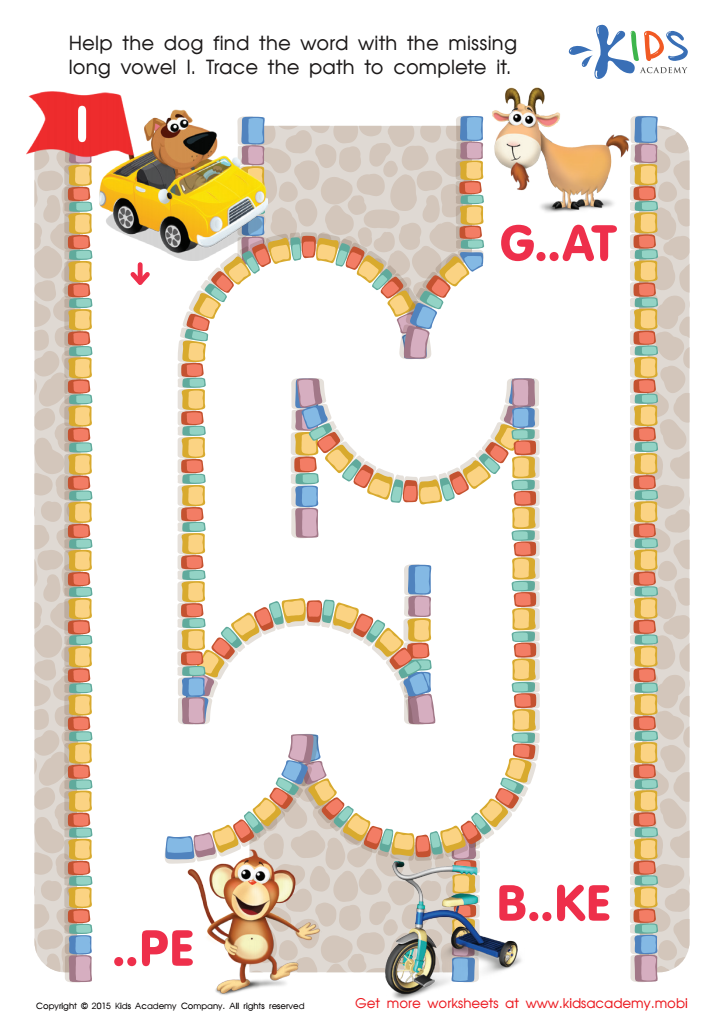
Long Vowel Sound I Worksheet



Fostering reading comprehension in children aged 3-4 through activities focusing on long vowels is crucial for their early literacy development. At this formative age, children are rapidly developing foundational language skills that serve as the building blocks for future learning. These reading comprehension exercises do not only introduce the importance of phonics—specifically distinguishing between long and short vowel sounds—but also enhance vocabulary, listening skills, and overall cognitive abilities.
Focusing on long vowels can lead to a stronger grasp of word structures and pronunciation, making it easier for children to decipher words when they start reading independently. The ability to recognize and understand long vowel sounds enables children to decode new words accurately, facilitating smoother and more confident reading experiences. This further enriches their comprehension skills, equipping them with the tools to understand and engage with texts on a meaningful level.
Moreover, early exposure to reading comprehension tasks instills a positive attitude towards reading, which is essential for lifelong learning. Parents and teachers play a pivotal role in this initial learning phase, and prioritizing such educational challenges ensures children gain the necessary skills to excel academically and develop a love for reading. Encouragingly, the benefits of these early interventions extend beyond literacy, supporting overall academic performance and cognitive development.