Letter recognition Extra Challenge Tracing Letters Worksheets for Ages 3-4
7 filtered results
-
From - To
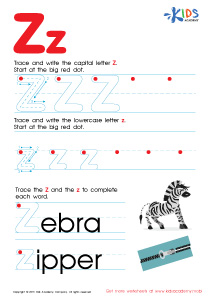
Enhance your child's letter recognition skills with our "Letter Recognition Extra Challenge Tracing Letters Worksheets" designed specifically for ages 3-4. These engaging worksheets encourage young learners to practice tracing individual letters, boosting their fine motor skills and handwriting abilities. Each worksheet features colorful designs that captivate children's attention, making the learning process enjoyable. As they trace and recognize letters, children build a strong foundation for reading and writing. Ideal for homeschoolers or classroom settings, these extra challenge worksheets will stimulate your child's love for letters and set them on the path to literacy success! Access now for a fun learning experience!
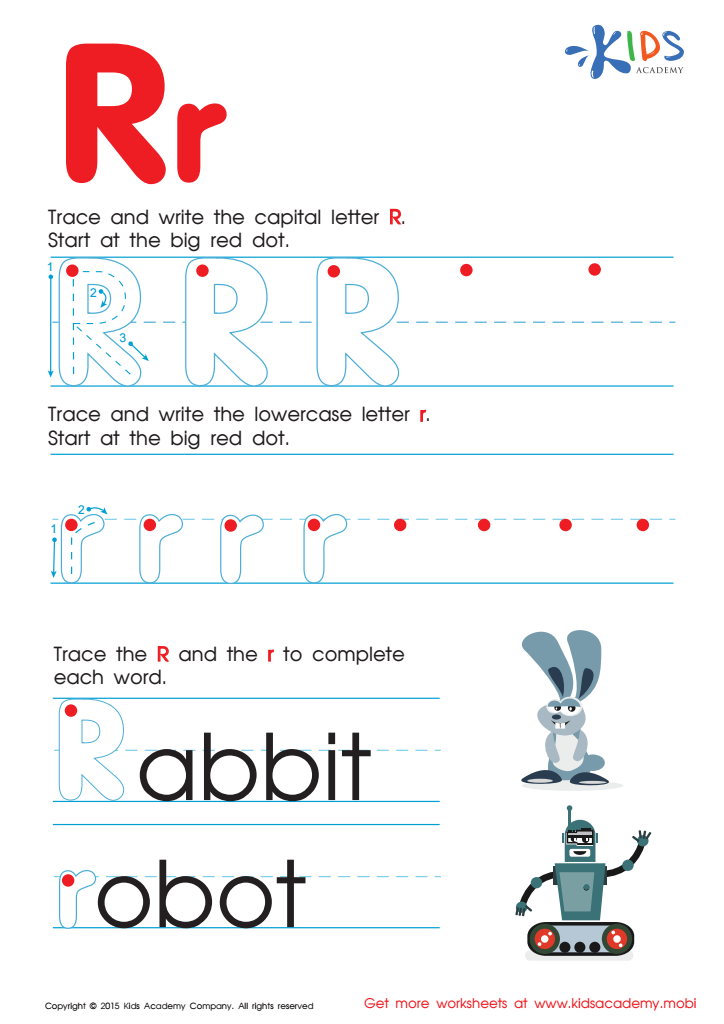
Letter R Tracing Page
 Assign to My Students
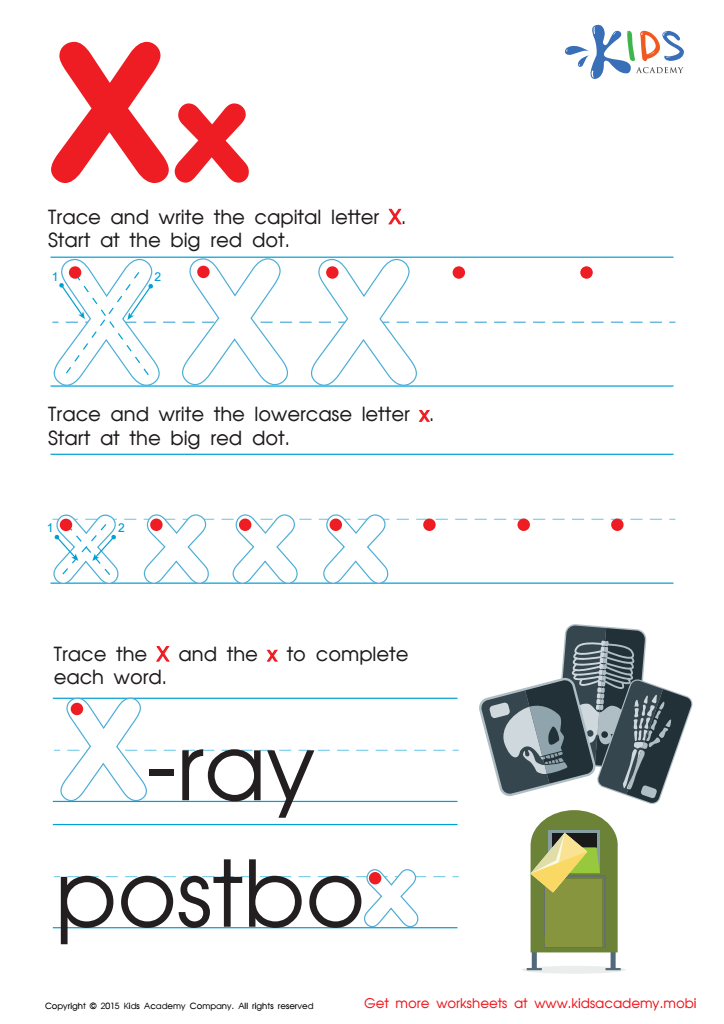
Letter X Tracing Page
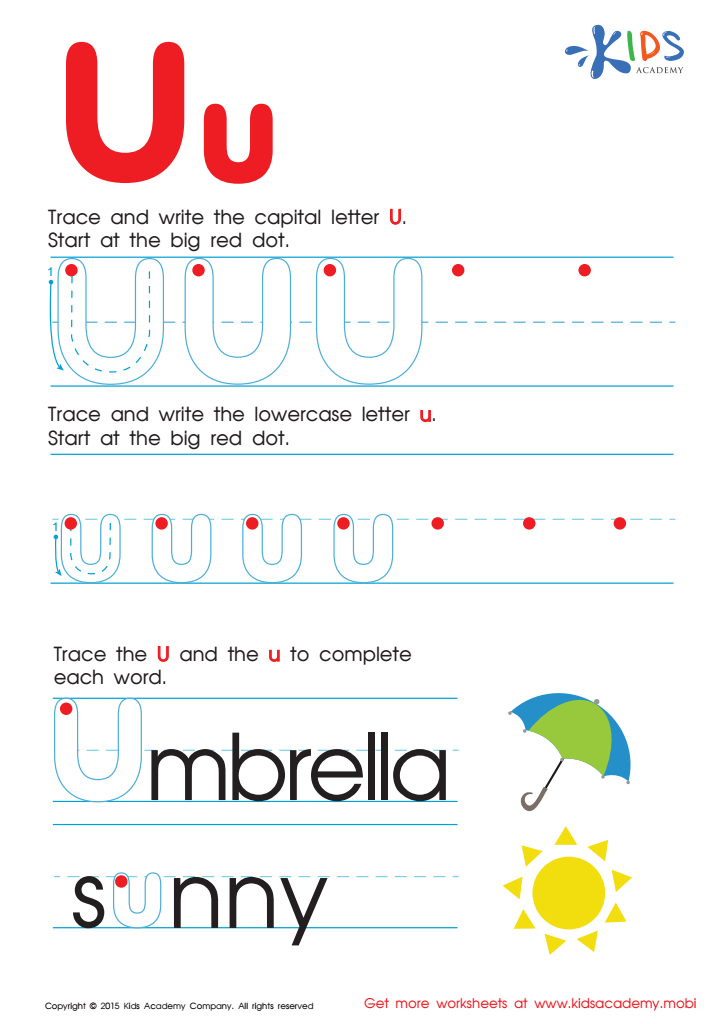
Letter U Tracing Page
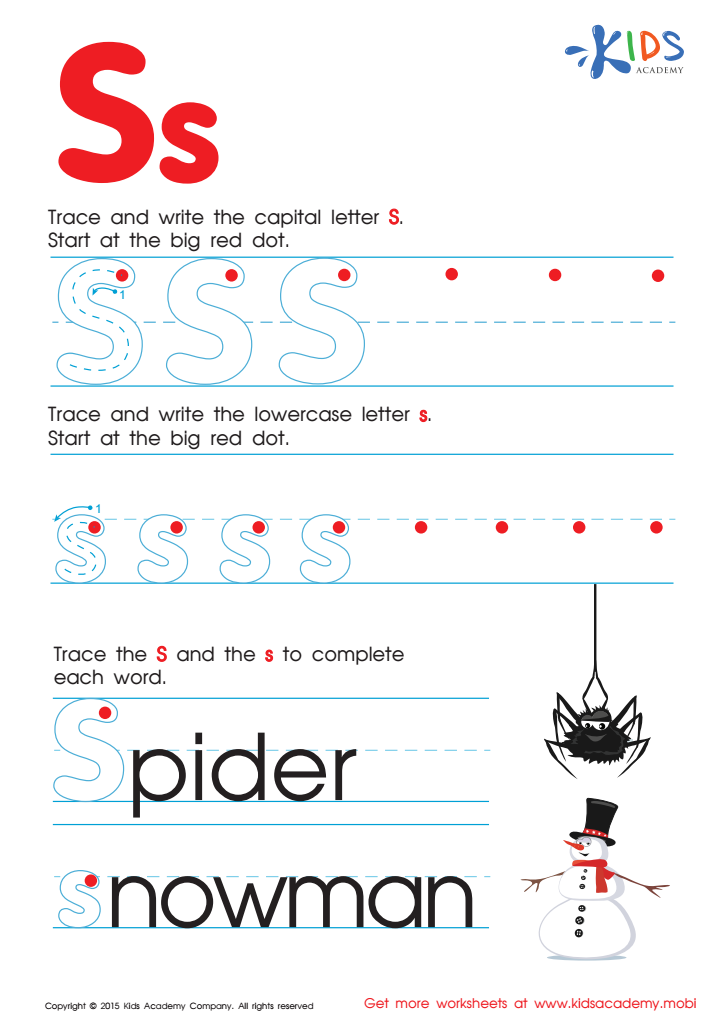
Letter S Tracing Page
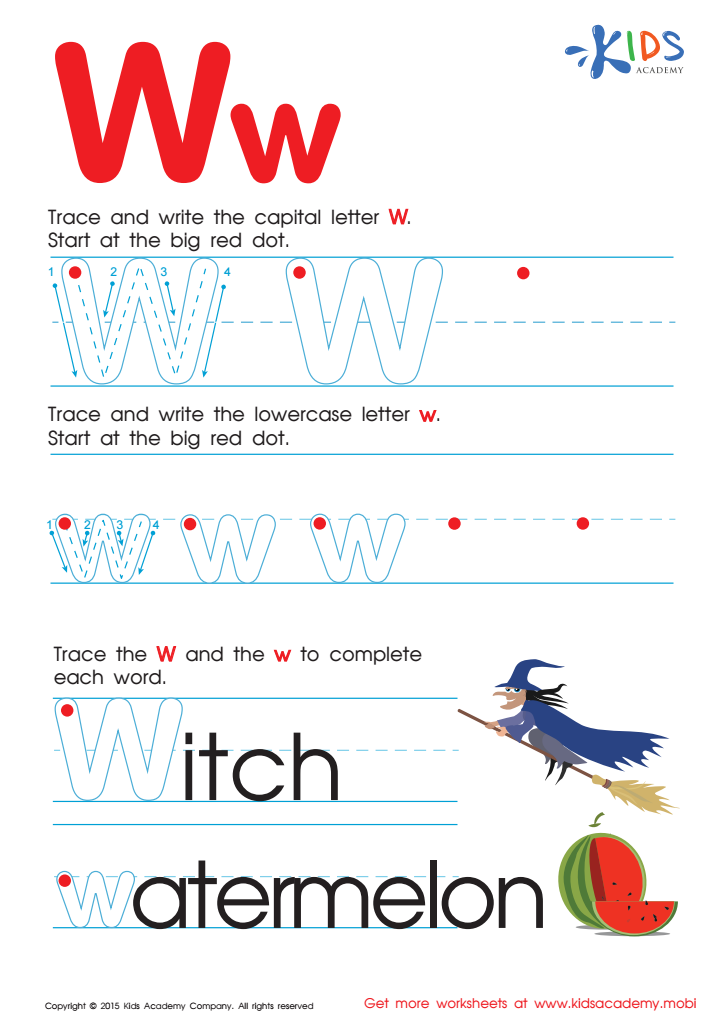
Letter W Tracing Page
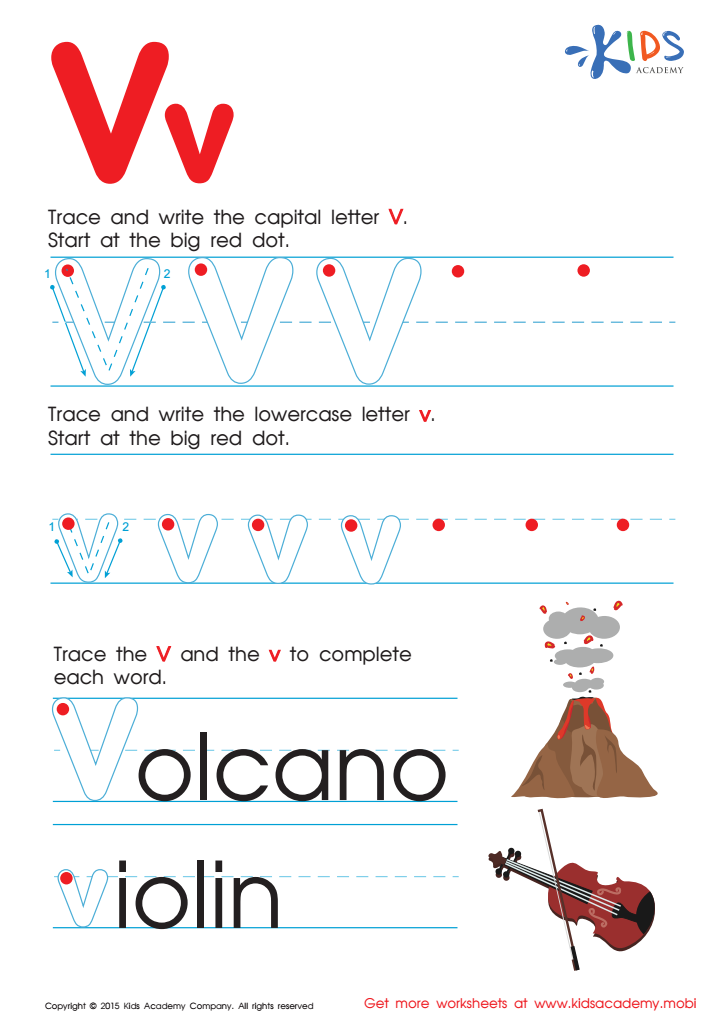
Letter V Tracing Page
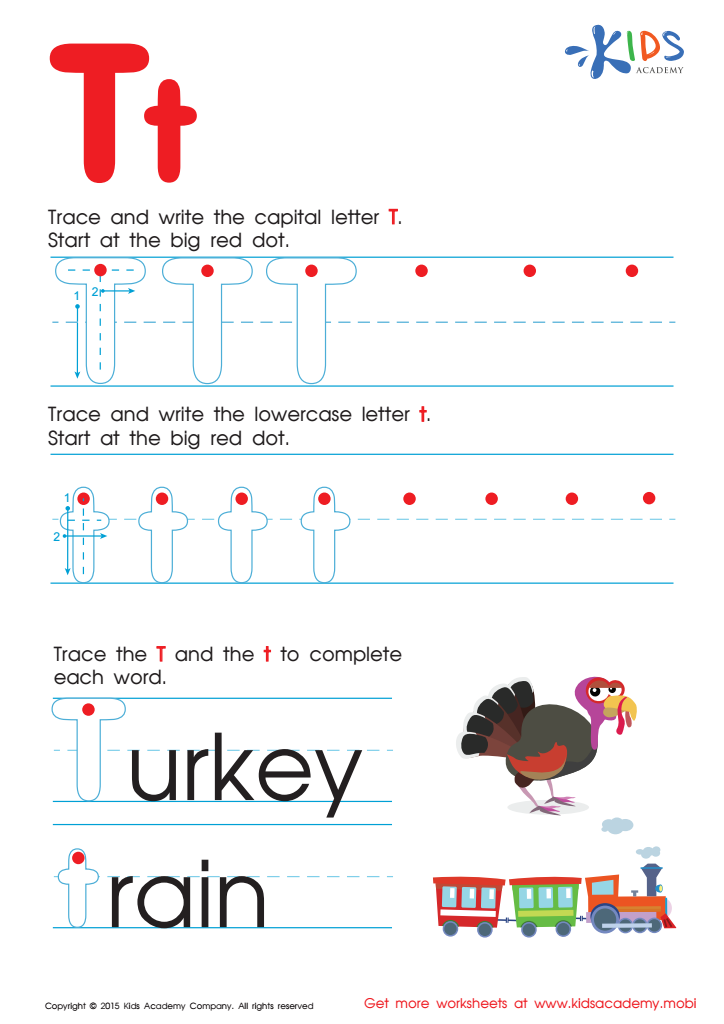
Letter T Tracing Page








Letter recognition is a foundational skill for early literacy, crucial for children's reading and writing development. For parents and teachers of children aged 3-4, engaging in letter recognition activities like tracing letters serves multiple important purposes.
Firstly, it builds familiarity with the alphabet, aiding children's ability to recognize letters visually and phonetically. By actively tracing letters, children enhance their motor skills, as the activity combines visual perception with fine motor control. This fundamental dexterity is crucial for future writing tasks, as children learn to hold a pencil correctly and develop muscular coordination.
Moreover, tracing letters can be a fun, interactive way to learn. Utilizing engaging materials and methods creates an enjoyable learning environment, fostering a love for education early on.
These activities also promote cognitive development, encouraging children to grasp that letters represent sounds, the foundation of phonics. This understanding allows children to decode words later in their reading journey.
Lastly, parents and teachers play a vital role by providing encouragement and positive reinforcement during these activities, enhancing children's confidence and enthusiasm for learning. Investing time in letter recognition and tracing at this young age lays a strong groundwork for future academic success.