Basic counting skills Extra Challenge Worksheets for Ages 3-4
3 filtered results
-
From - To
Unlock your child's potential with our "Basic Counting Skills Extra Challenge Worksheets" designed specifically for ages 3-4! These engaging worksheets are crafted to enhance early math skills through fun and interactive activities. From counting objects to understanding numbers, each worksheet provides a playful approach that keeps young minds curious and motivated. Perfect for parents and educators, these challenges help build foundational counting skills while encouraging independence and confidence in learning. Easy to print and incorporate into your teaching routine, these resources are an excellent way to prepare your little ones for future math success. Download now and start counting!
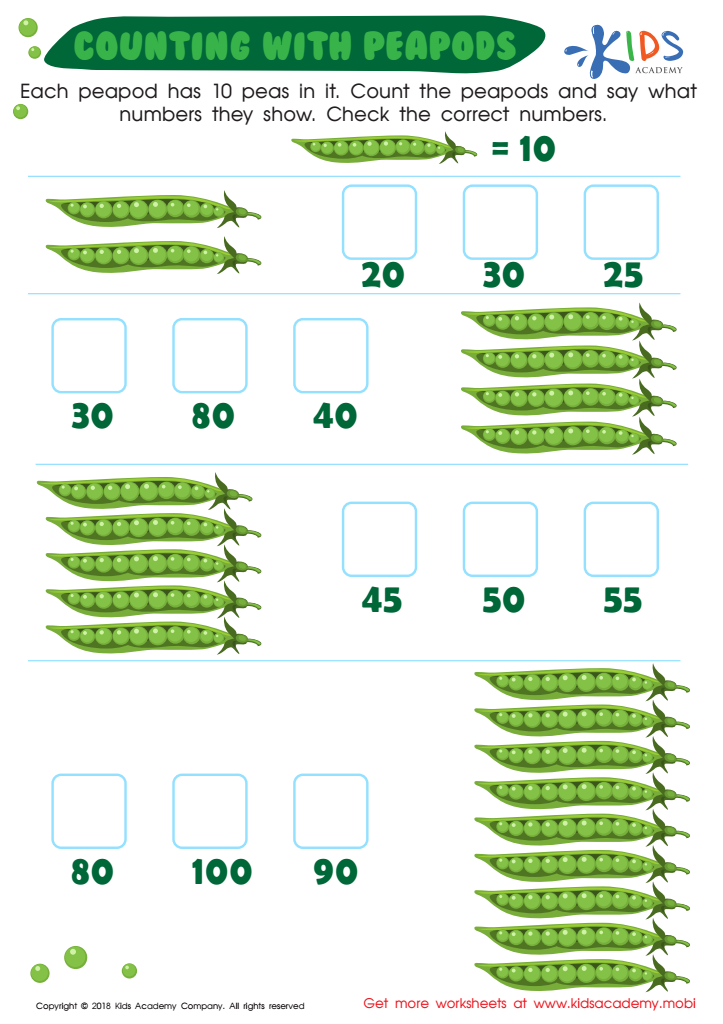
Number Worksheet: Counting With Peapods
 Assign to My Students
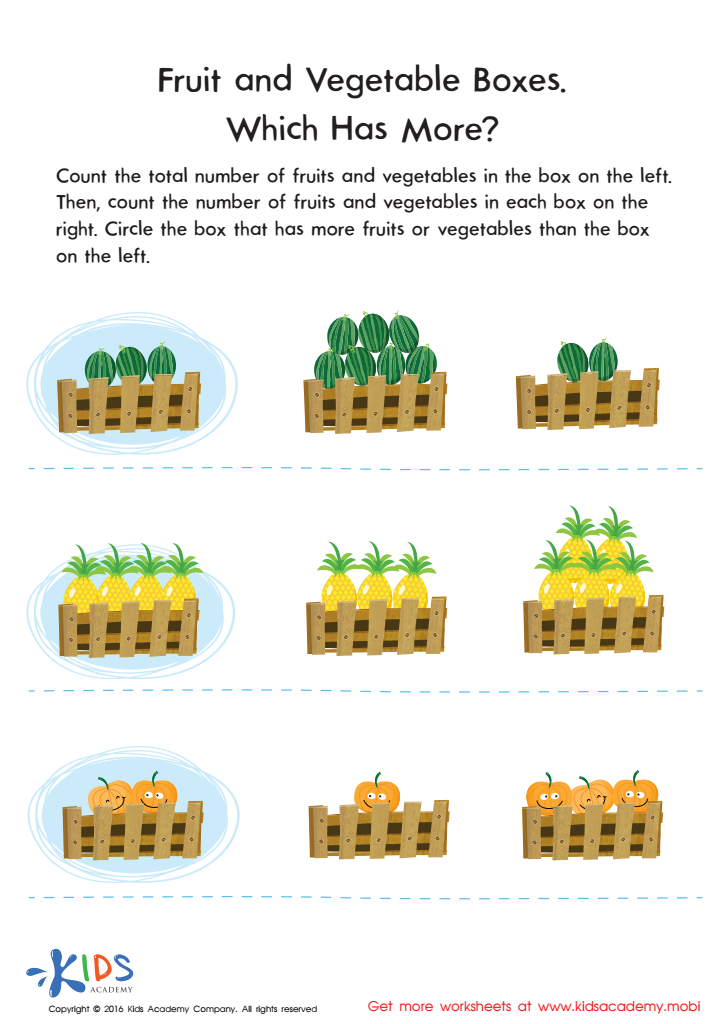
Which Has More? Size Worksheet
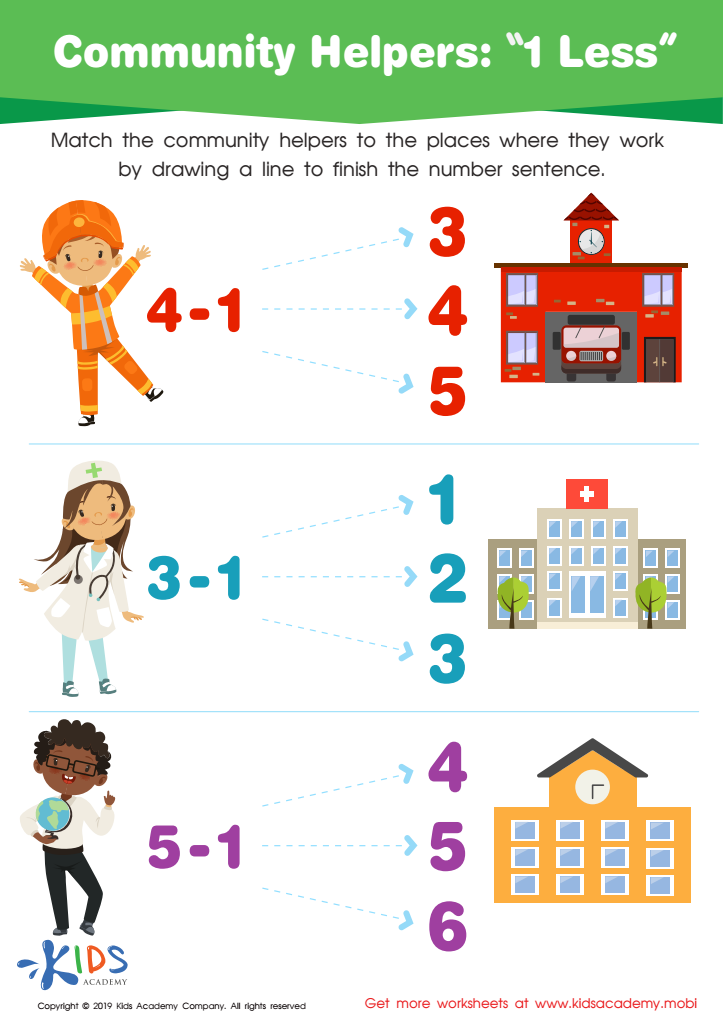
Community Helpers: 1 less Worksheet







Basic counting skills are fundamental for young children's cognitive development, laying the groundwork for future mathematical understanding. For children aged 3-4, mastering counting boosts their ability to recognize numbers, understand quantity, and develop problem-solving skills. These skills are not only essential for math but also play a role in everyday activities, from sharing toys to organizing playtime.
Parents and teachers should prioritize counting skills because they empower children to engage with their environment meaningfully. Acknowledging numbers in their surroundings, such as counting apples in a bowl or the number of blocks in a tower, helps children develop a sense of order and classification. Furthermore, mastery of counting enhances literacy skills, as children learn to recognize patterns and sequences, which are integral to language development.
Incorporating counting activities, like songs, games, and stories, into daily routines fosters a playful learning atmosphere and keeps children motivated. It reinforces the connection between learning and fun, important for this age group. Moreover, encouraging counting at home or in the classroom promotes a strong partnership between parents and teachers, ensuring consistent support and reinforcement of counting skills, which is crucial at this formative stage. Thus, cultivating counting skills is a vital investment in children's overall development.








