Math fluency Extra Challenge Worksheets for Ages 3-4
3 filtered results
-
From - To
Boost your child's mathematical skills with our Math Fluency Extra Challenge Worksheets designed specifically for ages 3-4. These engaging worksheets help young learners develop essential math skills through fun, challenging activities. Each worksheet focuses on foundational concepts, including number recognition, counting, basic addition, and subtraction, ensuring a solid mathematical foundation. Perfect for both classroom and at-home learning, these worksheets are expertly crafted to enhance problem-solving abilities while keeping children entertained. Empower your preschooler's journey towards math mastery with our creative and educational resources. Explore our selection today and watch your child's confidence and competence in math flourish.
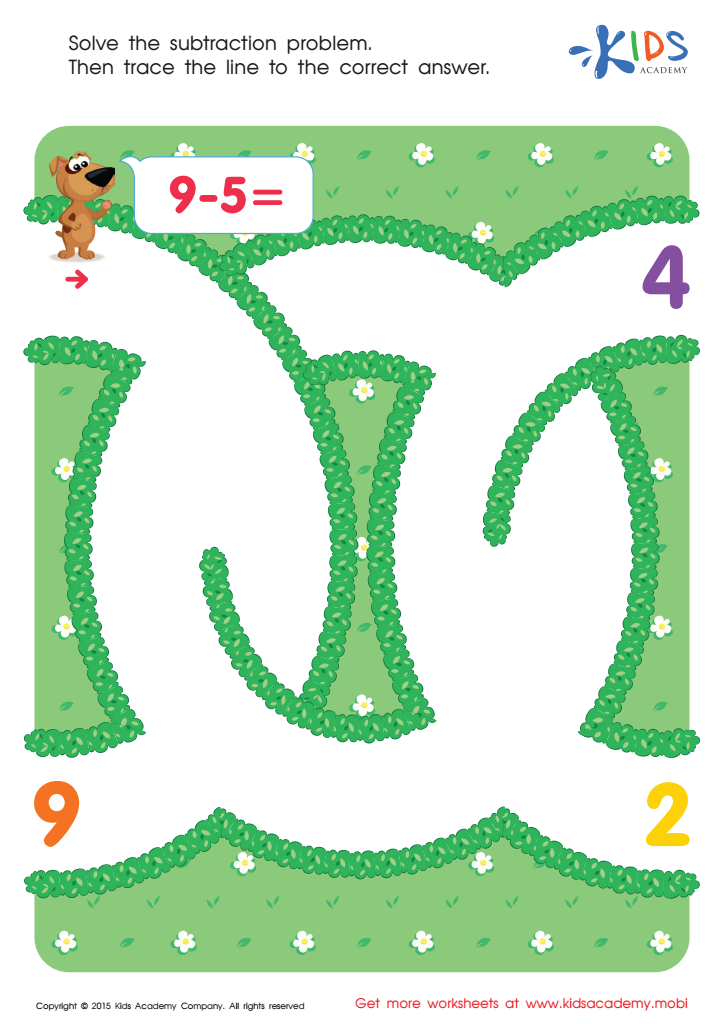
Subtraction Nine And Five Worksheet
 Assign to My Students
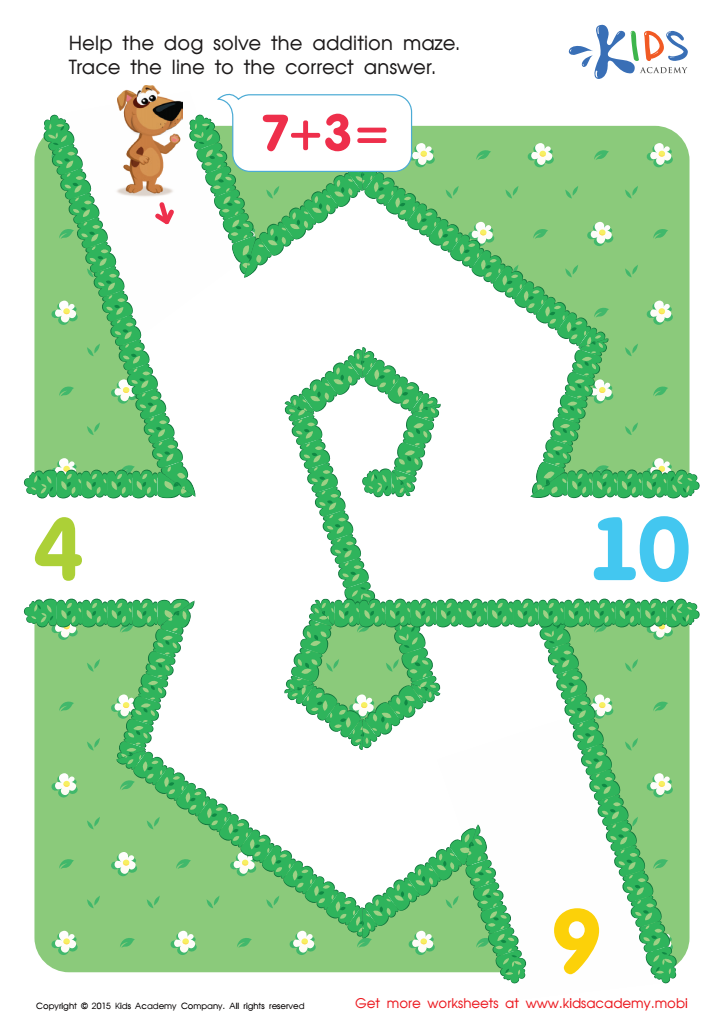
Seven Plus Three Worksheet
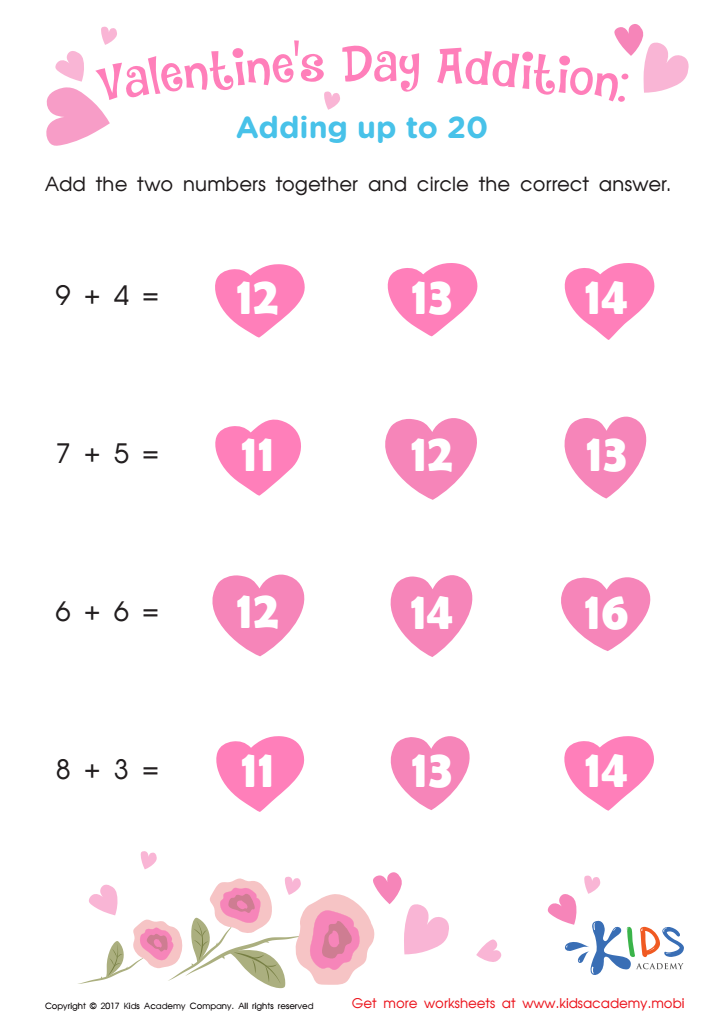
Valentine's Day Addition Worksheet








Math fluency is crucial for young children as it forms the foundation of their future mathematical understanding and confidence. Introducing an extra challenge for ages 3-4 might seem early, but it capitalizes on their highly receptive and formative nature during these years. At this age, children's brains are exceptionally plastic, meaning they absorb and retain new information more readily.
Focusing on math fluency helps children develop essential number sense, which includes recognizing numbers, understanding quantities, and basic counting. When educators and parents emphasize these skills through additional challenges, they nurture children's problem-solving abilities and critical thinking. These early experiences solidify a positive relationship with math, preventing anxiety and building confidence.
Furthermore, engaging in math activities enhances cognitive development by promoting logical reasoning and memory recall. Extra challenges should be playful and contextually appropriate, like counting games, puzzles, and interactive apps that make learning enjoyable.
Parents and teachers investing in developing math fluency early set children on a path to continuous learning success. It prepares them not just for school but for life where numeracy plays a key role in daily activities and problem-solving. Thus, instilling a strong mathematical foundation during preschool years is pivotal in shaping well-rounded, confident, and competent learners.








