Mathematical thinking Extra Challenge Worksheets for Ages 3-4
3 filtered results
-
From - To
Welcome to our Mathematical Thinking Extra Challenge Worksheets for Ages 3-4! Designed for young learners, these engaging worksheets encourage early math skills through fun activities. Your child will explore essential concepts such as counting, number recognition, simple addition, and more. Each worksheet is tailored to elevate mathematical understanding while promoting problem-solving skills and critical thinking. The vibrant illustrations and interactive tasks capture the interest of little ones, making learning enjoyable. Ideal for home or classroom use, our worksheets provide the perfect opportunity for children to develop their math abilities in a playful and effective way. Unlock your child's potential with our thoughtfully crafted resources!
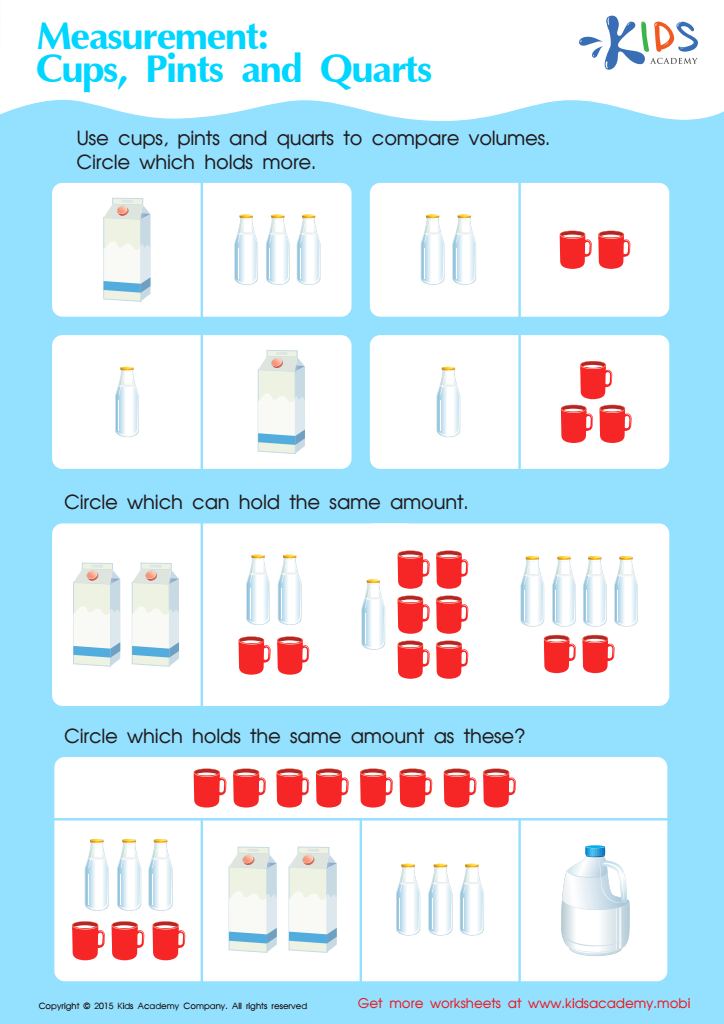
Measurement: Compare Volumes Worksheet
 Assign to My Students
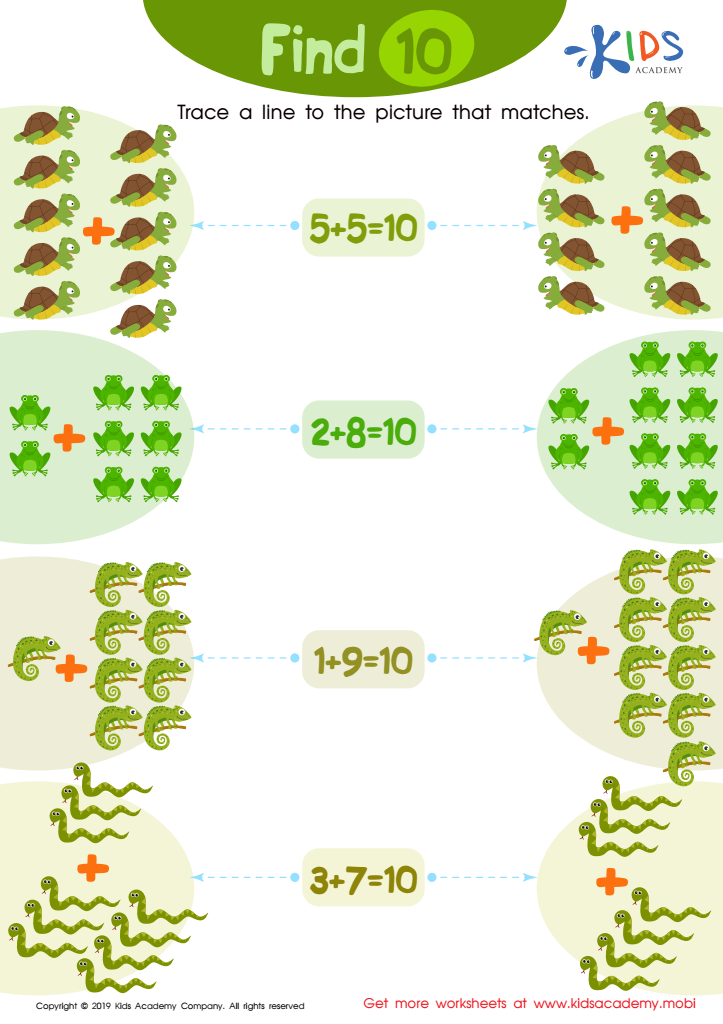
Find 10 Worksheet
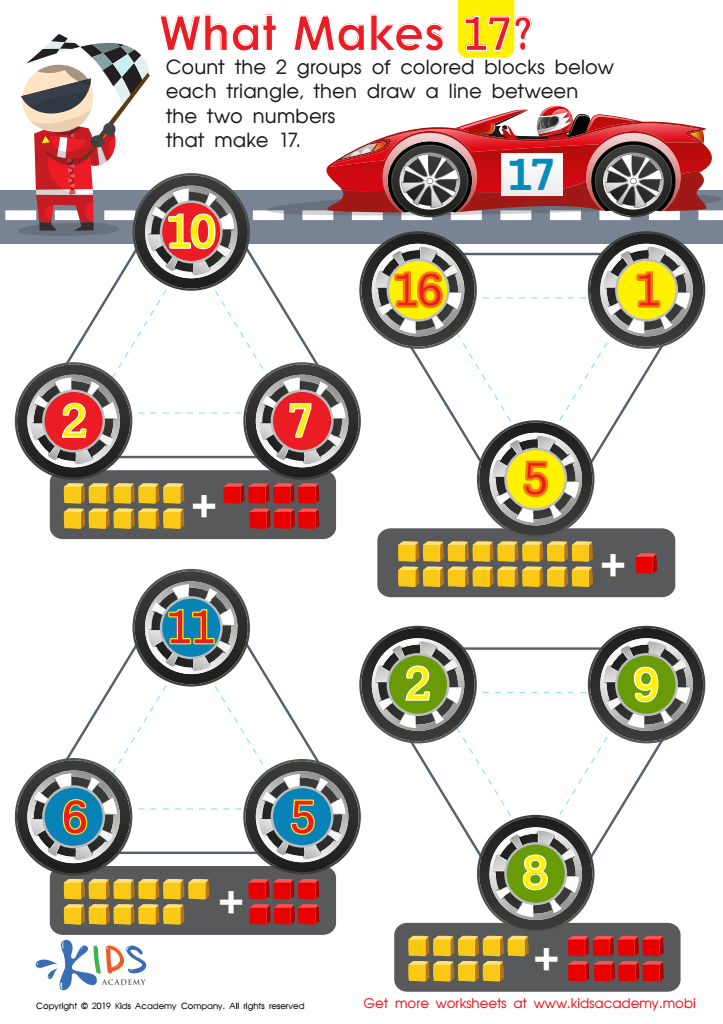
What Makes 17 Worksheet







Mathematical thinking in early childhood, particularly for ages 3-4, is crucial as it lays the foundation for future learning and problem-solving skills. At this developmental stage, children are naturally curious and eager to explore concepts such as counting, patterns, and spatial awareness. Engaging them in mathematical activities promotes cognitive growth, enhances logical reasoning, and fosters critical thinking skills.
Parents and teachers should care about this extra challenge because it not only supports early numeracy but also integrates learning through play. Creative mathematical experiences, such as counting objects, identifying shapes, or engaging in simple addition and subtraction, help children make meaningful connections with numbers in their everyday lives. These activities encourage language development, as children learn to articulate their ideas and understand mathematical vocabulary.
Furthermore, developing mathematical thinking at a young age can boost a child's confidence and interest in STEM subjects as they grow. Early exposure can mitigate math anxiety and create a positive attitude towards learning. By investing time and resources in these challenges, parents and teachers are empowering children with skills they will use throughout their lives, creating a strong educational foundation that benefits their overall development.








