Addition Practice Extra Challenge Numbers Worksheets for Ages 3-4
4 filtered results
-
From - To
Explore our "Addition Practice Extra Challenge Numbers Worksheets" designed specifically for ages 3-4! Our engaging worksheets provide a fun and interactive way for young learners to develop their basic addition skills. Each activity is tailored to enhance number recognition and foster early math understanding. Children will enjoy colorful illustrations and varied challenges that make learning addition enjoyable. These worksheets encourage independent practice while building confidence in their abilities. Perfect for homeschooling or supplementary practice, our resources ensure that your little ones have a solid foundation in math. Start their addition journey today and watch them excel in their learning!
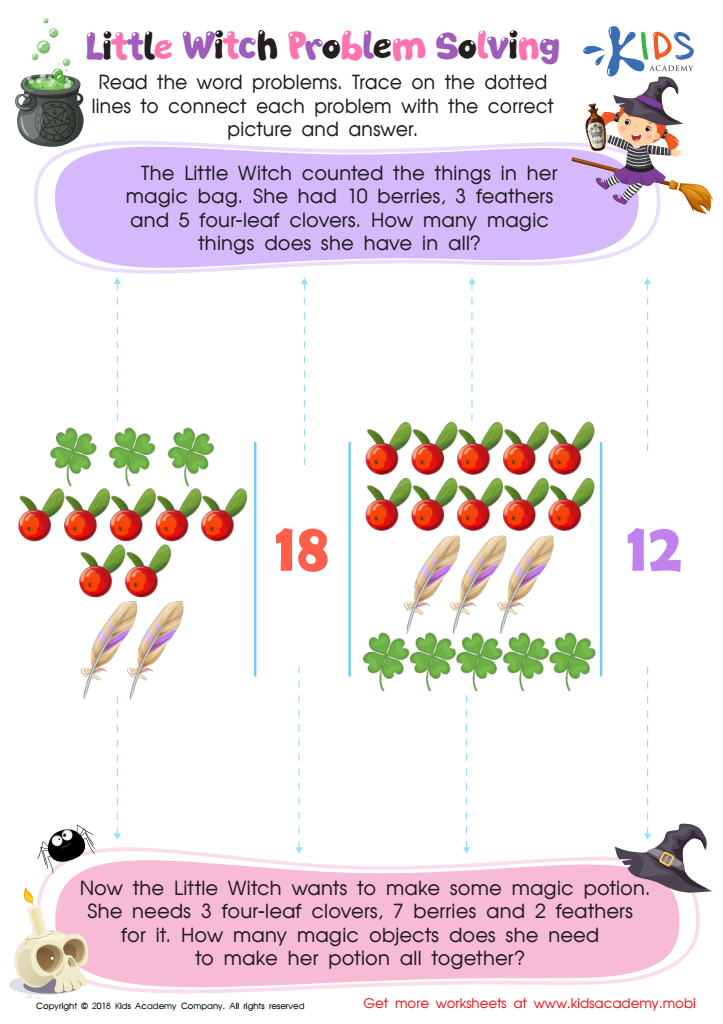
Little Witch Problem Solving Worksheet
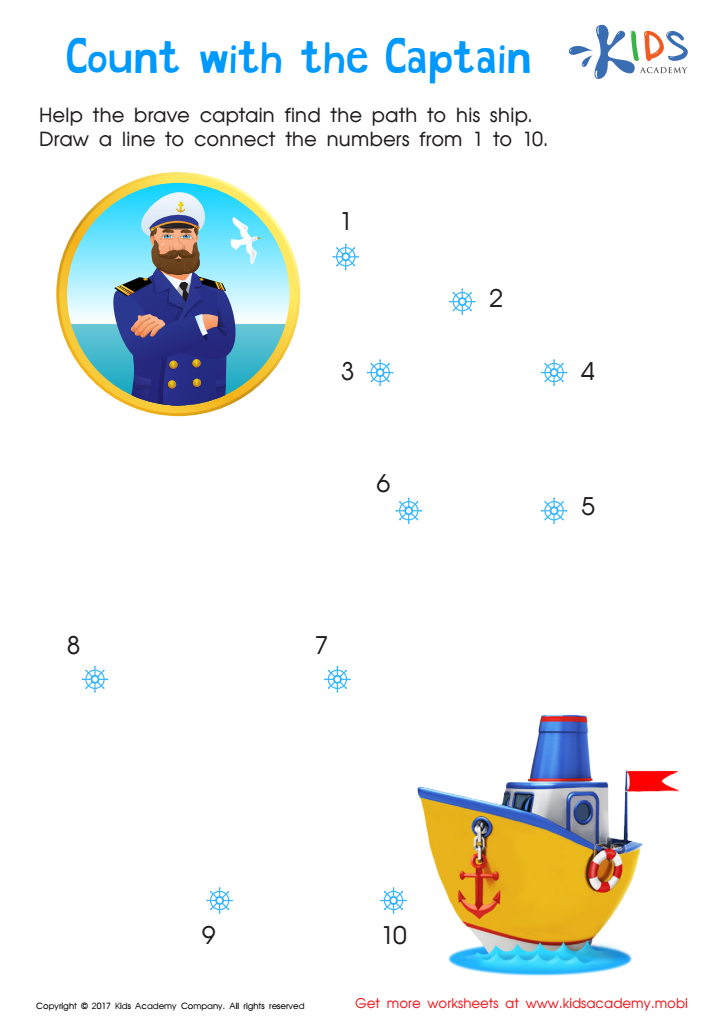
Count with the Captain Connect Dots Worksheet
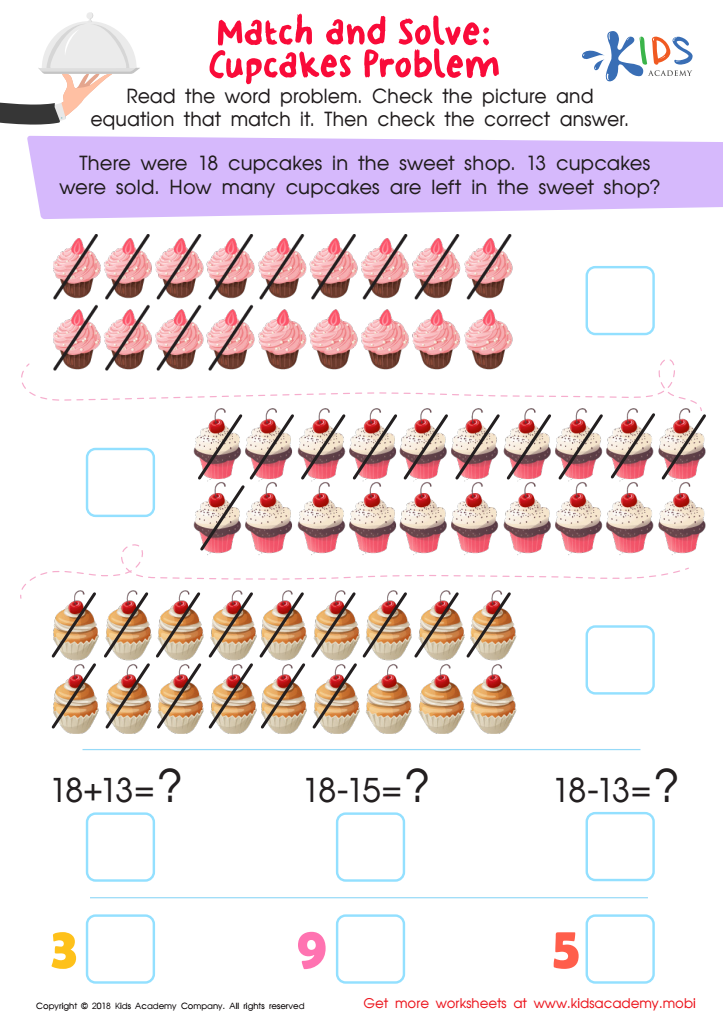
Match and Solve: Cupcakes Problem Worksheet
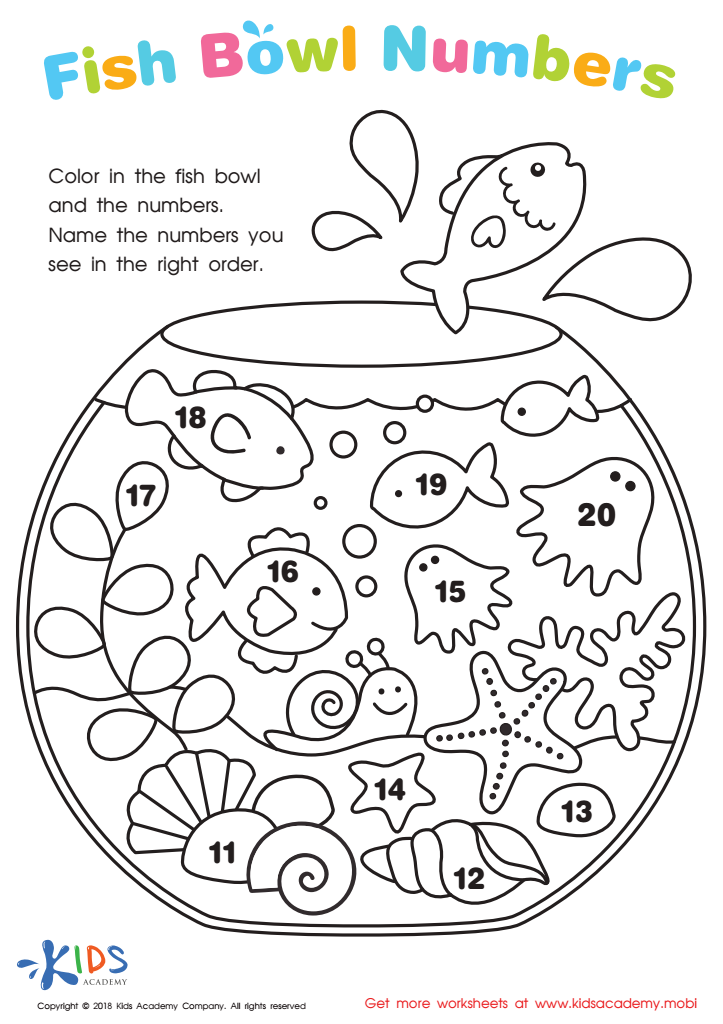
Fish Bowl Numbers Worksheet
 Assign to My Students








Addition Practice Extra Challenge Numbers for ages 3-4 is crucial for early childhood education as it lays the foundation for mathematical understanding and critical thinking skills. At this stage, children are naturally curious and ready to explore numbers and simple operations. Engaging them in addition activities not only makes math fun but also develops their cognitive skills by enhancing problem-solving abilities and number recognition.
Parents and teachers should care because these activities promote mental arithmetic, which is essential for future math success. Introducing addition concepts early can help children grasp more complex mathematical ideas later on. Additionally, this practice helps to build confidence and a positive attitude towards math, reducing anxiety associated with the subject as they grow older.
Furthermore, these extra challenge numbers encourage children to think independently and work through problems, promoting perseverance. They also offer an opportunity for parents to bond with their children through interactive learning, making education a collaborative and enjoyable experience.
Early engagement in addition and challenge numbers equips children with essential skills for academic achievement, ultimately promoting lifelong learning and a love for mathematics. Hence, fostering this early practice is an investment in their future success.