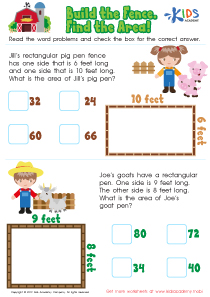
Number Recognition Extra Challenge Numbers Worksheets for Ages 3-4 - Page 2
27 filtered results
-
From - To
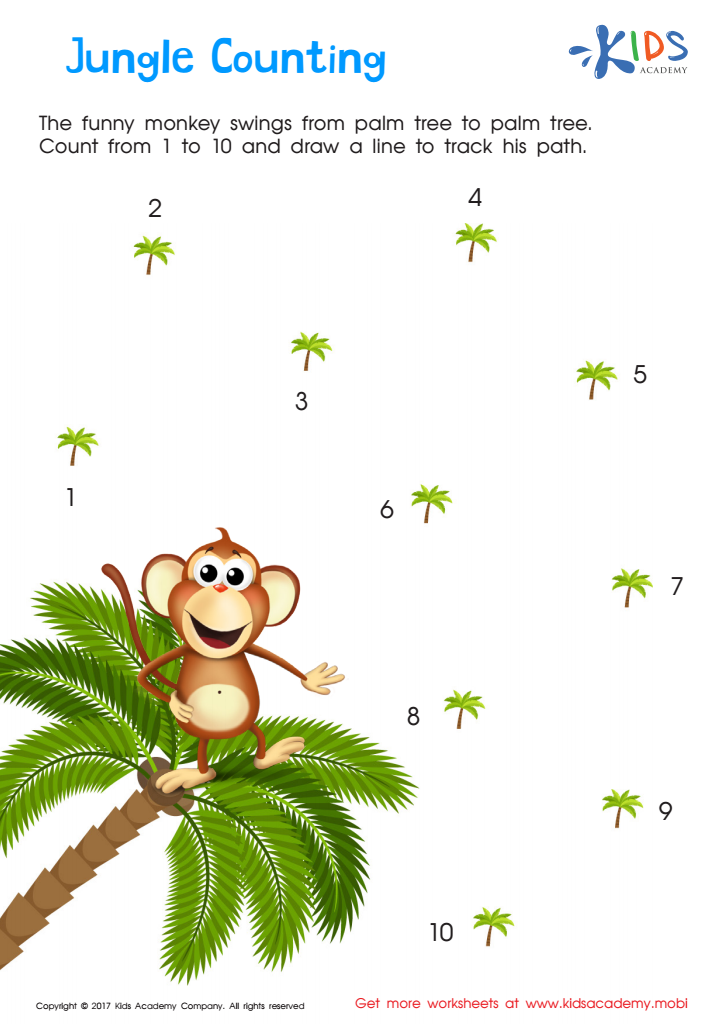
Jungle Counting Connect Dots Worksheet
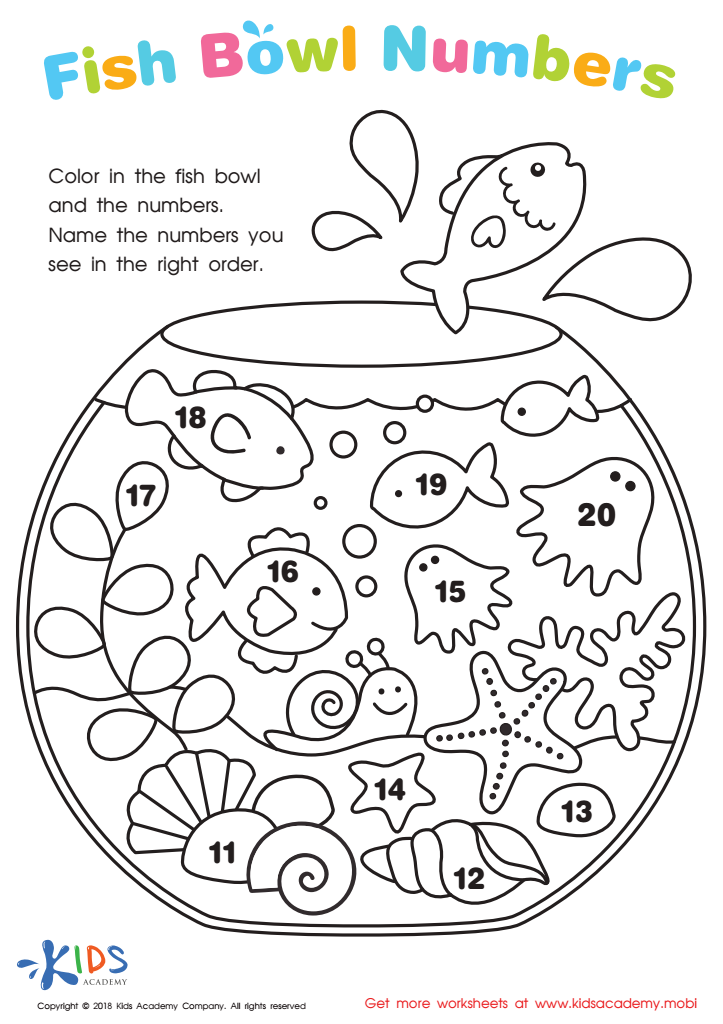
Fish Bowl Numbers Worksheet
 Assign to My Students
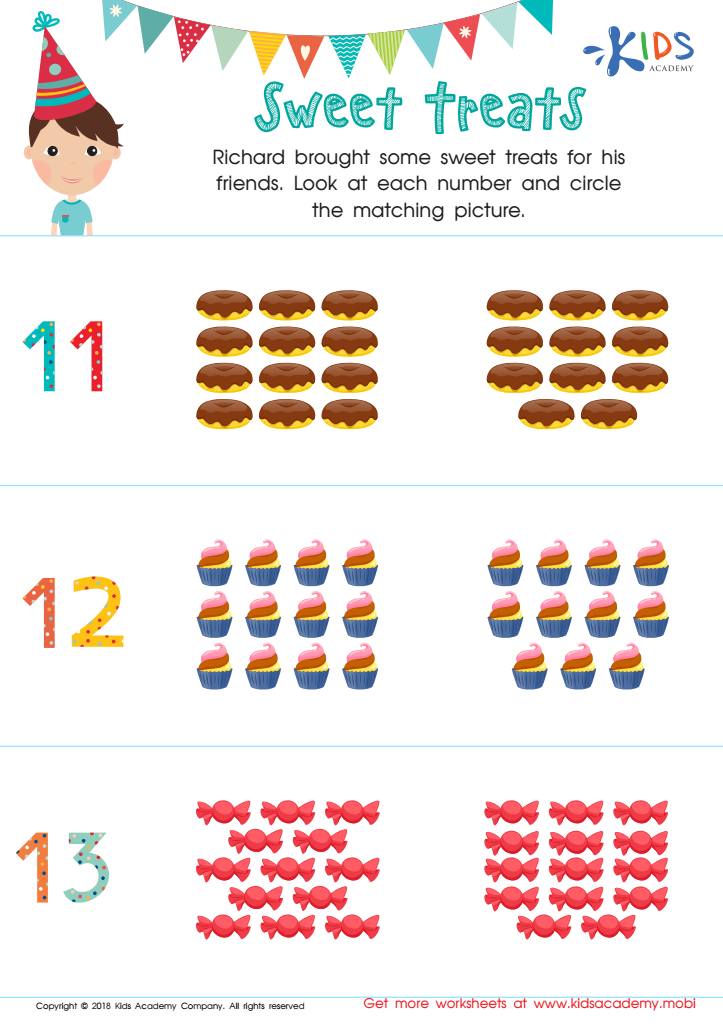
Kindergarten Math Worksheet Matching Numbers








Number recognition is a fundamental skill that sets the stage for future mathematical understanding, making it crucial for children aged 3-4. When parents and teachers engage little ones with Number Recognition Extra Challenge Numbers, they are fostering more than just counting; they are building the foundation for problem-solving and logical reasoning. Early exposure to numbers helps children grasp concepts such as order, quantity, and sequence.
First, mastering number recognition builds confidence. As children accurately identify and use numbers, their self-esteem grows, encouraging a positive attitude towards learning. Secondly, cognitive development is enhanced through these activities. Recognizing numbers promotes visual memory, attention to detail, and fine motor coordination—skills that are valuable not just in math but across all learning areas.
Third, equipping children with strong number recognition skills prepares them for more complex mathematical operations such as addition and subtraction, which will be encountered in grade school. Lastly, number games and challenges are fun and engaging, providing an ideal way to bond and interact with young learners.
Thus, number recognition exercises are not mere drills but essential building blocks critical for academic success and everyday life, inspiring a lifelong appreciation for learning and teaching parents the importance of early educational interventions.