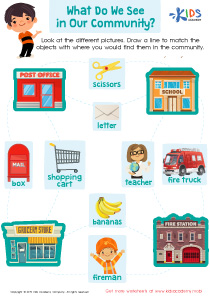
Understanding measurements Extra Challenge Math Worksheets for Ages 3-4
4 filtered results
-
From - To
Explore our "Understanding Measurements Extra Challenge Math Worksheets" designed specifically for children ages 3-4. These engaging, fun worksheets help young learners grasp essential measurement concepts through interactive activities. As they compare lengths, weights, and capacities, children develop critical thinking and problem-solving skills in a playful setting. Featuring vibrant illustrations and age-appropriate challenges, our worksheets promote early math readiness and confidence. Ideal for classroom use or at-home practice, these resources are perfect for parents and educators aiming to reinforce foundational math skills. Start your child's journey to measurement mastery today with our exciting extra challenge worksheets!
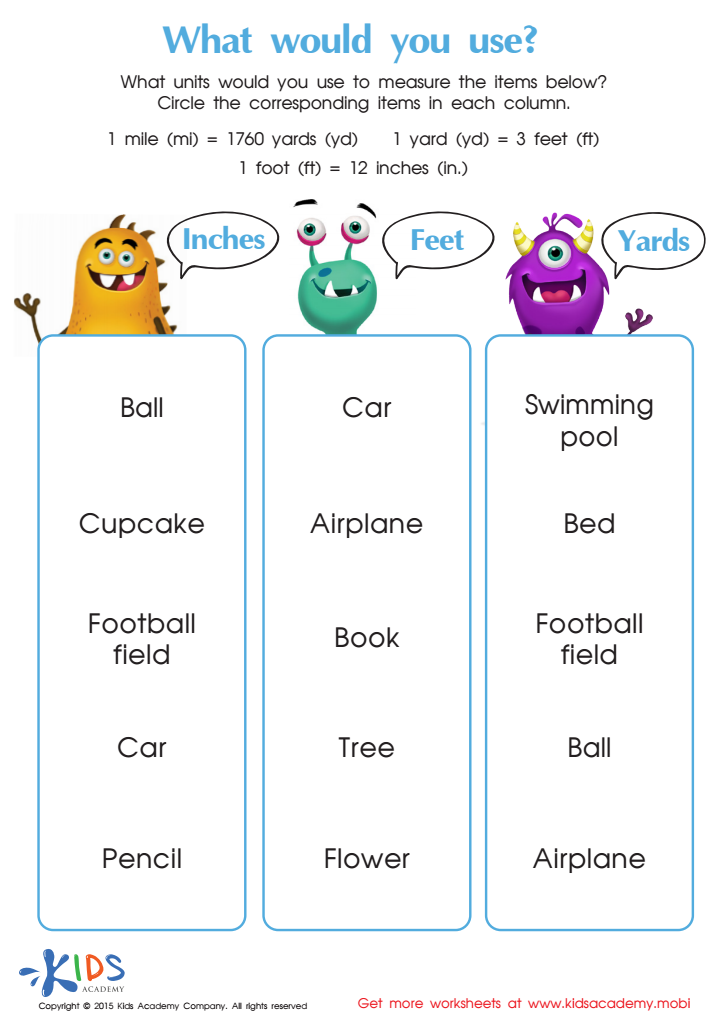
Learning about measuring objects in inches, feet and yards Worksheet
 Assign to My Students
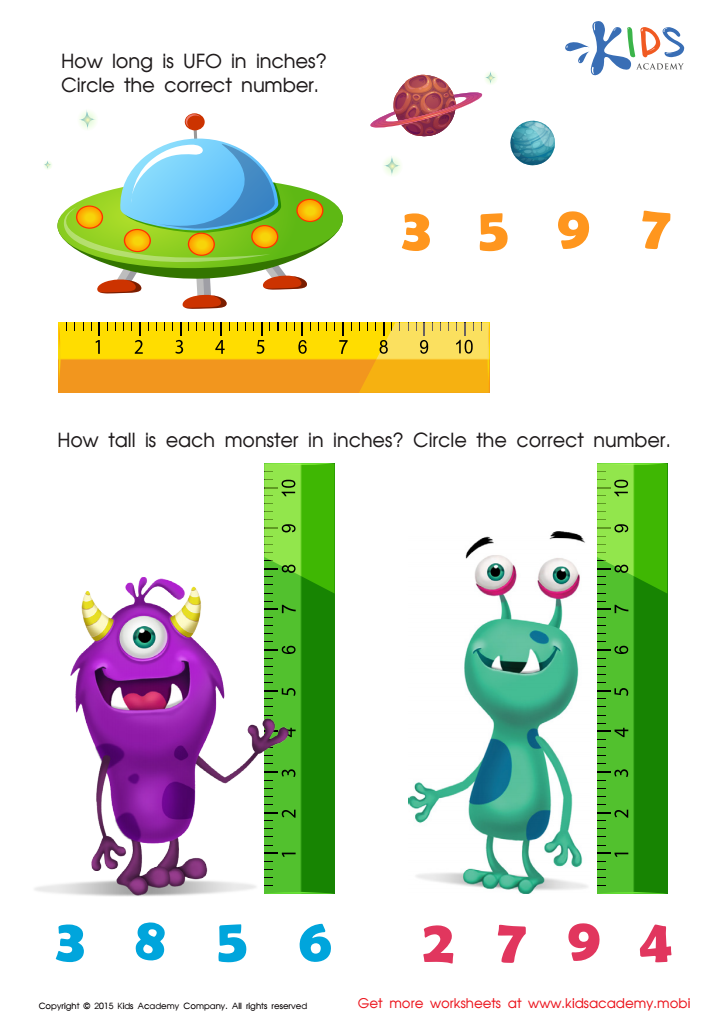
Measuring in Inches Worksheet
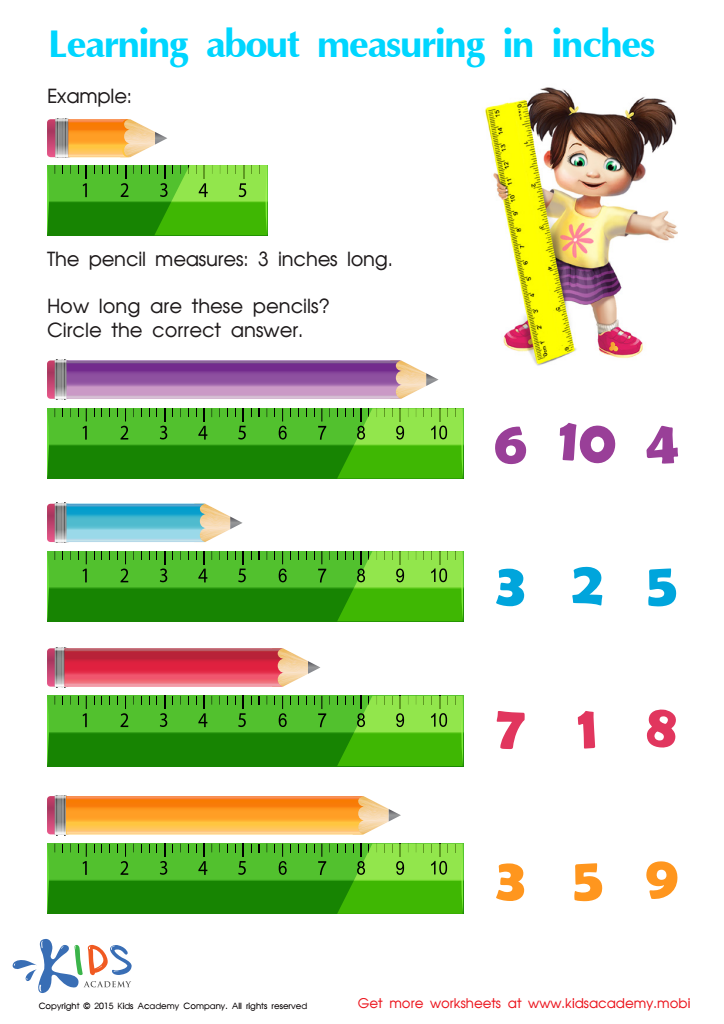
Learning About Measuring In Inches Printable
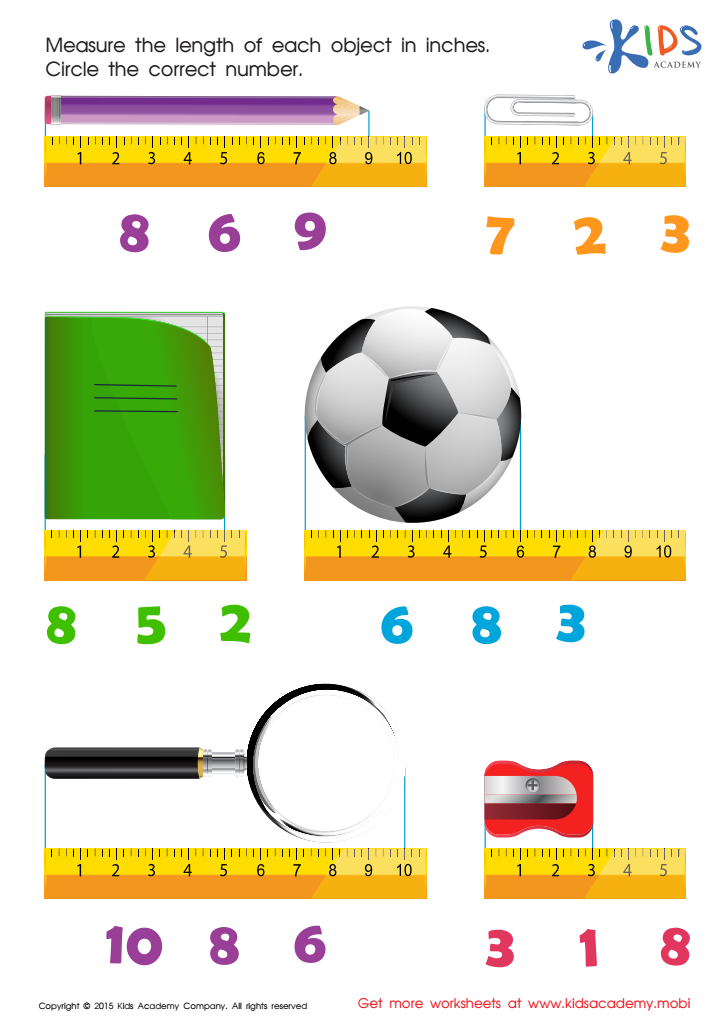
Learning measuring objects in inches Worksheet








Understanding measurements is a foundational skill that benefits children's cognitive development, problem-solving abilities, and everyday life skills. For parents and teachers of 3-4-year-olds, engaging with concepts of measurement through programs like "Understanding Measurements Extra Challenge Math" fosters early mathematical literacy. At this age, children are naturally curious and eager to explore the world around them, and introducing measurement concepts provides excellent opportunities for hands-on learning.
By incorporating measurement activities, children learn to compare lengths, weights, volumes, and sizes, which builds their reasoning skills and promotes critical thinking. Moreover, activities involving measurement can enhance vocabulary as children learn new terms and develop their language skills through practical application.
Measurements also play a crucial role in developing a sense of spatial awareness. Parents and teachers can create engaging experiences that make learning fun, such as cooking, building with blocks, or crafting, which not only strengthen measurement skills but also improve fine motor skills and promote social interaction.
Ultimately, prioritizing understanding of measurements at this early age lays a vital foundation for future math learning, fostering confidence and enthusiasm for the subject, and setting children on a path toward academic success.