Alphabet Recognition Extra Challenge Letter Recognition Worksheets for Ages 3-5
4 filtered results
-
From - To
Explore our Alphabet Recognition Extra Challenge Letter Recognition Worksheets, designed for children ages 3-5! These engaging worksheets provide an exciting opportunity for young learners to enhance their alphabet skills. With fun activities tailored for preschoolers, kids will practice identifying letters through vibrant visuals and creative exercises. Each worksheet stimulates cognitive development while ensuring a fun learning environment. Perfect for both home and classroom use, they support early literacy and build a solid foundation for reading. Help your little ones master letter recognition with these interactive challenges that make learning the alphabet a delightful adventure! Start exploring today!
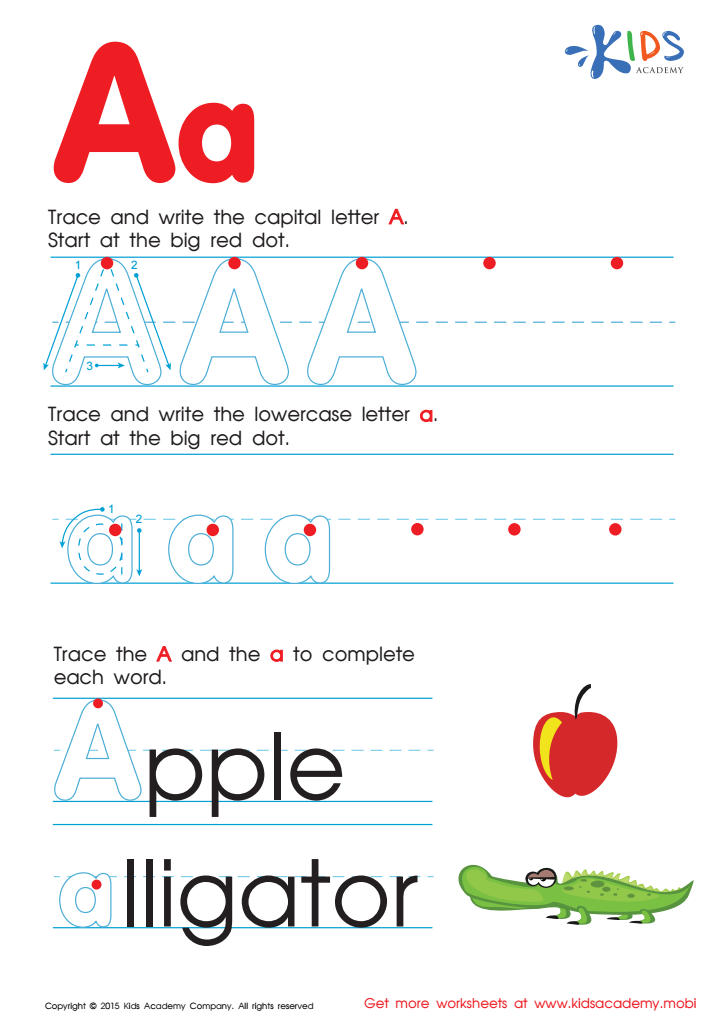
Letter A Tracing Page
 Assign to My Students
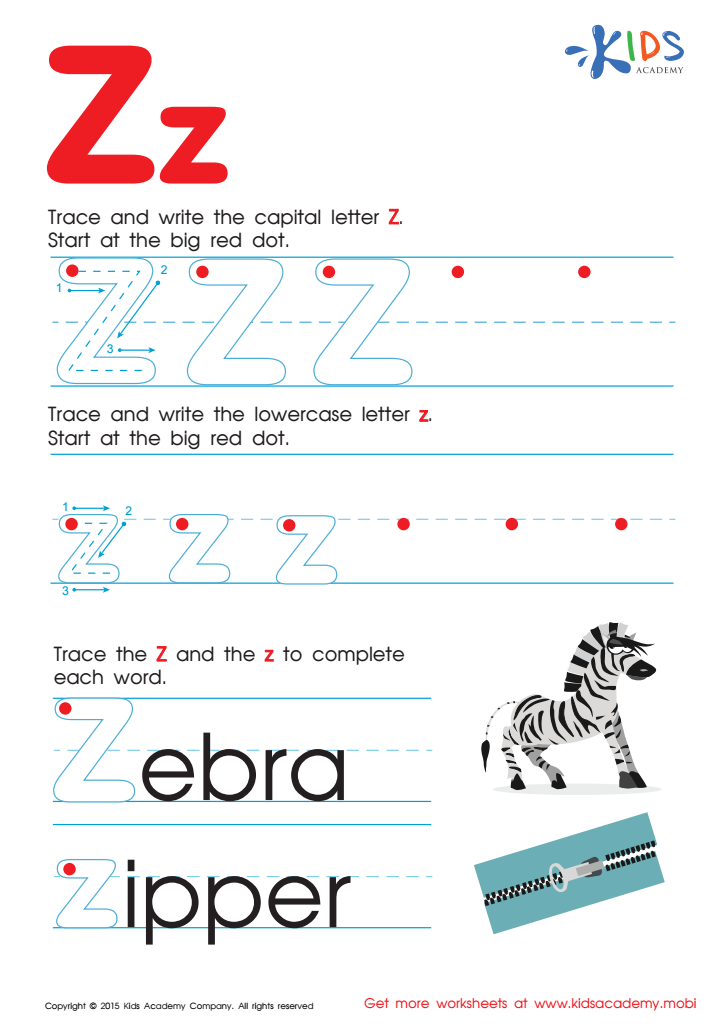
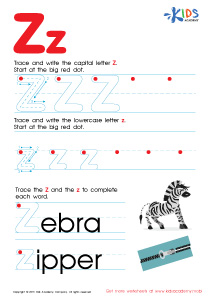
Letter Z Tracing Page
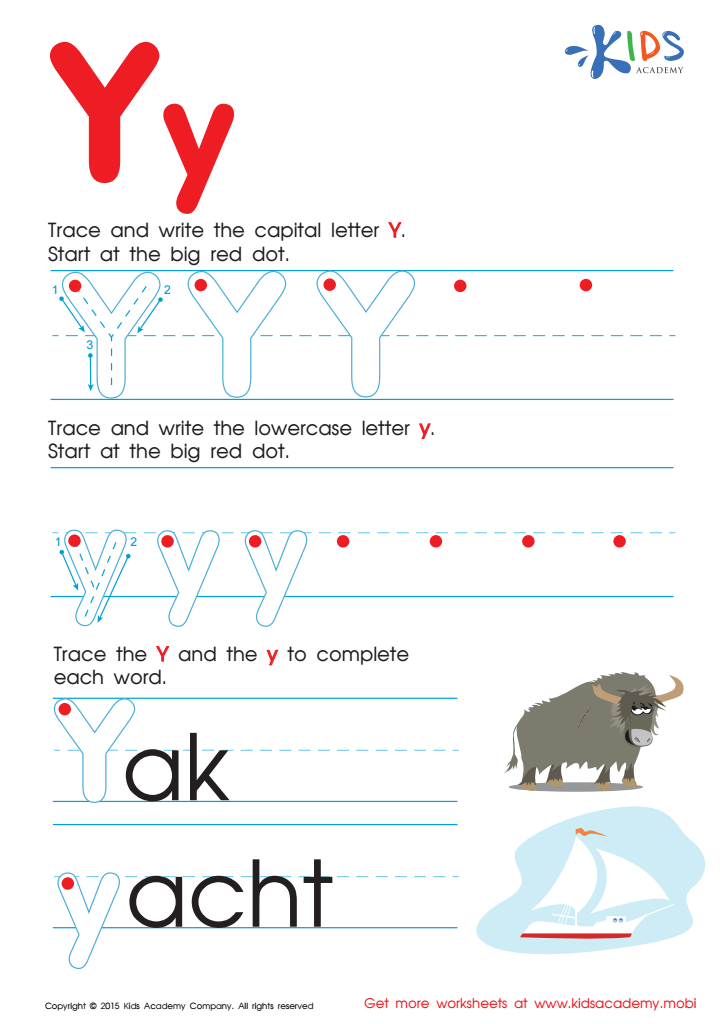
Letter Y Tracing Page
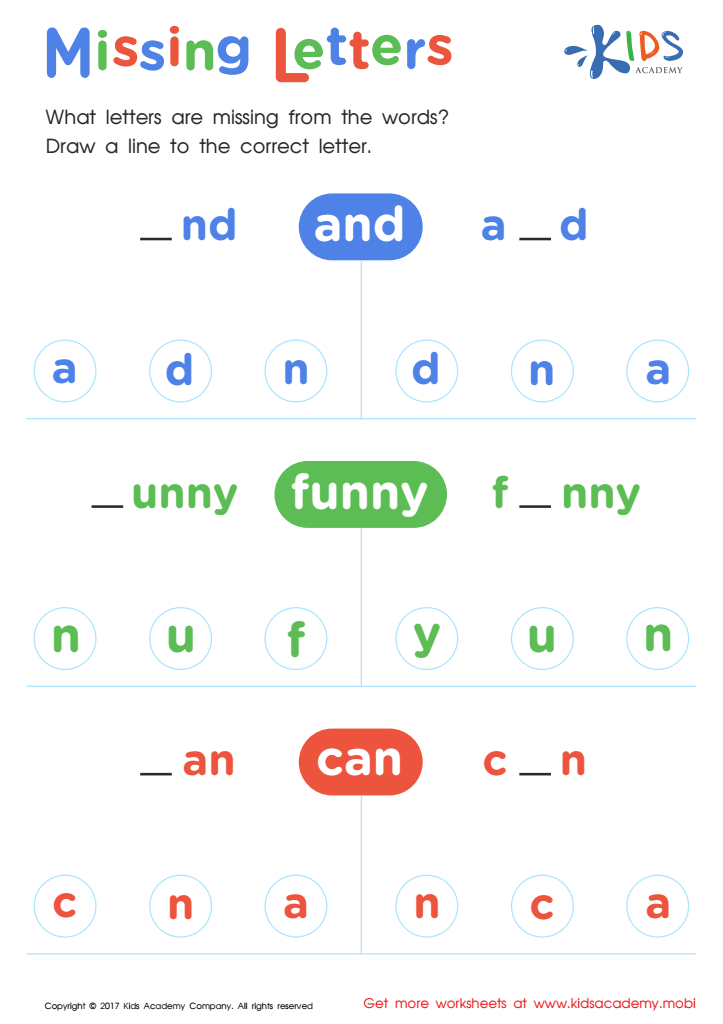
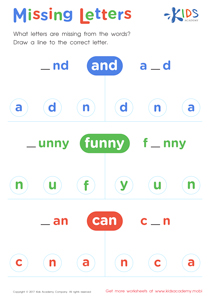
Missing Letters Worksheet








Alphabet recognition is fundamental for young children as it lays the groundwork for reading and communication skills. By the ages of 3 to 5, children are rapidly developing their cognitive abilities, and engaging them in Alphabet Recognition activities can significantly enhance their language acquisition. Extra challenges, such as letter recognition games, help stimulate their minds, improve memory, and facilitate critical thinking.
For parents and teachers, fostering Alphabet Recognition is not just about preparing children for school; it's about nurturing their love for learning. Early exposure to letters through interactive activities makes the learning process enjoyable and memorable. Recognizing letters enables children to form the simplest words and build confidence in their writing and reading abilities.
Engaging children in these challenges significantly contributes to their overall literacy development. As they grasp letter sounds and shapes, children also improve their listening and cognitive skills, leading them to better focus and express their thoughts. This early foundation is crucial as it directly influences future academic success.
Ultimately, investing time in Alphabet Recognition challenges creates confident, eager learners who will not only excel in school but also in life. Therefore, parents and teachers should prioritize such developmental activities for the growth of every child.