Alphabet Recognition Extra Challenge English for Beginners Worksheets for Ages 3-5
3 filtered results
-
From - To
Discover our "Alphabet Recognition Extra Challenge" worksheets designed for English beginners aged 3-5! Foster early literacy with engaging, educational activities that challenge young learners to recognize and identify letters. These worksheets are meticulously crafted to support English as a Second Language (ESL) students, integrating fun puzzles and vibrant illustrations to spark interest. Perfect for preschoolers and kindergartners, these resources encourage foundational language skills, improve letter recognition, and boost pre-reading abilities. Ideal for parents and educators seeking a comprehensive, creative, and effective approach to alphabet mastery. Access these worksheets to give your child a head start in their language learning journey!
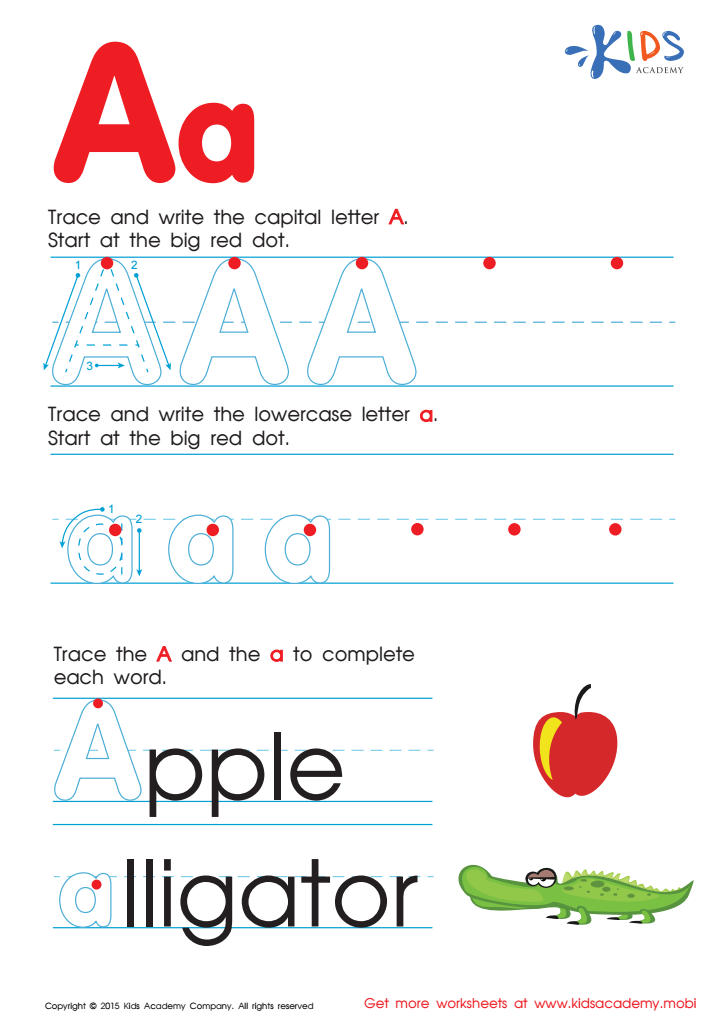
Letter A Tracing Page
 Assign to My Students
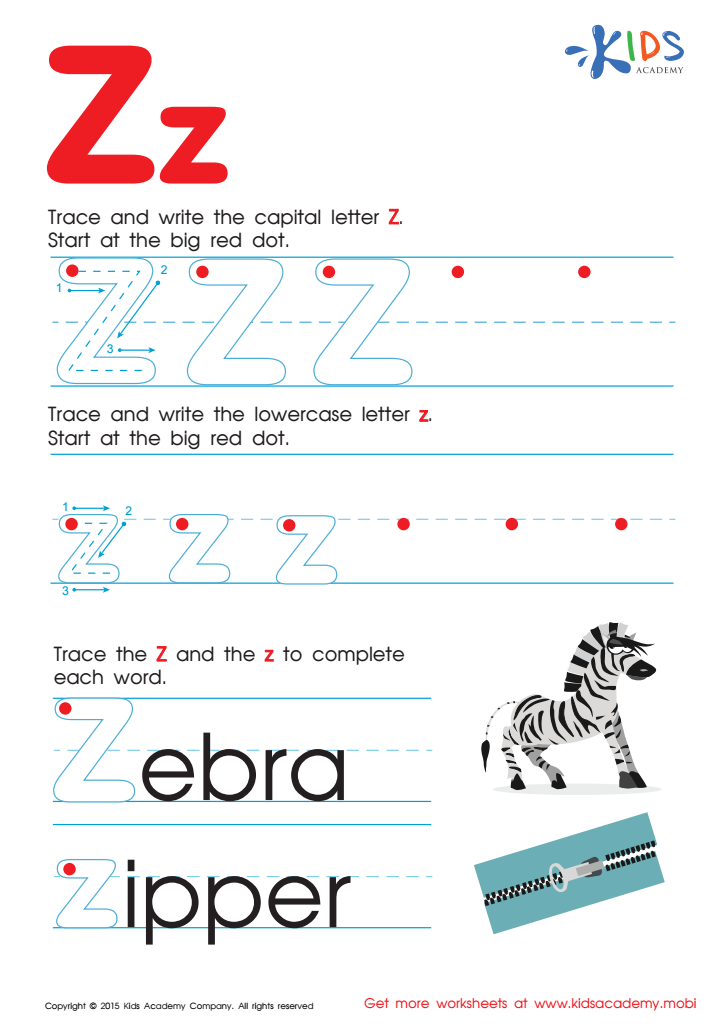
Letter Z Tracing Page
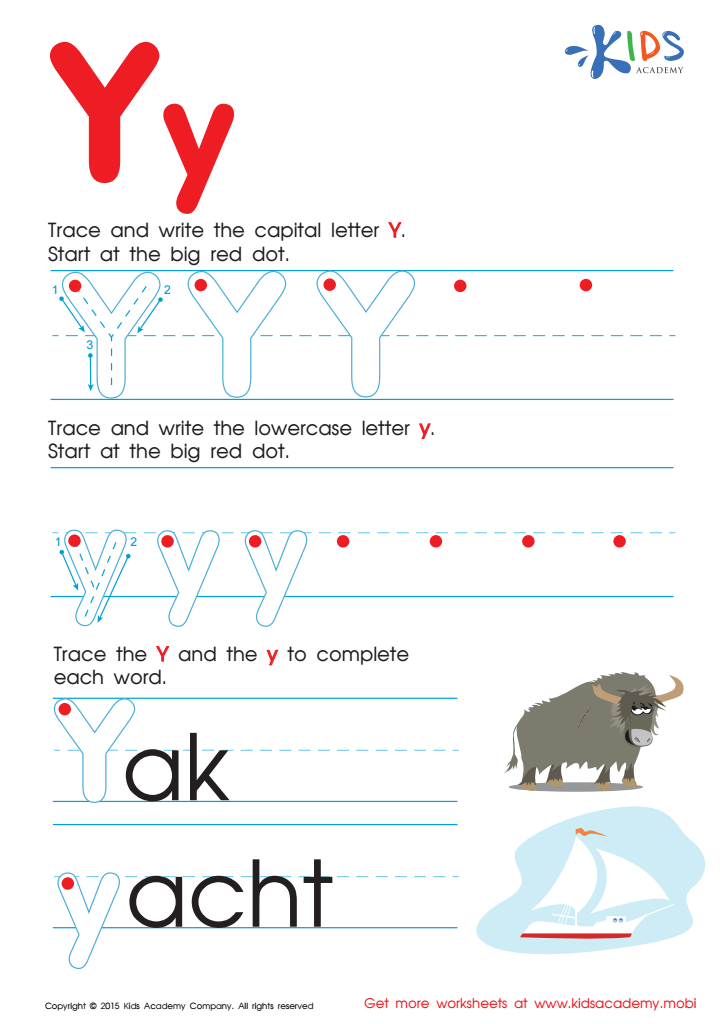
Letter Y Tracing Page





Alphabet Recognition Extra Challenge English for Beginners for ages 3-5 is crucial for early childhood development for several key reasons. Firstly, early recognition of the alphabet helps young children build the foundational skills necessary for reading and writing. Understanding the alphabet is the first step in learning phonics, which is essential for sounding out words and forming a basis for literacy.
Moreover, early alphabet recognition enhances cognitive development. Activities that challenge children to recognize letters involve problem-solving, memory, and critical thinking skills. This kind of mental stimulation is highly beneficial during the formative years of brain development.
Another significant benefit is the boost to a child’s confidence and enthusiasm for learning. Successfully identifying letters and understanding their sounds can give children a sense of achievement, encouraging a positive attitude toward education. Socially, it also prepares them for interactions in a structured school environment, where they can communicate more effectively and follow instructions.
For parents and teachers, engaging children in alphabet recognition through fun and interactive methods lays the groundwork for academic success. By fostering these skills at an early age, children are more likely to excel in future educational pursuits, making better use of other learning opportunities that come their way. Investing time in this fundamental aspect of early education promises long-lasting benefits for a child's overall academic journey.








