Letter recognition Extra Challenge English for Beginners Worksheets for Ages 3-5
7 filtered results
-
From - To
Discover our "Letter Recognition Extra Challenge Worksheets" designed for beginners aged 3-5! These engaging worksheets aim to strengthen letter recognition skills, making learning fun and interactive. Packed with vibrant illustrations and creative activities, they encourage children to identify letters through tracing, matching, and coloring exercises. Perfect for early learners or ESL students, these worksheets provide a boost of confidence while fostering foundational literacy skills. Help your little ones master the alphabet with this essential resource, promoting not just recognition but also curiosity and excitement about letters. Suitable for both home and classroom use, embark on a wonderful learning journey today!
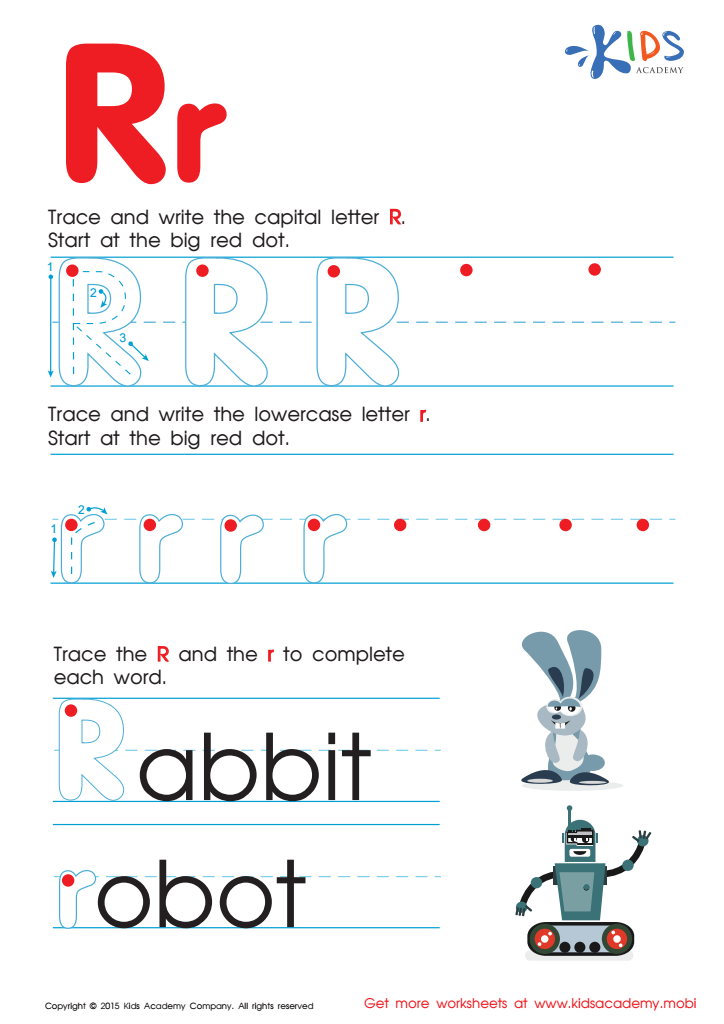
Letter R Tracing Page
 Assign to My Students
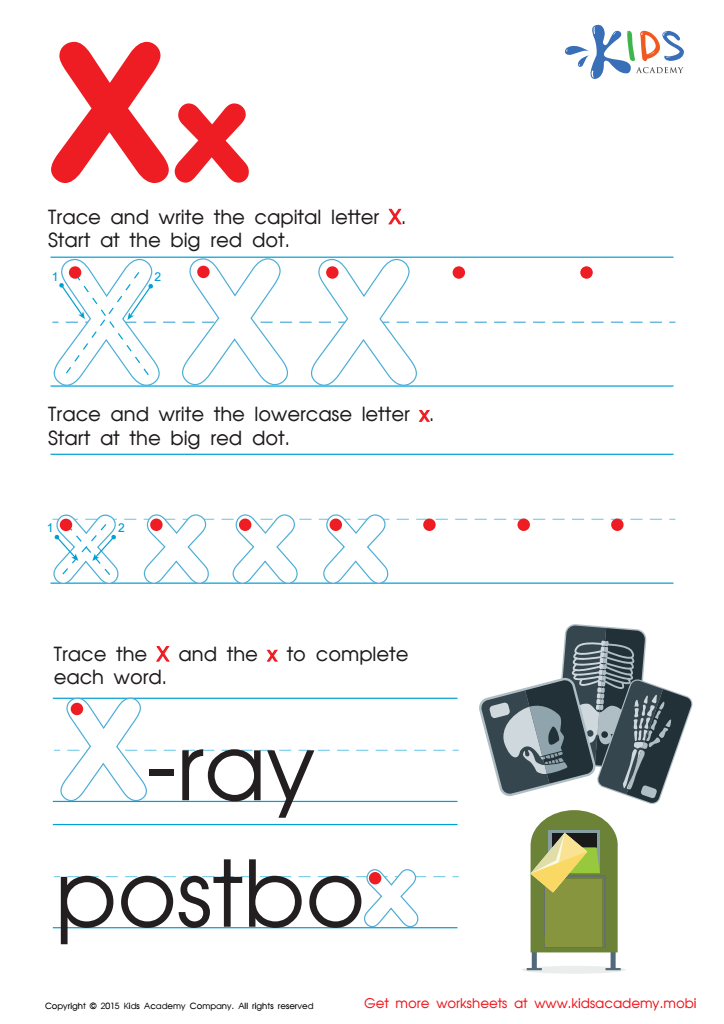
Letter X Tracing Page
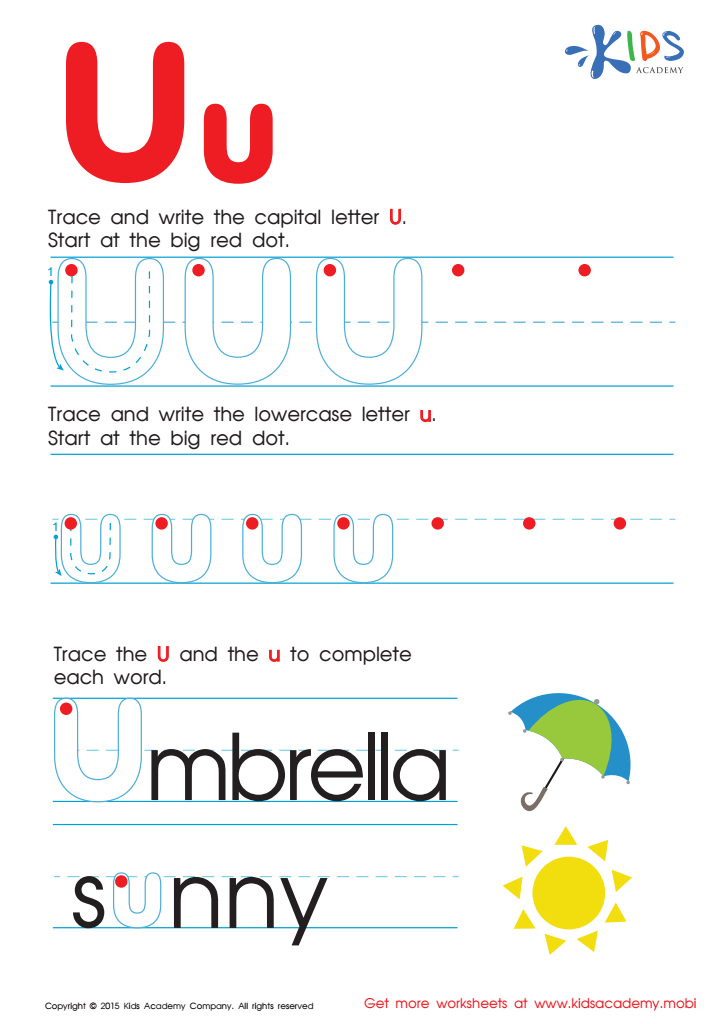
Letter U Tracing Page
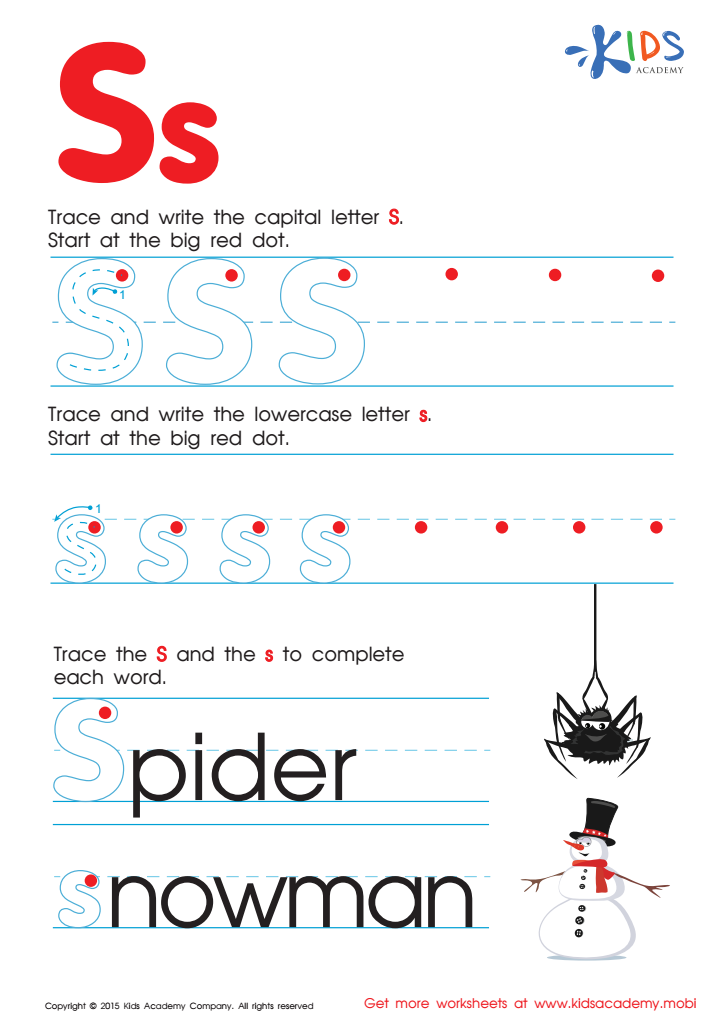
Letter S Tracing Page
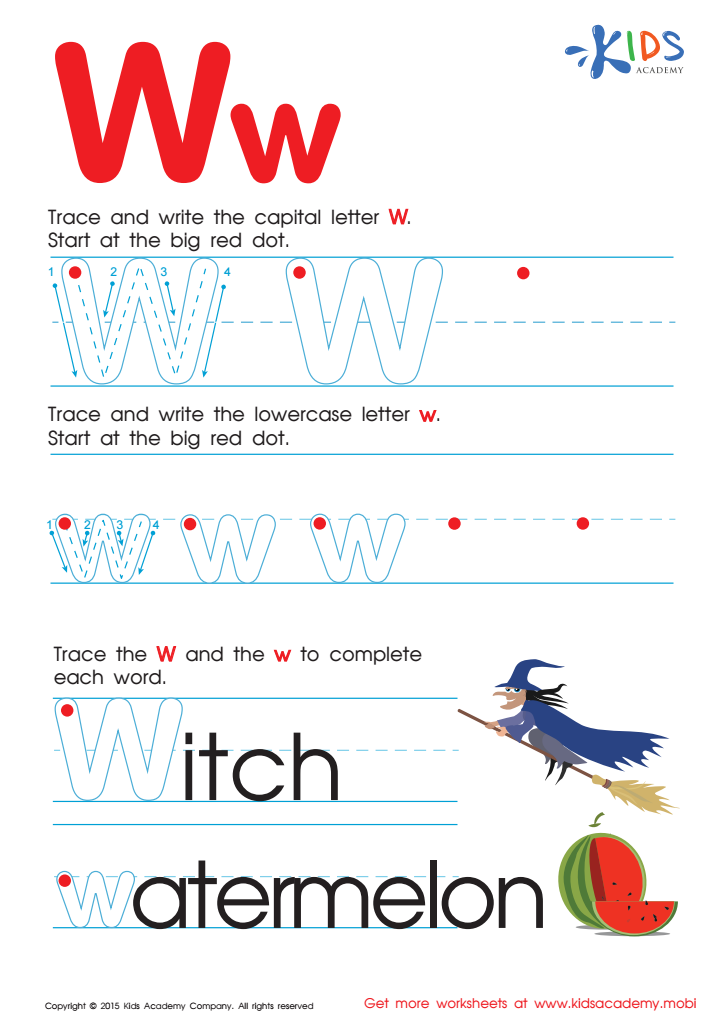
Letter W Tracing Page
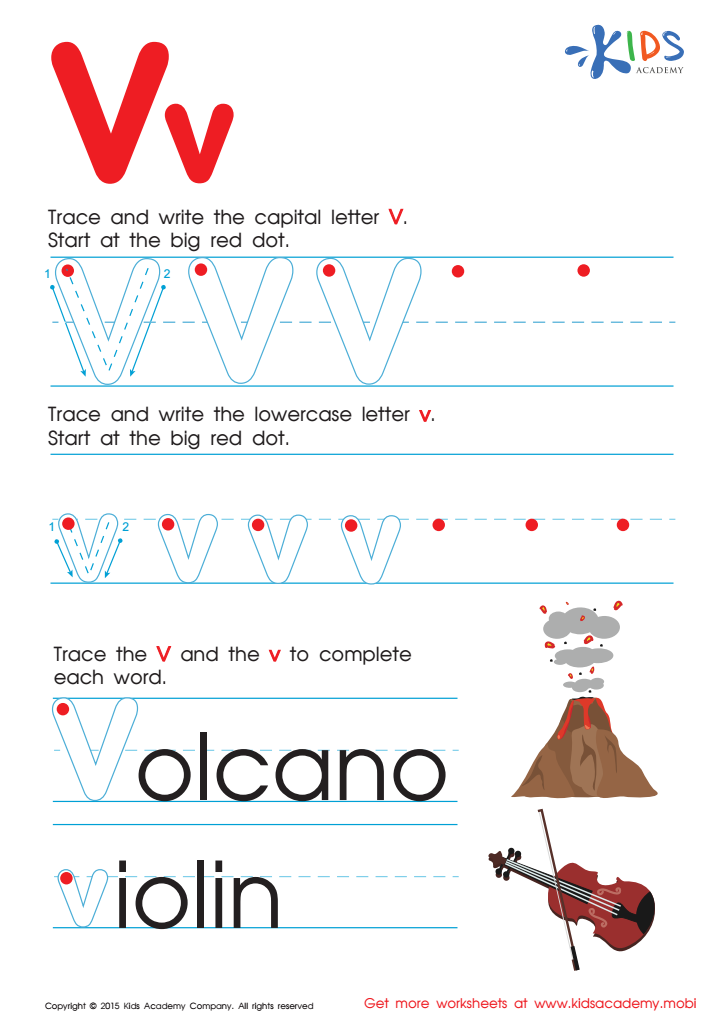
Letter V Tracing Page
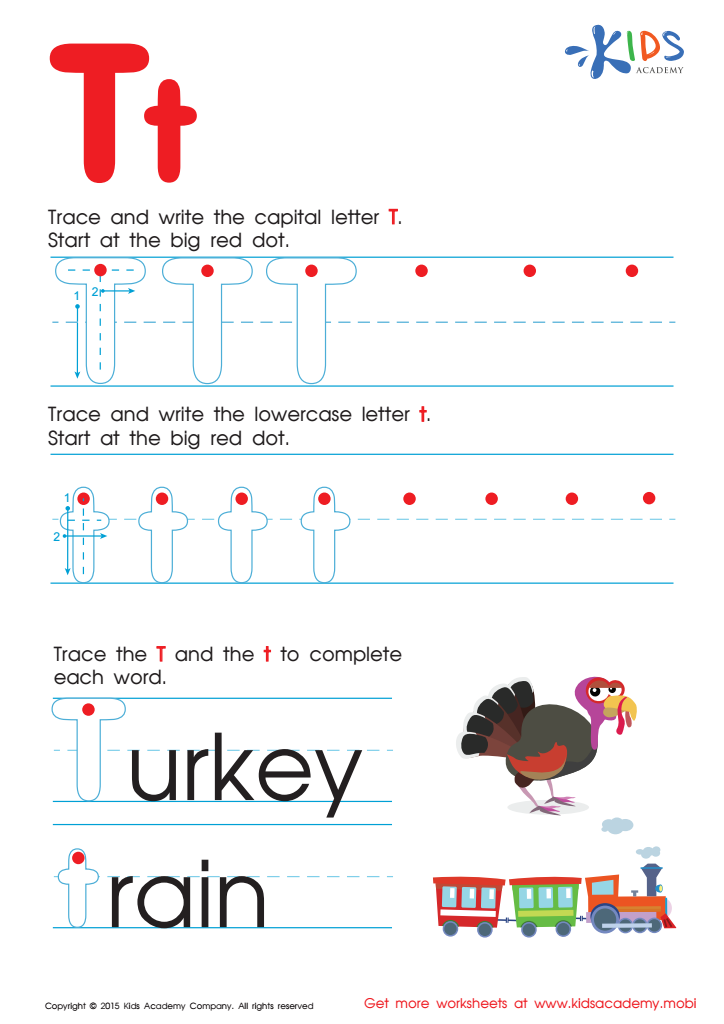
Letter T Tracing Page





Letter recognition is a fundamental skill for young learners aged 3-5, serving as the building block for literacy and overall academic success. Parents and teachers should care about this skill, particularly in programs like Extra Challenge English for Beginners, for several reasons.
Firstly, early letter recognition enhances children's ability to read and write later on. When children recognize letters, they can begin to connect them with sounds, facilitating phonemic awareness and phonics, crucial components of reading.
Secondly, engaging with letter recognition activities fosters cognitive development. Children learn to categorize and differentiate, enhancing their critical thinking and problem-solving skills. Programs tailored for beginners are particularly effective in making learning fun and interactive, which can nurture a lifelong love for reading.
Additionally, letter recognition contributes to a child's overall confidence and communication skills. As children learn to identify letters and their corresponding sounds, they become more empowered to express themselves both verbally and in writing.
Ultimately, by focusing on letter recognition in early education, parents and teachers lay a strong foundation for children's future literacy, ensuring that they are equipped for success in school and beyond. Investing time in these skills now has long-lasting benefits.








