Mathematical reasoning Extra Challenge Worksheets for Ages 3-5
6 filtered results
-
From - To
Unlock your child's potential with our "Mathematical Reasoning Extra Challenge Worksheets for Ages 3-5"! These thoughtfully designed activities ignite curiosity and boost problem-solving skills in young learners. Each worksheet presents engaging puzzles and interactive exercises, fostering critical thinking and nurturing early math proficiency. Perfect for inquisitive minds, these challenges build confidence and lay a strong foundation for future academic success. Suitable for both classroom and home learning, our worksheets make math learning enjoyable and rewarding. Dive into a world of numbers, patterns, and logic where learning becomes an adventurous journey! Empower your preschooler with the essential tools for mathematical excellence.
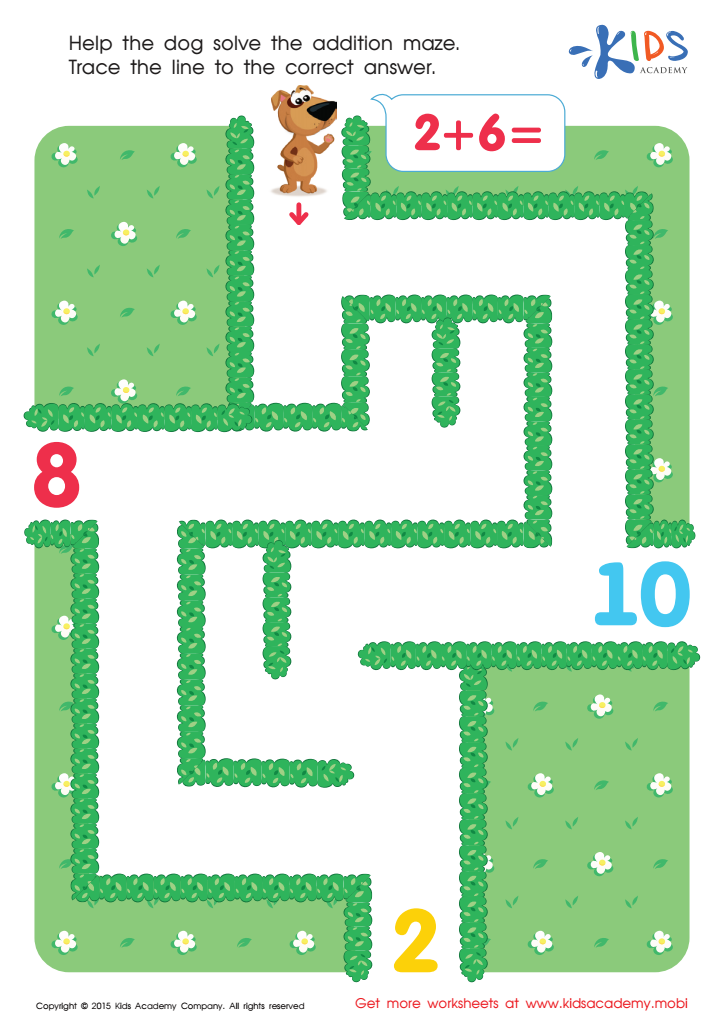
Two Plus Six Addition Worksheet
 Assign to My Students
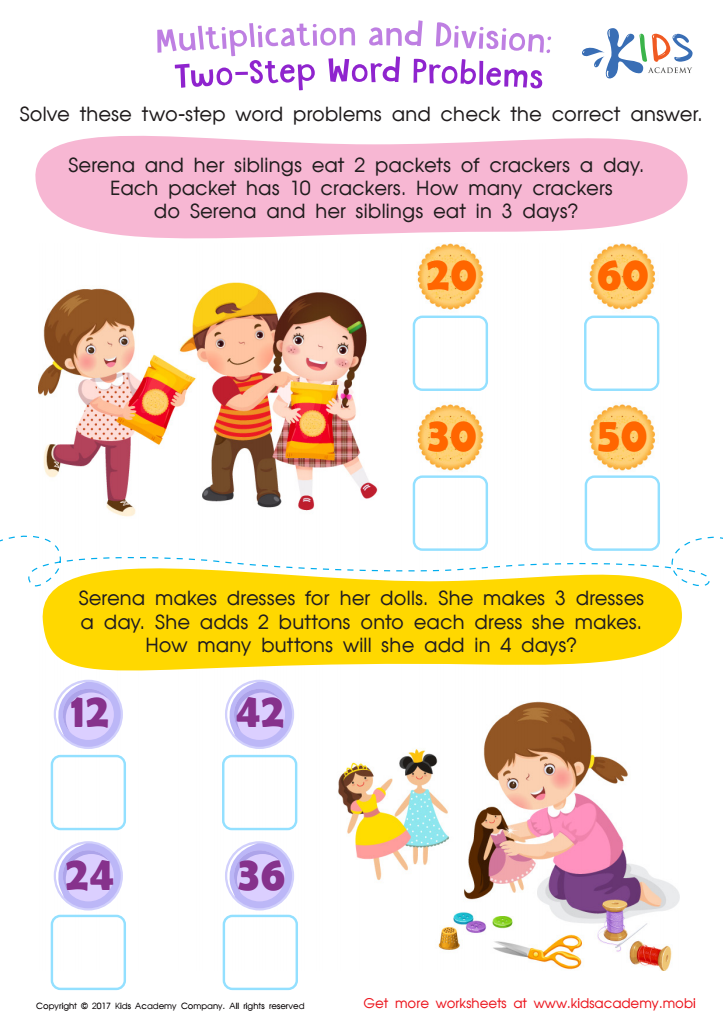
Two Step Word Problems Worksheet
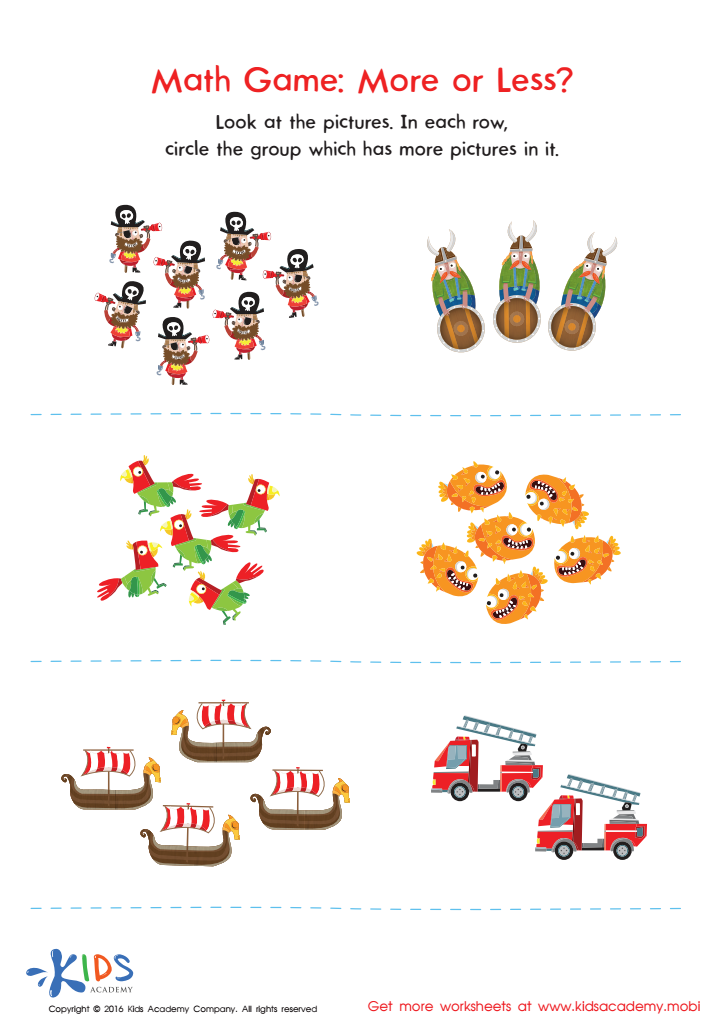
More or Less Worksheet
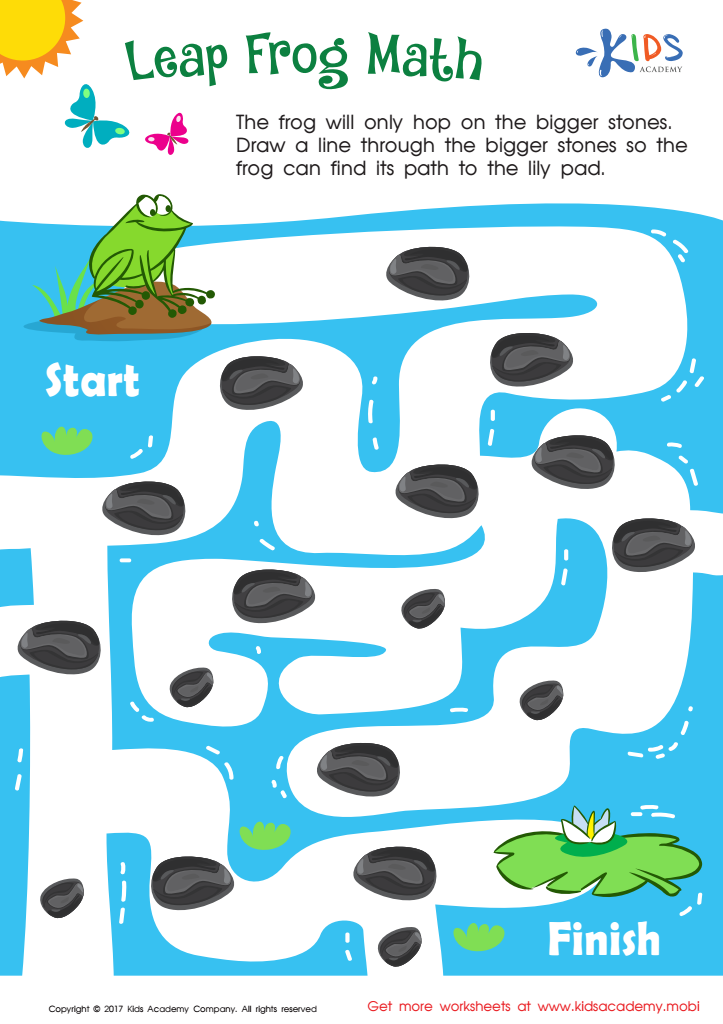
Math Puzzle Worksheet
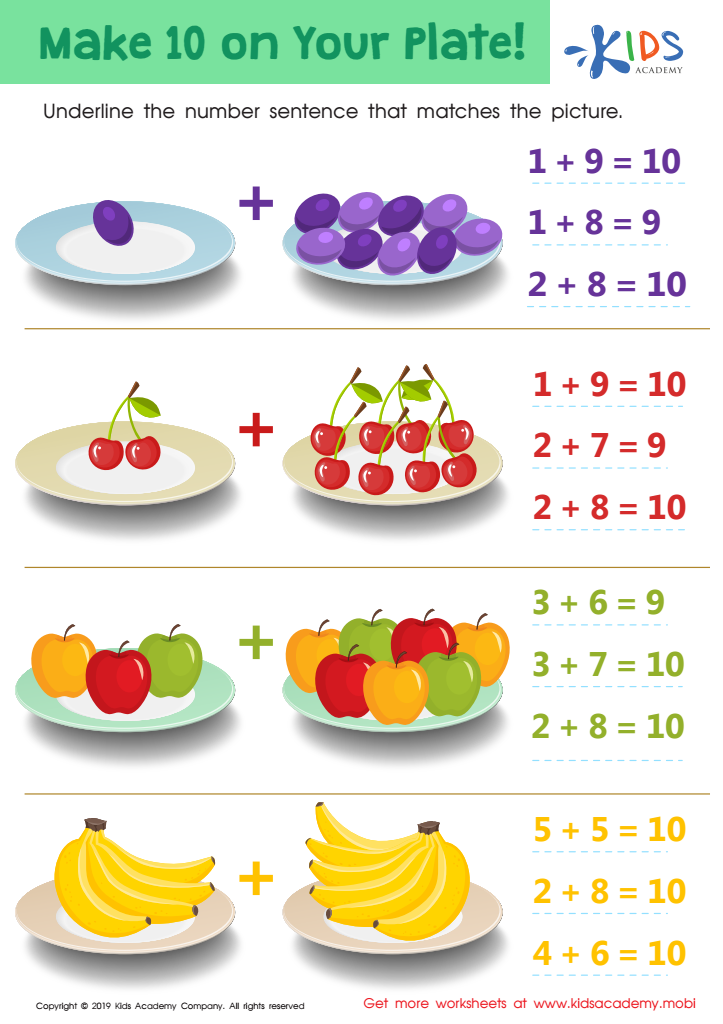
Make 10 on Your Plate! Worksheet
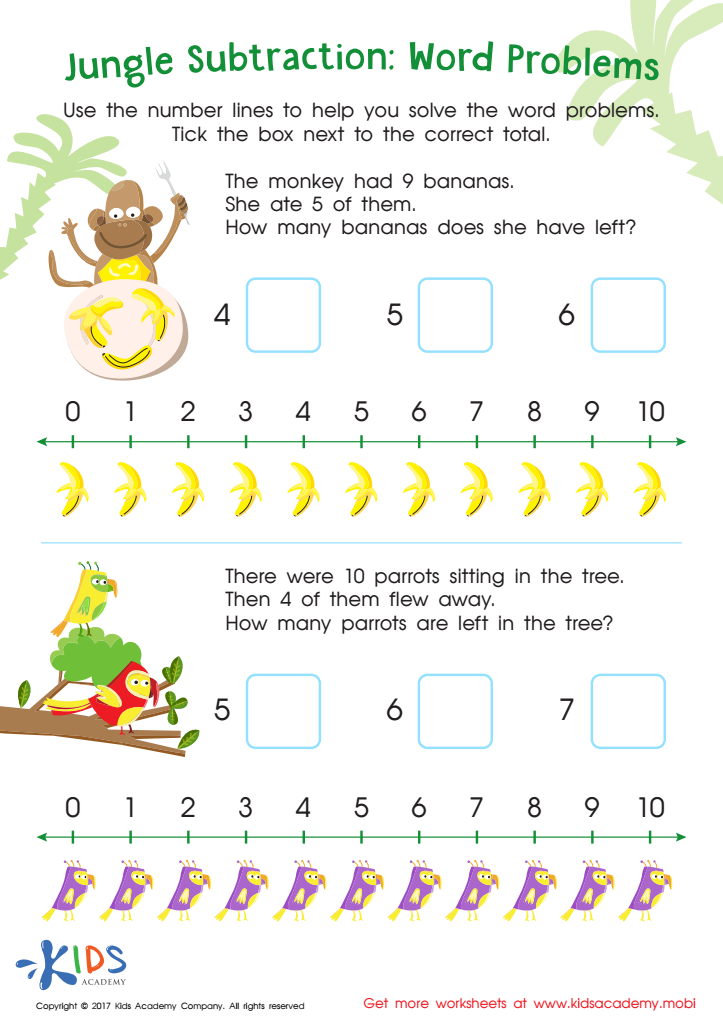
Jungle Subtraction Word Problems Substraction Worksheet





Mathematical reasoning is crucial for young children, and offering extra challenges for ages 3-5 can significantly benefit their cognitive and social development. At this formative stage, children are naturally curious and eager to explore the world around them. By introducing them to mathematical reasoning challenges, parents and teachers help nurture a solid foundation for lifelong learning.
Firstly, early exposure to mathematical reasoning enhances critical thinking skills. When children are presented with puzzles, patterns, and problem-solving activities, they learn to analyze situations, make predictions, and devise solutions. These skills are not only essential for mathematics but are transferable to all areas of learning and daily life.
Secondly, engaging with mathematical challenges promotes a positive attitude toward learning. Fun and age-appropriate math activities can spark curiosity and enjoyment, reducing math anxiety and building confidence. Children who develop a positive relationship with math early on are more likely to embrace complex math tasks as they grow older.
Lastly, these activities support the development of fine motor skills and social development. Tasks like sorting shapes, counting objects, or collaborating on a math game allow children to practice hand-eye coordination and learn to work as part of a team.
In summary, prioritizing mathematical reasoning challenges for young children provides them with critical thinking skills, fosters a love for learning, and supports overall developmental milestones.








