Observational skills Extra Challenge Worksheets for Ages 3-5
3 filtered results
-
From - To
Enhance your child's observational skills with our Extra Challenge Worksheets designed for ages 3-5! These engaging worksheets promote critical thinking and attention to detail through fun, age-appropriate activities. Kids will identify differences, sort objects, and complete visual puzzles, all while developing their ability to observe and interpret their surroundings. Perfect for home or classroom use, these worksheets help foster essential cognitive skills that lay the groundwork for future learning. Encourage your little learners to explore and discover the world around them! Dive into our thoughtfully crafted resources and watch their observational prowess flourish. Start building bright futures today!
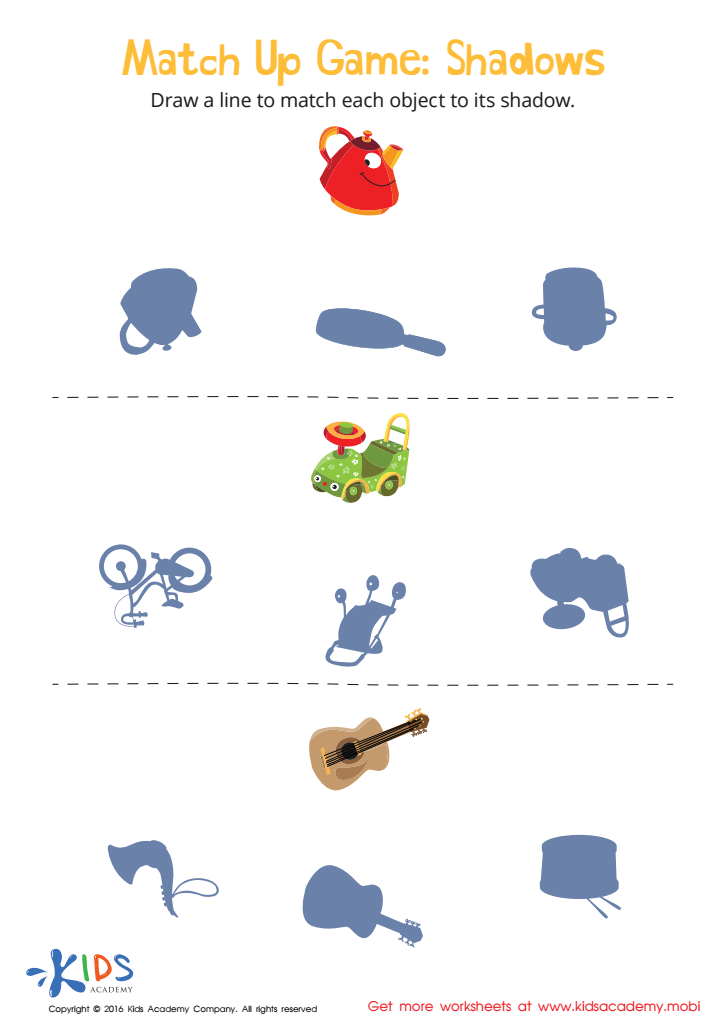
 Assign to My Students
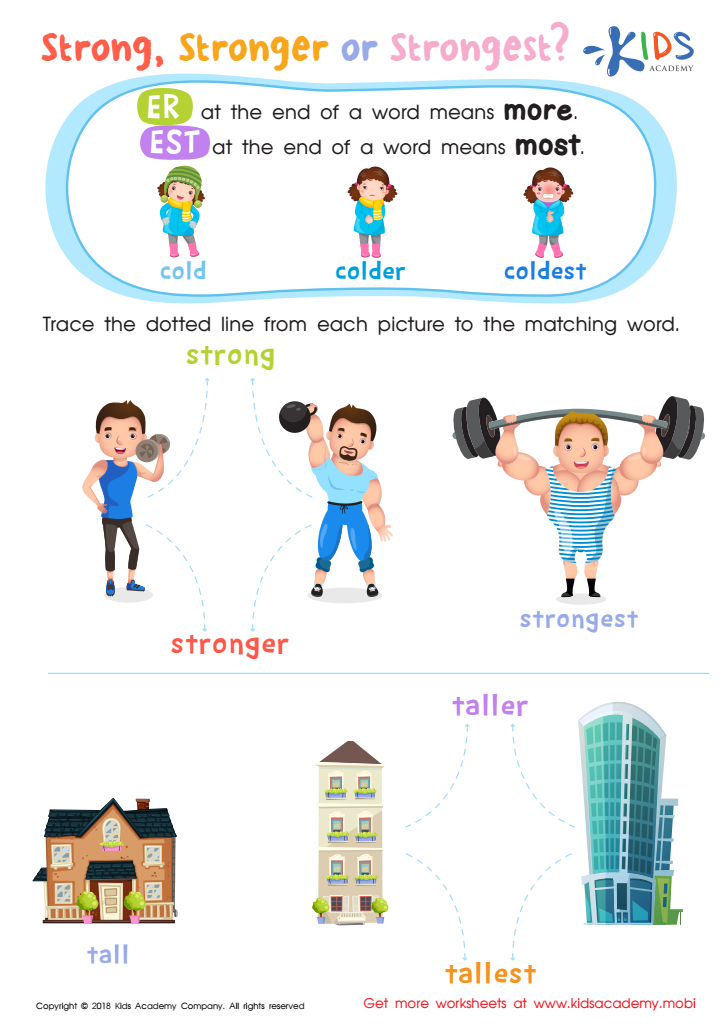
Strong or Stronger? Worksheet
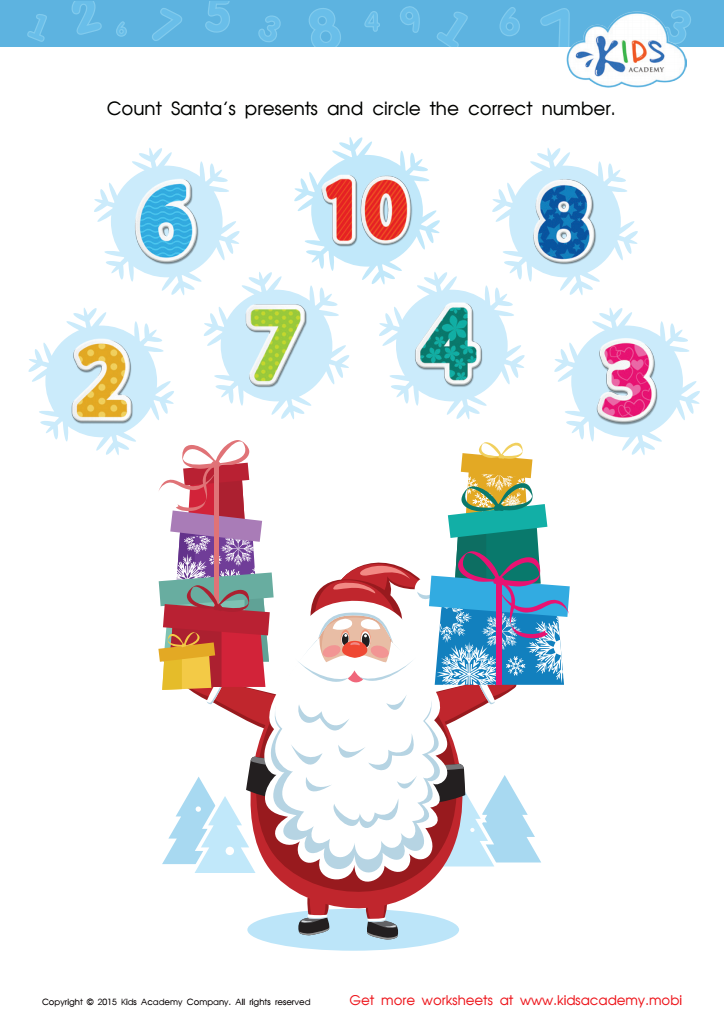
Count Santa's Presents Worksheet







Observational skills are crucial for the developmental growth of children aged 3-5. These skills enable them to notice details in their environment, such as colors, shapes, patterns, and movements, which serves as the foundation for critical thinking and problem-solving. By focusing on enhancing observational skills, parents and teachers can significantly contribute to the cognitive development of young learners.
Firstly, strengthening observational abilities encourages curiosity. When children learn to observe closely, they become more inquisitive, asking questions that lead to deeper understanding and exploration of their surroundings. Secondly, enhanced observational skills pave the way for better social interactions. Children who are keen observers can better understand non-verbal cues, such as facial expressions and body language, fostering empathy and improved communication with peers.
Furthermore, these skills play a foundational role in literacy and numeracy. For instance, recognizing patterns through observation translates into recognizing letters and numbers, promoting early reading and math skills. Encouraging observational challenges can make learning dynamic and engaging, reinforcing a positive attitude towards education. In summary, prioritizing observational skills pivotal for children not only enhances their learning journey but also prepares them for future academic success and social well-being.








