Fine Motor Skills Extra Challenge Geometry Worksheets for Ages 3-5
3 filtered results
-
From - To
Discover our "Fine Motor Skills Extra Challenge Geometry Worksheets for Ages 3-5," meticulously designed to simultaneously enhance fine motor skills and introduce basic geometric concepts. Tailored for young learners, these engaging worksheets help children master shapes, patterns, and spatial awareness while offering extra challenges to keep them motivated. Activities like tracing, coloring, and cutting shapes foster hand-eye coordination and precision. Perfect for at-home learning or classroom enrichment, these printables ensure a fun, educational experience that supports the development of crucial early learning skills, setting the foundation for future academic success.
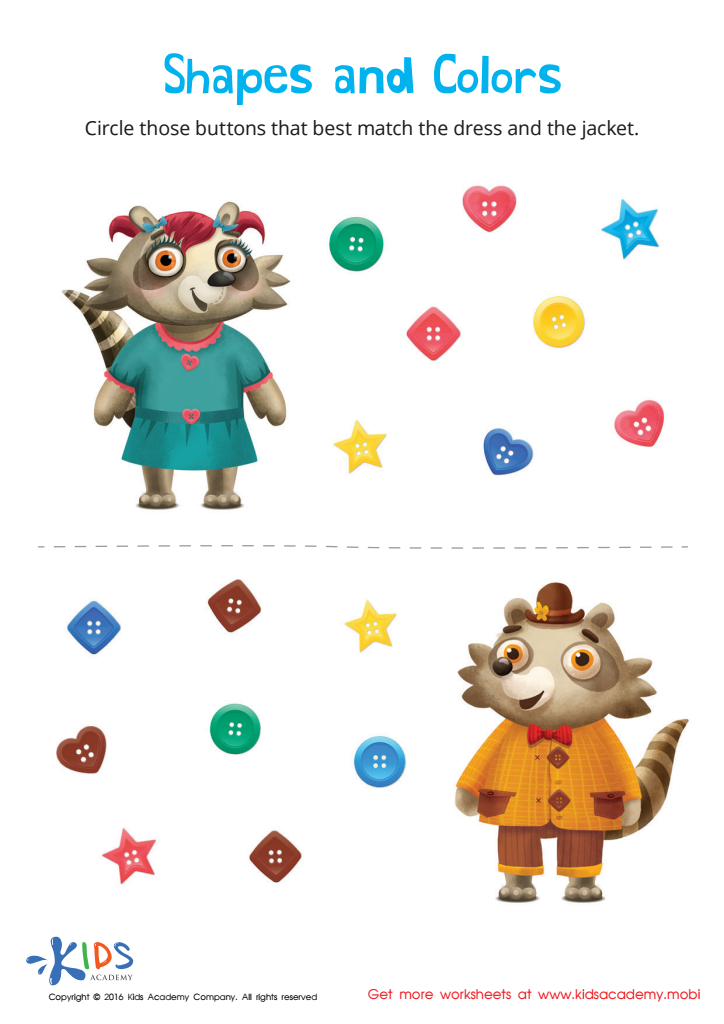
Matching: Shapes and Colors Worksheet
 Assign to My Students











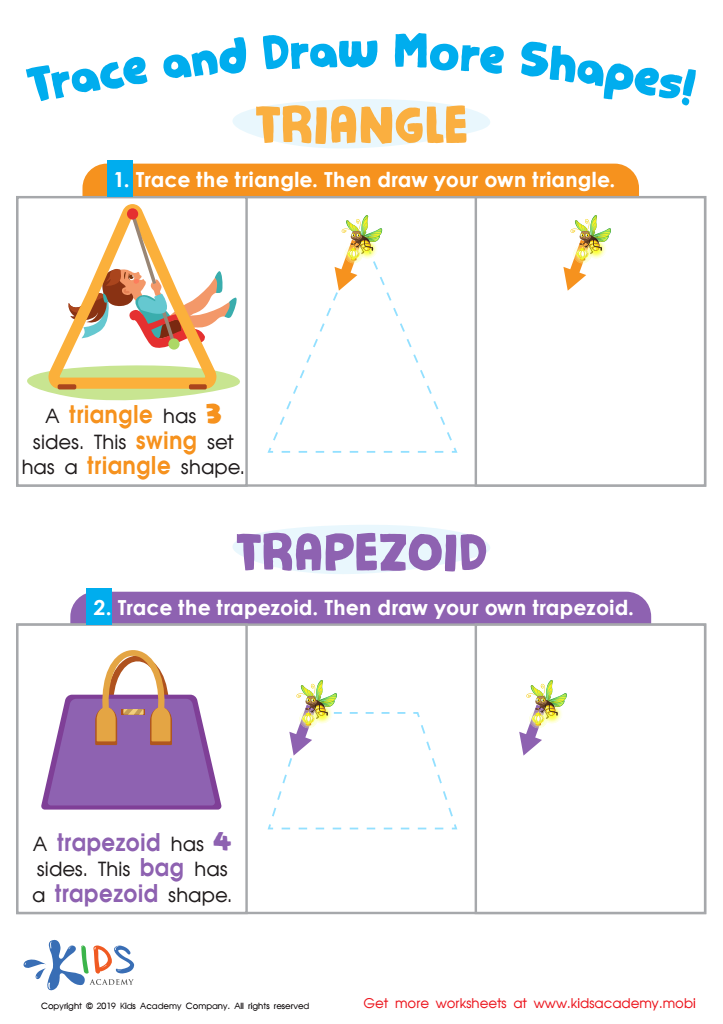
Trace and Draw More Shapes Worksheet
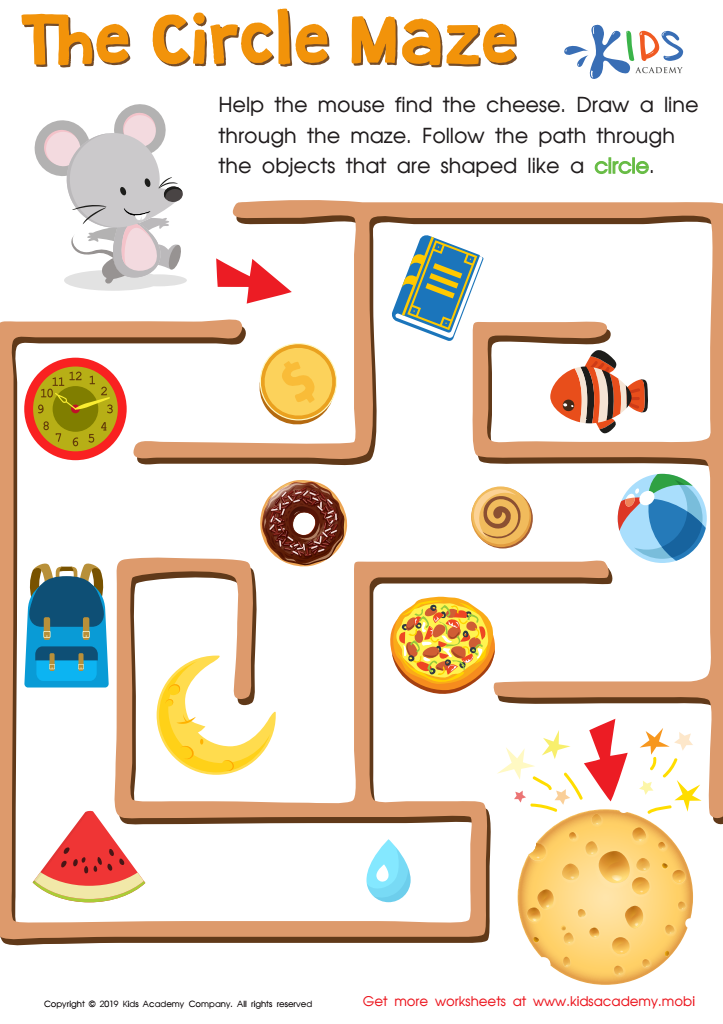
The Circle Maze Worksheet








Fine motor skills are crucial in early childhood development, particularly for children ages 3-5, as they lay the foundation for a myriad of essential abilities, both in educational settings and daily life. The inclusion of extra challenges, such as geometry-focused activities, offers significant benefits. These tasks encourage children to hone their precision, hand-eye coordination, and dexterity through engaging, playful exercises.
For parents and teachers, fine motor skills' focus on solid grip, hand strength, and finger agility is directly linked to future academic success. As children manipulate geometric shapes, they not only enhance their motor skills but also foster critical cognitive skills. Identifying, comparing, and manipulating different shapes helps in understanding spatial relationships and develops early math skills, preparing them for more complex mathematical concepts encountered later in school.
Moreover, developing fine motor skills through geometry activities nurtures patience, focus, and the ability to follow multi-step instructions, which are invaluable across all areas of learning. Practical life benefits are equally significant; tasks such as writing, buttoning clothes, and using utensils become more manageable.
In conclusion, integrating Fine Motor Skills Extra Challenge Geometry activities for young children equips them with essential skills that prevent future learning difficulties and enhance both academic achievements and daily functional abilities.








