Hand-eye Coordination Extra Challenge Math Worksheets for Ages 3-5
7 filtered results
-
From - To
Welcome to our "Hand-eye Coordination Extra Challenge Math Worksheets" page for ages 3-5! These engaging worksheets are designed to enhance your child's hand-eye coordination while reinforcing essential math skills. Each activity provides a fun, interactive way for young learners to connect movement with math concepts, fostering both physical and cognitive development. From number tracing to shape drawing, these challenges will captivate your little ones, making learning enjoyable and effective. Encourage exploration and creativity as your child develops confidence in their abilities. Perfect for parents and educators looking to make math an exciting adventure, our worksheets are a valuable addition to any learning toolkit!
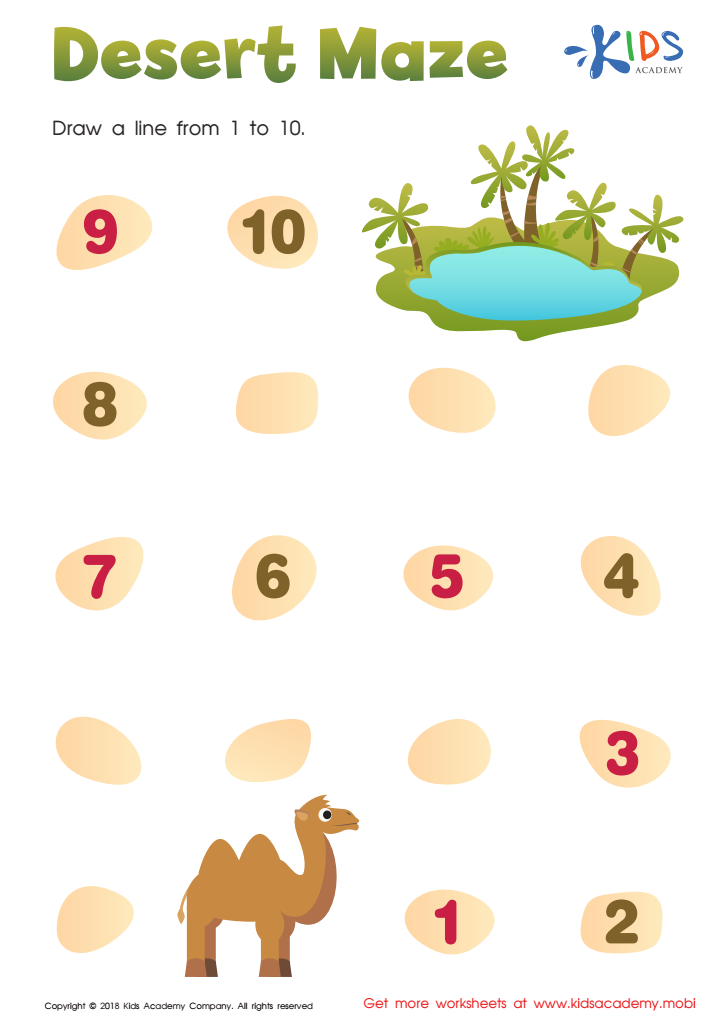
Desert Maze Worksheet
 Assign to My Students
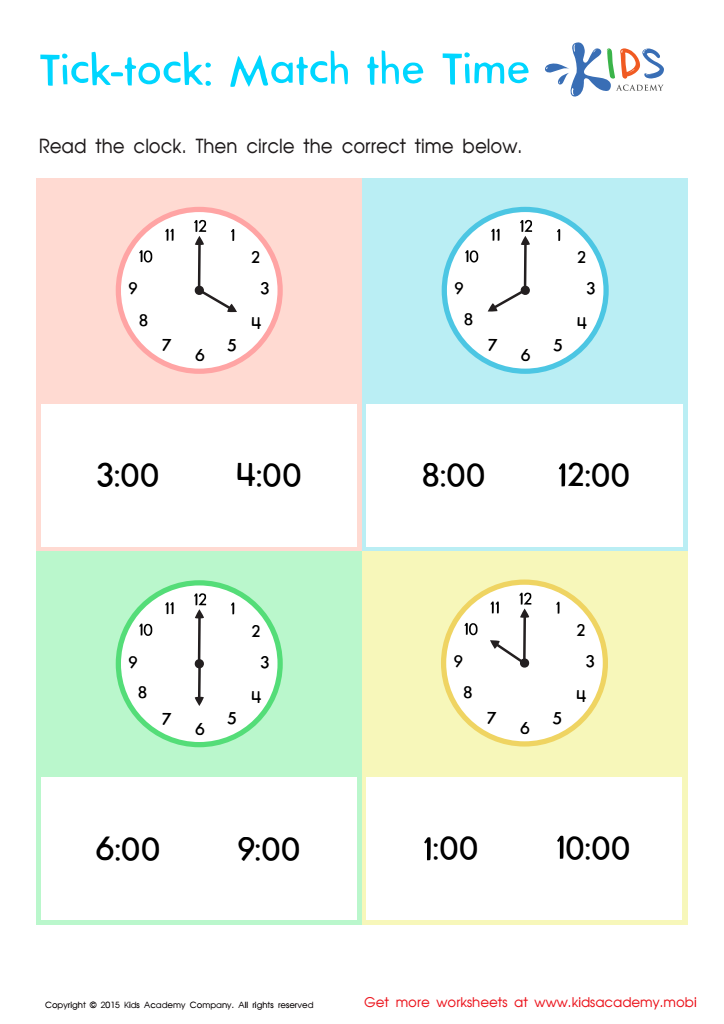
Telling The Time Worksheet: Part 4
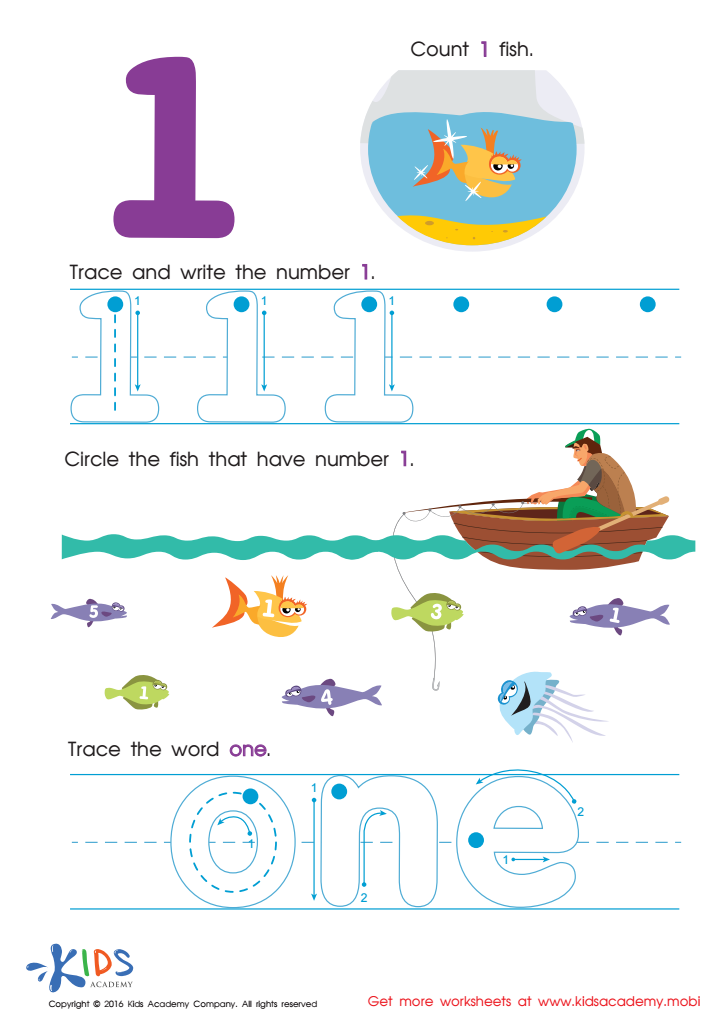
Learning to Write 1 Worksheet
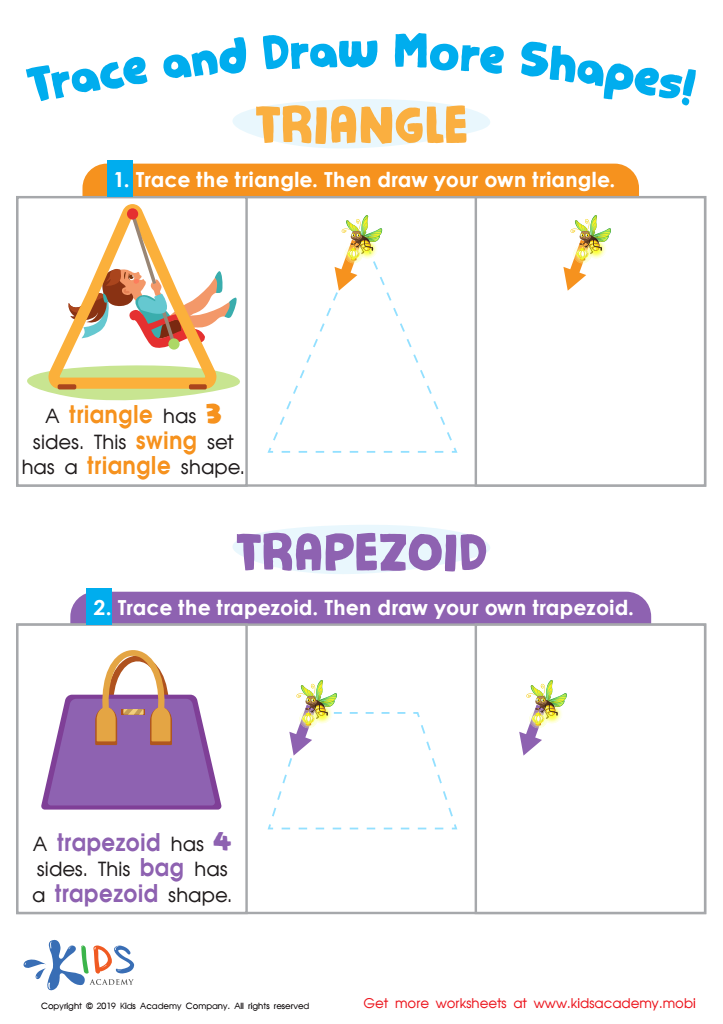
Trace and Draw More Shapes Worksheet
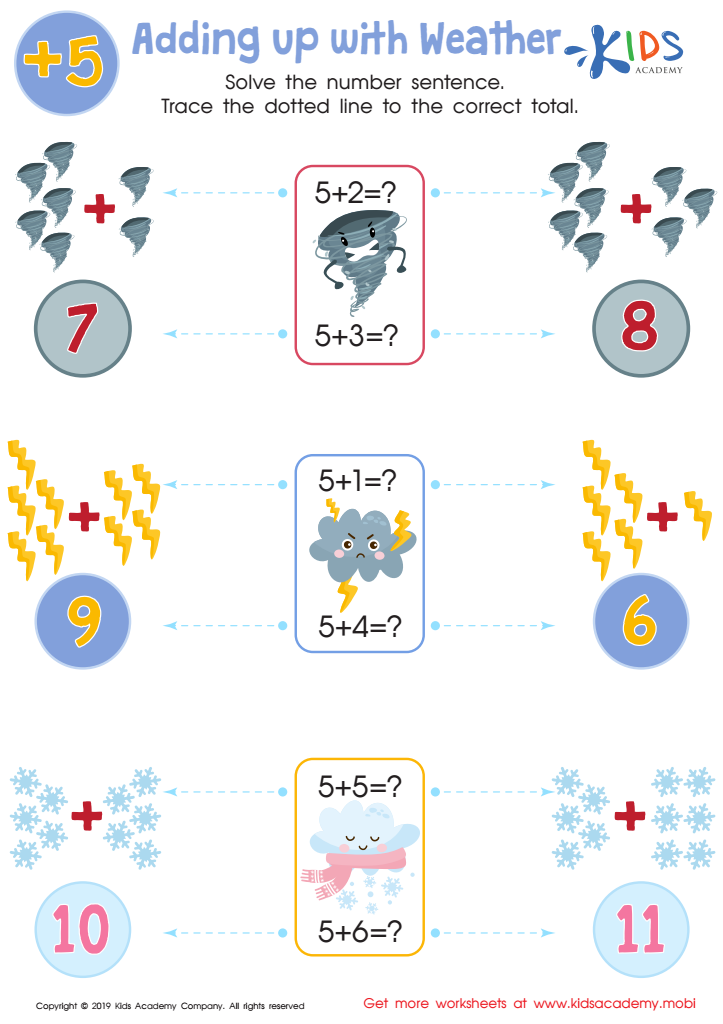
Adding up With Water Worksheet
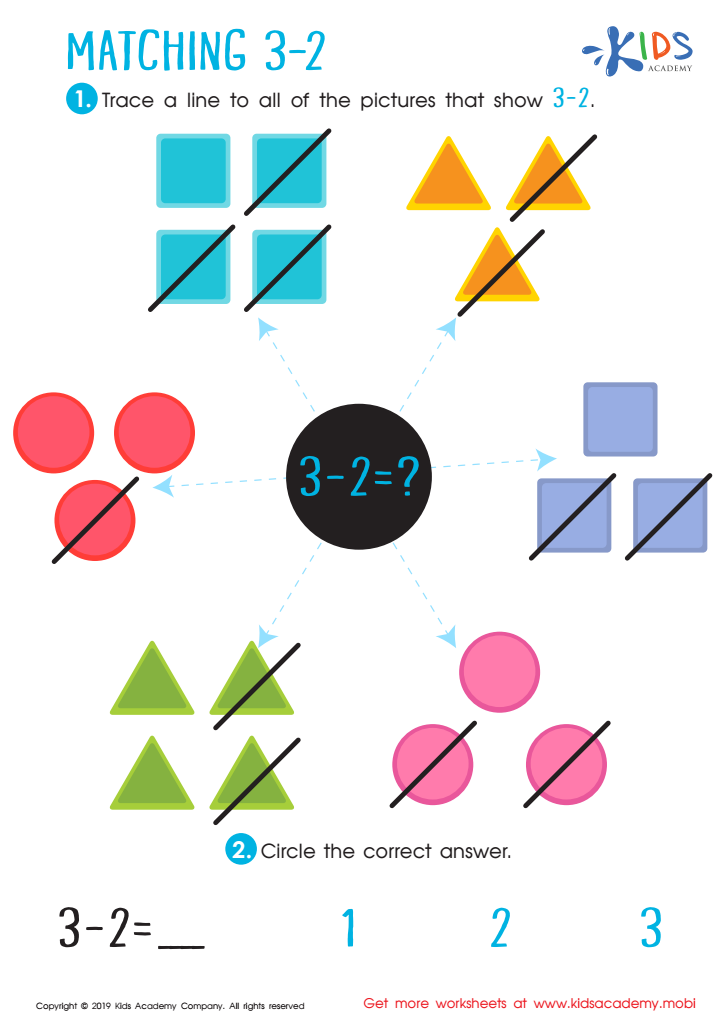
Matching 3-2 Worksheet
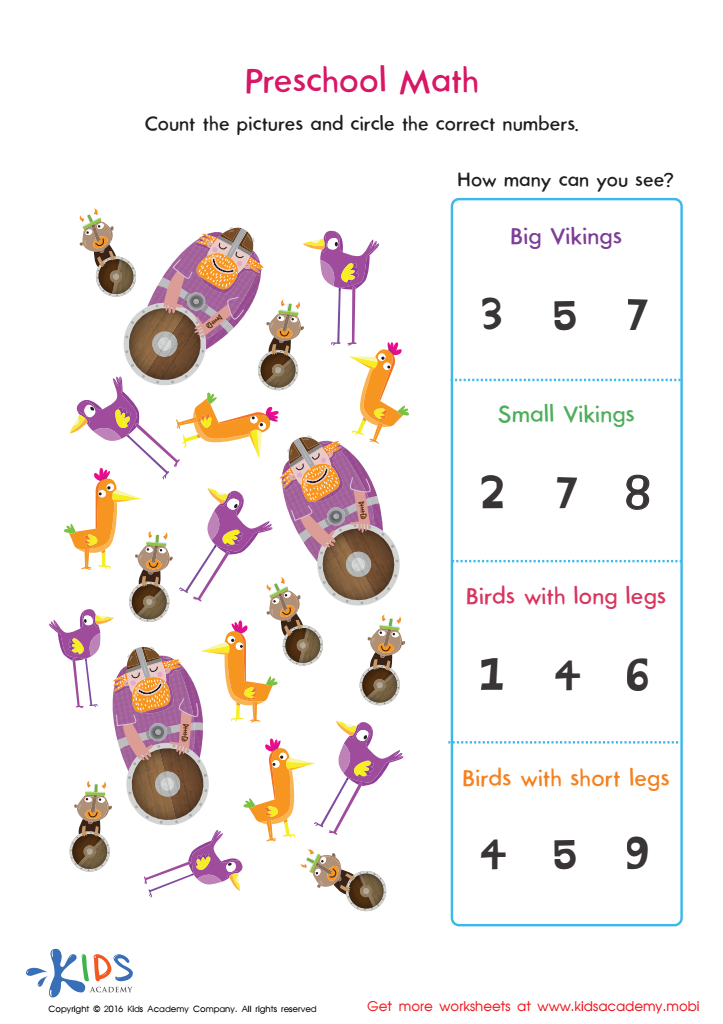



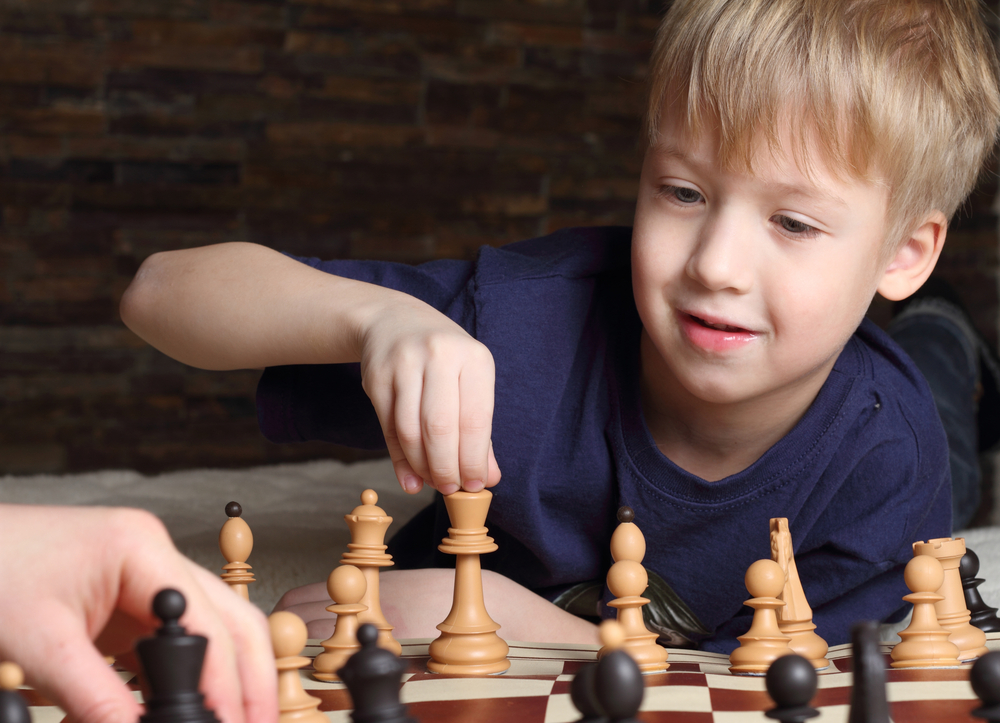

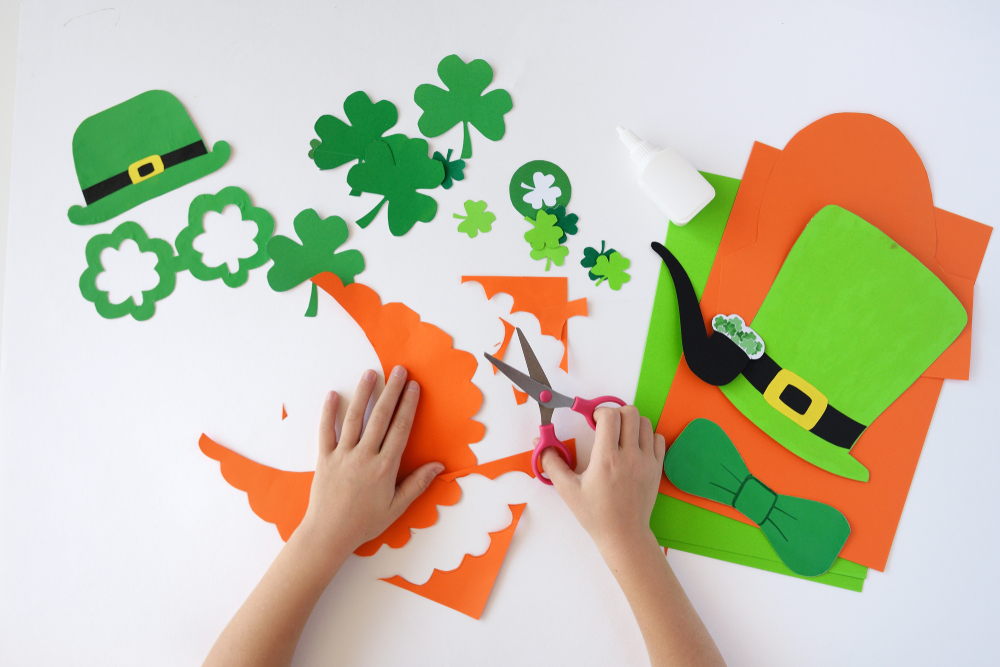


Hand-eye coordination is a vital skill for early childhood development, influencing not only physical coordination but also cognitive abilities essential for learning, particularly in math. The Hand-eye Coordination Extra Challenge Math activities are specifically designed for children ages 3-5 to promote these skills while embedding foundational math concepts.
Parents and teachers should care about this program because it offers an engaging way for young learners to develop crucial motor skills. When children manipulate objects, such as counting blocks or following paths on a worksheet, they enhance their spatial awareness and dexterity, which directly supports their ability to problem-solve in math. Moreover, incorporating fun, hands-on activities makes learning enjoyable, fostering a positive attitude toward education.
Supporting fine motor skills through guided activities helps children improve their concentration and focus, particularly during key early learning stages. Additionally, reinforcing these skills through math-related challenges allows children to explore patterns, counting, and simple arithmetic, building a solid foundation for future academic success. By challenging young minds, parents and teachers can ignite curiosity, encourage perseverance, and provide the critical tools that will serve children throughout their educational journey and beyond.