Critical Thinking Extra Challenge Reading Worksheets for Ages 3-5
6 filtered results
-
From - To
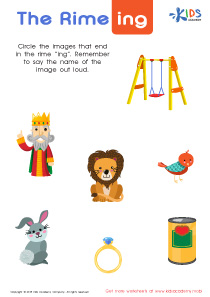
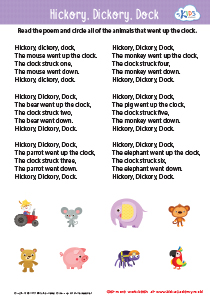
Introducing our "Critical Thinking Extra Challenge Reading Worksheets for Ages 3-5"! These engaging worksheets are designed to cultivate critical thinking skills in young readers through fun and interactive activities. Designed to spark curiosity, these challenges encourage preschoolers to analyze, evaluate, and identify patterns while enhancing their comprehension and vocabulary. With vibrant illustrations and age-appropriate content, each worksheet fosters imagination and creativity, making learning enjoyable. Perfect for parents and educators who want to challenge advanced learners, these critical thinking exercises will help build a strong foundation in reading, empowering children to think independently and confidently. Download now and inspire young minds today!
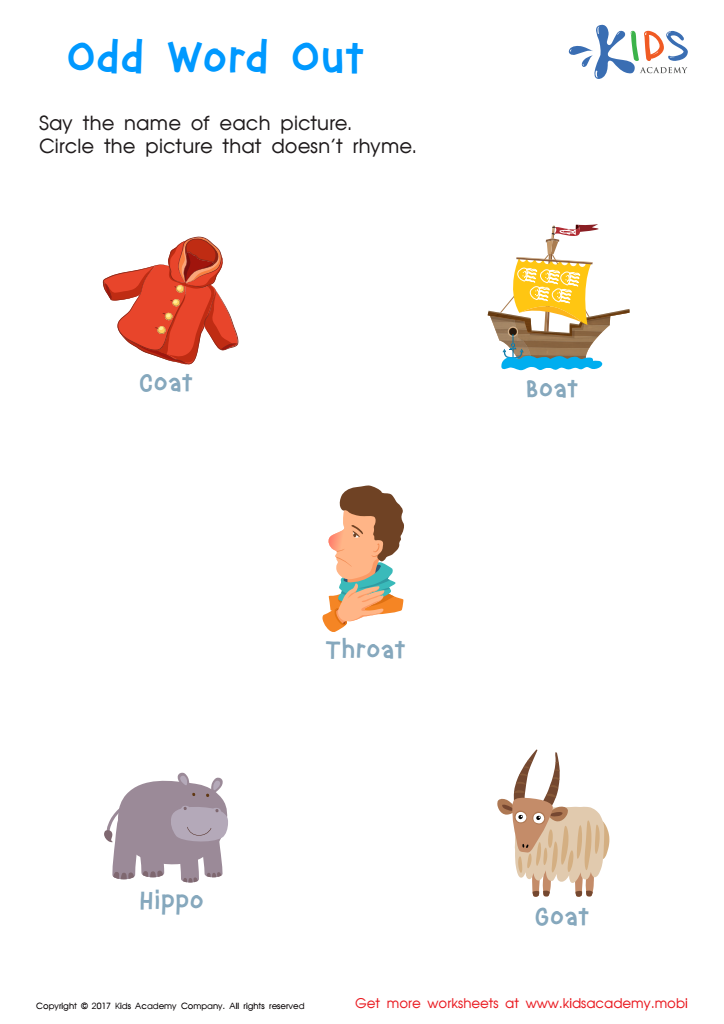
Odd Word Out Rhyming Worksheet
 Assign to My Students
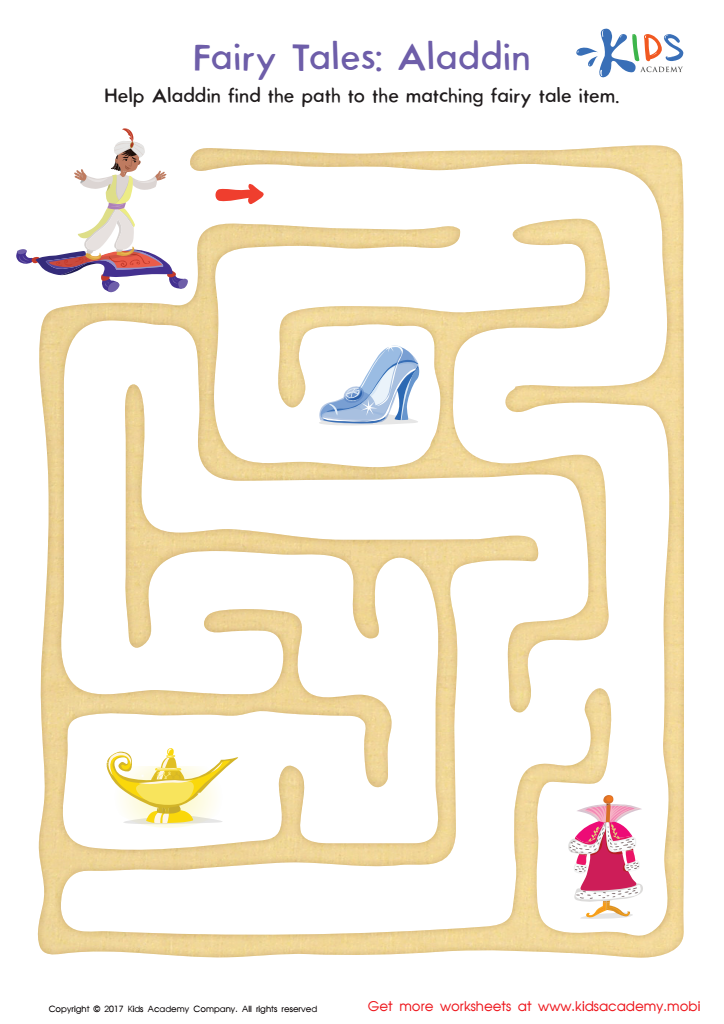
Fairy Tales Aladdin Printable
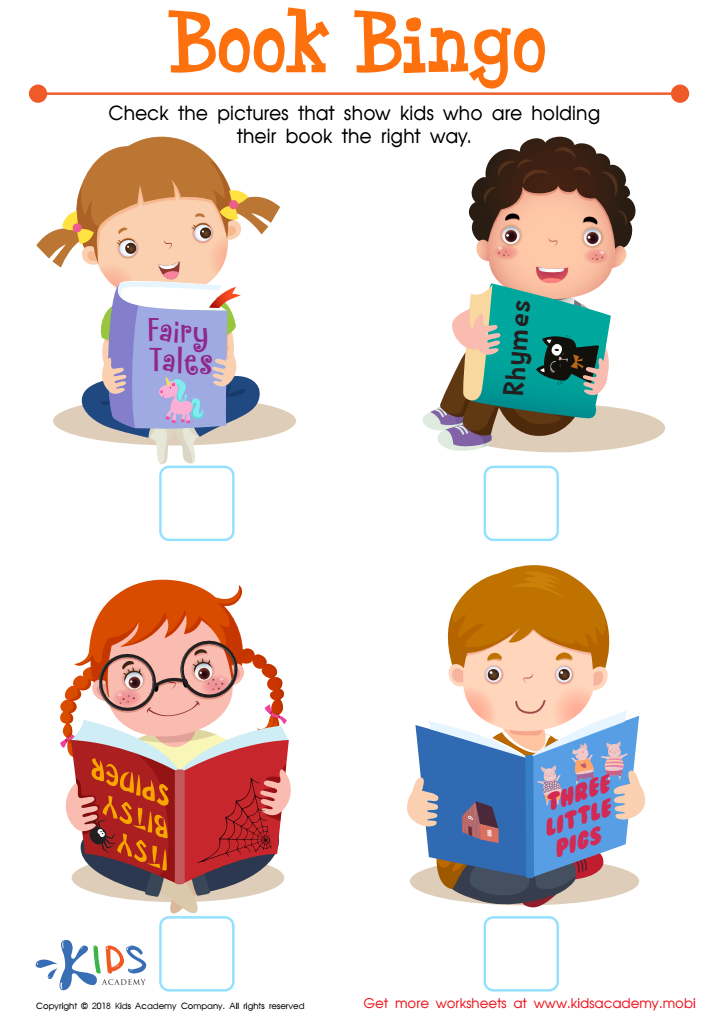
Book Bingo Worksheet
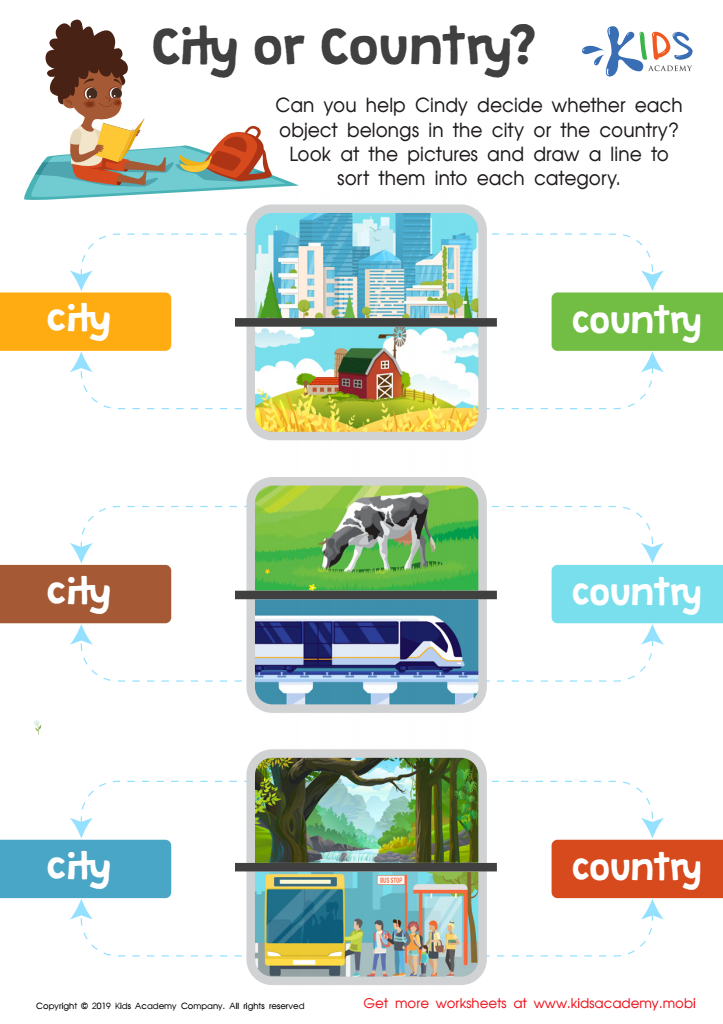
City or Country? Worksheet
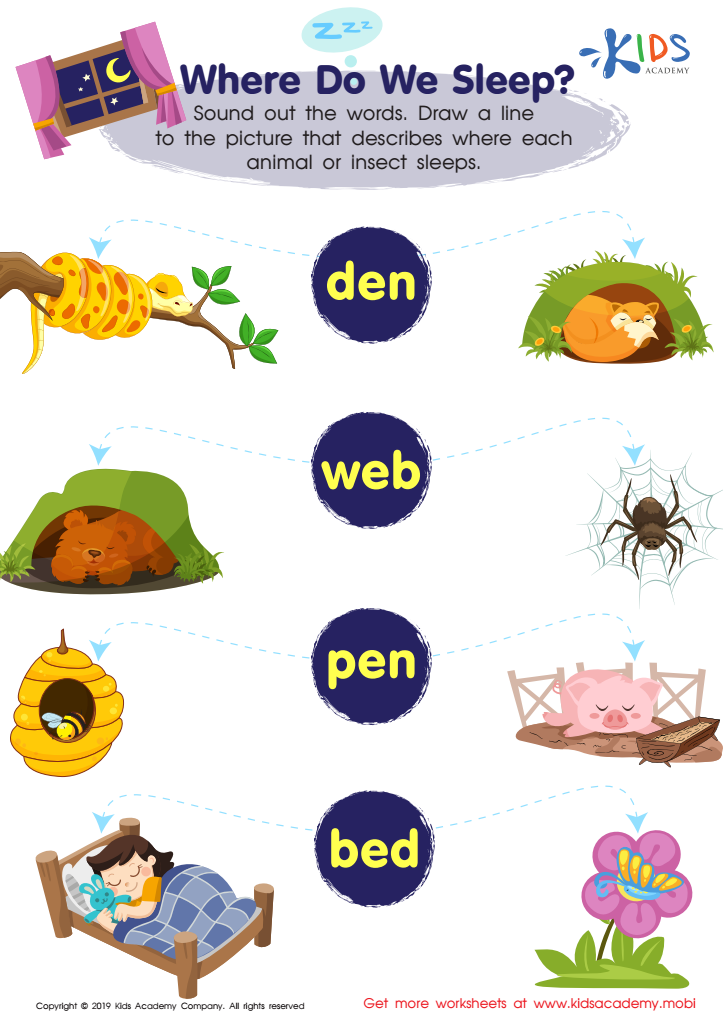
Where Do We Sleep Worksheet
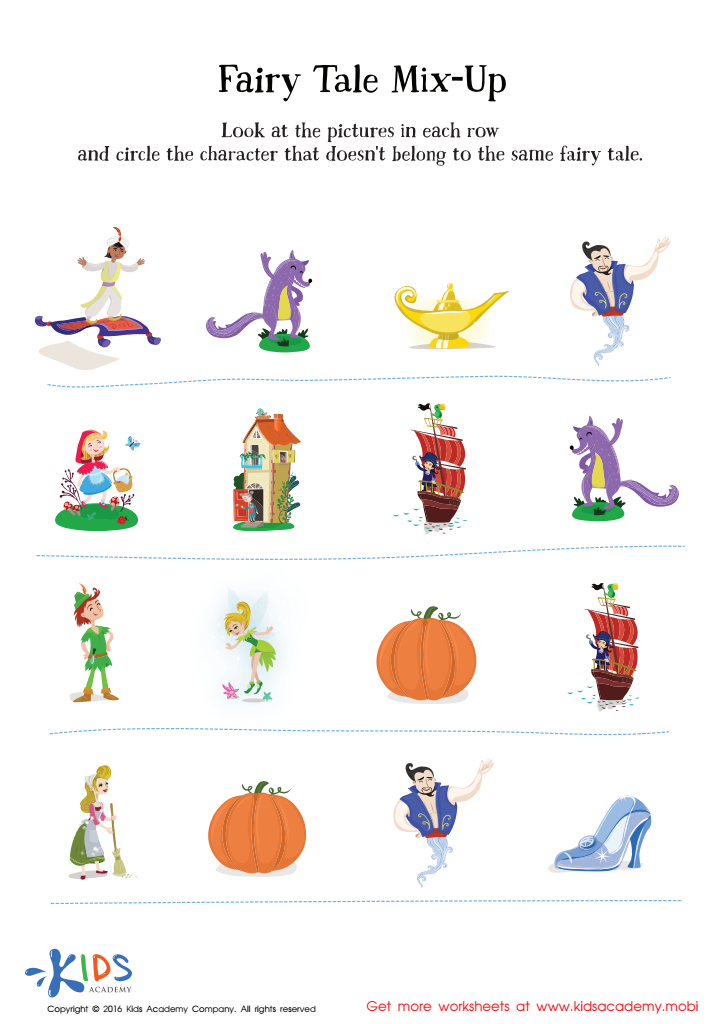
Fairy Tale Worksheet: Story Mix Up








Critical Thinking Extra Challenge Reading for Ages 3-5 is essential for fostering vital cognitive skills in young children, which lay the foundation for their future academic success and problem-solving abilities. During these formative years, children are naturally curious and eager to explore the world around them. Encouraging critical thinking through reading cultivates this curiosity, helping children learn to analyze information, make connections, and ask meaningful questions.
Engaging with literature in this manner stimulates imagination and creativity, allowing young learners to explore different perspectives and develop empathy. Additionally, critical thinking skills empower children to navigate challenges independently, enhancing their confidence and resilience. As educators and parents, providing resources that promote these skills aids in nurturing confident learners who can evaluate information critically rather than passively absorbing it.
Furthermore, early readers exposed to challenging narratives are more likely to develop advanced language skills, improving vocabulary and comprehension. By integrating Critical Thinking Extra Challenge Reading into their daily routine, parents and teachers can create a rich learning environment that prioritizes cognitive development. Ultimately, supporting critical thinking in early childhood sets a strong groundwork for lifelong learning, ensuring children are prepared for the complexities of a rapidly changing world.