Story sequencing Extra Challenge Reading Comprehension Worksheets for Ages 3-5
3 filtered results
-
From - To
Introduce your little learners to the world of reading with our "Story Sequencing Extra Challenge Reading Comprehension Worksheets for Ages 3-5"! Specially designed to enhance early reading and comprehension skills, these interactive worksheets encourage young children to organize stories logically. By sequencing events, kids develop critical thinking, improve attention to detail, and foster a deeper understanding of texts. Perfect for pre-K and kindergarten students, these activities make learning fun and engaging while laying a strong foundation for future reading success. Boost your child's reading confidence and watch their love for stories grow with our expertly crafted worksheets!
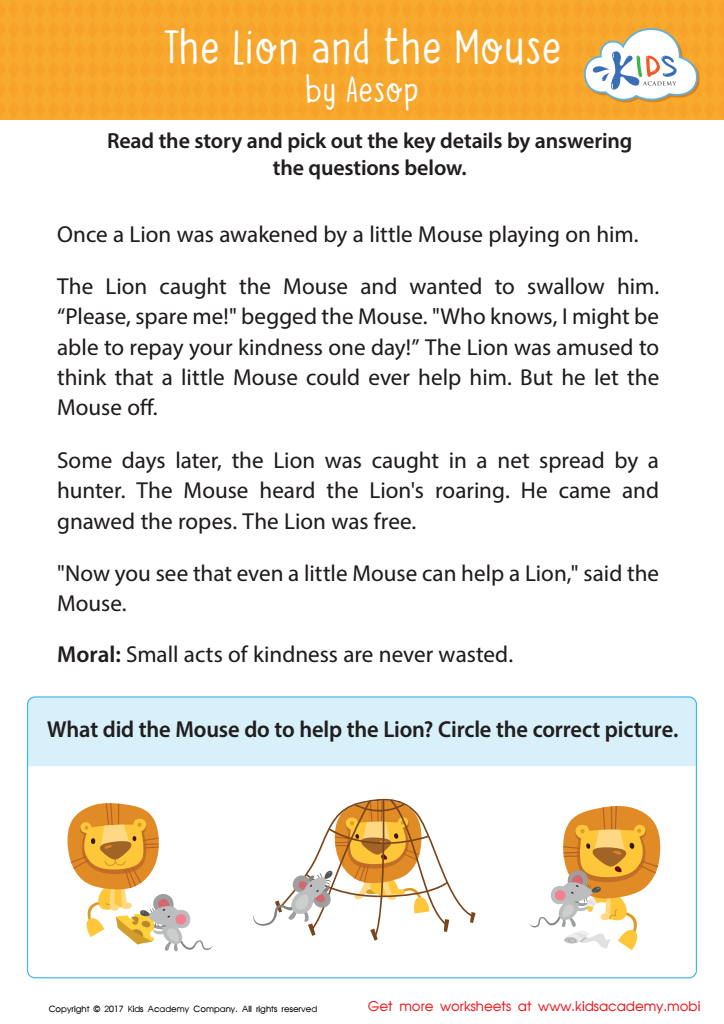
The Lion and The Mouse Sequencing Worksheet
 Assign to My Students
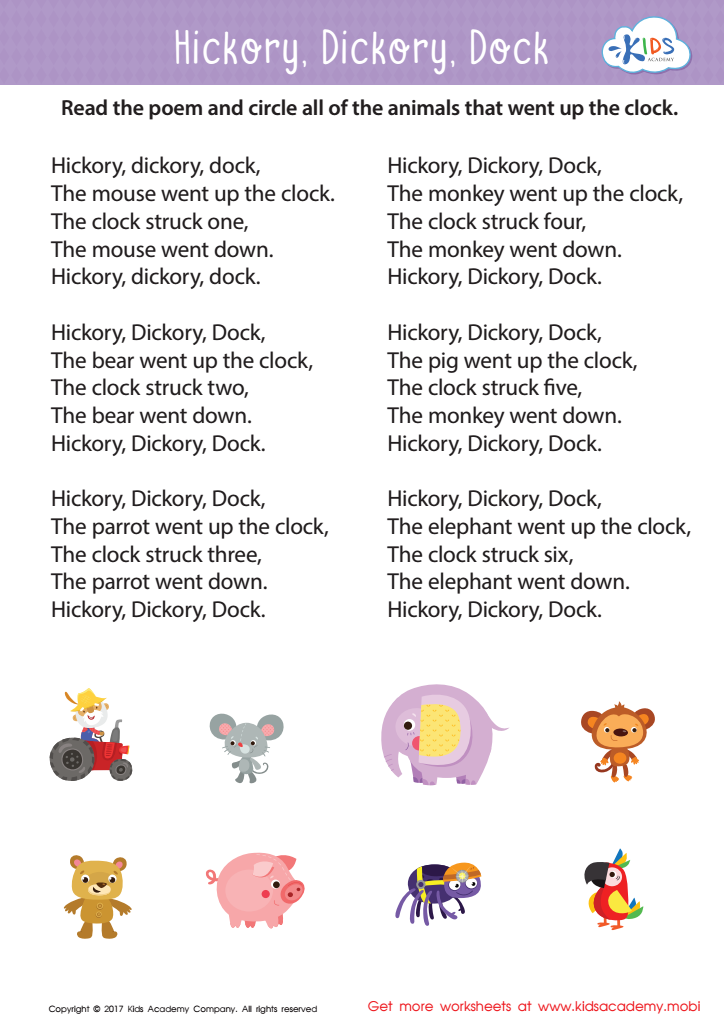
Hickory Dickory Dock Sequencing Worksheet
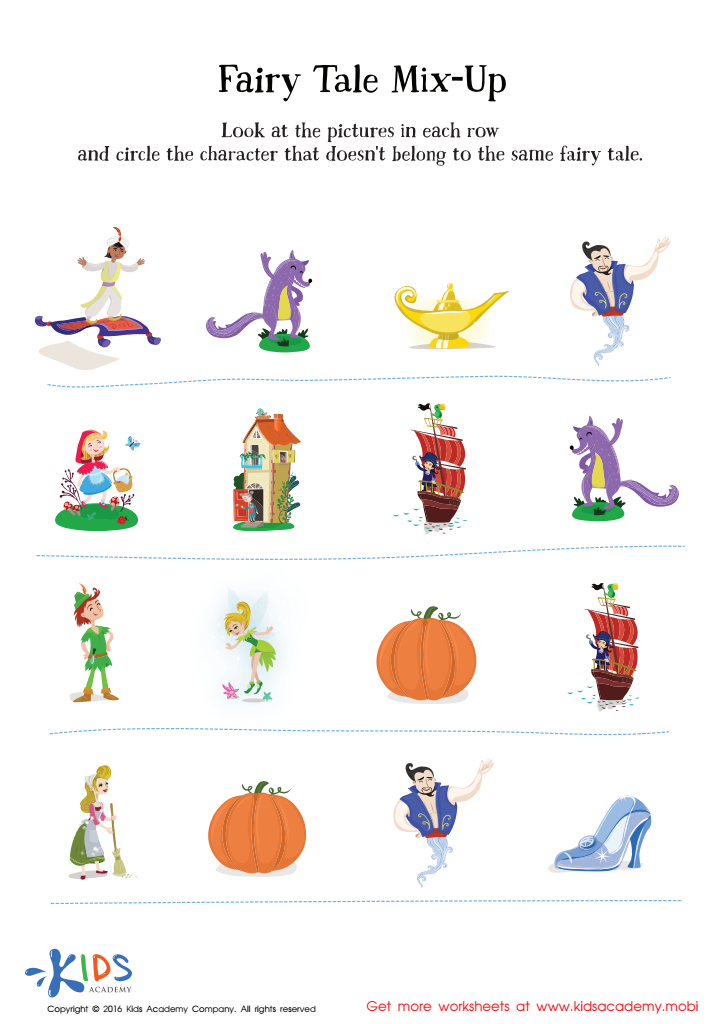
Fairy Tale Worksheet: Story Mix Up


.jpg)





Story sequencing and extra challenge reading comprehension activities for children ages 3–5 are foundational for early literacy and cognitive development. Understanding the sequence of a story—what happens first, next, and last—helps children grasp the concept of order and predictability in narratives. This fundamental skill is crucial for their ability to follow more complex texts as they progress in their reading journey.
Moreover, these activities also enhance children’s comprehension abilities, encouraging them to think about and engage deeply with the story. As they work to sequence events, youngsters improve their attention to detail, memory, and logical thinking. By breaking down a story and discussing the sequence, parents and teachers can prompt discussions about cause and effect, character motivations, and plot development.
Engaging in sequencing exercises builds fine motor skills and vocabulary as children regularly speak about and write what happens in the story. Teachers and parents who incorporate these tasks not only foster a love of reading but also give their children more confidence in expressing their thoughts and ideas, setting a solid groundwork for future academic success. Investing time in these activities primes young minds for enhanced problem-solving capabilities and a more profound understanding of the world around them, both key aspects of lifelong learning.