Alphabet Recognition Extra Challenge English for Beginners Worksheets for Ages 3-6
3 filtered results
-
From - To
Welcome to our "Alphabet Recognition Extra Challenge" worksheets, designed specifically for English beginners aged 3-6. This engaging collection of printable activities builds foundational literacy skills through fun, interactive exercises. Each worksheet focuses on letter recognition, enabling young learners to identify and write uppercase and lowercase letters. With vibrant illustrations and age-appropriate tasks, children will enjoy enhanced learning experiences that promote cognitive development and early writing proficiency. Our resources cater to diverse learning styles, making English fun and accessible. Start sparking a lifelong love for language with our extra challenge worksheets, perfect for use at home or in the classroom!
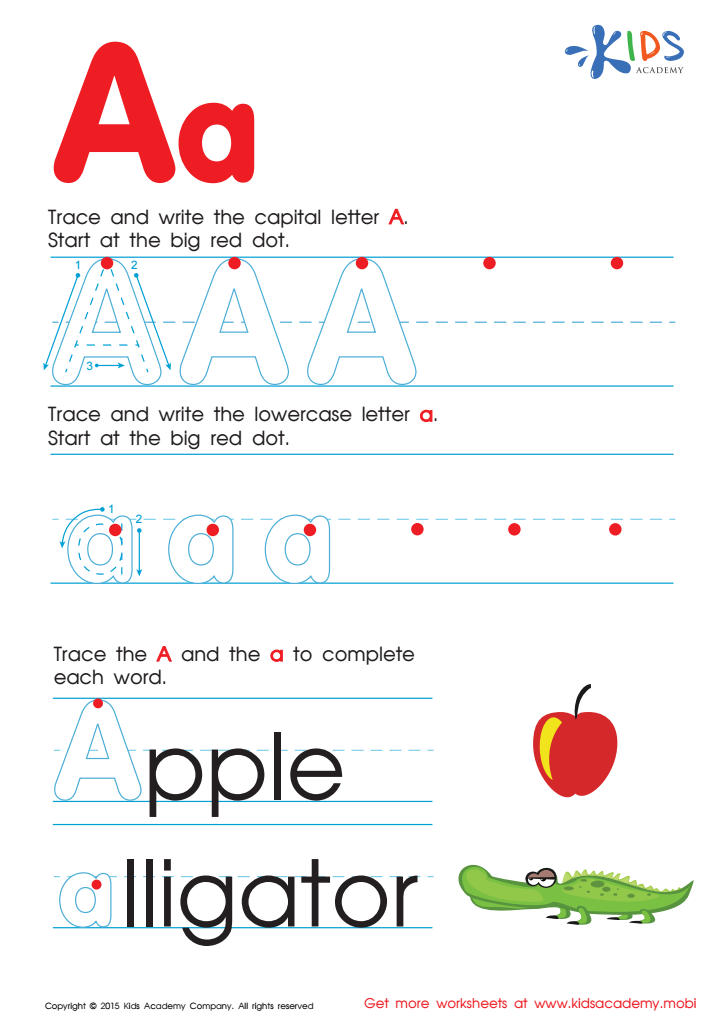
Letter A Tracing Page
 Assign to My Students
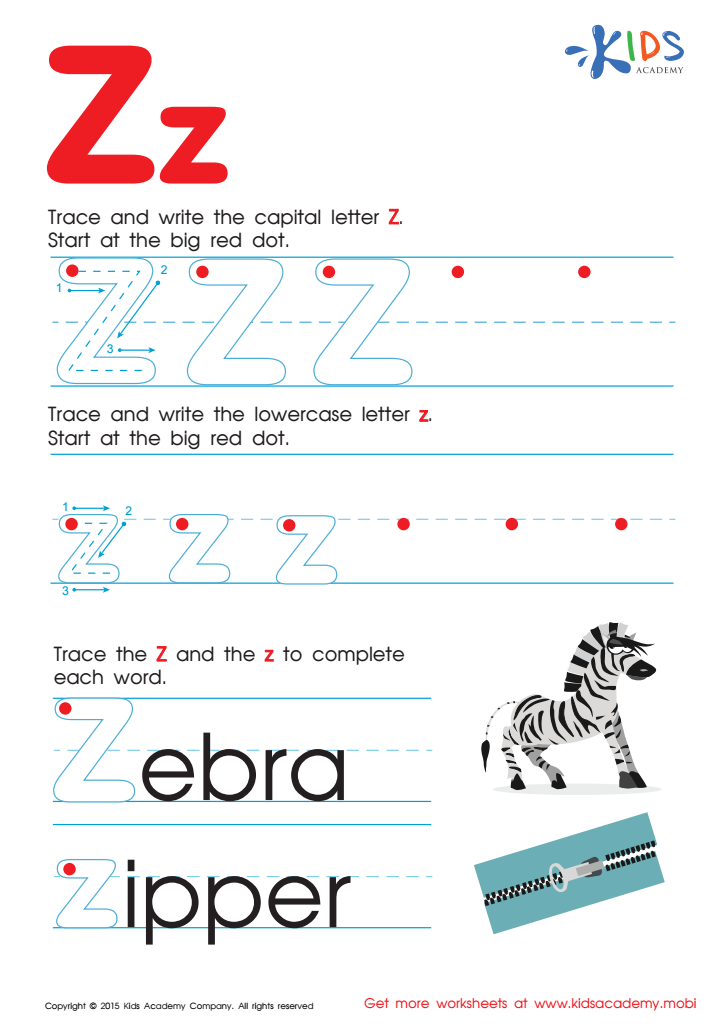
Letter Z Tracing Page
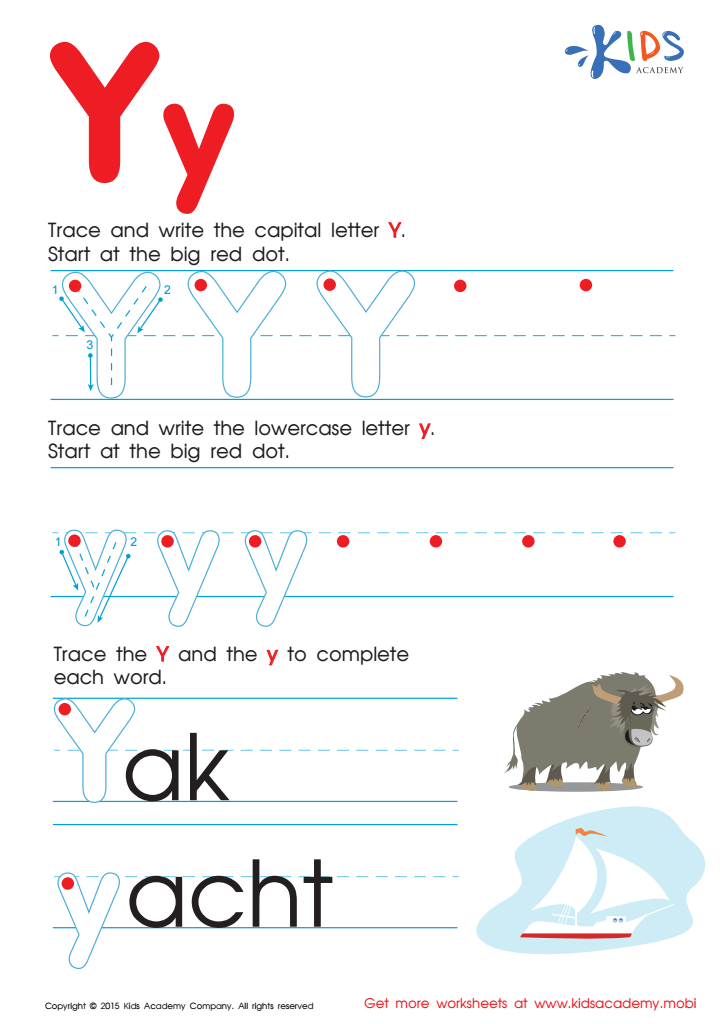
Letter Y Tracing Page





Alphabet recognition is a foundational skill for early literacy, making programs like "Alphabet Recognition Extra Challenge English for Beginners for Ages 3-6" vital for young learners. This engaging program supports children in identifying letters, understanding their sounds, and forming the basis for reading and writing. When parents and teachers prioritize alphabet recognition, they are investing in a child’s future academic success.
Developing alphabet knowledge at an early age enhances vocabulary and encourages literacy skills that extend far beyond the classroom. The program is designed to be interactive and fun, fostering a positive learning environment where children feel comfortable exploring language. Engaging activities keep children motivated, turning potentially challenging learning moments into enjoyable experiences.
Moreover, this program caters to diverse learning styles, supporting not just visual and auditory learners but also kinesthetic learners through hands-on activities. For parents and teachers, utilizing established resources such as this allows for a structured approach while also providing the flexibility to cater lessons to individual children's needs.
In summary, by focusing on alphabet recognition through targeted programs like this one, parents and teachers can lay a strong educational foundation that promotes a lifelong love of reading and engages young learners in their educational journey.








