Letter recognition Extra Challenge English for Beginners Worksheets for Ages 3-6
7 filtered results
-
From - To
Our "Letter Recognition Extra Challenge English for Beginners Worksheets" are specially designed for children ages 3-6. These engaging and fun worksheets help young learners recognize and understand letters, an essential foundation for reading and writing. Each activity presents an extra challenge, improving cognitive skills through fun exercises that captivate children's interest. Ideal for young beginners, these worksheets employ playful learning techniques that foster a love for the English language while enhancing fine motor skills and letter familiarity. Unlock your child’s potential and make learning letters an exciting adventure with our expertly crafted worksheets designed for early learners.
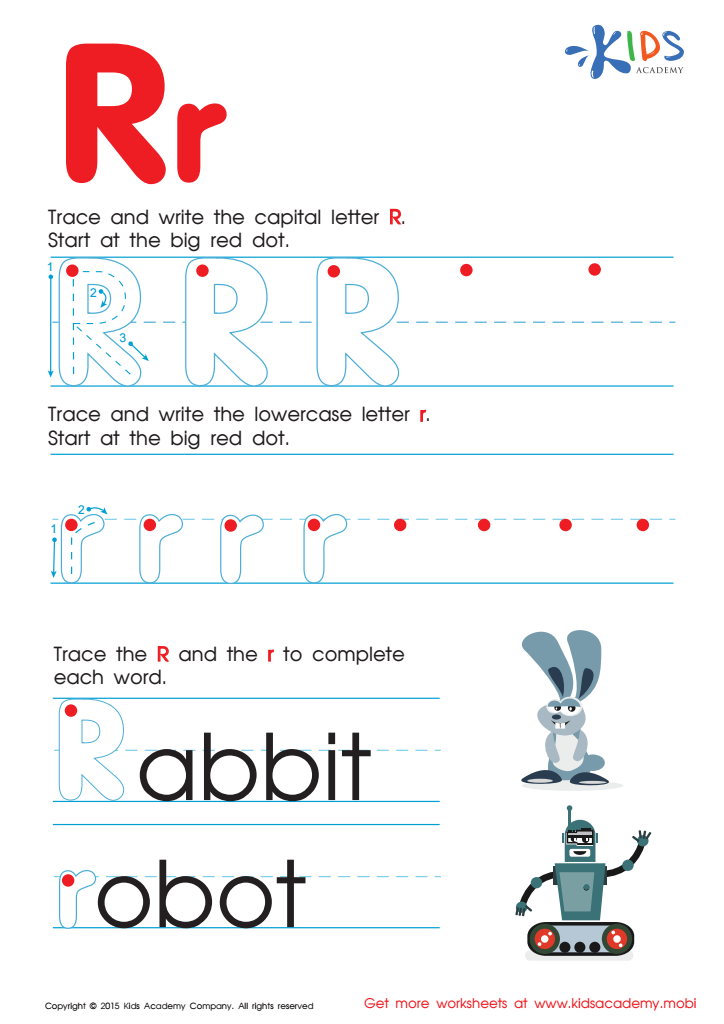
Letter R Tracing Page
 Assign to My Students
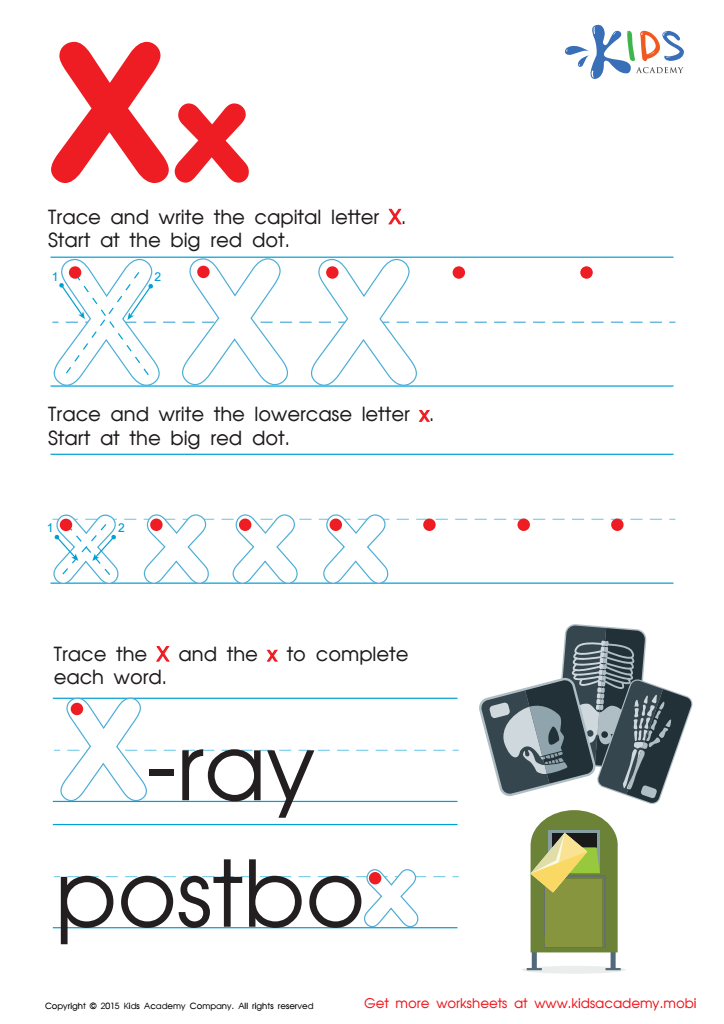
Letter X Tracing Page
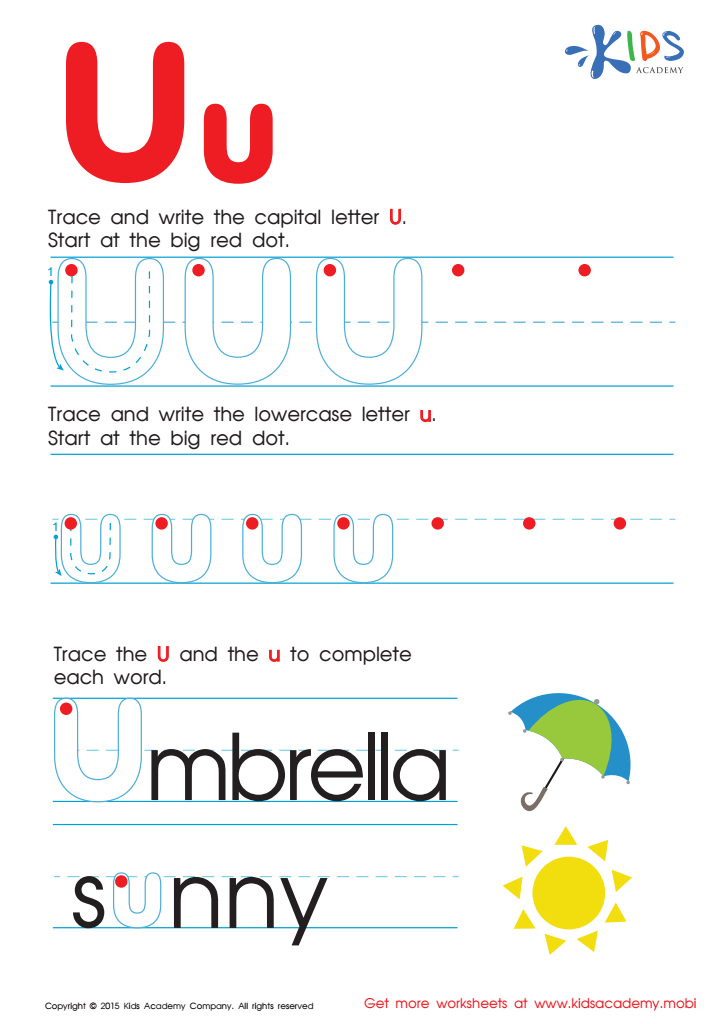
Letter U Tracing Page
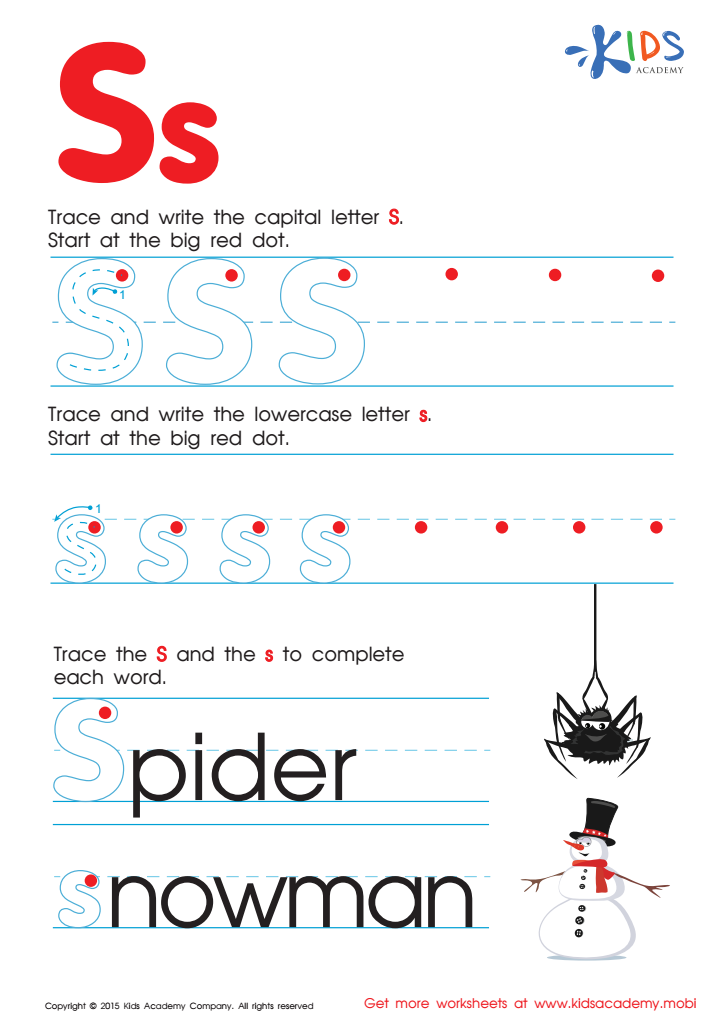
Letter S Tracing Page
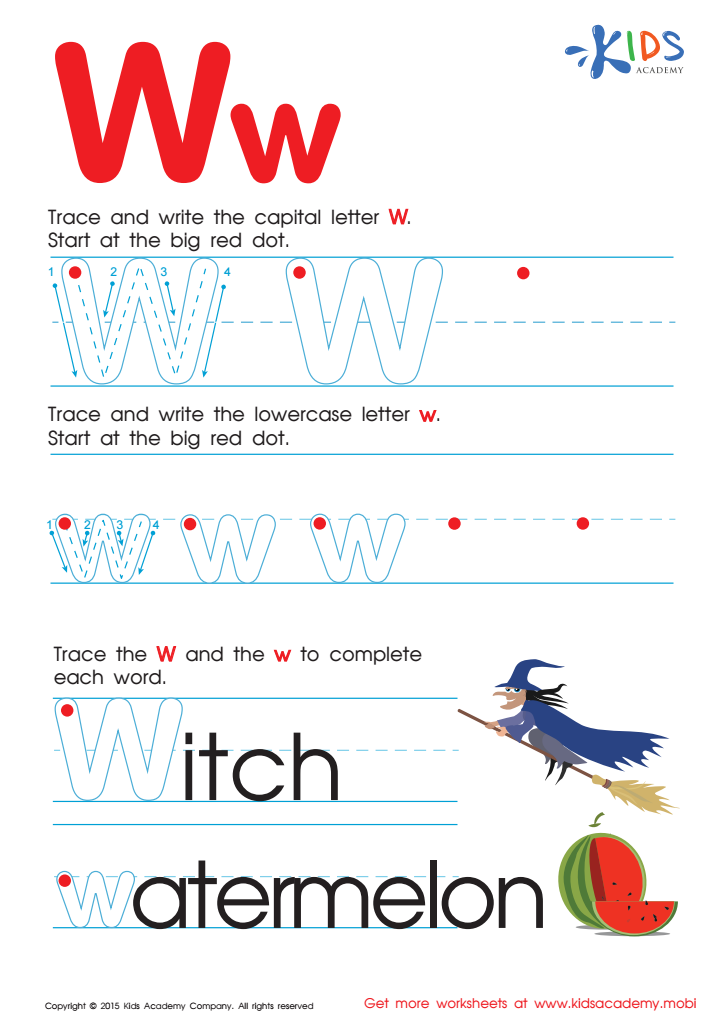
Letter W Tracing Page
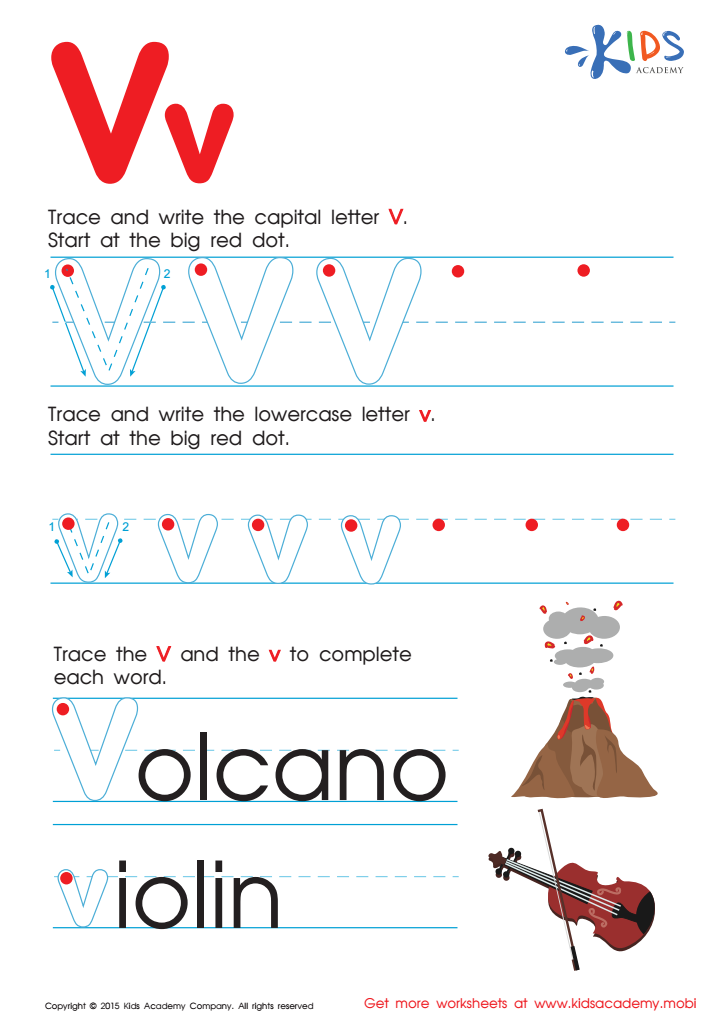
Letter V Tracing Page
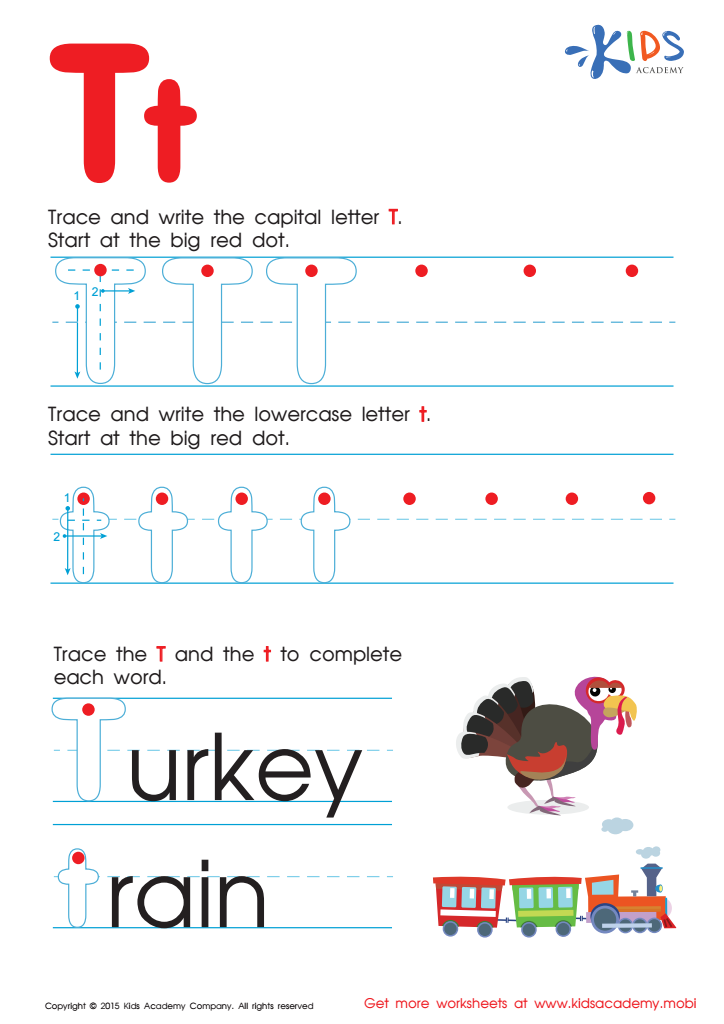
Letter T Tracing Page





Letter recognition serves as the foundational skill for literacy, which is crucial for a child's overall academic success and development. For children ages 3-6, engaging in activities like Letter Recognition Extra Challenge English introduces them to the building blocks of reading and writing. Early proficiency in recognizing letters can accelerate a child's reading skills, leading to enhanced vocabulary and better comprehension.
Parents and teachers should prioritize this early learning module because it sets the stage for a child's curiosity and lifelong learning. At this formative stage, young minds are highly receptive to new information, and engaging them with fun and challenging letter recognition activities fosters not only cognitive development but also fine motor skills, as they practice writing letters.
Moreover, early exposure to letter recognition helps identify and address any potential learning difficulties, allowing for timely intervention. The consistency and repetition involved in these exercises improve memory retention, attention to detail, and concentration, which are critical skills beyond literacy.
Incorporating Letter Recognition Extra Challenge English targets the multifaceted needs of young learners, blending play with education to evoke enthusiasm for learning. By investing time and resources in these foundational skills, parents and teachers lay a robust groundwork that can significantly impact a child’s academic trajectory and love for learning.








