Math problem-solving Extra Challenge Addition & Subtraction Worksheets for Ages 3-6
4 filtered results
-
From - To
Explore our engaging Math Problem-Solving Extra Challenge Worksheets designed specifically for ages 3-6! With a focus on addition and subtraction, these worksheets provide thoughtful and stimulating exercises that enhance young learners' mathematical reasoning and problem-solving skills. Each activity is tailored to strengthen understanding of basic concepts while keeping children excited and motivated. Perfect for supplementary practice at home or in the classroom, our worksheets encourage critical thinking as children navigate through fun problems. Ideal for parents and educators looking to inspire confidence in math, these resources will help little ones develop a strong foundation for future learning. Dive into problem-solving today!
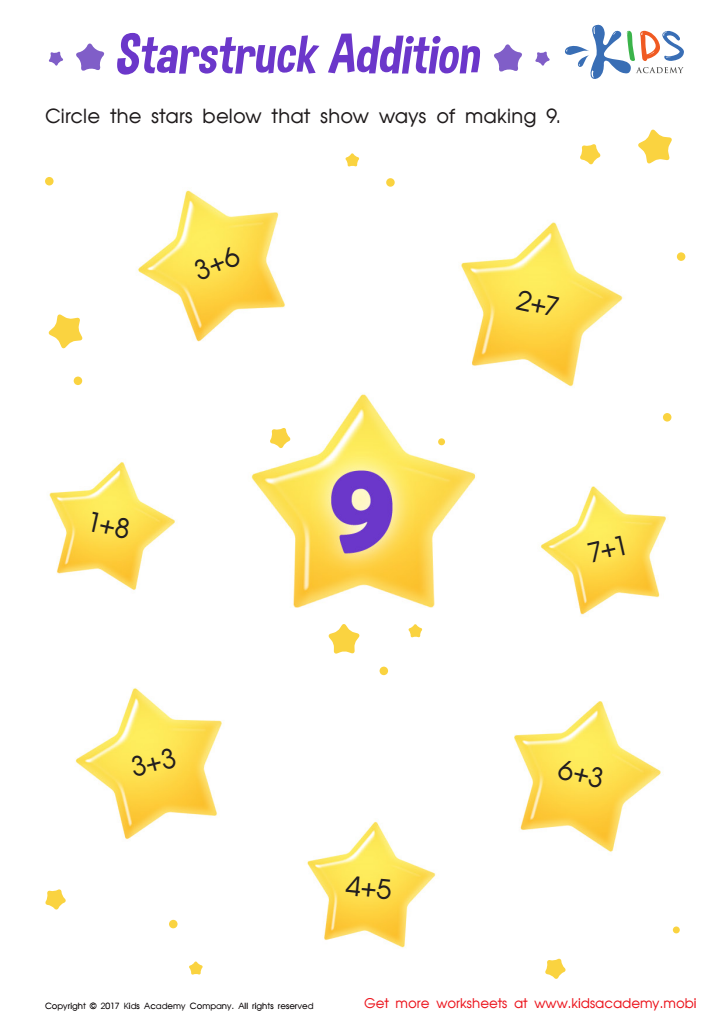
Starstruck Addition Printable
 Assign to My Students
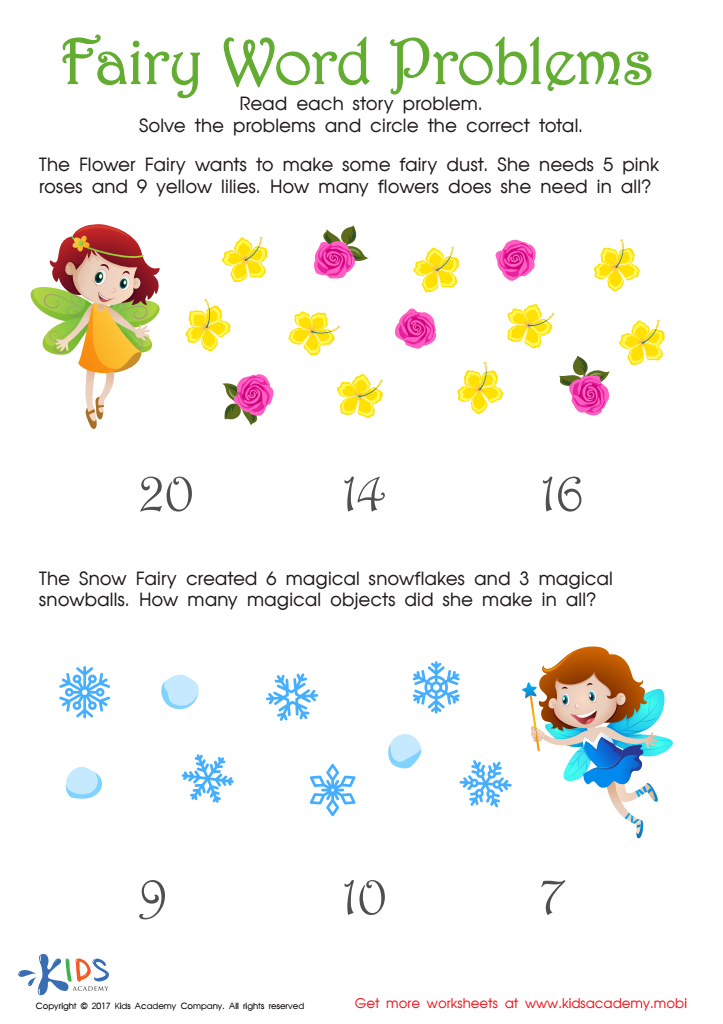
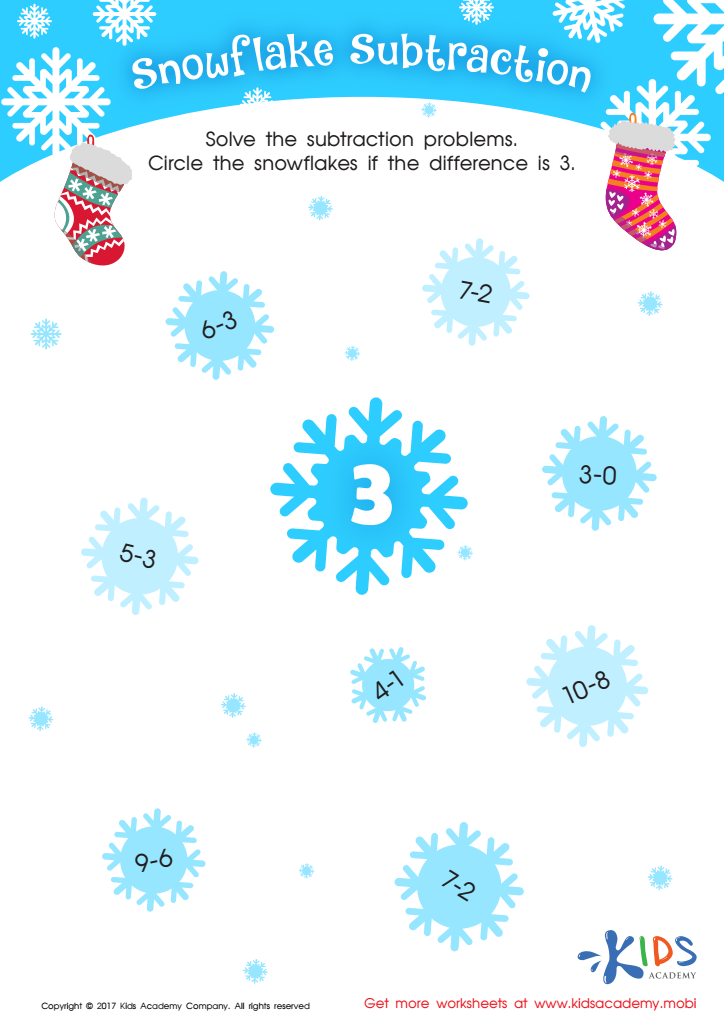
Snowflake Subtraction Worksheet
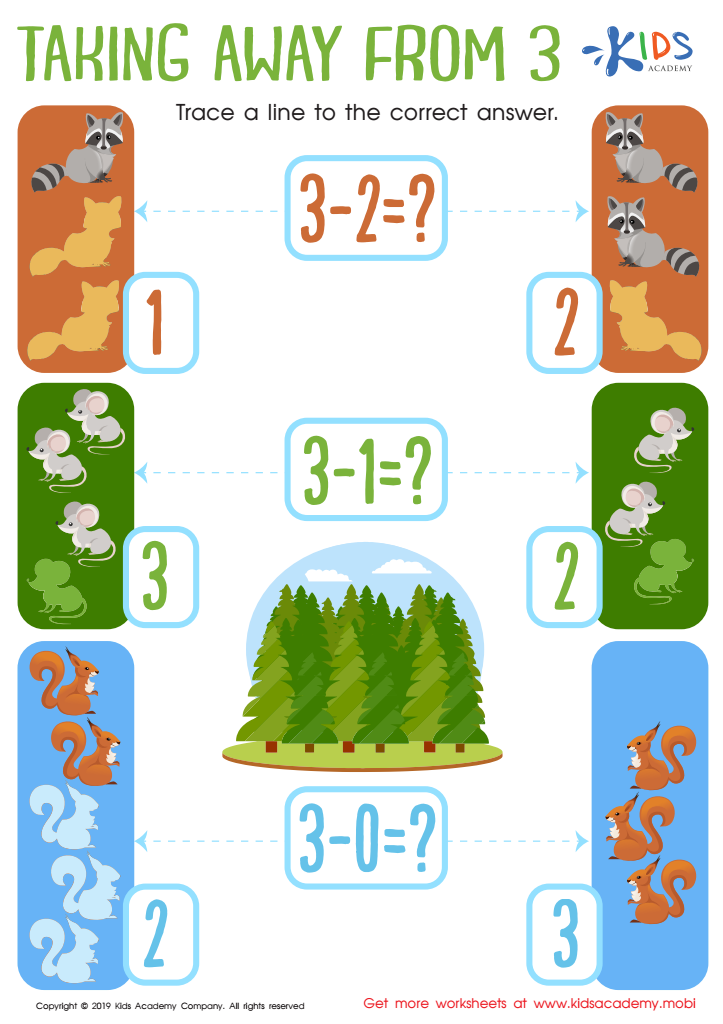
Taking Away From 3 Worksheet








Parents and teachers play a crucial role in establishing a strong foundation for mathematical skills in young children, particularly in the area of problem-solving with addition and subtraction. The Extra Challenge Addition & Subtraction activities for ages 3-6 serve as a valuable tool to foster early numeracy skills. Engaging in these activities helps children develop critical thinking and reasoning abilities as they learn to manipulate numbers and understand mathematical concepts.
These challenges stimulate curiosity and encourage children to explore different problem-solving strategies, allowing them to grow cognitively and gain confidence in their skills. Early exposure to math concepts also promotes a positive attitude towards mathematics, reducing anxiety associated with the subject later on. Additionally, incorporating play-based learning, such as fun games and hands-on activities, makes math enjoyable, enhancing engagement and motivation.
Furthermore, mastering addition and subtraction at a young age lays the groundwork for future learning. It prepares children for more complex mathematical concepts they will encounter in higher grades, ensuring they are not left behind. By prioritizing math problem-solving activities, parents and teachers can significantly contribute to their children's overall academic success and longevity in enjoying mathematics.








