Vocabulary enhancement Extra Challenge Building Vocabulary Worksheets for Ages 3-6
6 filtered results
-
From - To
Boost your child's language skills with our "Vocabulary Enhancement Extra Challenge Building Vocabulary Worksheets for Ages 3-6." Designed to make learning engaging and fun, these printable worksheets focus on enhancing reading and comprehension through varied and interactive activities. From identifying words to creating sentences, each sheet encourages children to explore language in new ways. Ideal for early learners, these resources help develop a strong vocabulary foundation while promoting critical thinking and creativity. Perfect for both parents and teachers, our worksheets offer stimulating challenges that keep young minds excited about learning. Grab yours today and start the journey to mastering vocabulary!
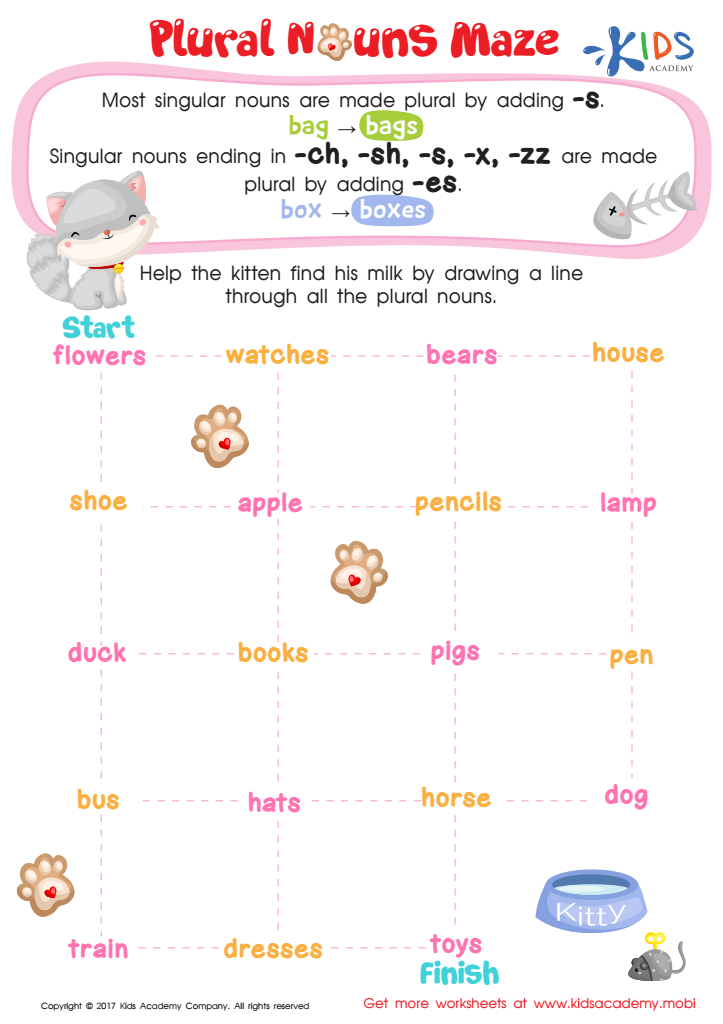
Plural Nouns Maze Worksheet
 Assign to My Students











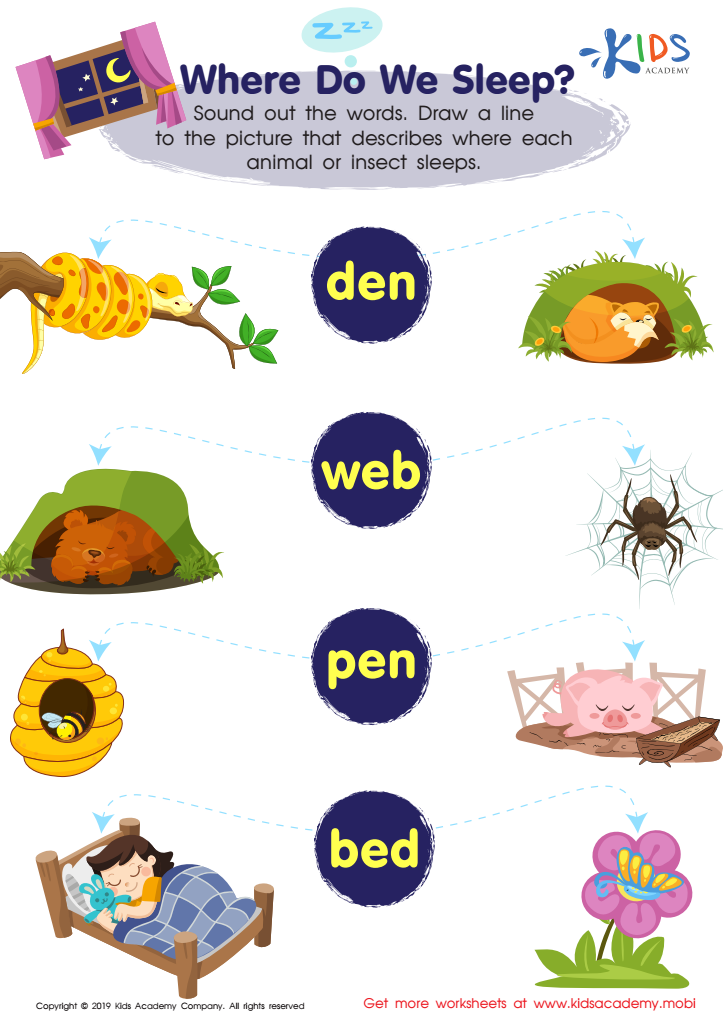
Where Do We Sleep Worksheet
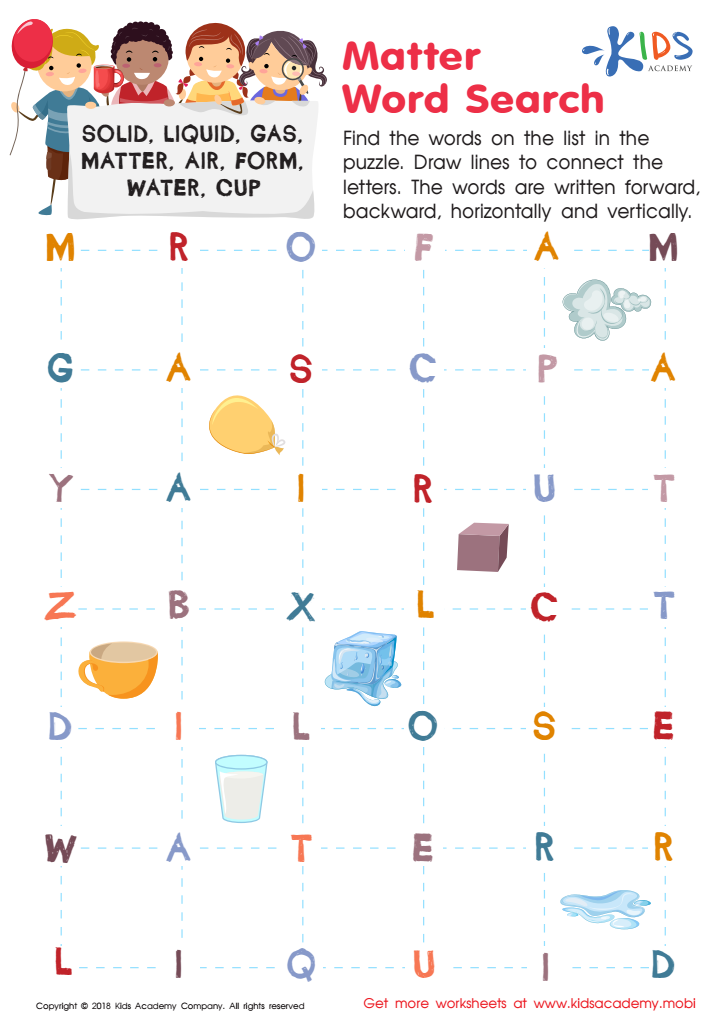
Matter Word Search Worksheet
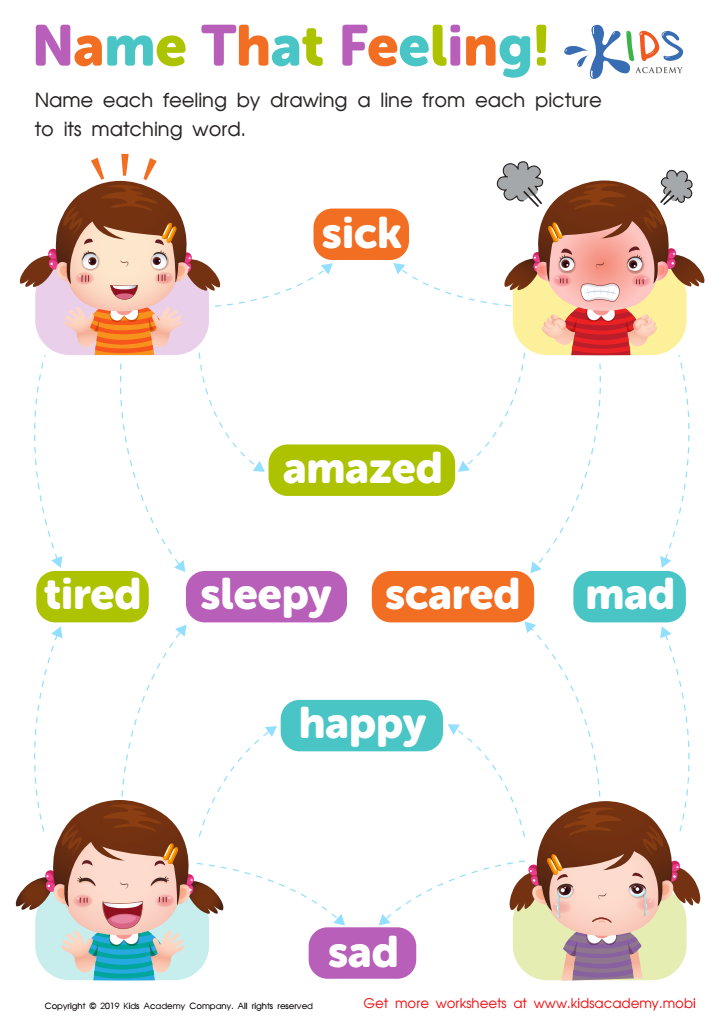
Name that Feeling Worksheet
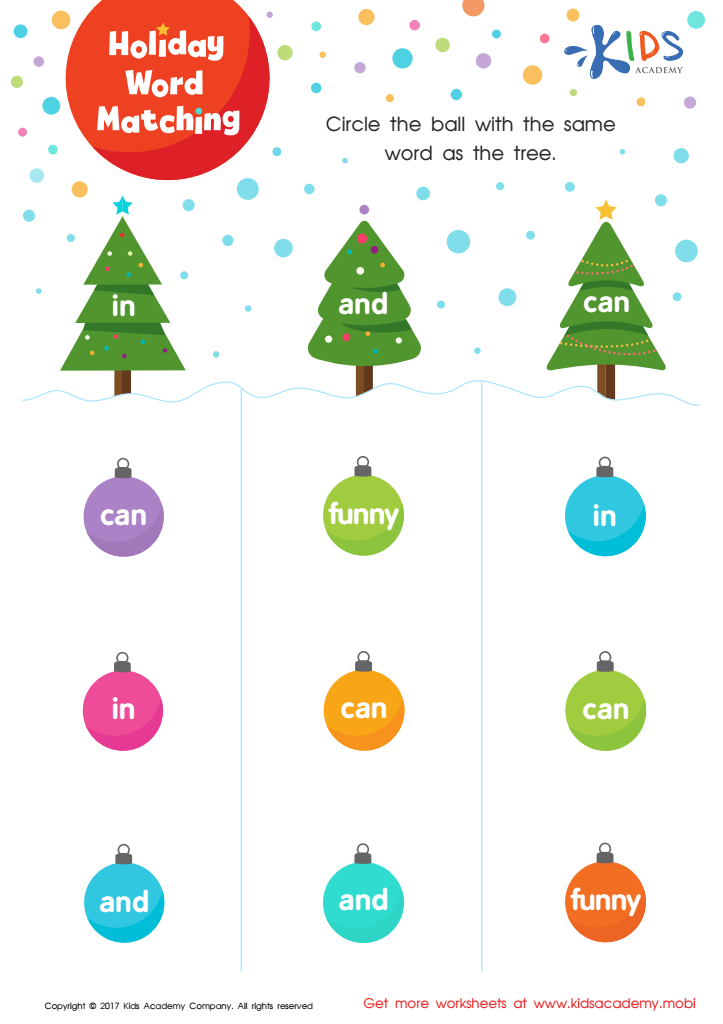
Holiday Word Matching Worksheet
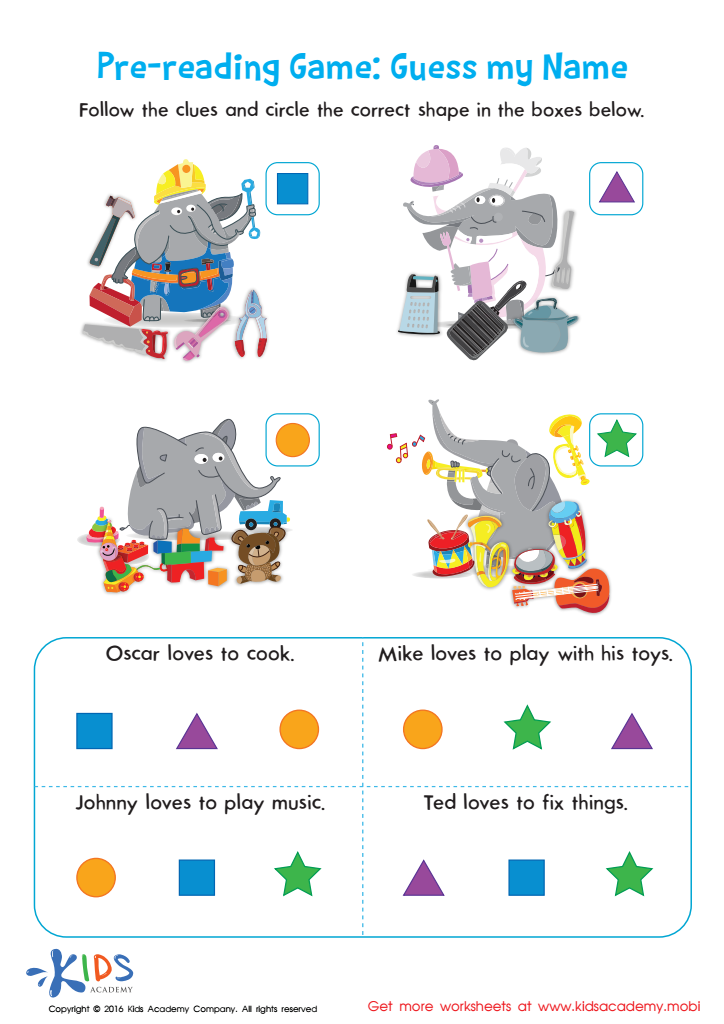
Pre Reading Worksheet Guess My Name




.jpg)



Vocabulary enhancement for children aged 3-6 is critical due to its impact on cognitive development, communication skills, and academic success. This age range is a sensitive period for language acquisition, with young brains remarkably pliable and receptive to learning new words. Expanding vocabulary helps children articulate their thoughts, feelings, and ideas more effectively, which is fundamental for building self-confidence and fostering social interactions.
A robust vocabulary is also closely linked to reading comprehension and literacy. Early exposure to a diverse range of words paves the way for phonemic awareness and decoding skills necessary for reading. As children progress through school, those with a rich vocabulary are often better equipped to understand and engage with academic content, unquestionably impacting their overall educational outcomes.
Parents and teachers should prioritize vocabulary-building activities because they lay the foundation for future learning. Simple techniques like reading aloud, engaging in conversations, and utilizing educational games can make learning enjoyable. Moreover, incorporating new words into daily activities fortifies retention and practical use.
Ultimately, prioritizing vocabulary enhancement in early years fosters a love for language, sets the stage for lifelong learning, and equips children with the communication tools they need to thrive both academically and socially. It’s a vital investment in a child's holistic development.