Reading comprehension Extra Challenge Social Studies Worksheets for Ages 3-6
5 filtered results
Difficulty Level
Grade
Age
-
From - To
Subject
Activity
Standards
Discover our "Reading Comprehension Extra Challenge Social Studies Worksheets" designed for kids aged 3-6, offering an engaging way to enhance their understanding of social studies concepts while developing essential reading skills. These printable worksheets present a variety of fun stories and exercises, encouraging young learners to think critically and make connections to their world. With vibrant illustrations and age-appropriate content, children will strengthen their comprehension abilities while exploring topics like community, culture, and responsibilities. Perfect for parents and educators, our worksheets provide a stimulating experience that fosters curiosity and promotes a lifelong love of learning. Explore our comprehensive collection today!
Favorites
With answer key
Interactive
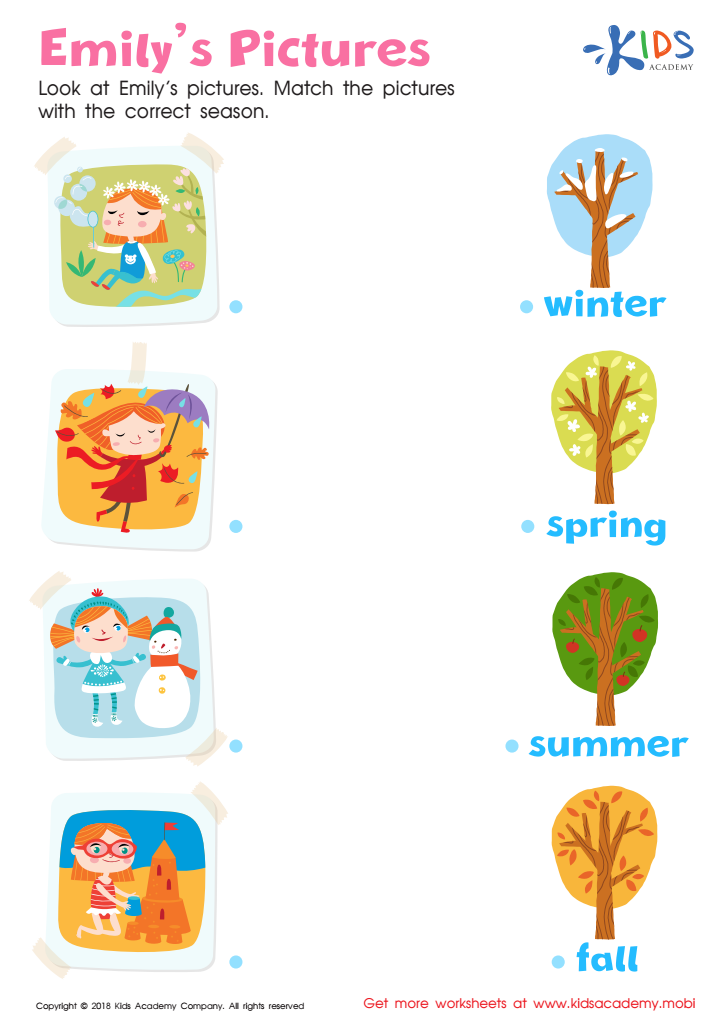
Emily's Pictures Worksheet
Look at the pictures of Emily on the left. Ask your child what she's doing in each one. Then, match the activities to the seasons on the right. Help your kids identify the correct season for each activity. Shorten to 80 words: Look at the pictures of Emily on the left. Ask your child what she's doing in each one, then match the activities to the seasons on the right. Help your kids find the correct season for each activity.
 Assign to My Students
Emily's Pictures Worksheet
Worksheet
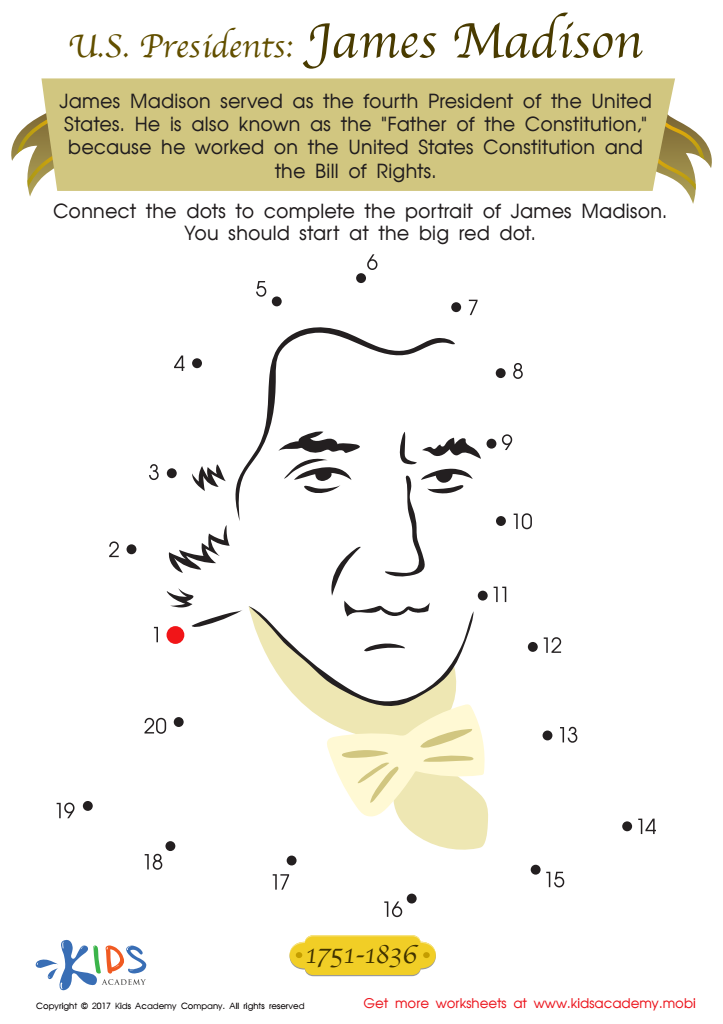
President Madison Printable
Introduce your child to the nation's fourth president, James Madison. This worksheet helps them learn about the "Father of the Constitution" and his contributions to American history. Discover Madison's legacy with your child today!
President Madison Printable
Worksheet
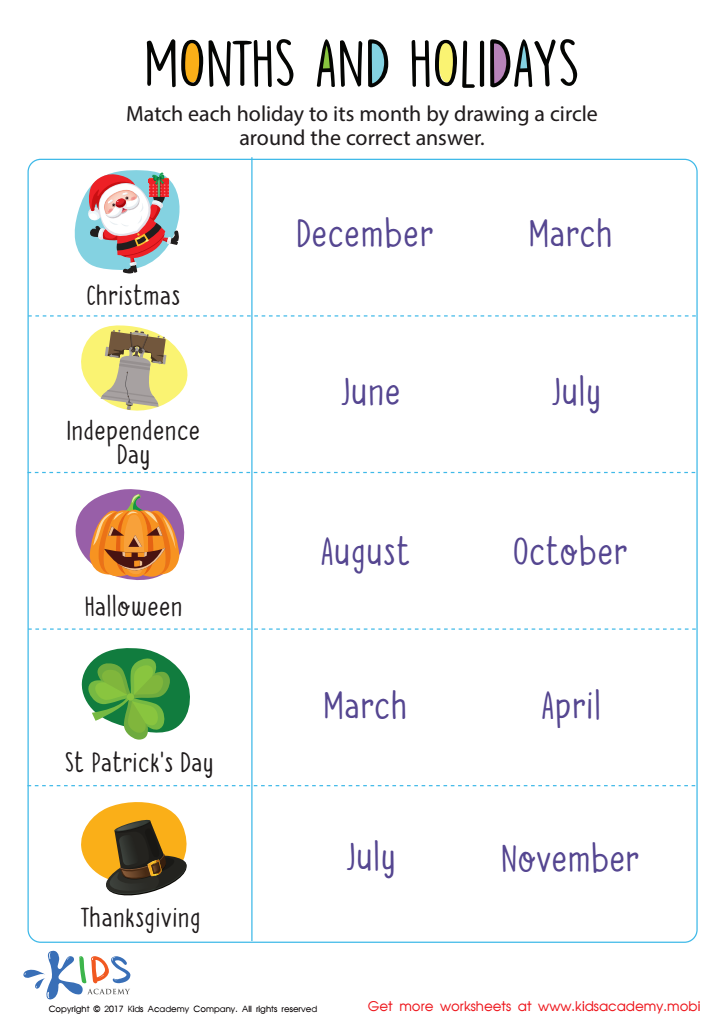
Months and Holidays Worksheet
Kids have fun learning about holidays and the calendar with this PDF worksheet! As they work, they'll connect holiday sights and symbols to their respective months. It's a great way for kids to gain an understanding of the yearly cycle!
Months and Holidays Worksheet
Worksheet
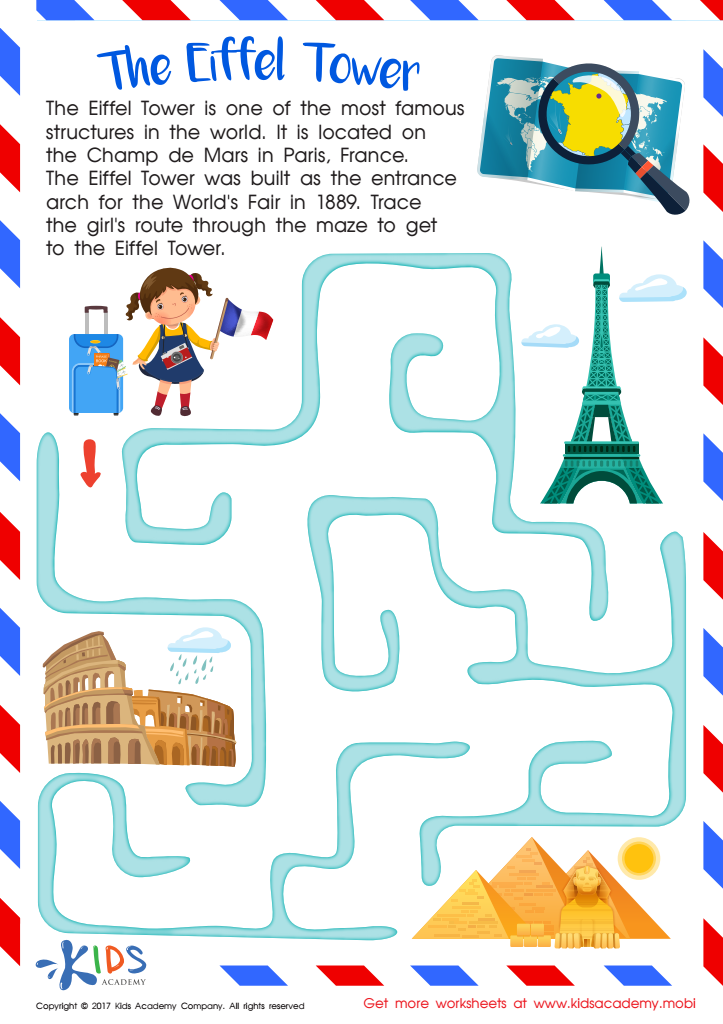
The Eiffel Tower Printable
Take them on a world tour – starting with France: explore the Eiffel Tower by solving this maze. Let the learning and fun begin!
Take your kid on a globe-trotting journey to find out incredible landmarks! Start in France, learning about the Eiffel Tower with a challenging maze. Give your kid the opportunity to discover the Tower's history while having a blast! Let the world exploration start now!
The Eiffel Tower Printable
Worksheet
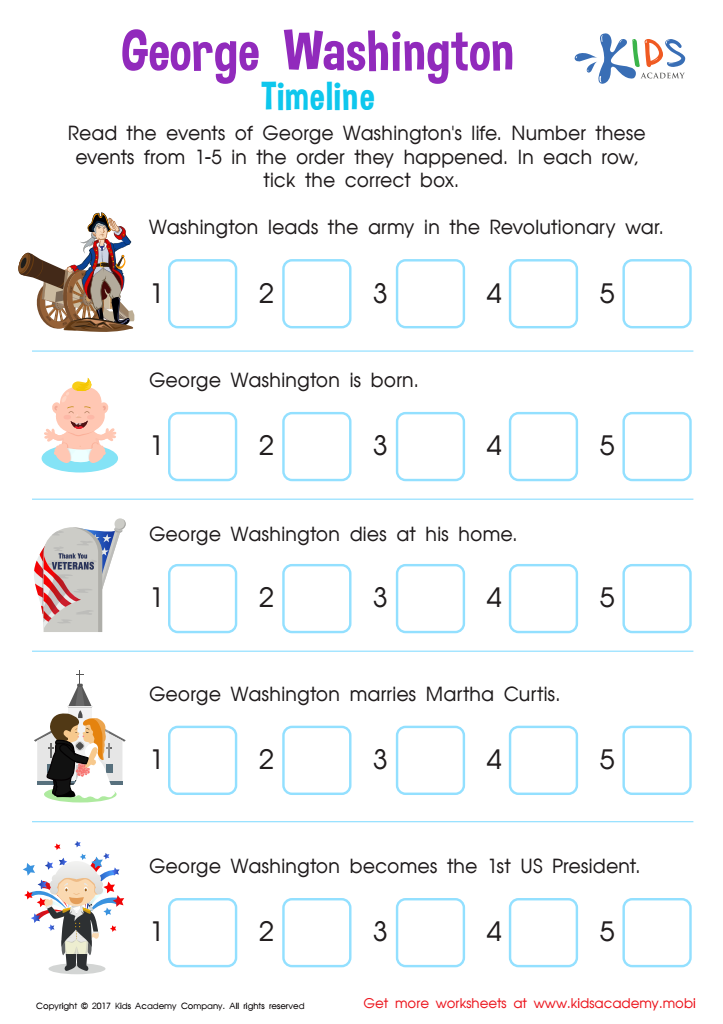
George Washington Timeline Worksheet
Help your child learn about George Washington and practice sequencing events! This printable worksheet will boost their reading and comprehension skills while they review historical facts. It's a great challenge to keep them engaged and learning.
George Washington Timeline Worksheet
Worksheet
Join Kids Academy for Free
Who is primarily going to use this learning content?







Reading comprehension is a foundational skill that supports children's overall development and learning across all subjects, including Social Studies. For children aged 3-6, early exposure to reading comprehension not only enhances literacy skills but also fosters critical thinking and understanding of the world around them. Engaging with stories related to social studies themes—such as community, culture, and history—helps children grasp important concepts about the society in which they live.
Parents and teachers should care about integrating reading comprehension in Social Studies because it cultivates curiosity and encourages children to ask questions. By connecting narratives to social themes, young learners develop empathy and cultural awareness, laying the groundwork for informed future citizens. These stories also provide opportunities for discussions, allowing children to articulate their thoughts and interpretations, enhancing their verbal skills.
Moreover, developing a foundation in reading comprehension early on can have lasting benefits. It promotes lifelong learning habits and academic success as children progress. By focusing on Reading Comprehension Extra Challenge in Social Studies, educators and parents can equip children with critical reasoning skills, prepare them for more complex topics in upper grades, and empower them to become active, informed members of their communities.