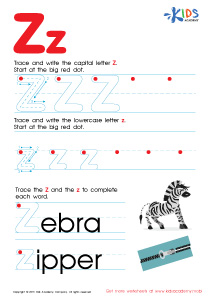
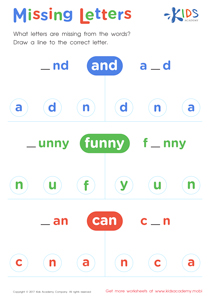
Reading enhancement Extra Challenge Phonics Worksheets for Ages 3-7
3 filtered results
-
From - To
Boost your child's reading skills with our Reading Enhancement Extra Challenge Phonics Worksheets designed for ages 3-7! These engaging worksheets are perfect for young learners looking to enhance their phonics knowledge while building a strong literacy foundation. Featuring a variety of fun activities, children will engage with letter sounds, blends, and word recognition exercises tailored to their developmental needs. Each worksheet encourages critical thinking and reinforces essential reading skills, making learning enjoyable and rewarding. Elevate your child's reading experience and support their academic journey with our carefully crafted resources—perfect for home or classroom use! Fuel their love for learning today!
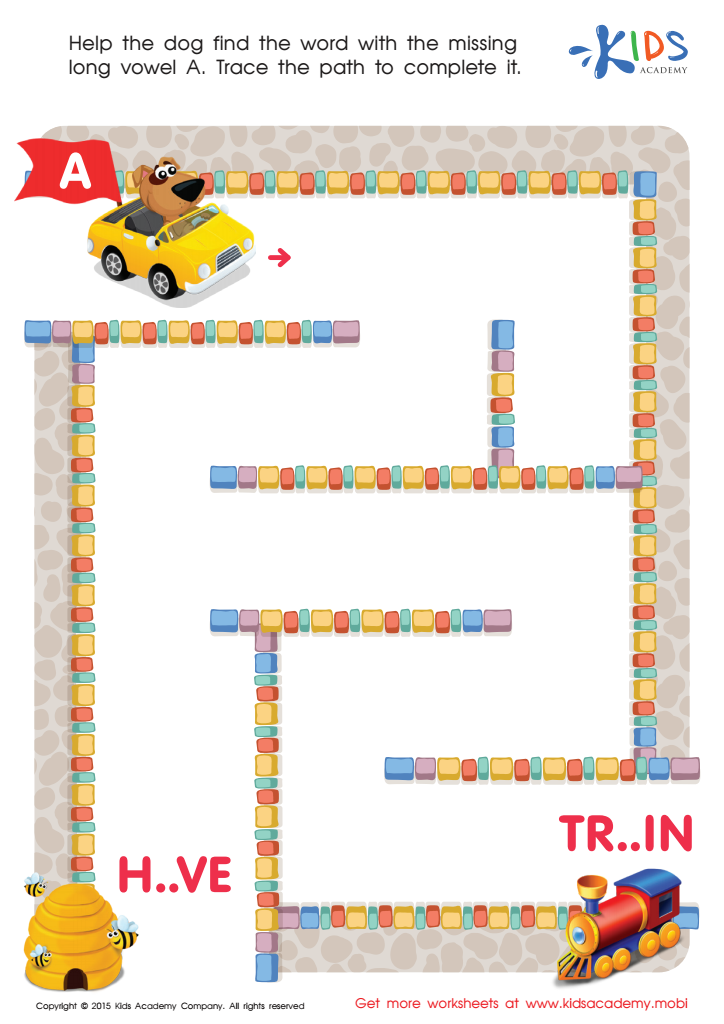
Long Vowel Sound A Worksheet
 Assign to My Students
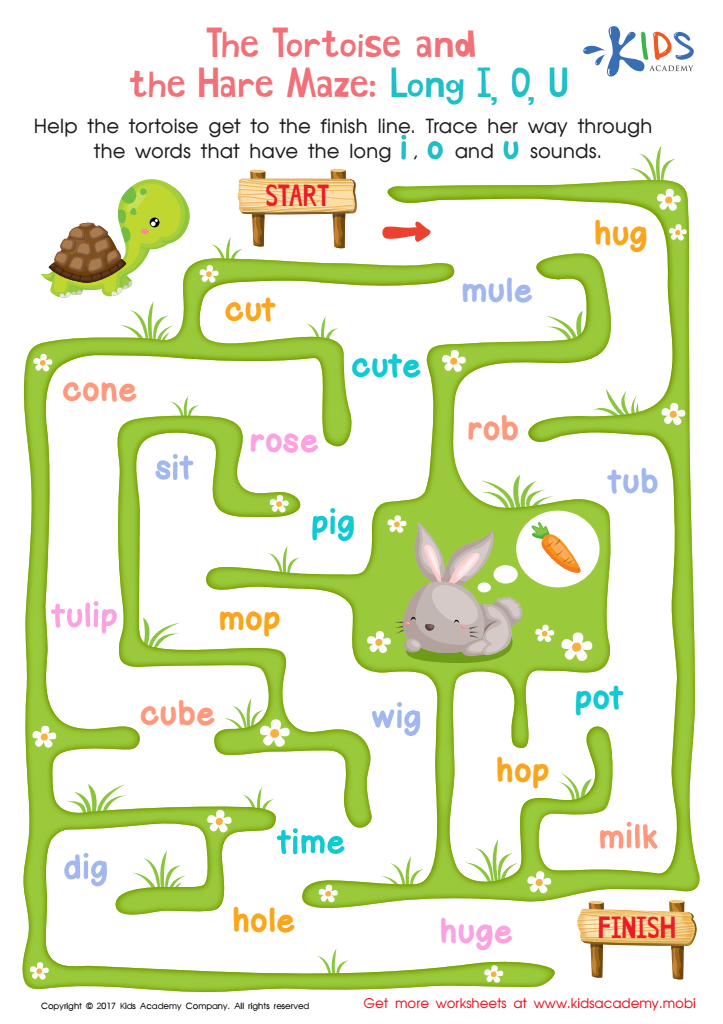
Long I, O, U Words Worksheet
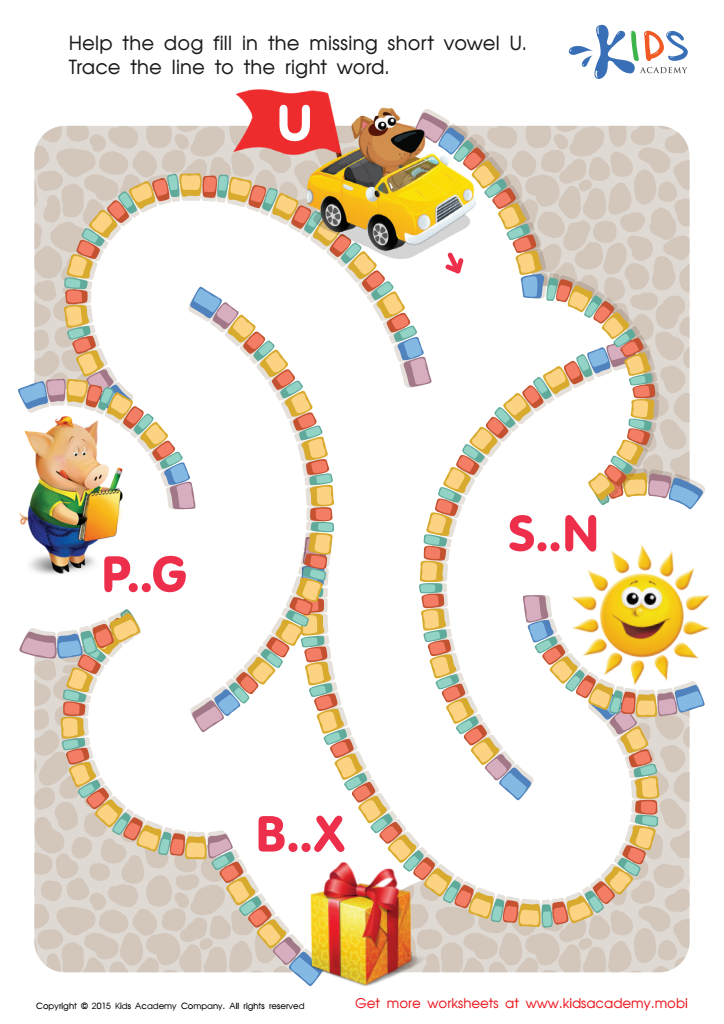
Short Vowel Sound U Worksheet








Parents and teachers should prioritize Reading Enhancement Extra Challenge Phonics for children ages 3-7 because these foundational years are critical for language development and literacy skills. Early exposure to phonics lays the groundwork for reading fluency and comprehension, which are essential for academic success. This program offers targeted strategies that engage young learners in the sounds of language, helping them decode words effectively and build confidence as readers.
Moreover, effective phonics instruction helps foster a love for reading, which can positively influence a child’s lifelong learning journey. By participating in this program, children not only learn essential reading skills but also strengthen their cognitive and critical thinking abilities. For educators, implementing this program can facilitate differentiated learning, catering to the varying abilities within a classroom.
Additionally, strong reading skills are linked to improved social and emotional development, as children who read well are better able to express themselves and engage with their peers. For parents, investing in reading enhancement through phonics can lead to more meaningful interactions with their children and boost their overall school readiness. In a world increasingly driven by literacy, prioritizing such programs is crucial to ensure that children develop the tools they need for a successful future.