Letter recognition Extra Challenge English for Beginners Worksheets for Ages 3-7
7 filtered results
-
From - To
Letter Recognition Extra Challenge English for Beginners Worksheets for Ages 3-7
Boost your child's early literacy skills with our "Letter Recognition Extra Challenge" worksheets, designed for ages 3-7! These engaging printable activities are perfect for young English language learners. They help children recognize, identify, and confidently use the alphabet in various contexts. From tracing and matching to letter hunts and fun puzzles, each worksheet provides an extra challenge to stimulate young minds and support their journey to mastering English. Ideal for both parents and educators, these worksheets make learning exciting and effective. Spark your child's interest in reading and writing today!
Visit: Kids Academy
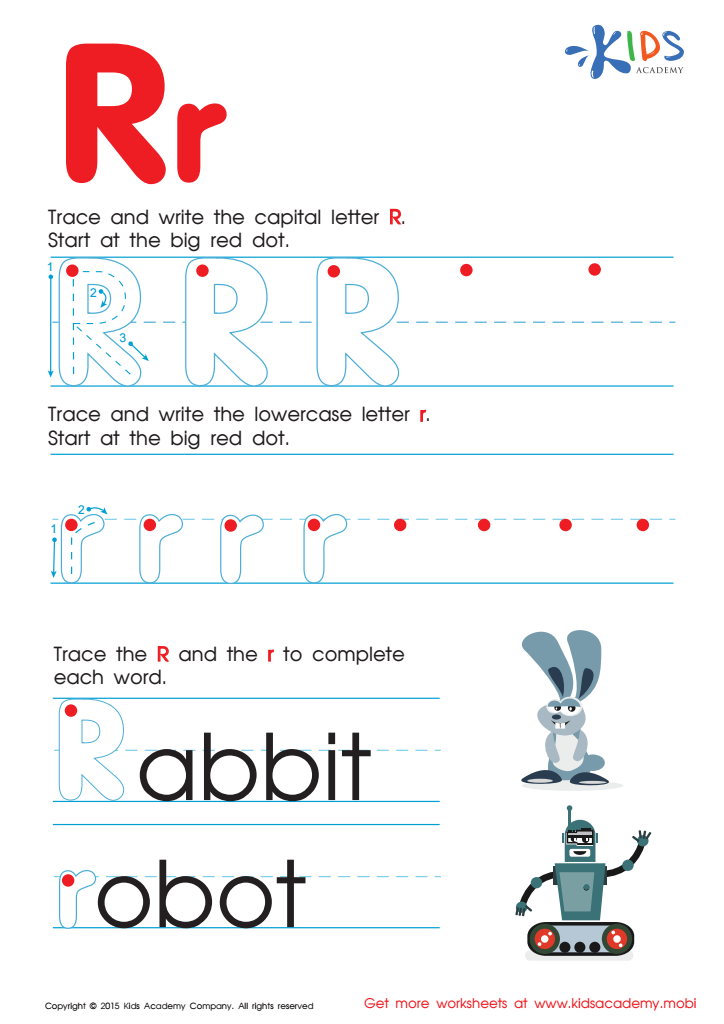
Letter R Tracing Page
 Assign to My Students
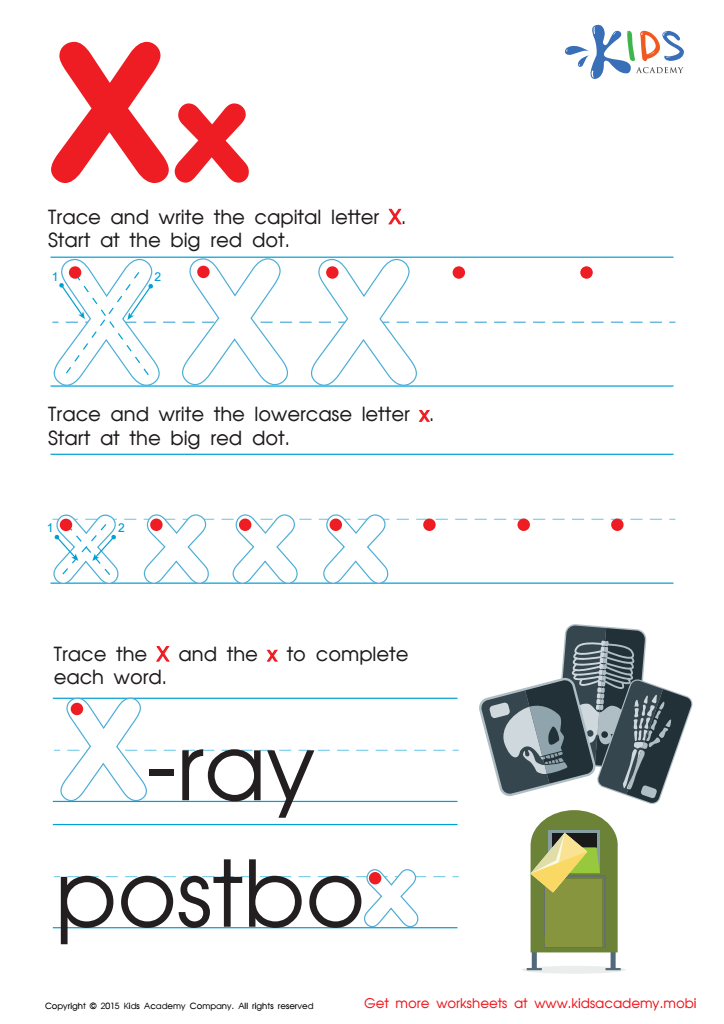
Letter X Tracing Page
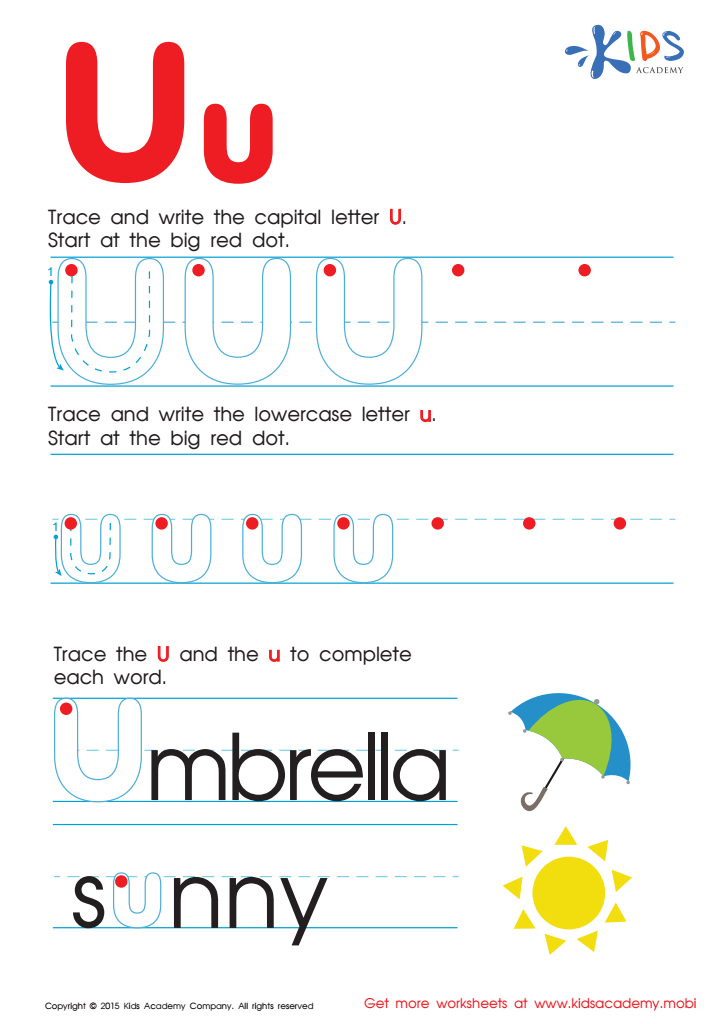
Letter U Tracing Page
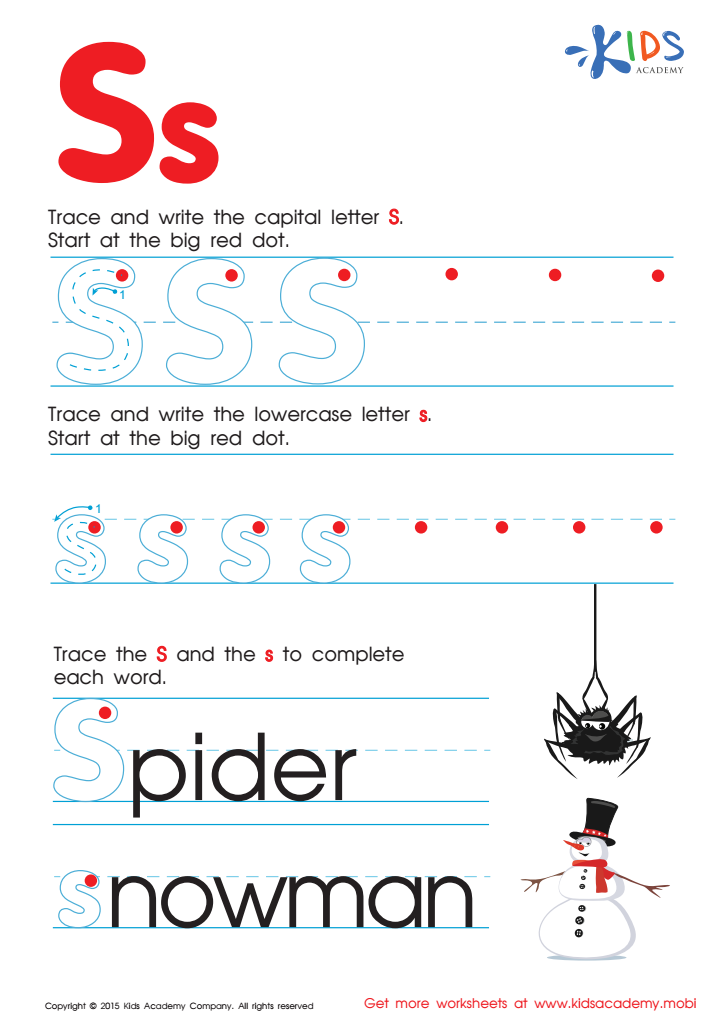
Letter S Tracing Page
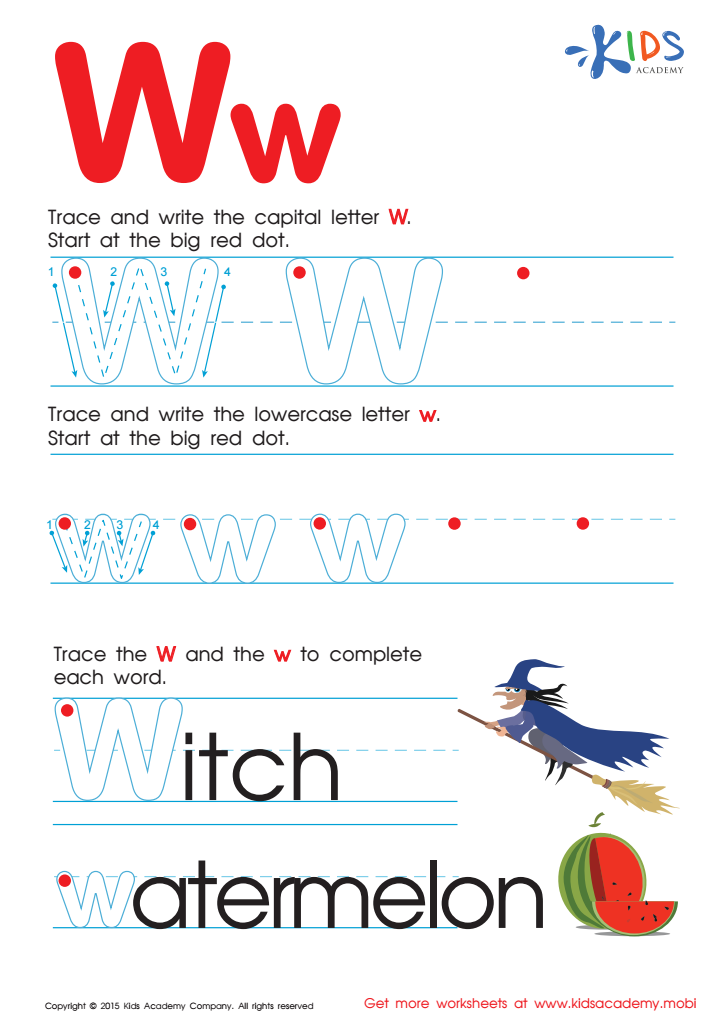
Letter W Tracing Page
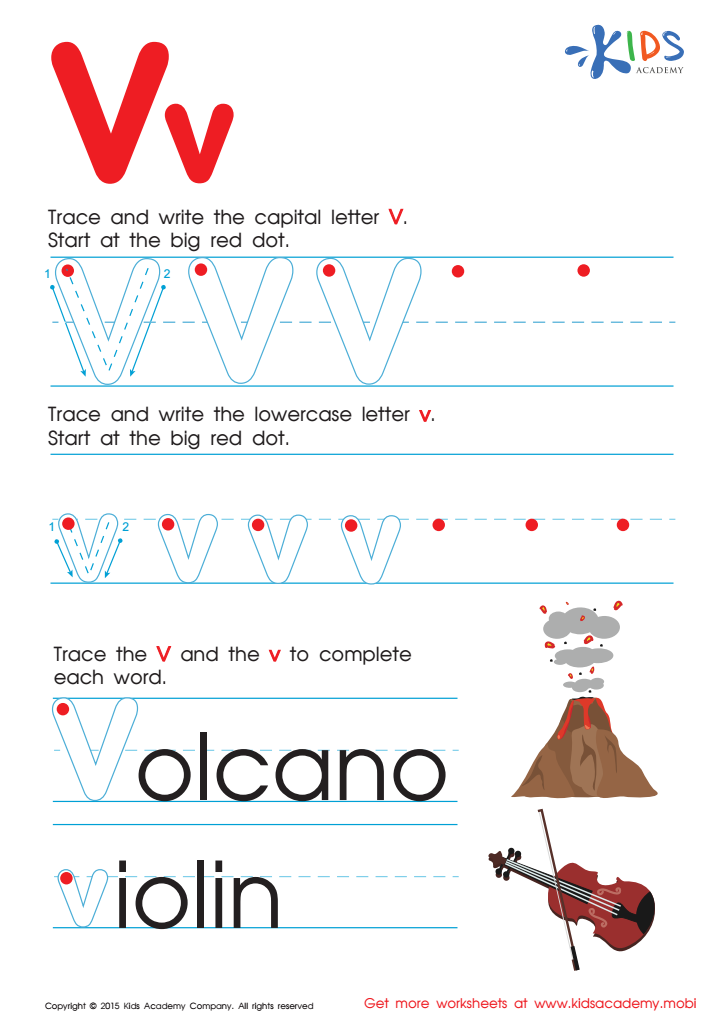
Letter V Tracing Page
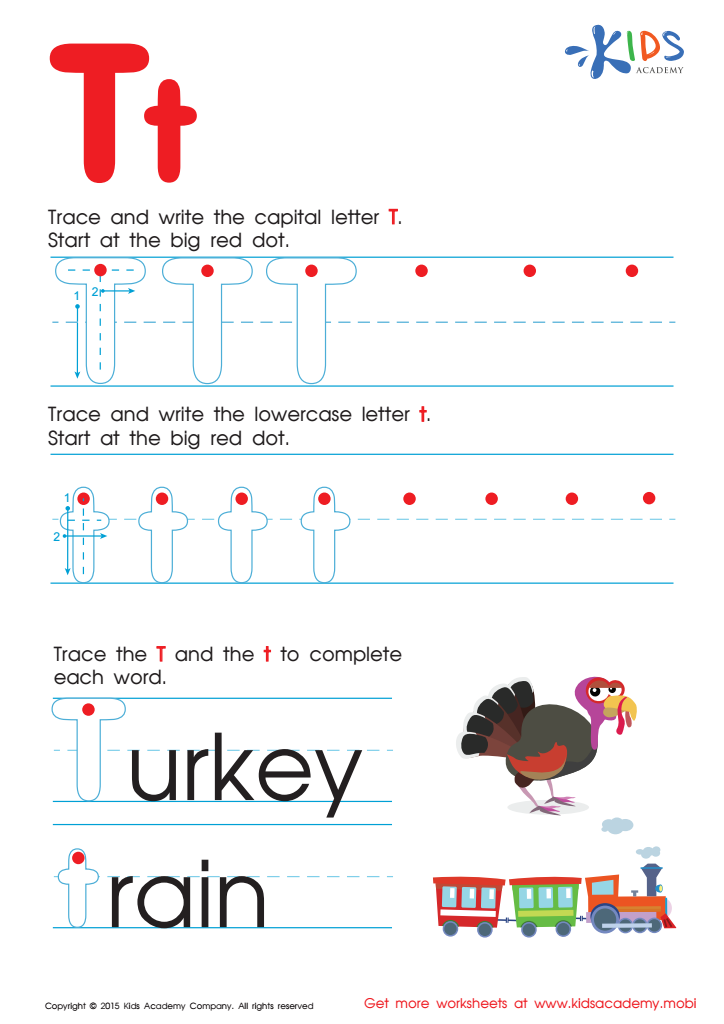
Letter T Tracing Page





Letter recognition is foundational for children’s literacy development, making it essential for both parents and teachers to prioritize this skill, especially through extra challenges in English for beginners aged 3-7. During these early years, children’s brains are incredibly receptive to new information, including language acquisition and cognitive skills.
Firstly, robust letter recognition lays the groundwork for reading. Understanding the alphabet's visual and phonetic components enables children to decode words, vastly improving their reading fluency and comprehension. As children become confident in identifying letters, they transition more effectively into blending sounds and forming words.
Additionally, early letter familiarity is intricately tied to writing skills. Recognizing letters aids in developing fine motor skills through writing practice, thus enhancing their overall literacy capabilities. Plus, early achievement in letter recognition can boost a child’s confidence and encourage a proactive attitude toward learning.
Integrating extra challenges helps solidify this knowledge in a fun and engaging manner, turning learning into a game rather than a chore. Activities such as matching games, letter hunts, and interactive story-telling practices promote active engagement and longer retention.
By focusing on structured letter recognition activities, parents and teachers set the stage for a lifelong love of reading and learning, giving children a significant advantage as they progress academically.








