
Recognizing shapes Extra Challenge Worksheets for Ages 3-7
4 filtered results
Difficulty Level
Grade
Age
-
From - To
Subject
Activity
Standards
Introducing our "Recognizing Shapes Extra Challenge Worksheets," specially designed for children ages 3-7! These engaging worksheets aim to enhance shape recognition skills through fun and interactive activities. With a variety of challenges, budding learners will explore different shapes, develop critical thinking skills, and foster creativity. Each worksheet is tailored to provide a balanced mix of educational value and playful learning, making it perfect for home or classroom use. Watch as children elevate their understanding of shapes and their properties while enjoying stimulating exercises that cater to various learning styles. Equip your little ones with essential skills today for endless fun and learning!
Favorites
With answer key
Interactive
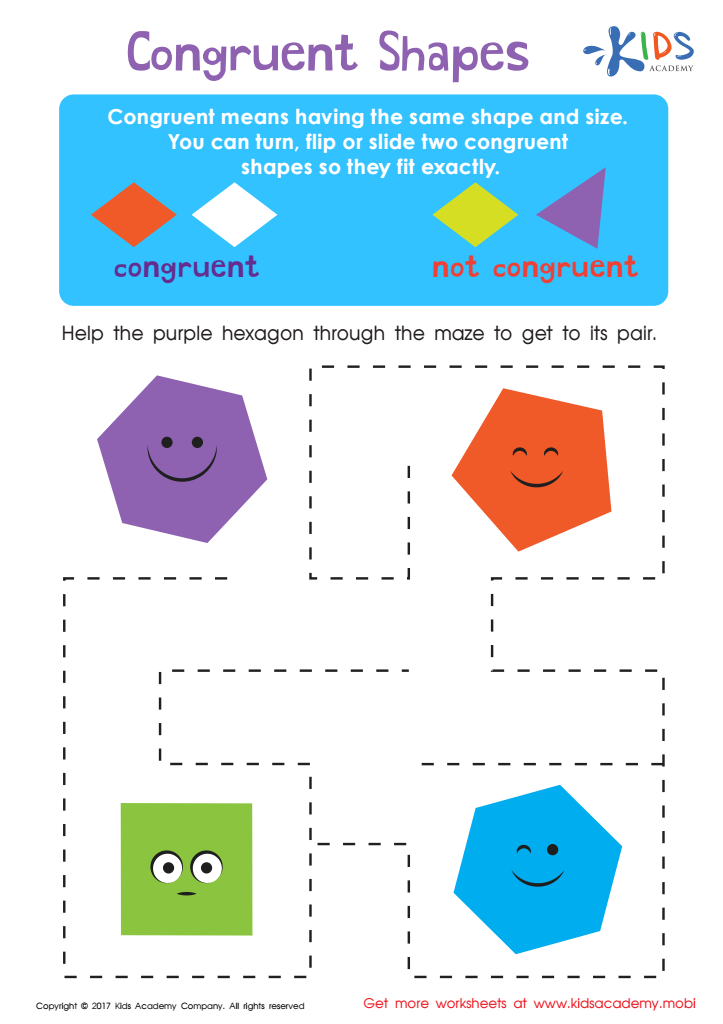
Congruent Shapes Worksheet
Help your child find the twin of the purple hexagon! This congruent shapes worksheet is great for increasing vocabulary while challenging mental rotation skills.
 Assign to My Students
Congruent Shapes Worksheet
Worksheet
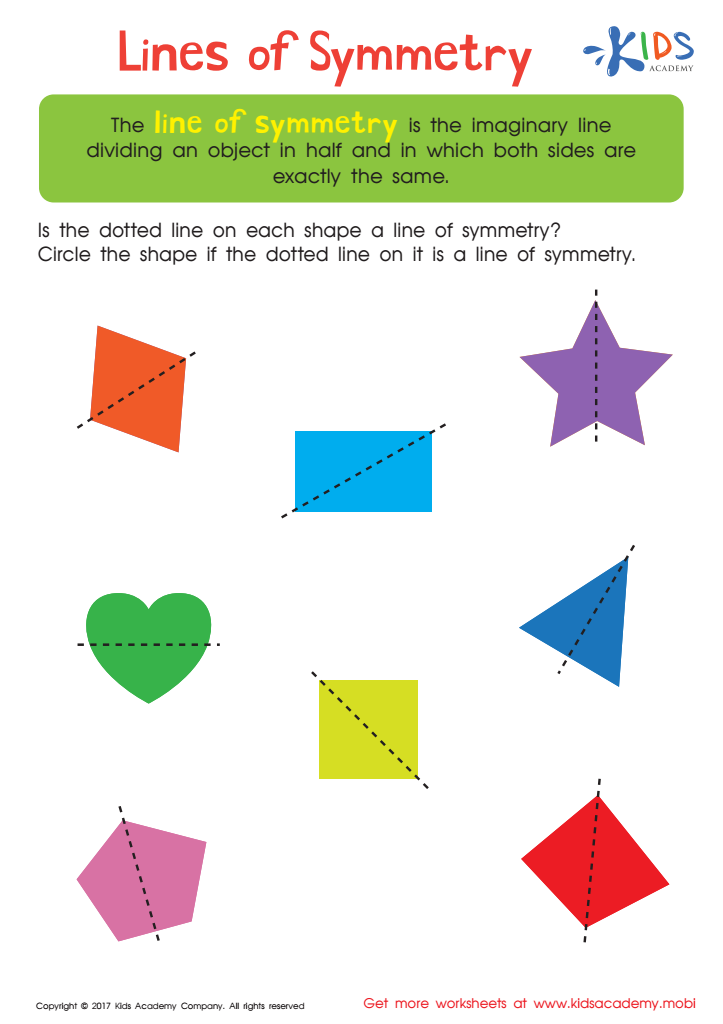
Lines of Symmetry Printable
Symmetry is a key math concept that kids must learn to develop their geometry skills. This fun worksheet helps build this skill, by encouraging kids to recognize symmetrical shapes and find equal parts.
Lines of Symmetry Printable
Worksheet
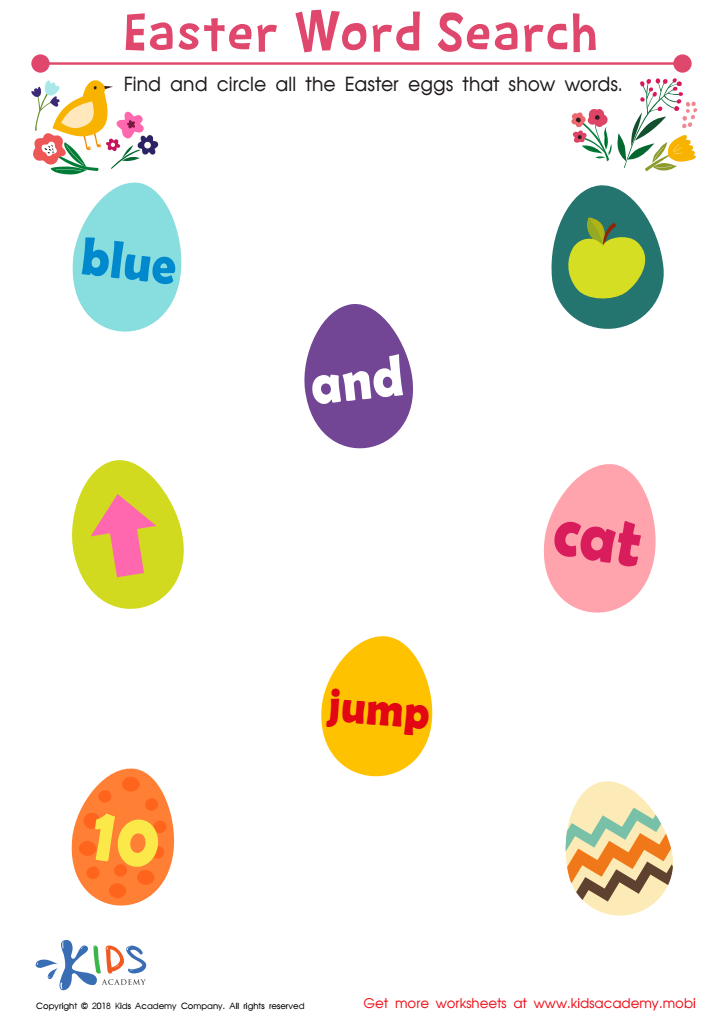
Easter Word Search Worksheet
Kids love Easter - food, picnics, games - and the egg hunt! Does your family celebrate Easter? Get your kids to find some of the Easter egg words in this word search. Ask them to read each word and circle the eggs. It's a fun way to celebrate the holiday!
Easter Word Search Worksheet
Worksheet
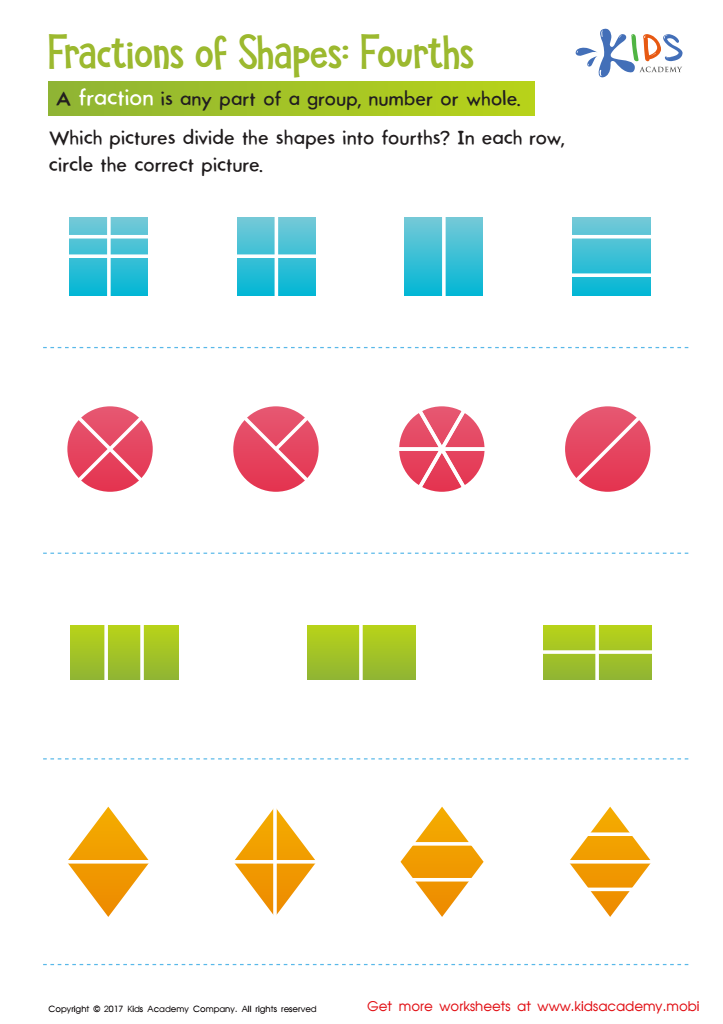
Fractions of Shapes Worksheet
It will also show them how fractions are represented in everyday shapes.
Fractions of Shapes Worksheet
Worksheet
Join Kids Academy for Free
Who is primarily going to use this learning content?








Recognizing shapes is a fundamental cognitive skill that lays the groundwork for various aspects of learning in early childhood. For parents and teachers of children aged 3-7, it's crucial to care about fostering this skill due to its significant impact on a child's overall development.
Firstly, shape recognition enhances visual discrimination, which is essential for literacy and numeracy. Understanding shapes helps children identify letters, numbers, and patterns, laying the foundation for math and reading skills. Additionally, engaging in shape-related activities promotes critical thinking by encouraging children to group, sort, and compare objects based on their attributes.
Moreover, recognizing shapes supports fine motor skills as children manipulate building blocks, shape sorters, and drawing tools, thereby improving coordination. Socially, when children engage in shape-related games and discussions, they enhance their communication and teamwork skills.
Parents and teachers can further enrich shape recognition through interactive, playful challenges that capture children’s interest. These experiences not only make learning fun but also cultivate a sense of curiosity and confidence in exploring the world around them. As such, by prioritizing shape recognition, adults significantly contribute to a child’s cognitive, emotional, and social development, forming a strong educational foundation for future learning.








