Fine Motor Skills Extra Challenge Geometry Worksheets for Ages 3-7
6 filtered results
-
From - To
Looking to give your little learner an extra challenge while enhancing their fine motor skills? Our exclusive "Fine Motor Skills Extra Challenge Geometry Worksheets for Ages 3-7" provide a perfect blend of fun and education. Created by experts, these worksheets are designed to improve dexterity, precision, and hand-eye coordination, while introducing essential geometric concepts. Suitable for preschool and early elementary students, each worksheet combines cutting, tracing, and drawing activities with exciting geometric shapes and patterns. Ideal for both classroom and at-home learning, these engaging challenges ensure your child develops crucial motor skills and a strong foundation in geometry.
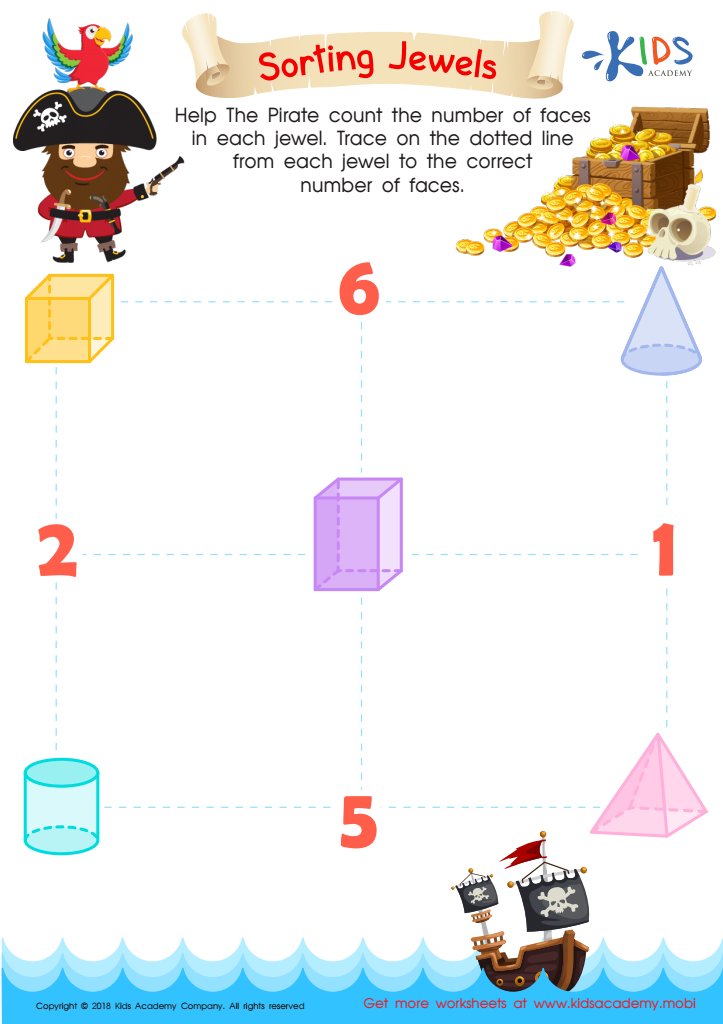
Sorting Jewels Worksheet
 Assign to My Students











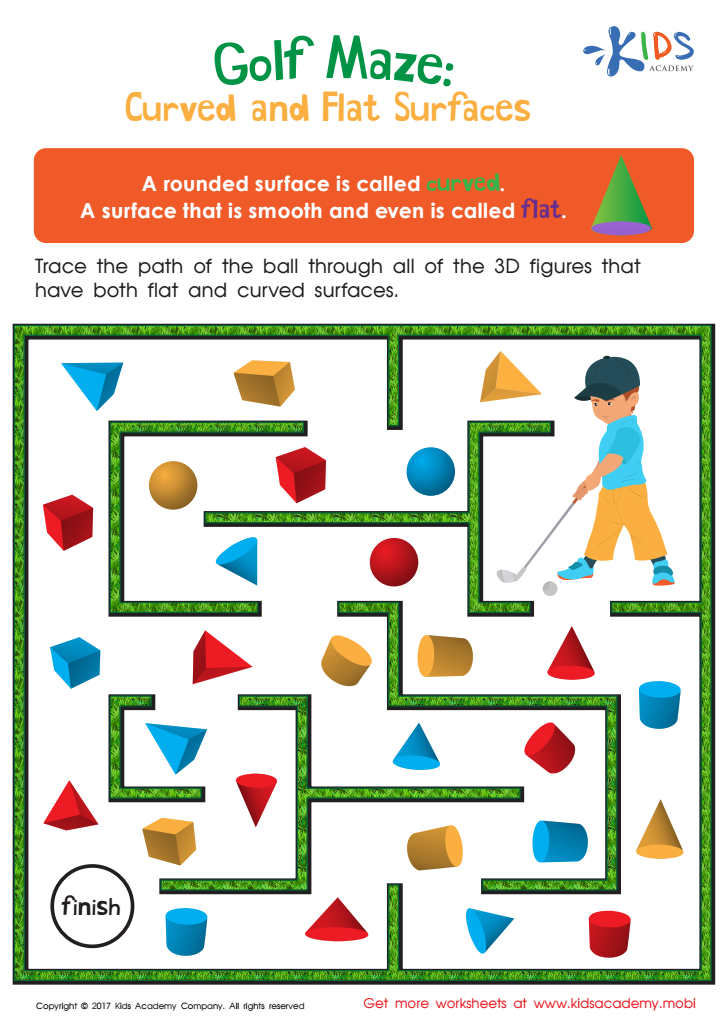
Golf Maze: Curved and Flat Surfaces Worksheet
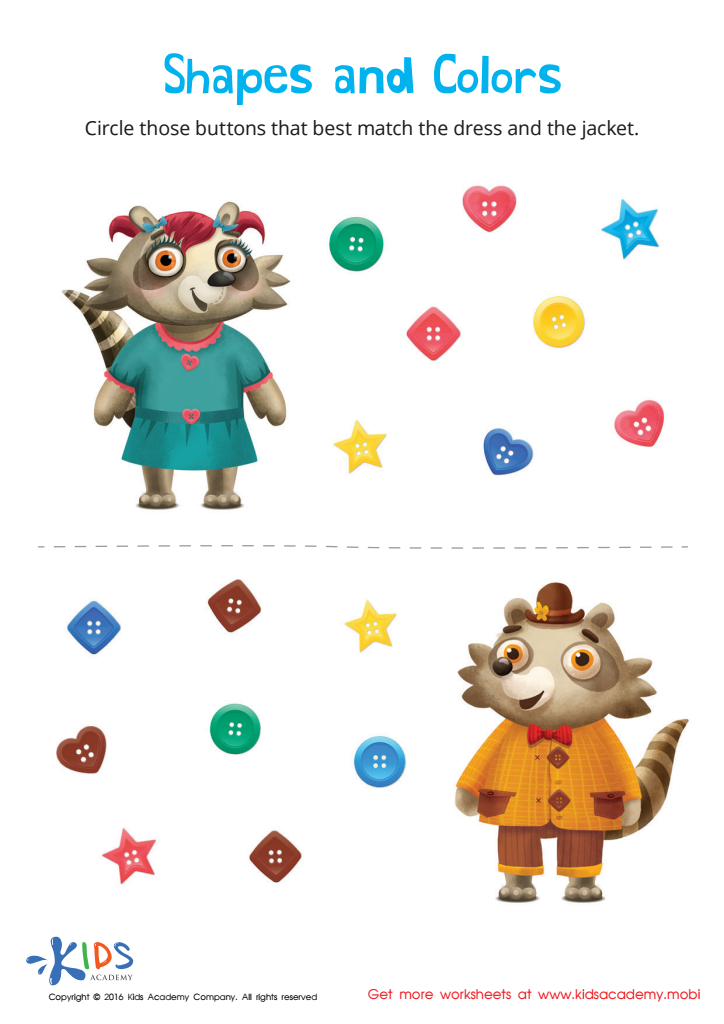
Matching: Shapes and Colors Worksheet
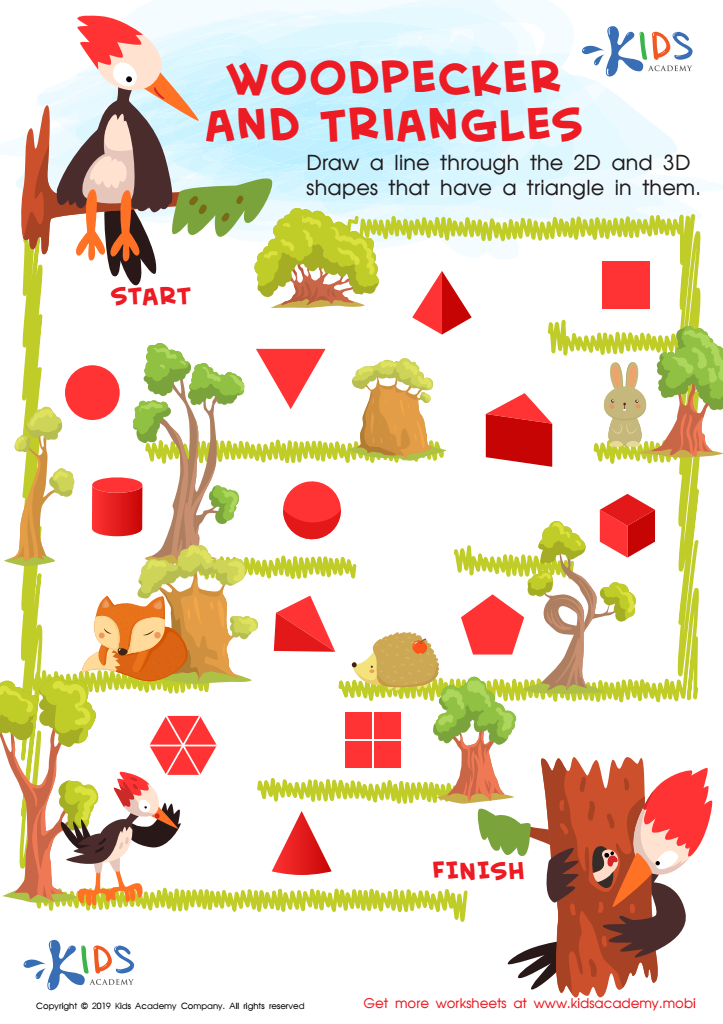
Woodpecker and Triangles Worksheet
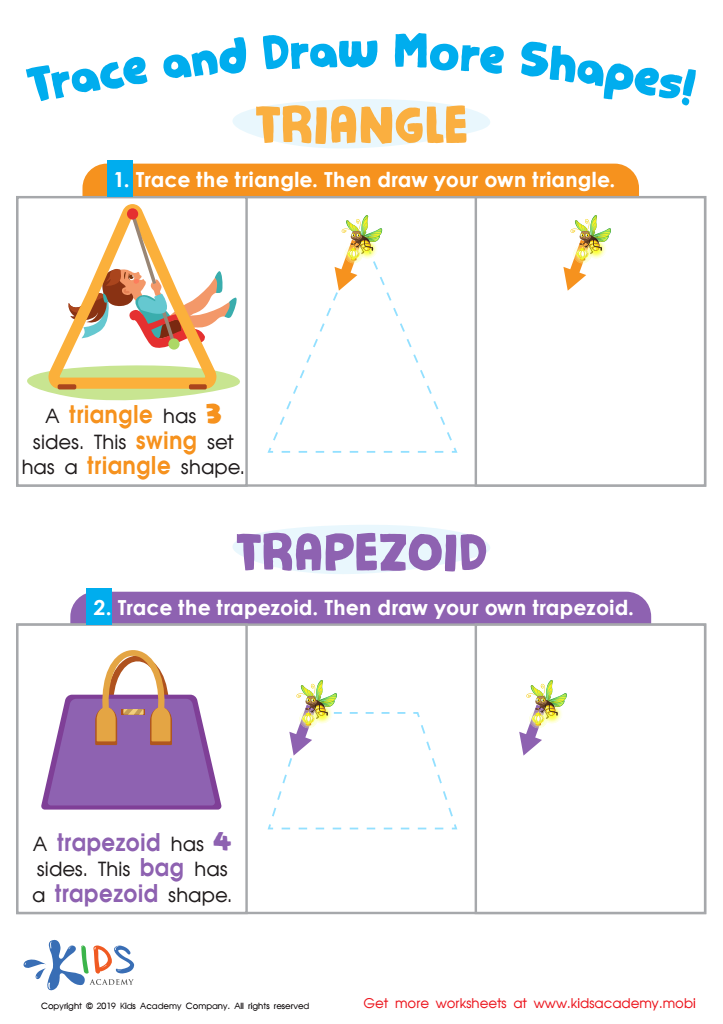
Trace and Draw More Shapes Worksheet
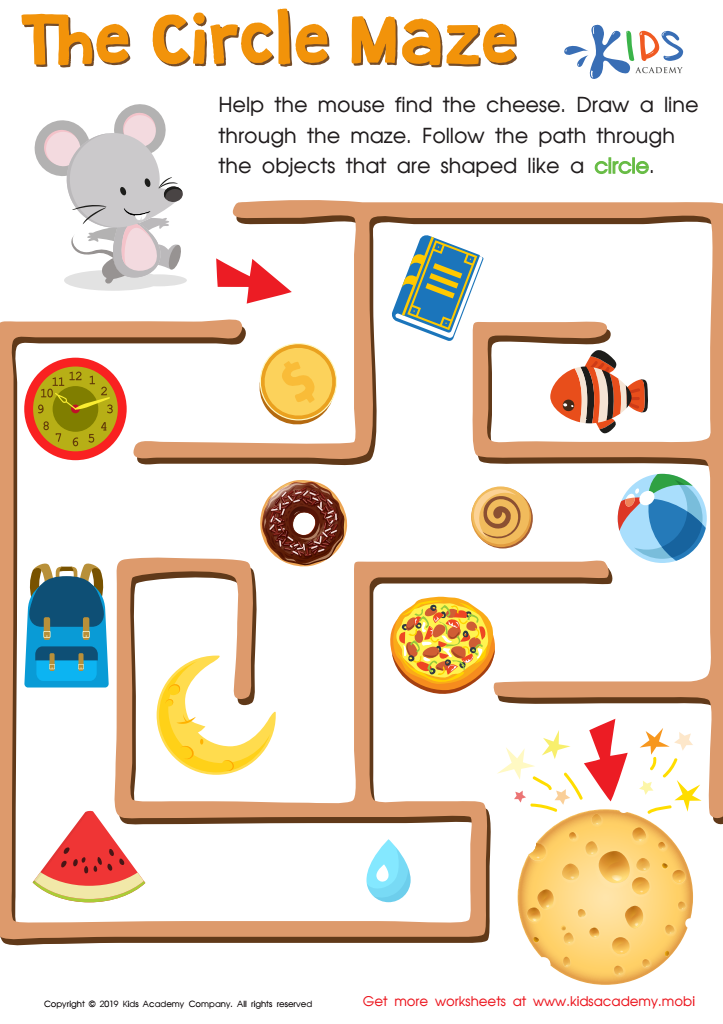
The Circle Maze Worksheet








Fine motor skills are crucial developmental milestones for children aged 3-7, as they lay the foundation for a range of future tasks such as writing, typing, and daily personal care. "Extra Challenge Geometry" activities specifically targeted at this age group can significantly enhance these skills in an engaging and educational manner.
Parents and teachers should be attentive to these activities because they encourage precise hand-eye coordination. Activities involving geometric shapes often require children to carefully manipulate small objects, tools, or drawing instruments. This not only helps them develop finger dexterity and strength but also prepares them for more complex motor tasks.
Additionally, geometry-focused challenges can stimulate cognitive development. When children experiment with shapes, patterns, and spatial arrangements, they enhance their problem-solving abilities and spatial reasoning. This is especially important as spatial awareness is fundamental to understanding more advanced mathematical concepts later in life.
Moreover, engaging children in such activities enriches their learning environment, making education a multisensory experience. Kids who participate in creatively designed challenges are more likely to retain information and develop a lasting interest in STEM subjects.
In summary, integrating "Fine Motor Skills Extra Challenge Geometry" activities into the routines of young children can contribute substantially to their physical, cognitive, and educational growth, equipping them with essential skills for future academic and personal success.








