Hand-eye Coordination Extra Challenge Math Worksheets for Ages 3-7
9 filtered results
-
From - To
Boost your child's learning with our engaging "Hand-eye Coordination Extra Challenge Math Worksheets" designed for ages 3-7! These worksheets creatively combine math skills and hand-eye coordination exercises, offering a fun way to improve motor skills while mastering essential math concepts. Each activity is tailored to young learners, blending problem-solving with fine motor tasks to ensure an interactive experience. Your little ones will practice counting, number recognition, and basic addition, all while honing their coordination abilities. Perfect for parents and teachers alike, our worksheets foster a love for learning through play. Download now and watch your child's confidence and skills soar!
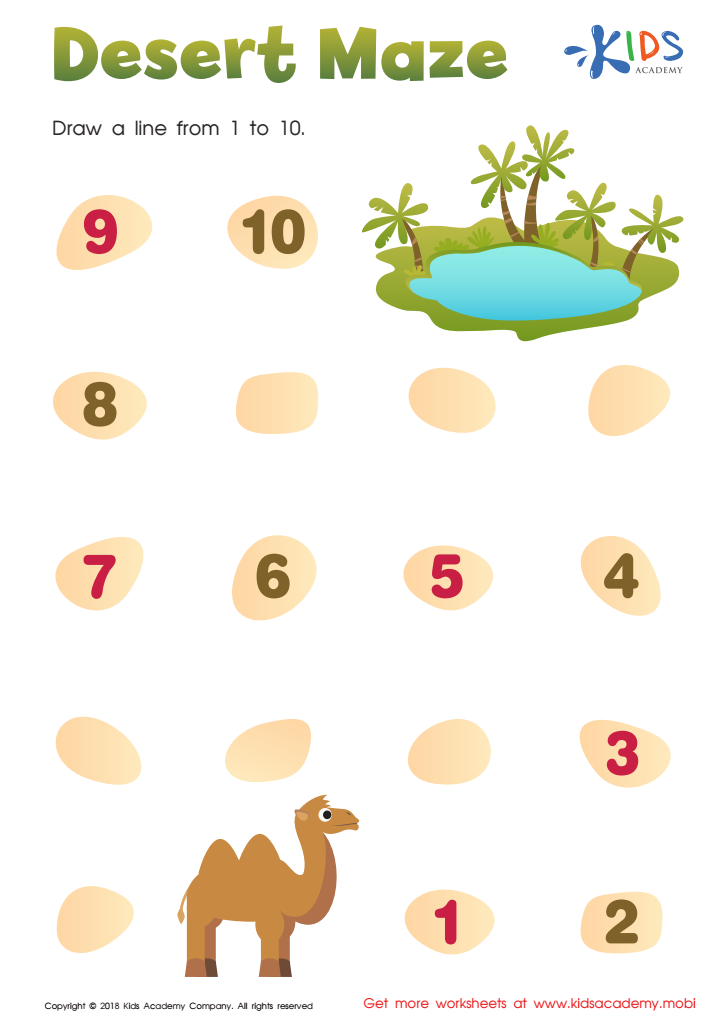
Desert Maze Worksheet
 Assign to My Students
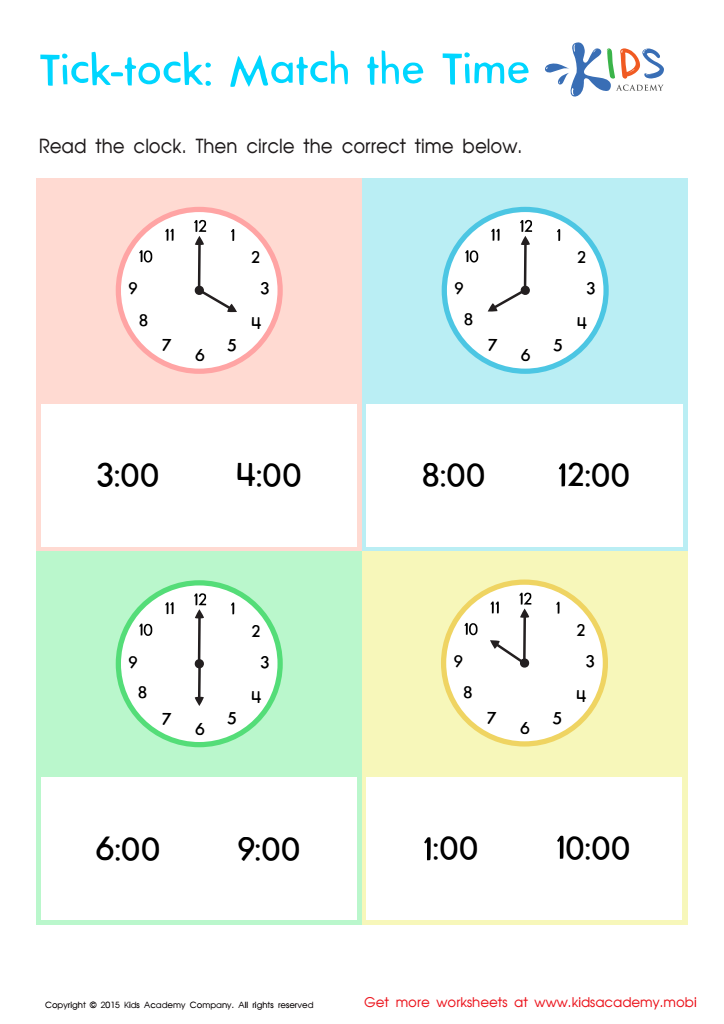
Telling The Time Worksheet: Part 4
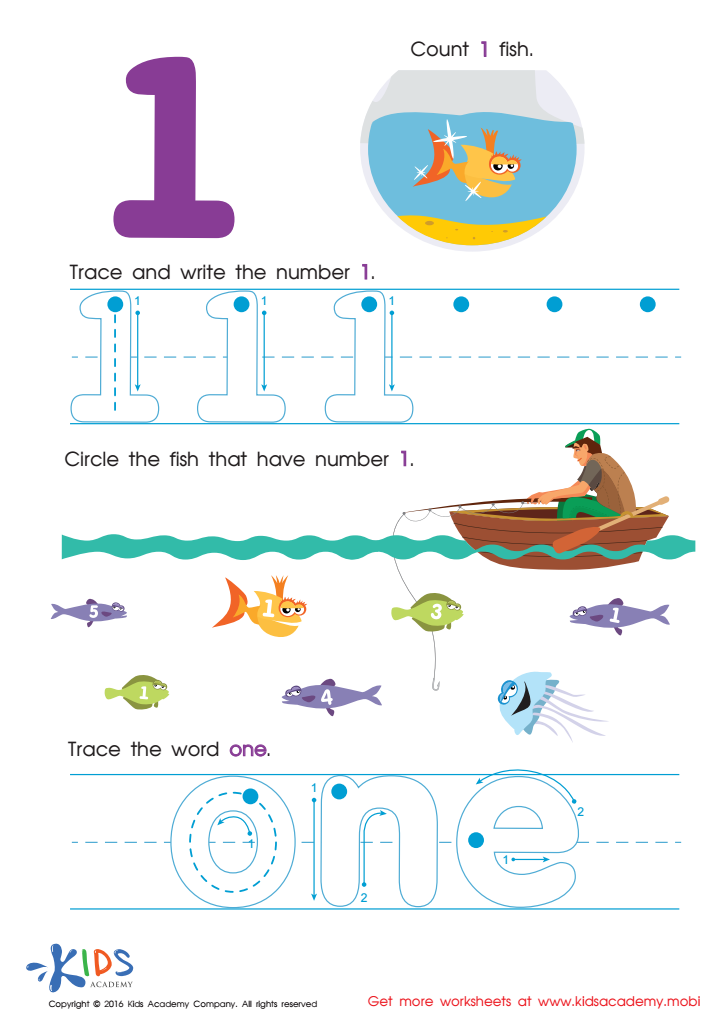
Learning to Write 1 Worksheet
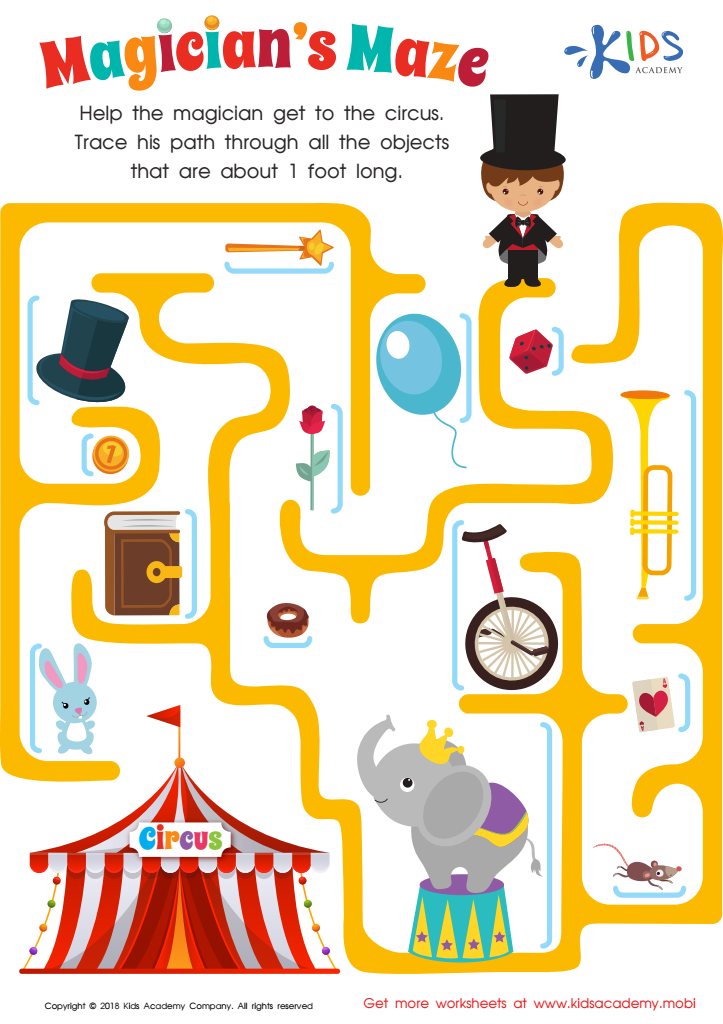
Estimating Length: Magician's Maze Worksheet
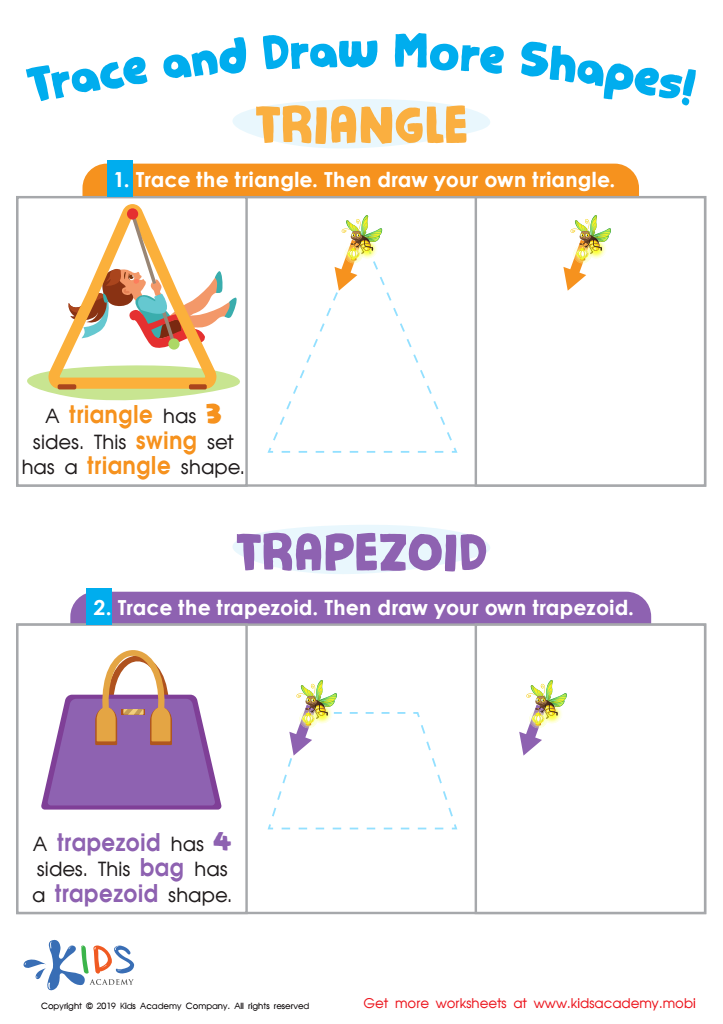
Trace and Draw More Shapes Worksheet
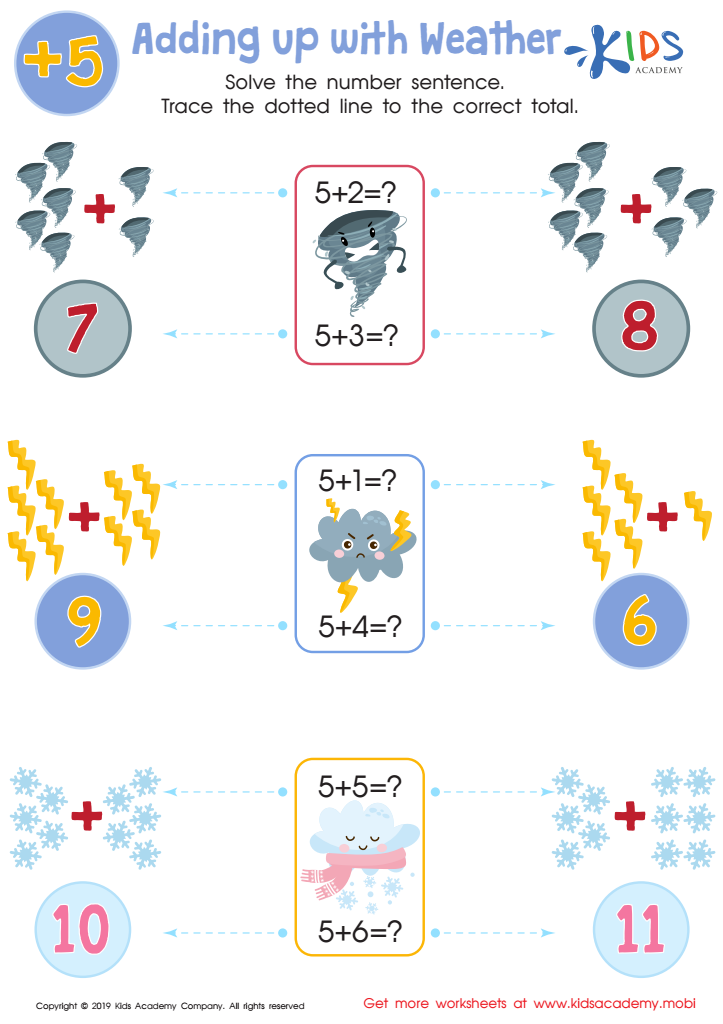
Adding up With Water Worksheet
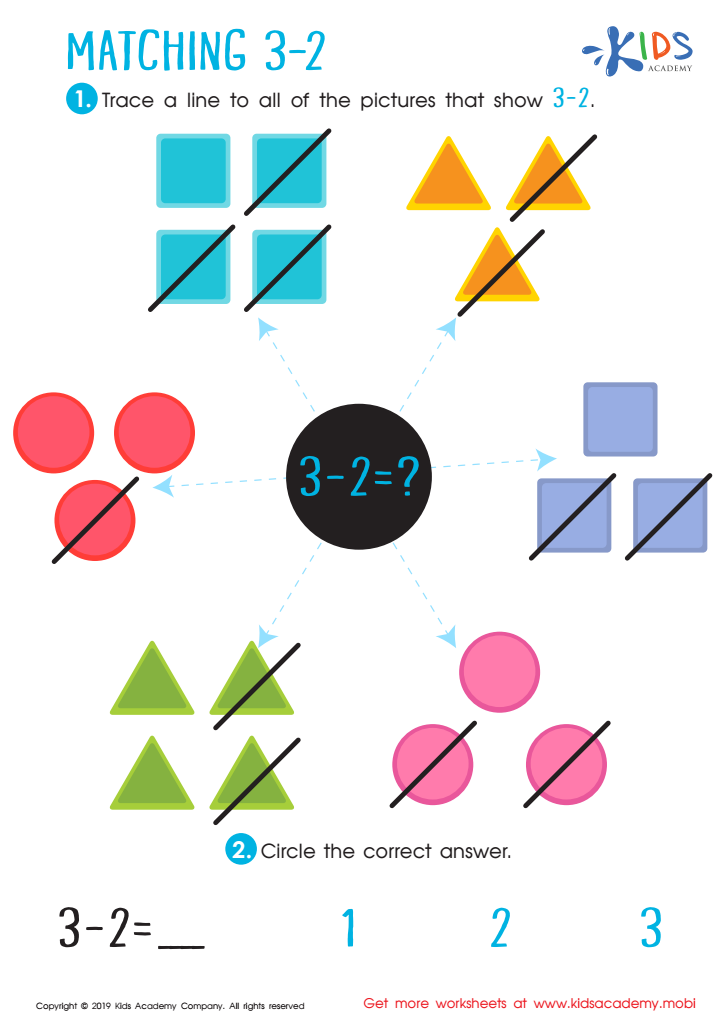
Matching 3-2 Worksheet
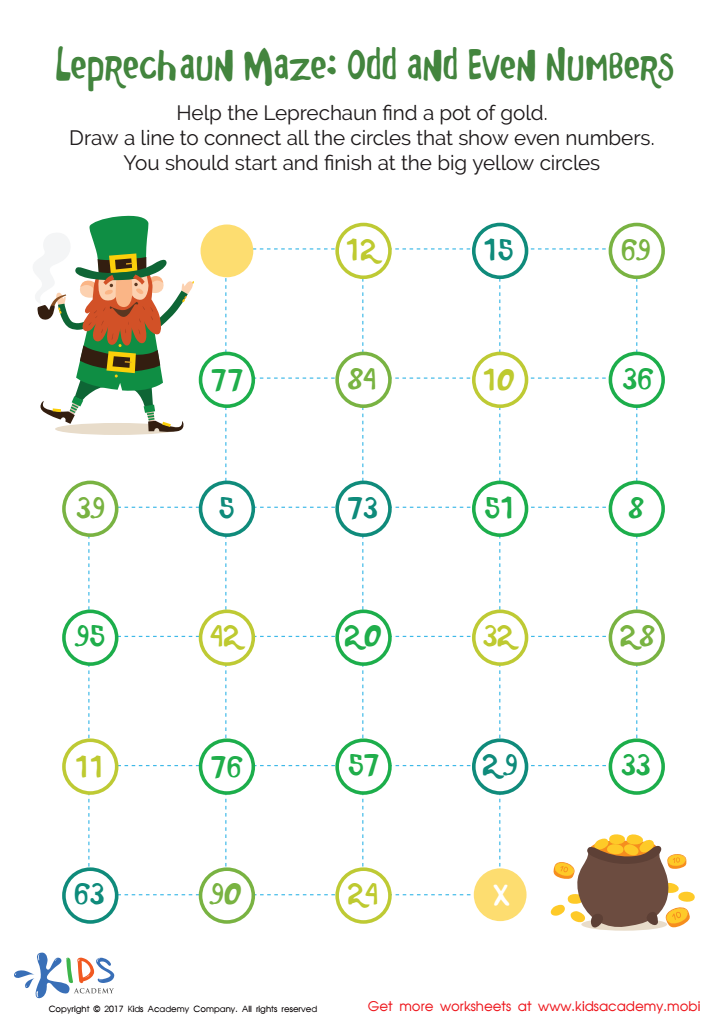
Leprechaun Maze Printable
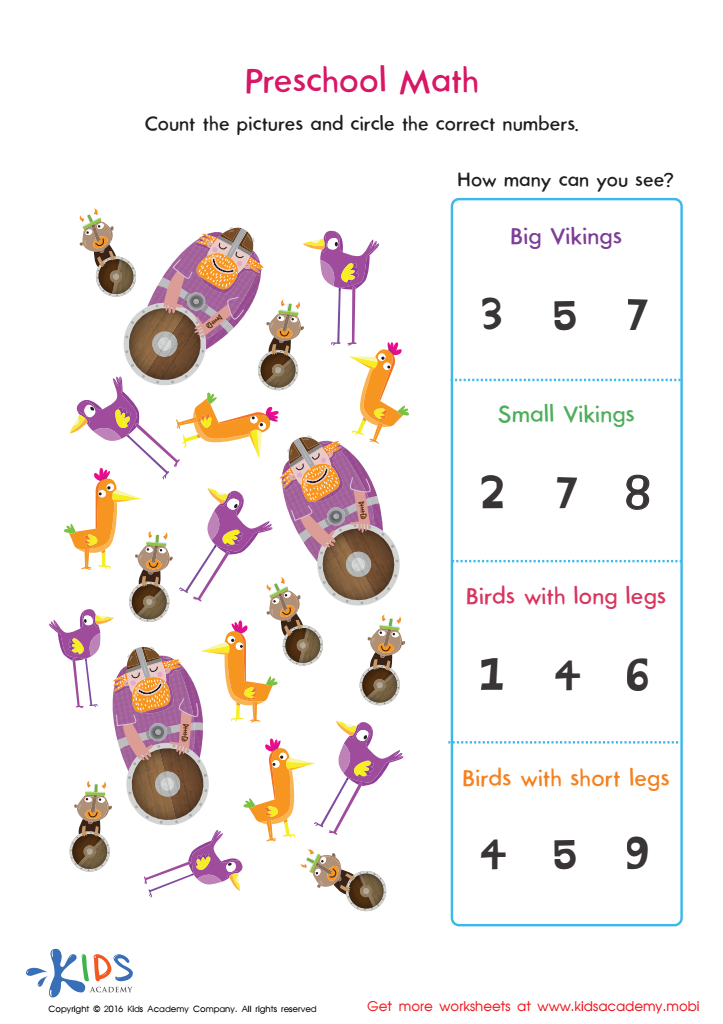








Hand-eye coordination is a crucial skill that significantly impacts a child's overall development, particularly in young learners aged 3 to 7. This ability enables children to effectively coordinate their visual perception with movements, which is essential for a variety of tasks. For parents and teachers, encouraging activities that enhance hand-eye coordination, such as challenges intertwined with math, can deliver substantial benefits.
Math concepts, even in early stages, can become more engaging when combined with physical activities that require coordination. For example, exercises that involve counting objects dispersed in the environment encourage children to look closely, grasp accurately, and manipulate items, reinforcing both math and fine motor skills.
Moreover, children at this stage are naturally inclined toward active, playful learning. Integrating hand-eye coordination activities into math can make learning feel dynamic and enjoyable, fostering a positive attitude toward education. These skills not only support academic achievements but also build confidence and promote perseverance as children learn how to solve problems effectively.
In conclusion, emphasizing hand-eye coordination within early math challenges helps lay a robust foundation for cognitive and physical development, ensuring children are better equipped to thrive both in school and beyond.