Spelling practice Extra Challenge Writing Worksheets for Ages 3-7
5 filtered results
-
From - To
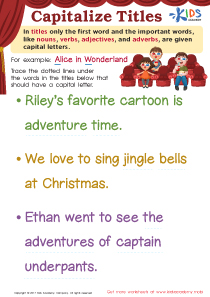
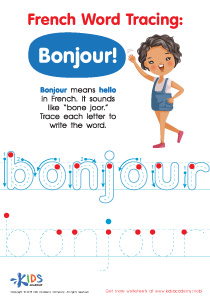
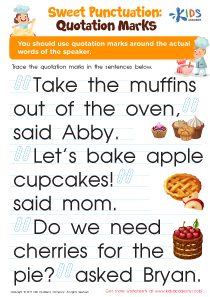
Elevate your child’s spelling skills with our Extra Challenge Writing Worksheets for ages 3-7! Designed to engage young learners, these worksheets offer a fun and interactive way to enhance spelling abilities. Kids will enjoy a variety of exercises that promote phonetic awareness, vocabulary development, and handwriting practice. Each worksheet is tailored to provide an extra challenge, encouraging children to think critically and creatively. Perfect for both home and classroom use, these resources empower children to build confidence in their spelling skills while fostering a love for learning. Explore our collection and watch your child excel in spelling today!
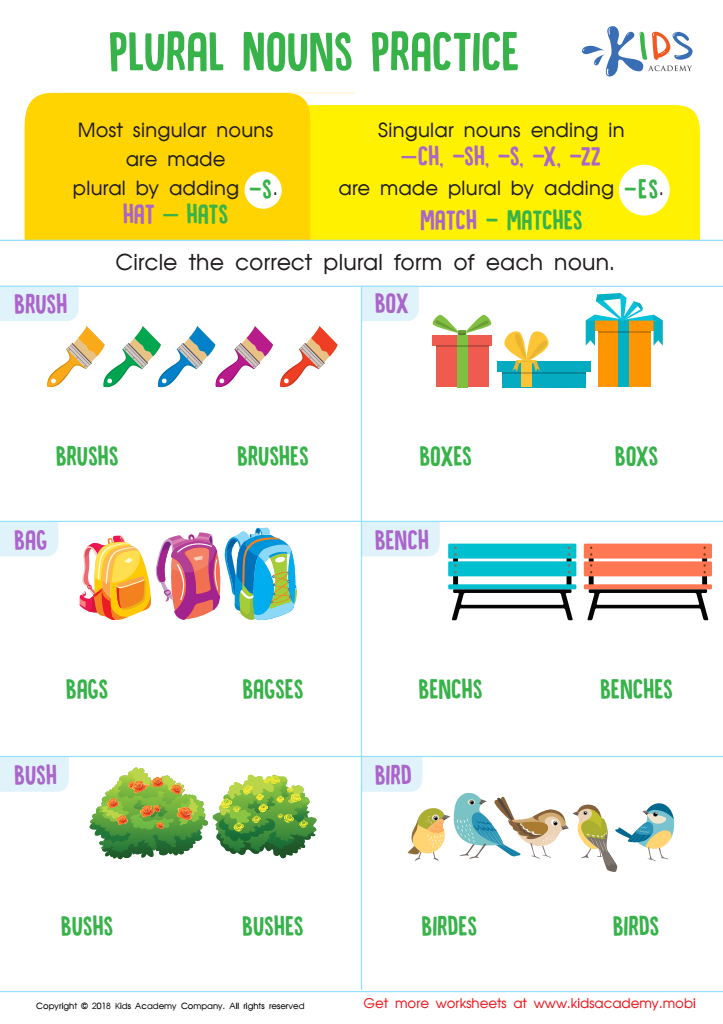
Plural Nouns Practice Worksheet
 Assign to My Students
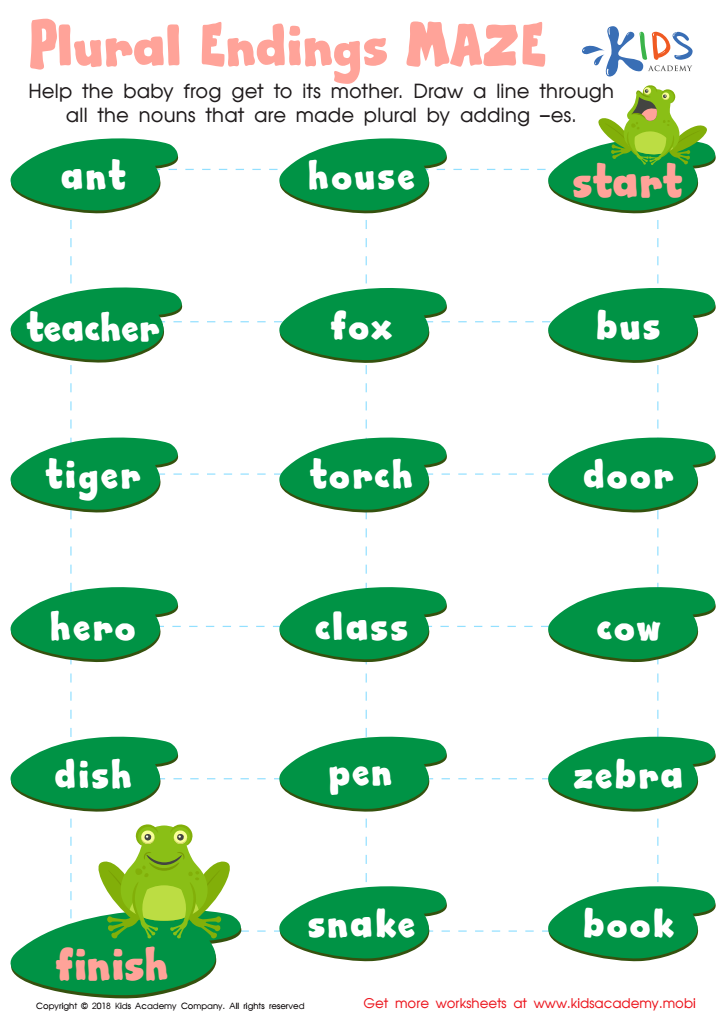
Plural Endings Maze Worksheet
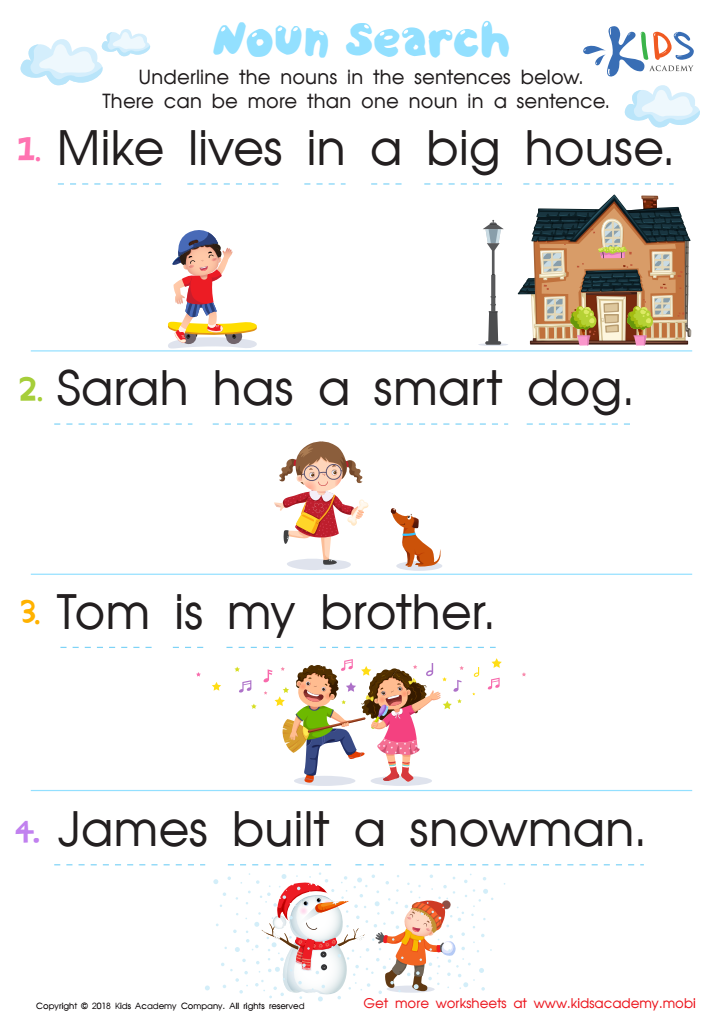
Noun Search Worksheet
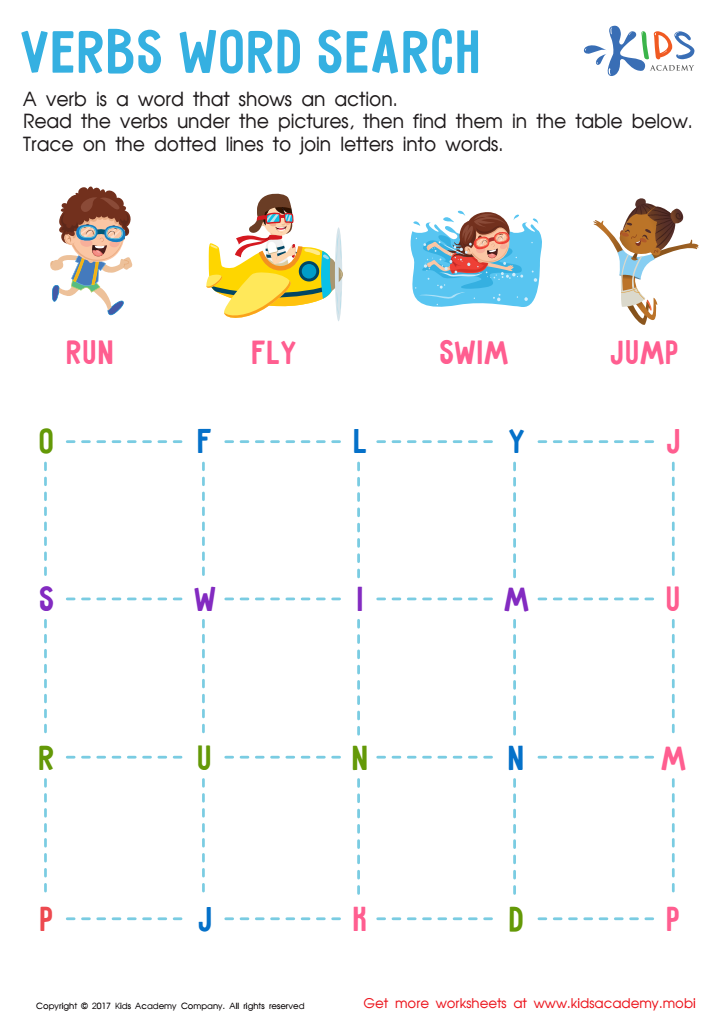
Verbs Word Search Worksheet
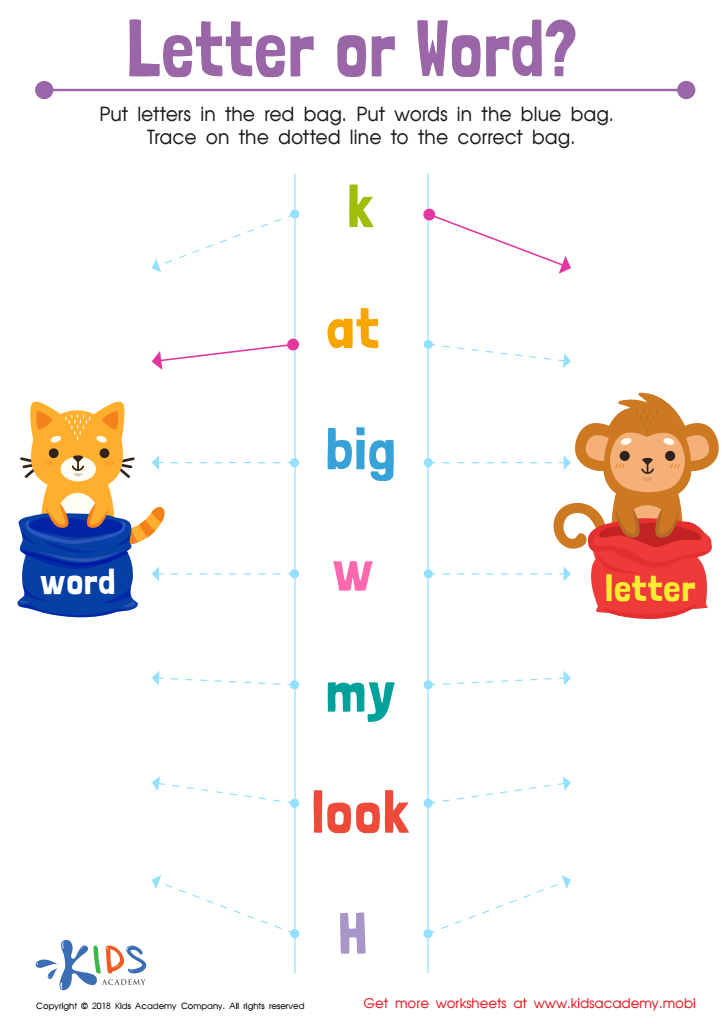
Letter or Word? Worksheet








Spelling practice and challenge writing for ages 3-7 are essential components of early childhood education that lay the groundwork for literacy development. At this stage, children are developing their phonemic awareness, vocabulary, and basic writing skills, which are all critical for future academic success. Engaging in spelling practice helps children recognize patterns in words, improving their ability to decode and spell unfamiliar words as they progress.
When parents and teachers incorporate extra challenge writing, they encourage children to practice using words in context, enhancing their cognitive and language skills. This not only boosts their spelling but also promotes creativity and critical thinking as they form sentences and narratives. Challenge writing presents opportunities for deeper engagement, fostering a love for language and confidence in written expression.
Moreover, regular spelling and writing practice can identify any early learning difficulties, allowing for timely intervention, ensuring children stay on track. Ultimately, caring about these practices empowers children with lifelong communication skills, setting the stage for future academic accomplishments and personal expression. For parents and teachers, being proactive in promoting spelling and writing can create a more enriching learning environment, encouraging a positive attitude towards reading and writing that lasts a lifetime.