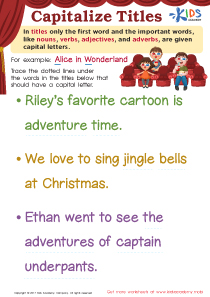
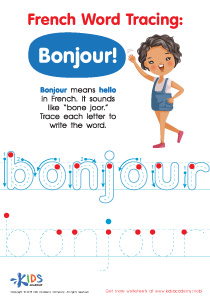
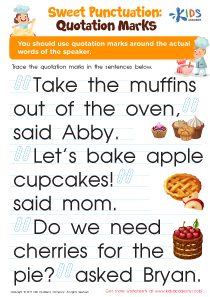
Reading enhancement Extra Challenge Writing Worksheets for Ages 3-8
3 filtered results
Difficulty Level
Grade
Age
-
From - To
Subject
Activity
Standards
Introducing our "Reading Enhancement Extra Challenge Writing Worksheets for Ages 3-8," designed to boost young learners’ literacy skills in a fun and engaging way! These carefully crafted worksheets offer a variety of challenging exercises to develop reading comprehension, vocabulary, and writing abilities. Ideal for children aged 3-8, each activity is designed to make learning exciting, encouraging curiosity and boosting confidence. These worksheets are perfect for use in the classroom or at home, ensuring kids achieve significant progress while enjoying the learning adventure. Help your child excel with our expertly designed Reading Enhancement Extra Challenge Writing Worksheets today!
Favorites
With answer key
Interactive
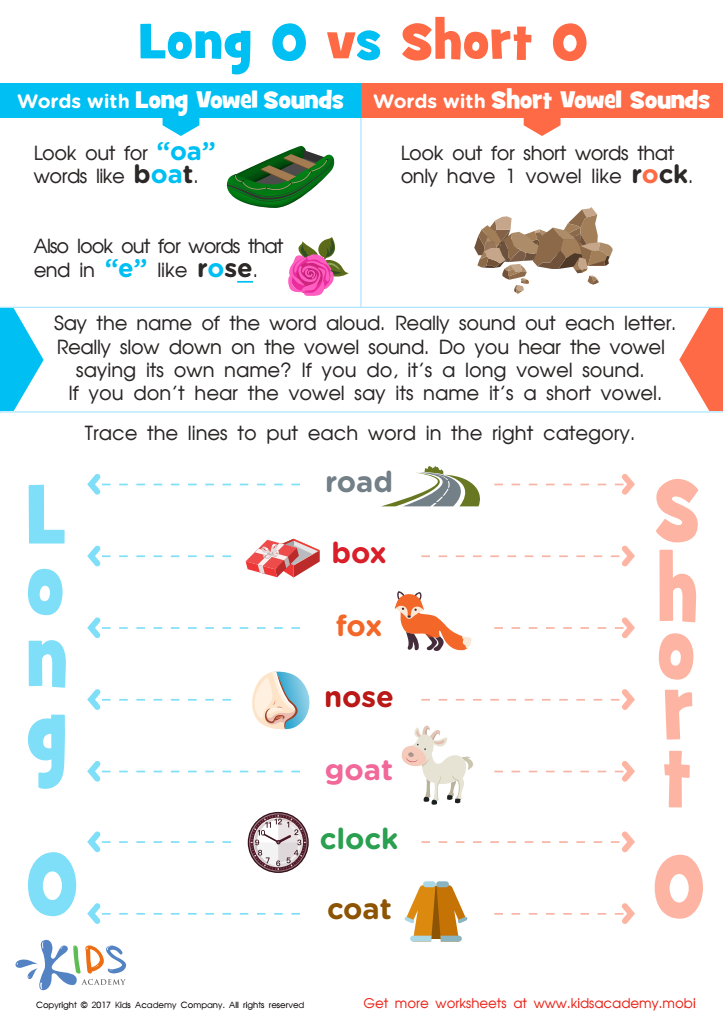
Long and Short Vowel O Spelling Worksheet
This colorful worksheet teaches kids to distinguish tricky "O" words. It's easy to spot the long "O" sound by looking for an extra vowel. Kids practice by viewing examples and sounding out each word. Help your child master long and short vowel "O" sounds!
 Assign to My Students
Long and Short Vowel O Spelling Worksheet
Worksheet
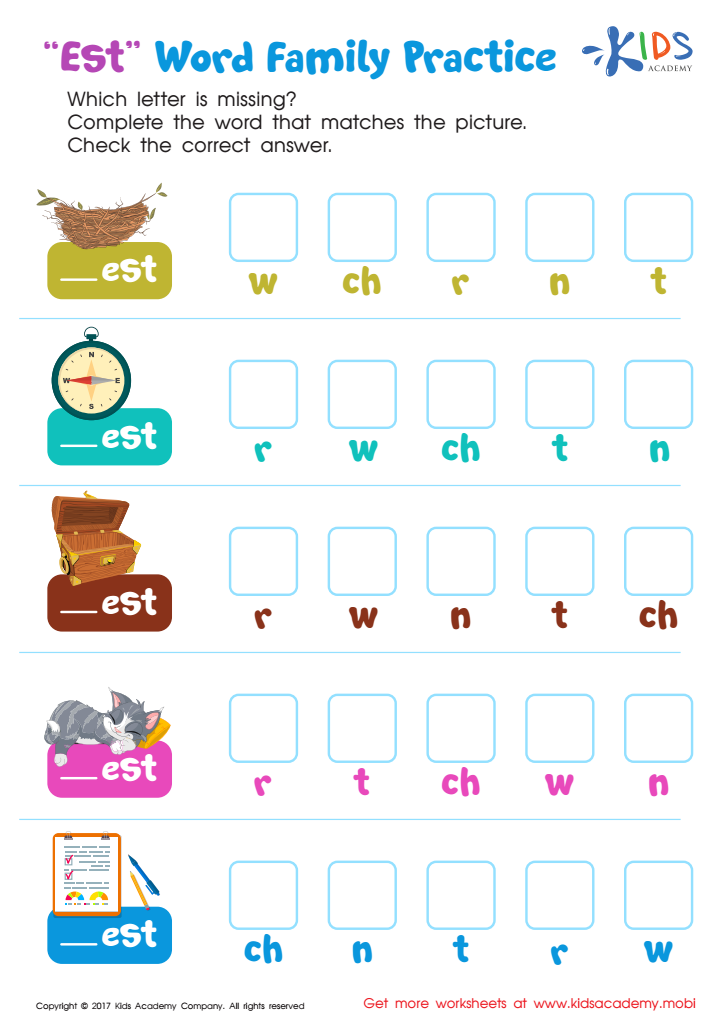
Words Family "est" Spelling Worksheet
Pictures are great for motivating kids as they learn. This spelling worksheet on words ending in "est" will help kids gain confidence and recognition in their spelling ability.
Words Family "est" Spelling Worksheet
Worksheet
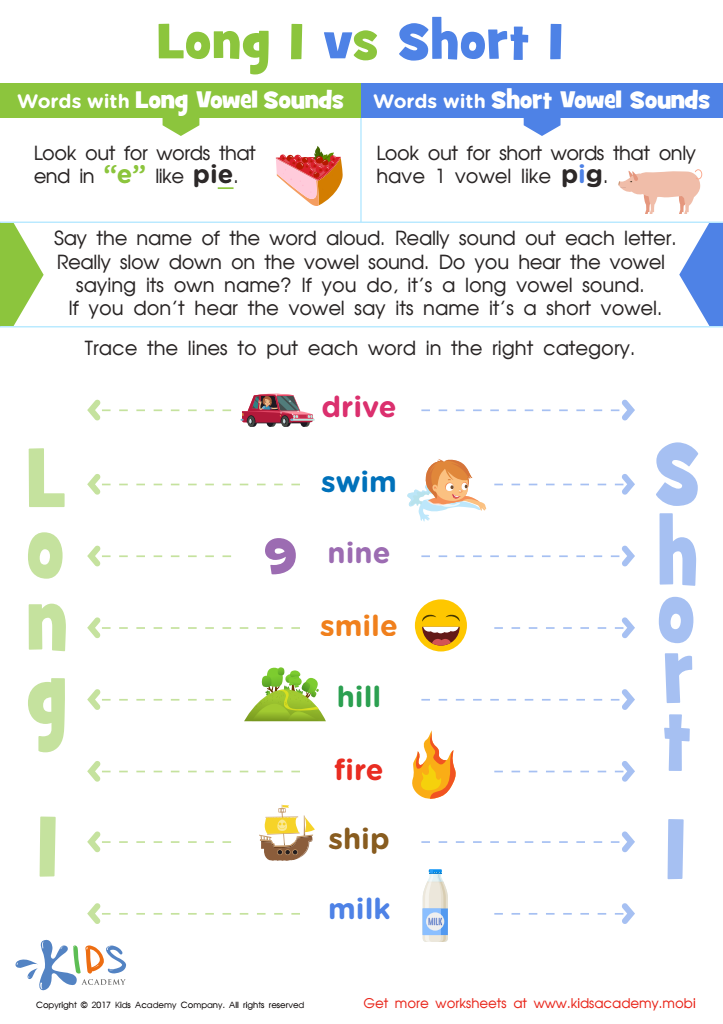
Long and Short Vowel I Spelling Worksheet
When it comes to long "I" sounds, kids should look out for the letter "E" at the end. With examples and sounding out words, kids will improve spelling skills with this long/short "I" worksheet!
Long and Short Vowel I Spelling Worksheet
Worksheet
Join Kids Academy for Free
Who is primarily going to use this learning content?







Encouraging reading enhancement and extra challenge writing activities for children ages 3-8 is crucial for their overall development. During these formative years, young minds are incredibly impressionable and capable of absorbing new skills quickly. Introducing literacy activities early on lays a foundational framework for future learning.
First, early exposure to reading and writing strengthens cognitive skills. Children at this age have rapidly developing brains, making it an ideal period to introduce new concepts. Engaging in reading enhancement helps improve vocabulary, comprehension, and critical thinking skills. Additionally, extra challenge writing activities can foster creativity and the ability to articulate thoughts clearly.
Second, literacy skills are closely linked to academic success. Children who develop strong reading and writing abilities tend to perform better across all subjects, as these skills are essential for understanding and communicating ideas.
Lastly, reading and writing activities promote emotional and social development. Engaging with stories helps children understand different perspectives and emotions, fostering empathy. Collaborative writing and sharing stories can also enhance social interaction and communication skills.
Parents and teachers play an essential role in guiding and motivating young learners. By prioritizing these activities, they are not just teaching children to read and write, but they are also setting the stage for lifelong learning and success.