Reading enhancement Extra Challenge Alphabet Worksheets for Ages 3-9
3 filtered results
-
From - To
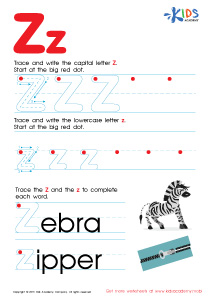
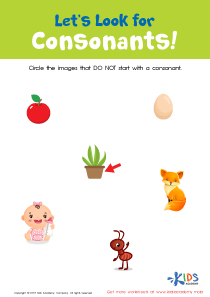
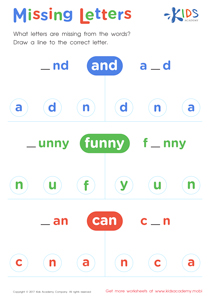
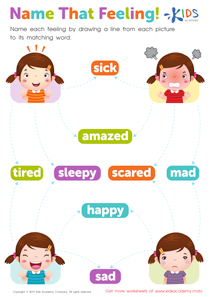
Discover our "Reading Enhancement Extra Challenge Alphabet Worksheets," designed for ages 3-9! These engaging, printable resources help your child master the alphabet while boosting early reading skills. Our worksheets are specially crafted to challenge young learners, making literacy fun and interactive. With a variety of activities, children will explore letter recognition, phonics, and vocabulary development. Ideal for both classroom and home use, these worksheets encourage independent learning and build confidence. Perfect for enhancing reading readiness, our thoughtfully designed challenges will stimulate curiosity and foster a love for reading in your child. Get started on an exciting literacy journey today!
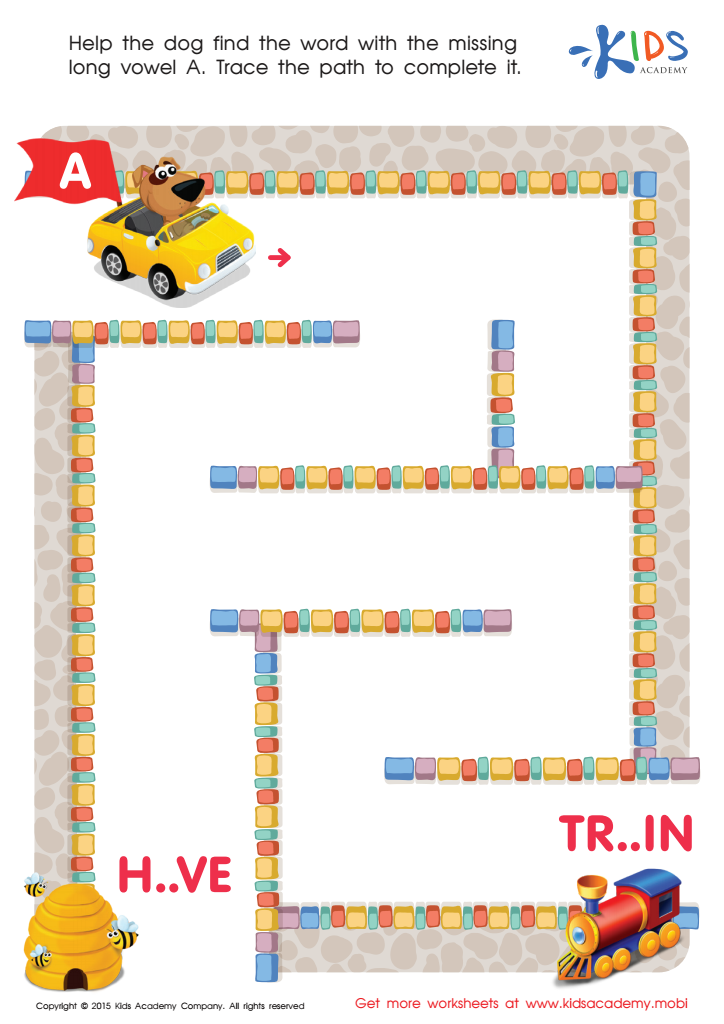
Long Vowel Sound A Worksheet
 Assign to My Students
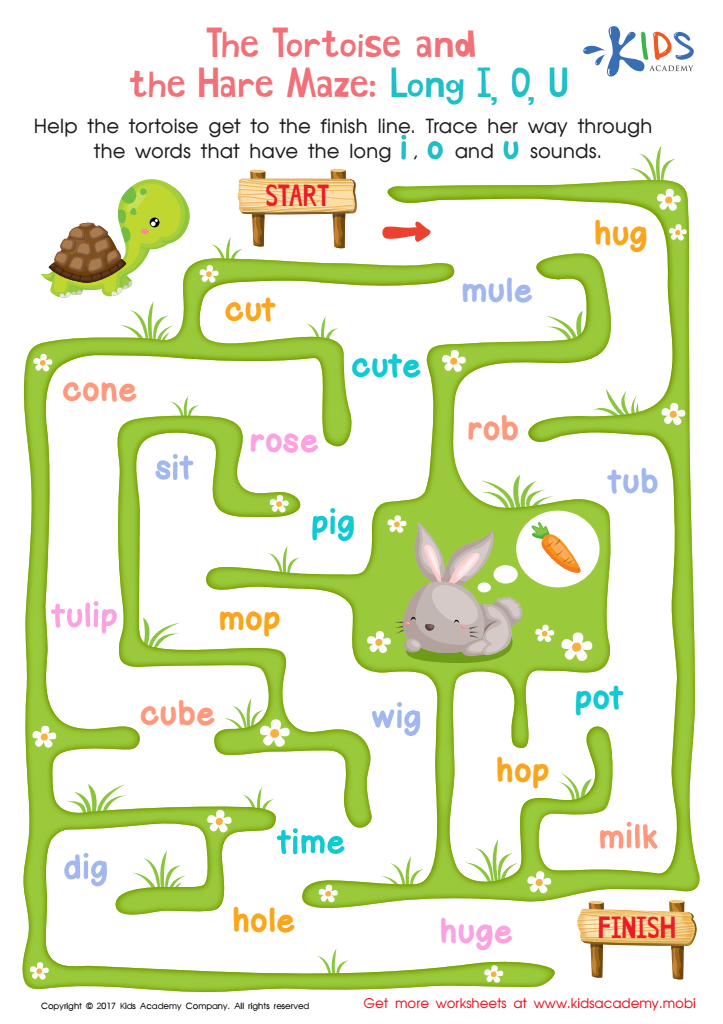
Long I, O, U Words Worksheet
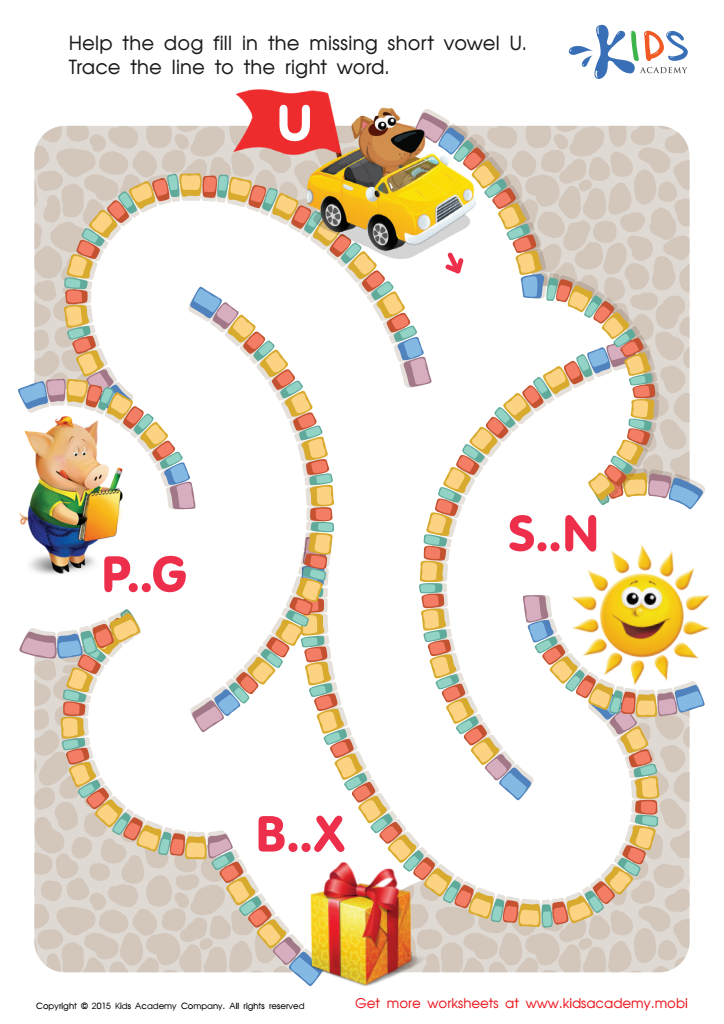
Short Vowel Sound U Worksheet




.jpg)



Parents and teachers should care about the Reading Enhancement Extra Challenge Alphabet program for children aged 3-9 because it plays a pivotal role in early literacy development. This program is specifically designed to foster a love for reading while developing essential literacy skills. At this critical age, children are forming foundational reading skills, and engaging them in an interactive, challenge-based program can help reinforce their understanding of letter sounds, vocabulary, and comprehension.
Research shows that children who are introduced to engaging literacy activities at a young age are more likely to develop a positive attitude towards reading, which carries into their later academic years. The program is also beneficial for diverse learning styles. It provides a variety of activities that cater to visual, auditory, and kinesthetic learners, ensuring that all students can benefit.
Moreover, a strong literacy foundation is linked to overall success in education and life. With increased reading skills, children feel more confident and equipped to navigate the curriculum across subjects. Ultimately, the Reading Enhancement Extra Challenge Alphabet program can foster not only literacy but also critical thinking, empathy, and creativity, making it an invaluable resource for educators and parents alike. Ensuring that children are well-equipped with these skills helps build the foundation for lifelong learning.