Alphabet Recognition Extra Challenge English for Beginners Worksheets for Ages 3-9
3 filtered results
-
From - To
Boost your child’s alphabet recognition skills with our Alphabet Recognition Extra Challenge English for Beginners Worksheets, designed for ages 3-9. These engaging worksheets provide a fun and interactive way for young learners to master the alphabet. Perfect for ESL learners, these extra challenges help enhance letter identification, phonics, and early reading abilities. Our carefully curated activities offer varying difficulty levels to keep your child motivated and excited to learn. Support their educational journey with our proven resources, designed to build a strong foundation in English. Empower your little ones today with captivating and effective alphabet recognition practice!
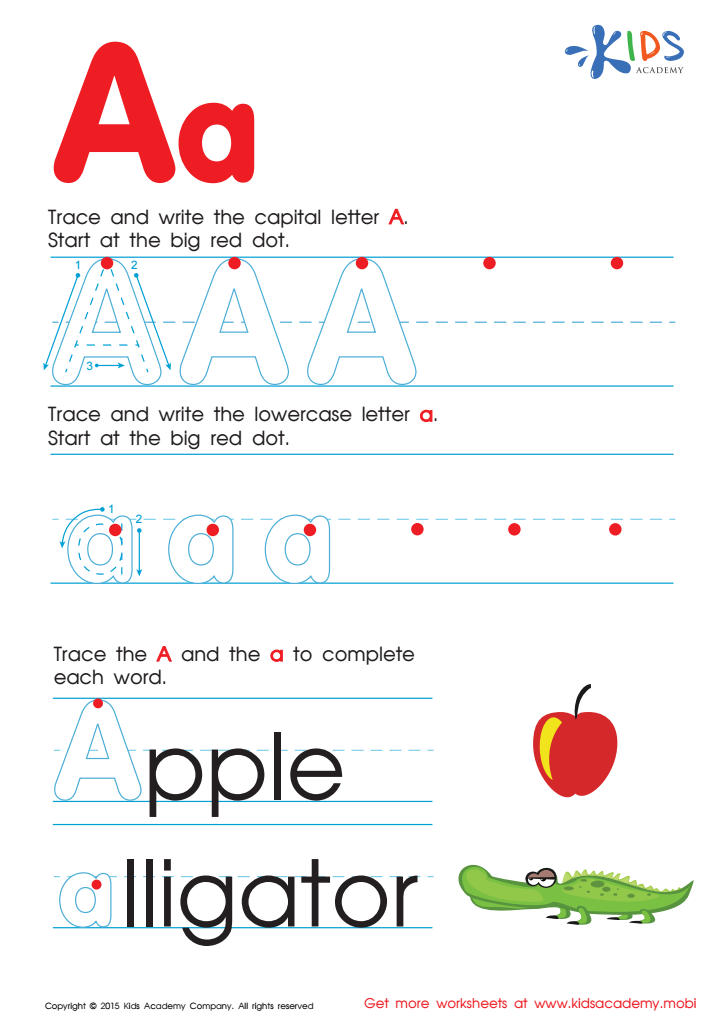
Letter A Tracing Page
 Assign to My Students
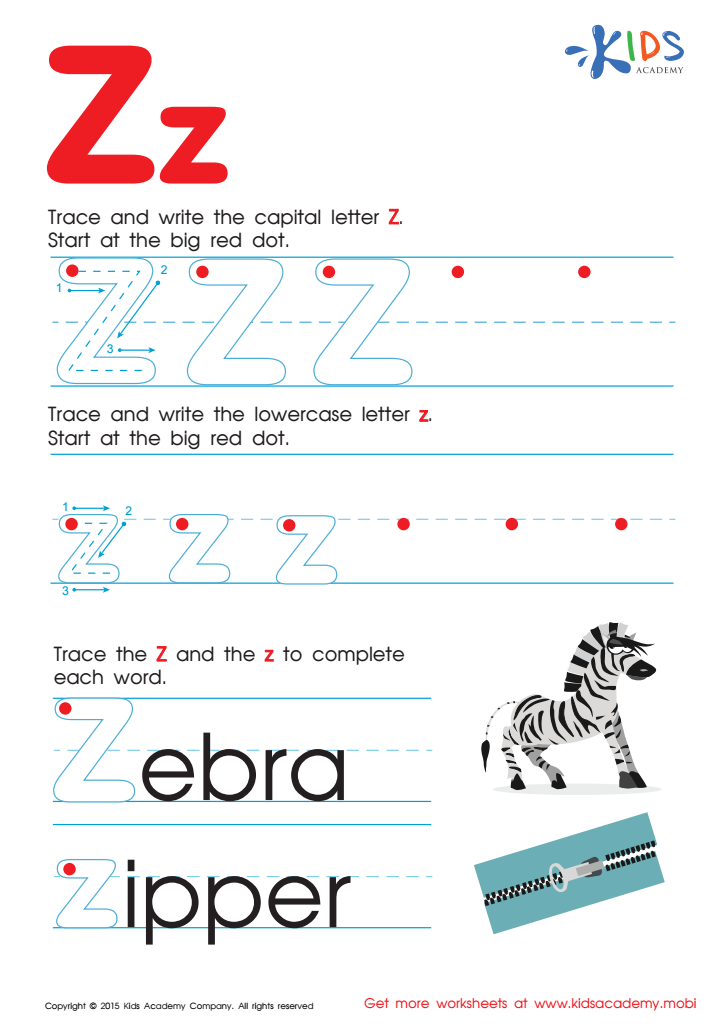
Letter Z Tracing Page
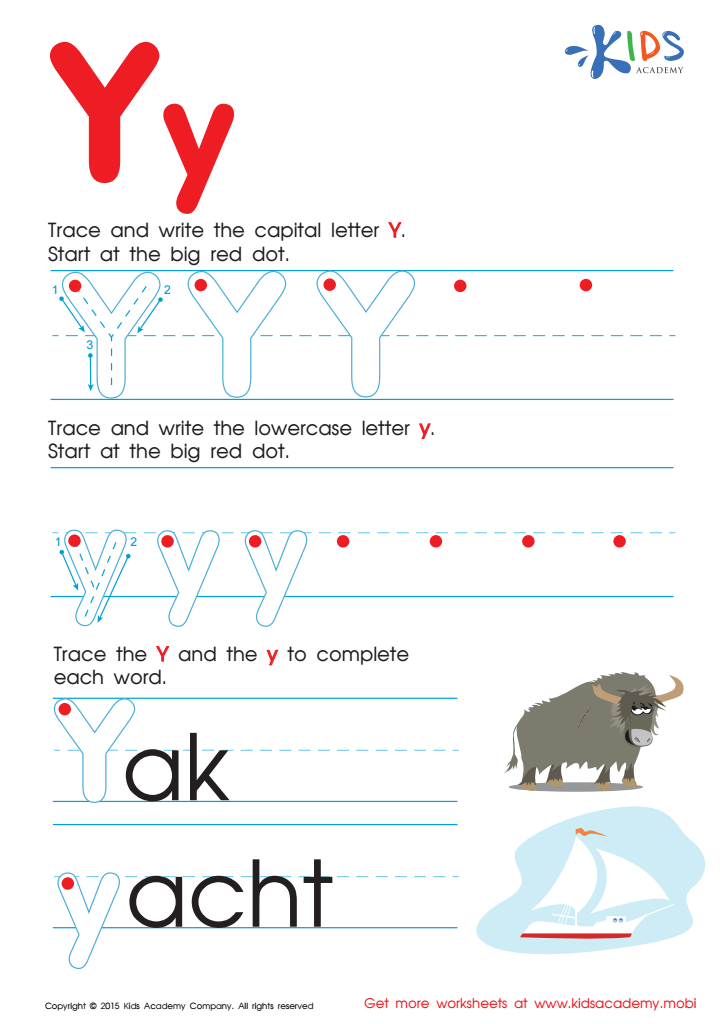
Letter Y Tracing Page





Alphabet Recognition Extra Challenge English for Beginners for Ages 3-9 is a vital educational tool that both parents and teachers should value immensely. Early childhood is a critical period for brain development, and mastering the alphabet is the foundation upon which literacy skills are built. Recognizing and understanding letters equips children with the skills needed for reading and writing, cornerstones of educational achievement and lifelong learning.
Programs that offer extra challenges in alphabet recognition stimulate cognitive growth and reinforce fine motor skills. They make learning interactive and fun, thereby keeping young children engaged. Instilling these skills at an early age ensures that children are prepared for kindergarten and able to meet academic benchmarks with confidence.
Furthermore, developing a strong sense of the alphabet enhances phonemic awareness, which is crucial for pronunciation, spelling, and vocabulary building. These programs also foster a positive attitude towards learning by offering a sense of accomplishment with each challenge met. Involving parents can strengthen familial bonds, integrating learning into everyday activities and turning alphabet recognition into a collaborative, supportive endeavor.
For teachers, such programs provide a structured, adaptable curriculum that can be tailored to individual student needs, paving the way for differentiated instruction and thereby boosting educational outcomes for all students.








