Letter recognition Extra Challenge English for Beginners Worksheets for Ages 3-9
7 filtered results
-
From - To
Unlock your child's potential with our "Letter Recognition Extra Challenge Worksheets," designed specifically for English beginners aged 3-9. These fun and engaging worksheets are perfect for enhancing letter recognition skills while fostering a love for learning. Challenge your little ones with diverse activities that include tracing, matching, and identifying letters in various contexts. Each worksheet caters to different learning styles and ensures that children build a strong foundation in literacy. Tailored for young learners, our resources make mastering the alphabet enjoyable and effective. Explore our interactive worksheets today and pave the way for your child's success in reading and writing!
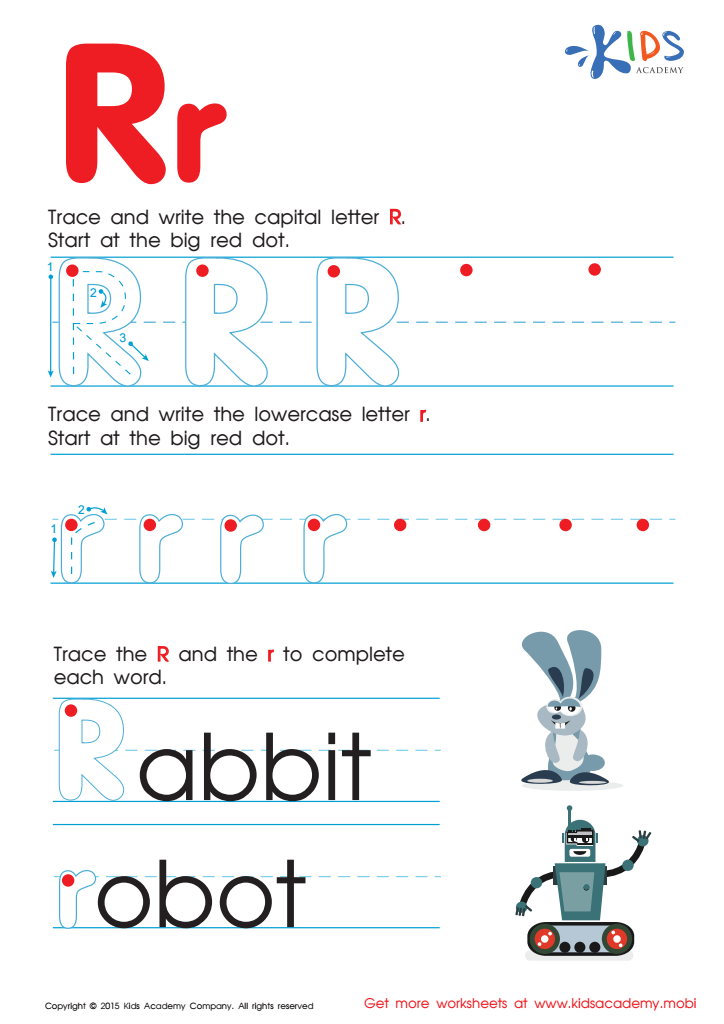
Letter R Tracing Page
 Assign to My Students
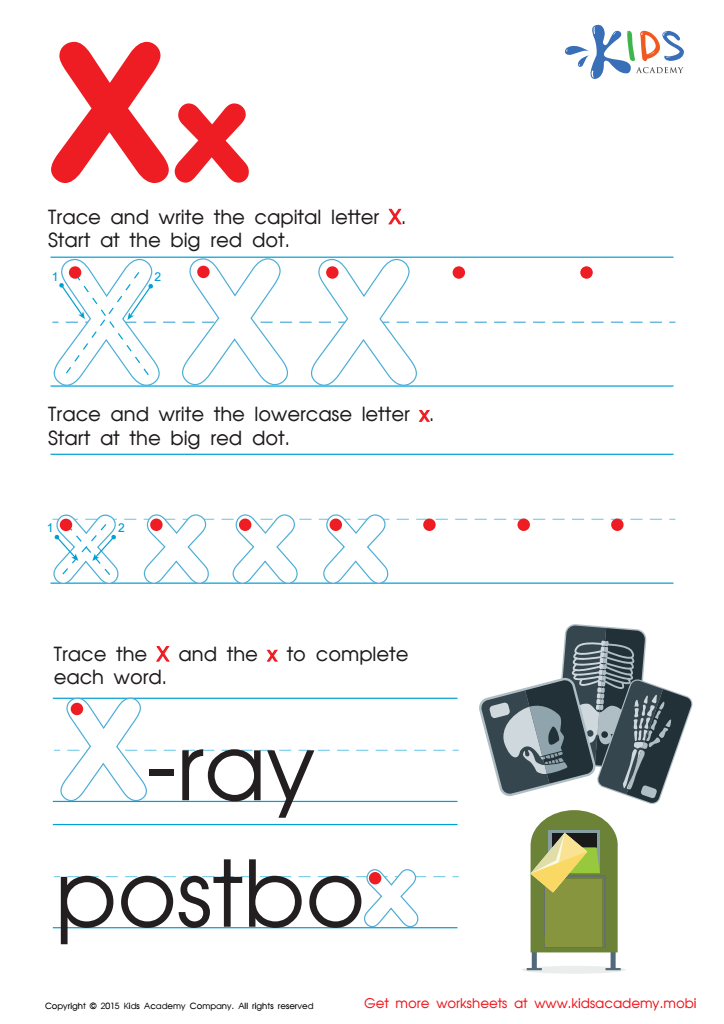
Letter X Tracing Page
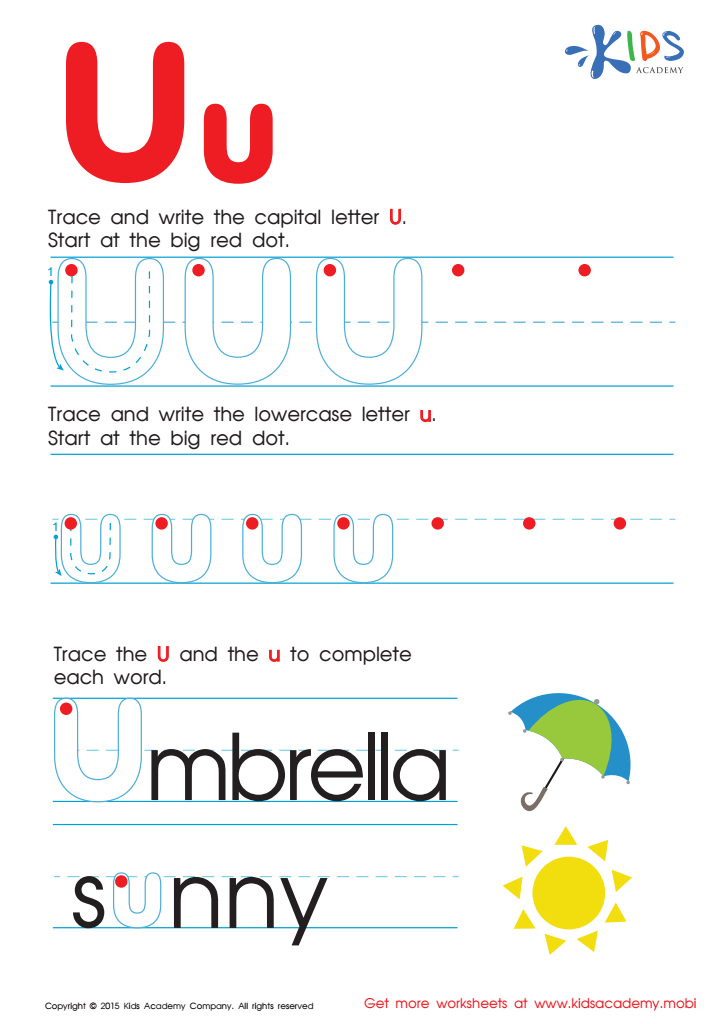
Letter U Tracing Page
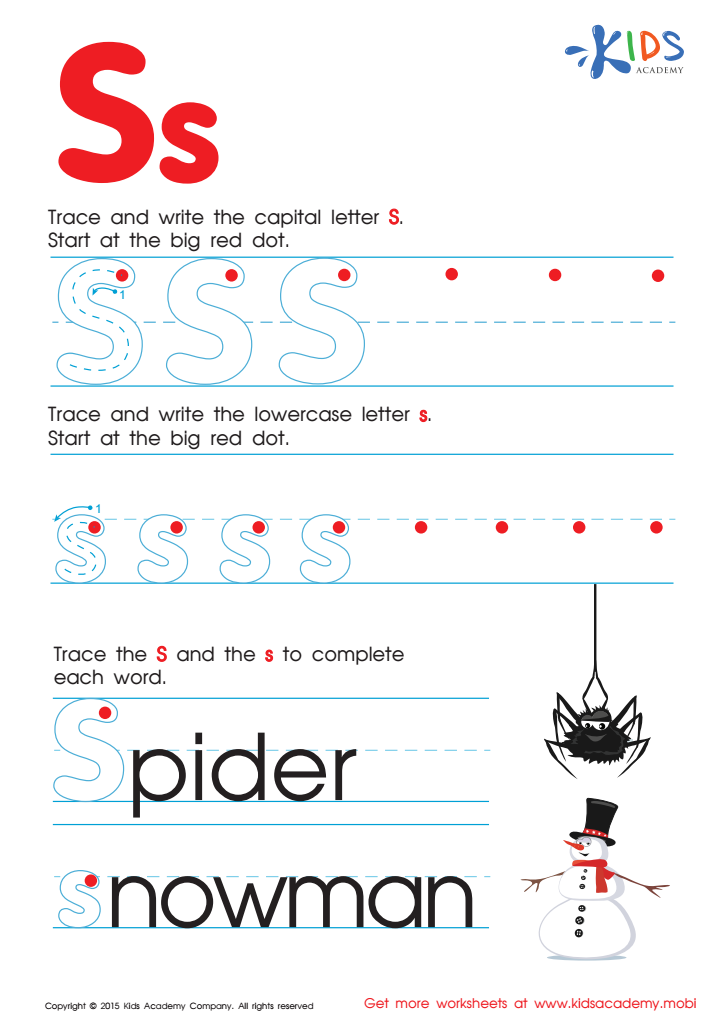
Letter S Tracing Page
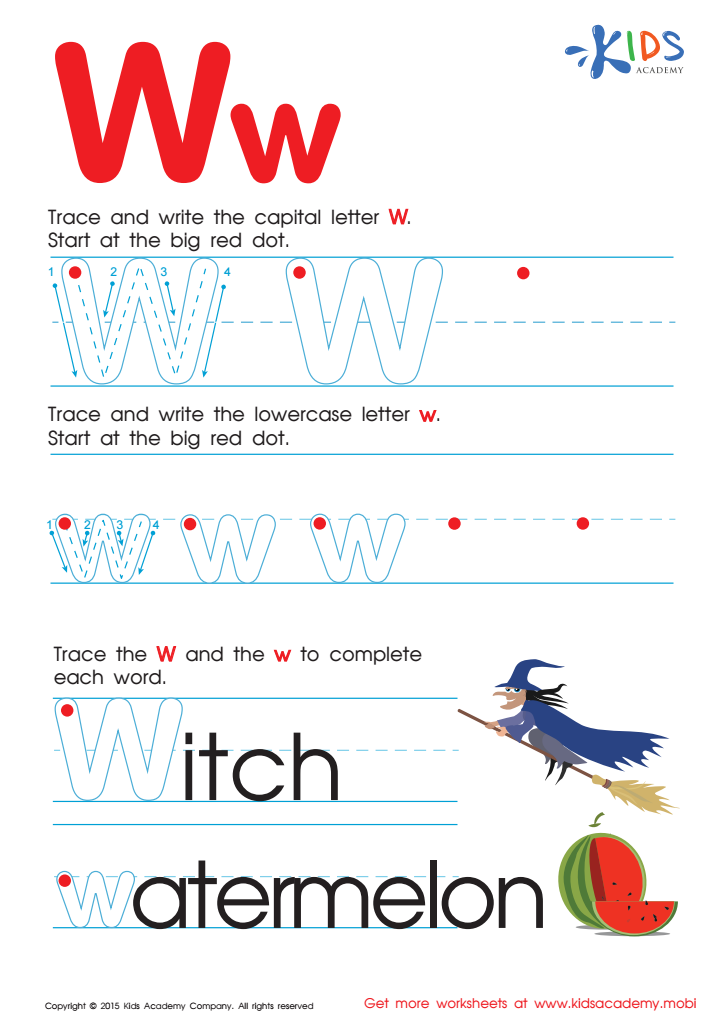
Letter W Tracing Page
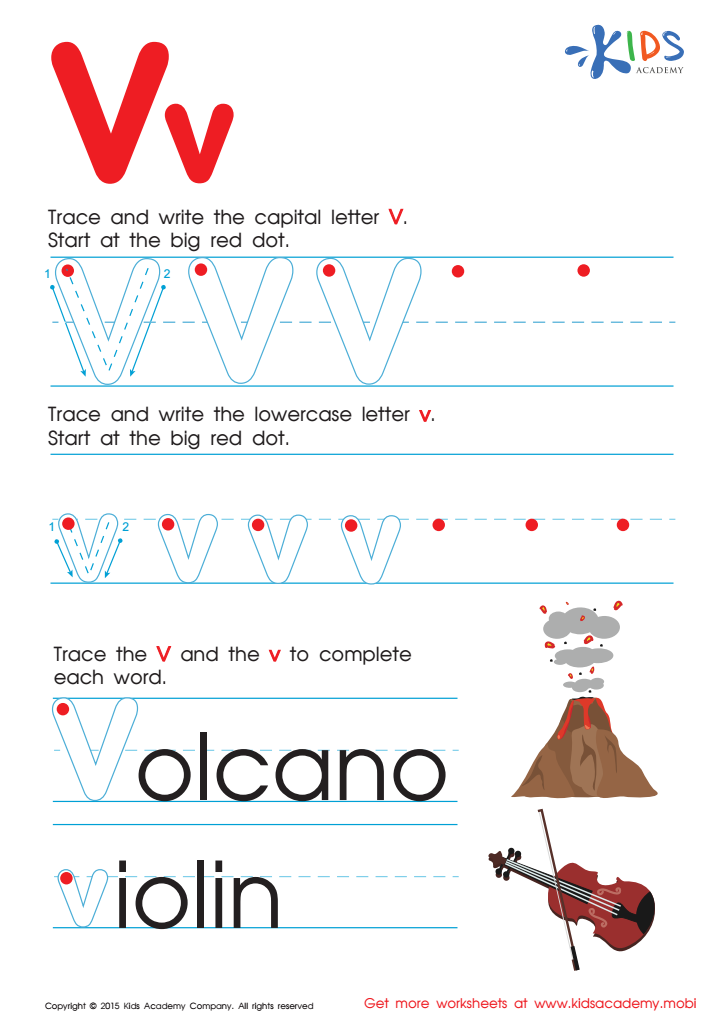
Letter V Tracing Page
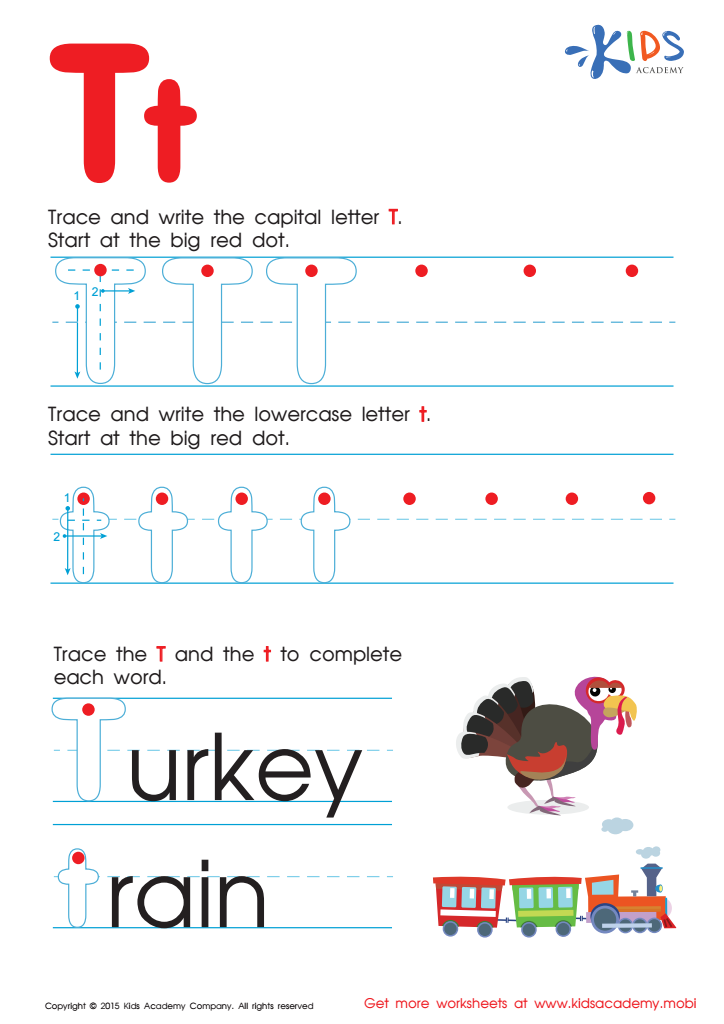
Letter T Tracing Page





Letter recognition is a foundational skill that significantly contributes to a child's literacy development. For parents and teachers of English for Beginners aged 3-9, this skill is particularly vital, as it sets the stage for reading, writing, and overall language acquisition. Recognizing letters aids children in understanding the alphabetic principle, crucial for decoding words as they start reading.
Fostering letter recognition in young learners can enhance their confidence and engagement with the language. This process encourages phonemic awareness, where children learn how sounds correspond to written letters. Engaging resources and activities designed for beginners can make learning enjoyable and interactive, fostering a positive attitude towards learning.
Furthermore, in our increasingly bilingual society, emphasizing letter recognition can help young learners navigate both English and their home languages, contributing to linguistic flexibility. It also prepares them for more advanced literacy skills, including spelling and word formation.
Additionally, involving parents in this journey creates a supportive learning environment, enhancing the child's enthusiasm and reinforcing language skills outside of formal settings. Overall, prioritizing letter recognition in early education ensures a strong literacy foundation that empowers children for future academic success.








