Basic Math Skills Extra Challenge Worksheets for Ages 3-9 - Page 2
34 filtered results
-
From - To
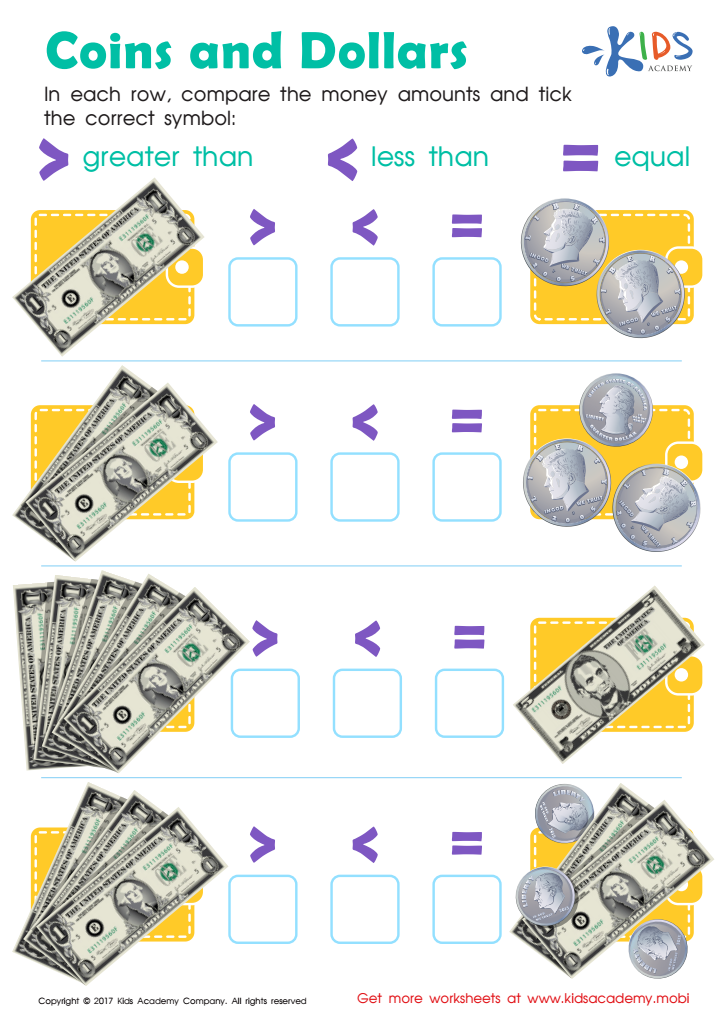
Money: Coins Dollars Printable
 Assign to My Students
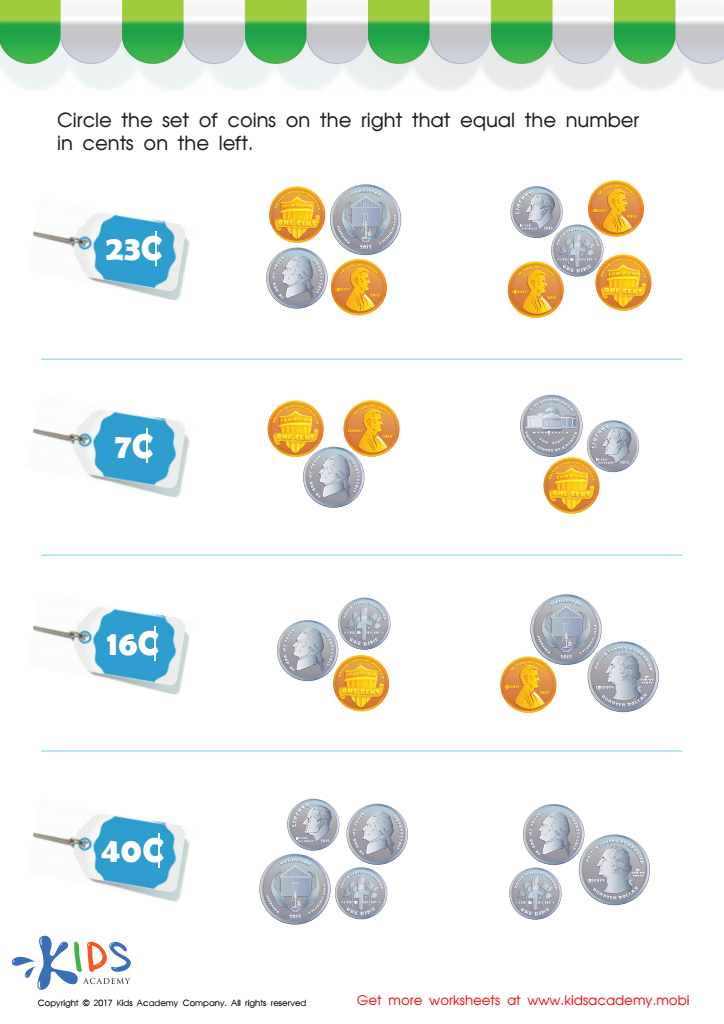
Picking the Coins You Need Money Worksheet
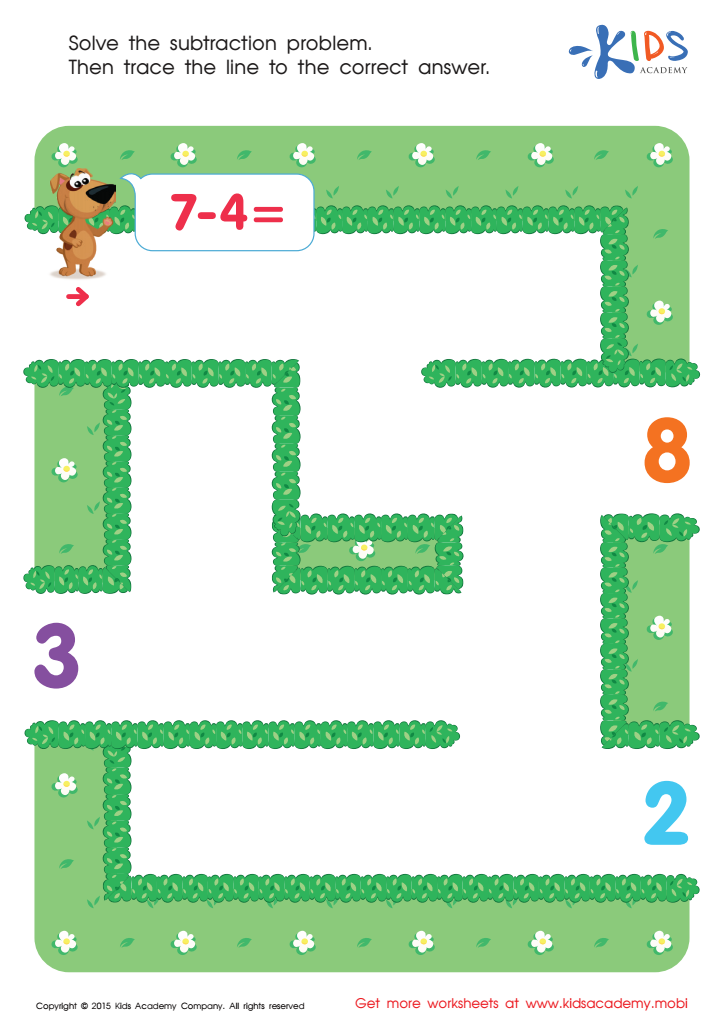
Subtraction Seven Minus Four Worksheet
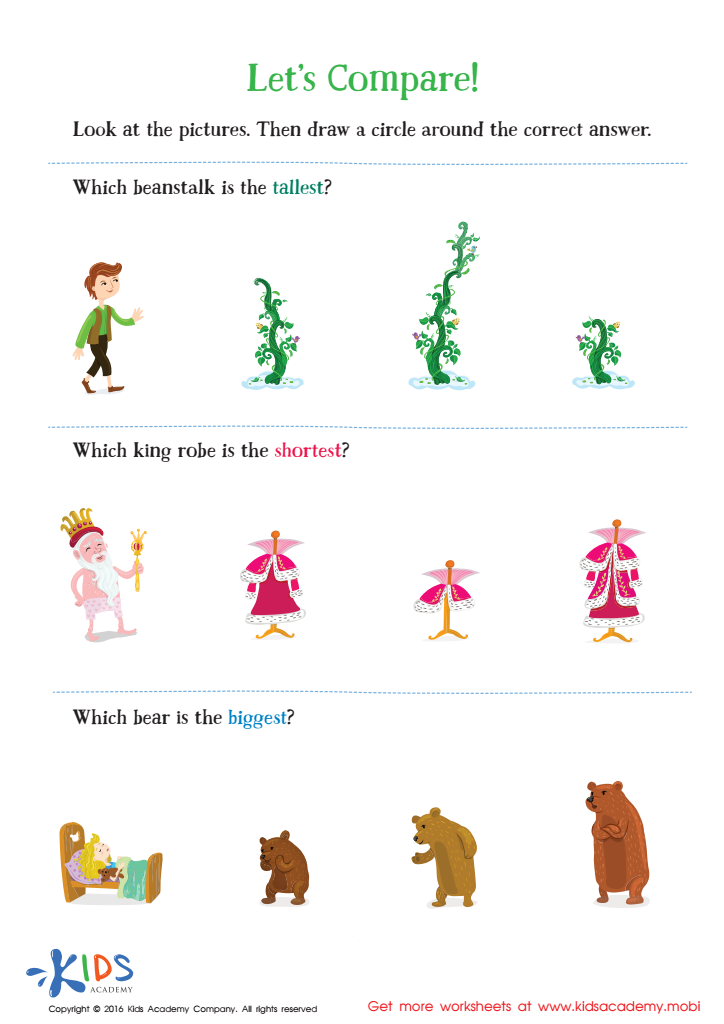
Fairy Tale Worksheet: Let's Compare
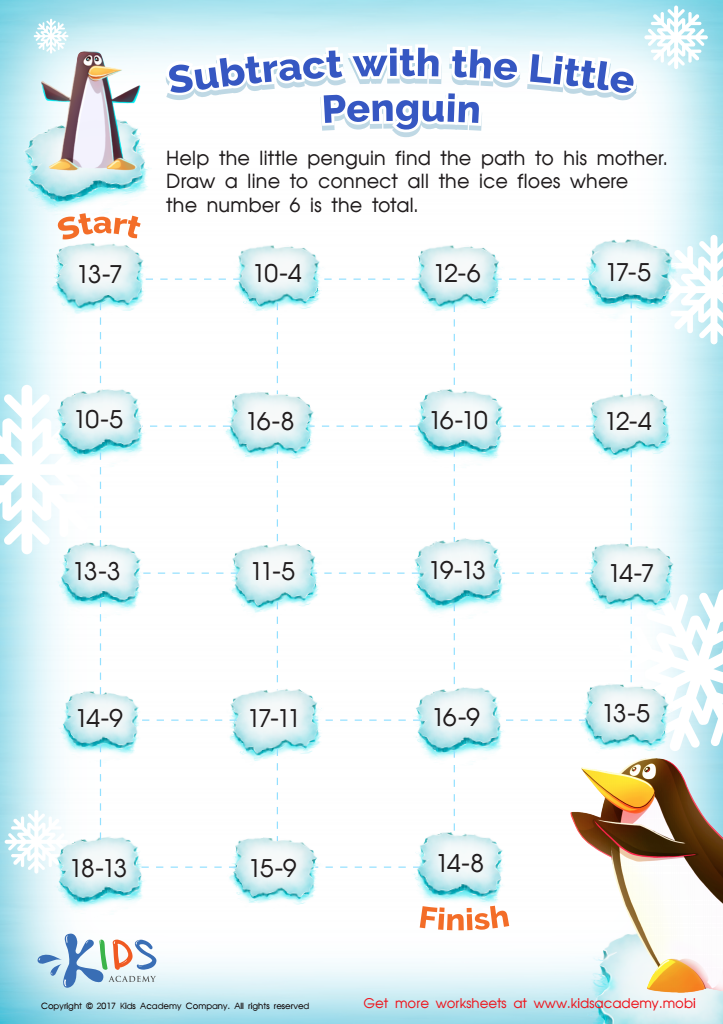
Subtract With The Little Penguin Substraction Worksheet
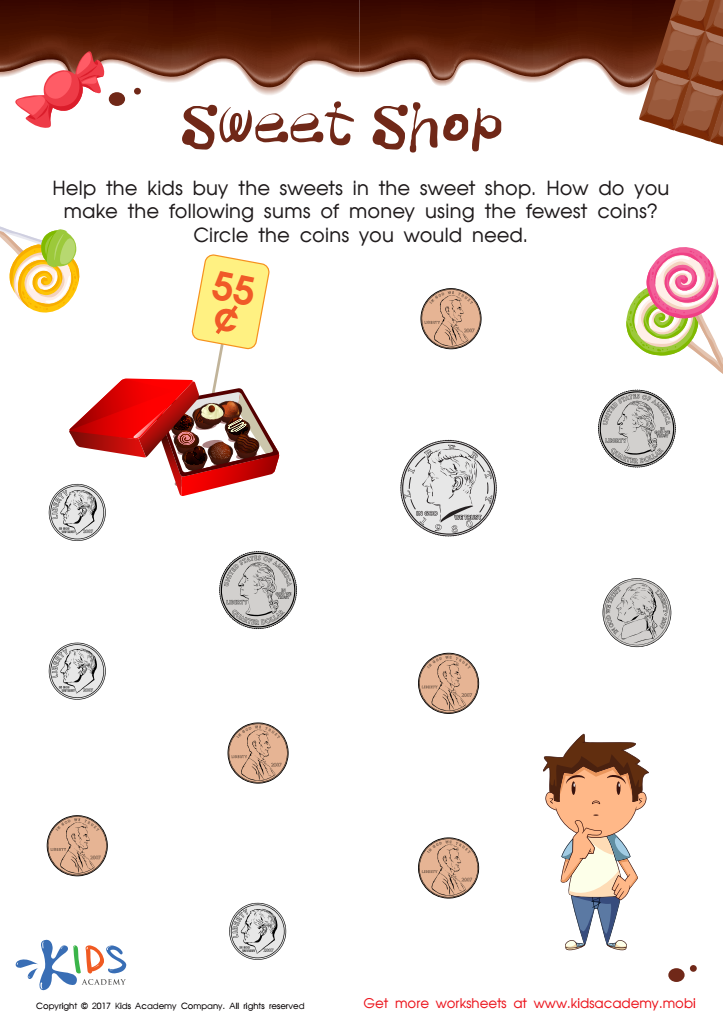
Sweet Shop – Counting Coins Worksheet
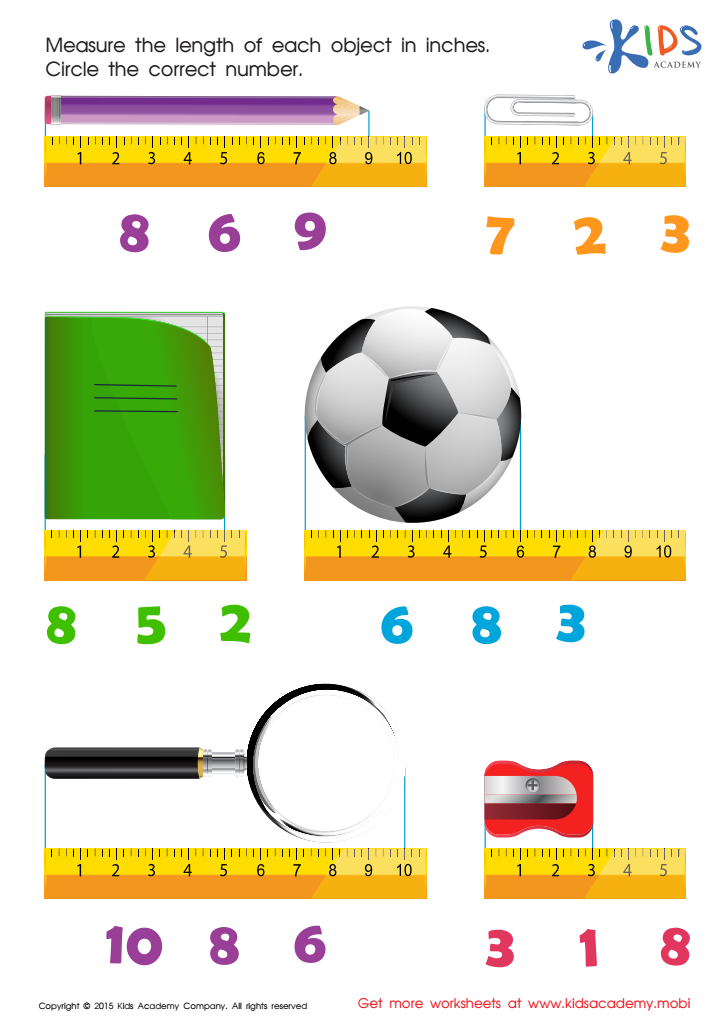
Learning measuring objects in inches Worksheet
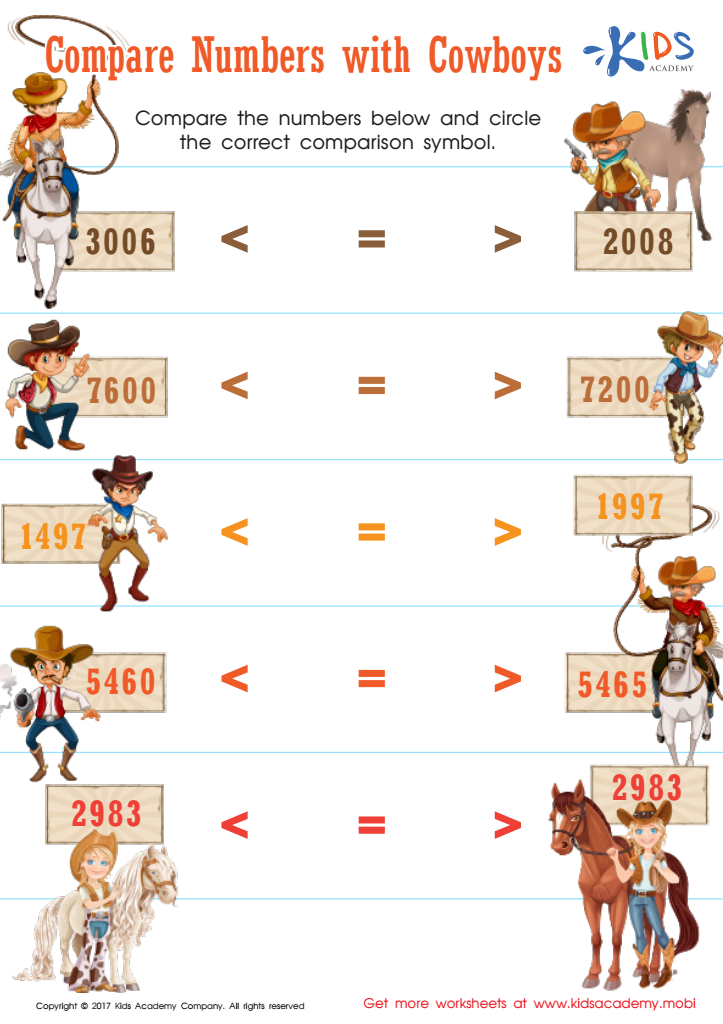
Compare Numbers Worksheet for 3rd Grade
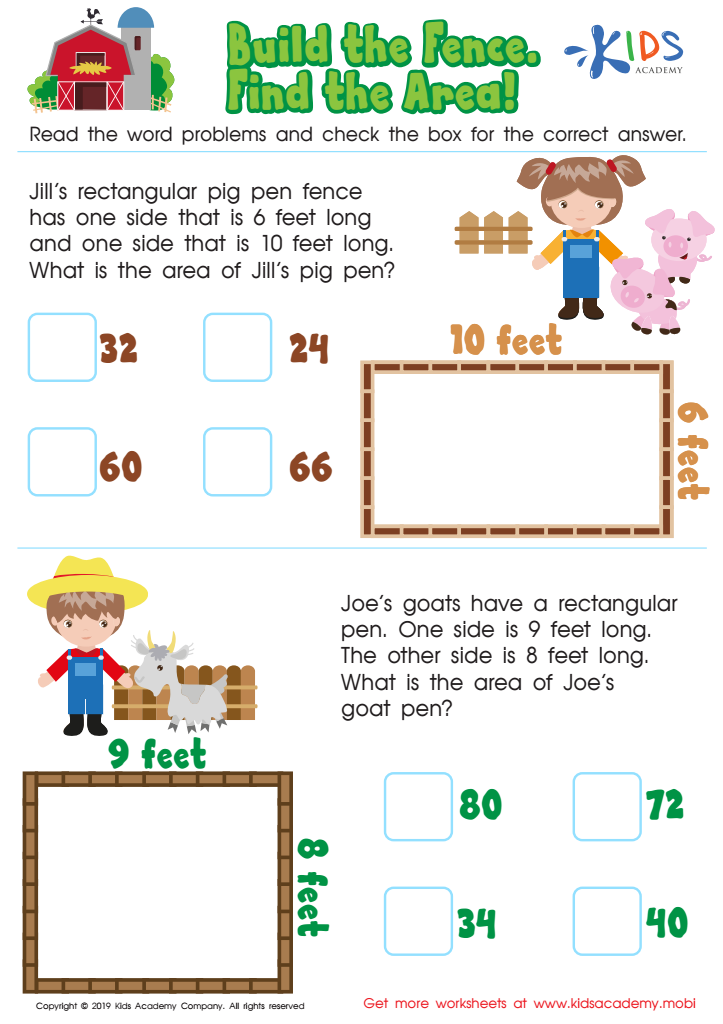
Build the Fence, Find the Area Worksheet
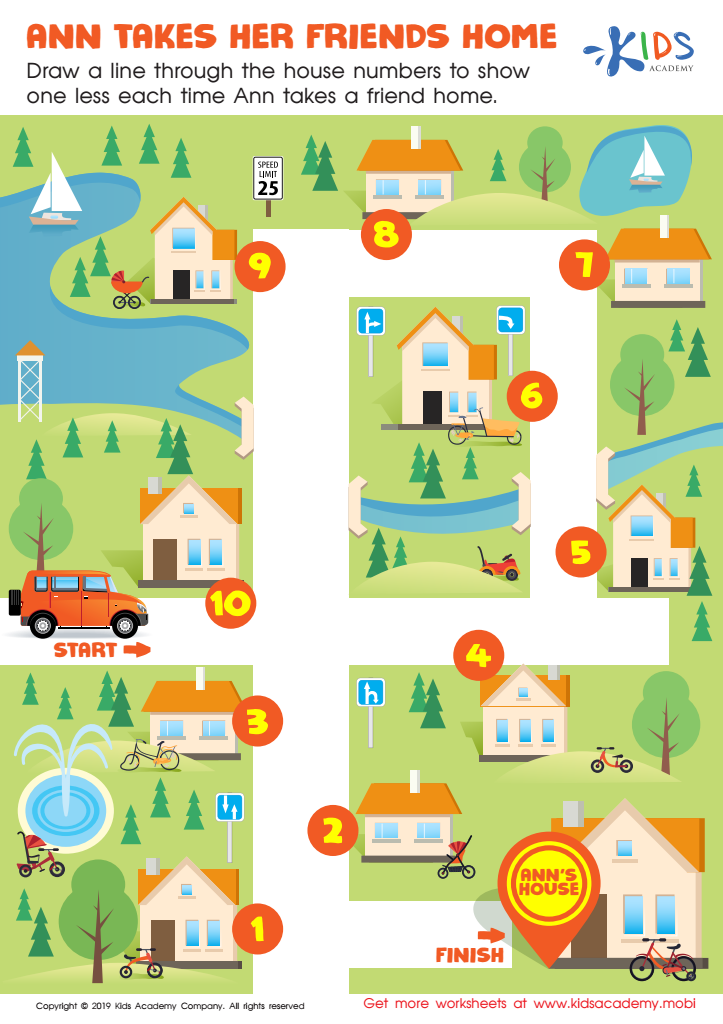
Ann Takes her Friends Home Worksheet


.jpg)





Basic math skills are foundational for children’s cognitive development and future academic success, making it crucial for parents and teachers to prioritize early math education. Engaging children aged 3-9 in extra math challenges offers multiple benefits. First, these activities reinforce fundamental concepts such as counting, number recognition, and basic operations. Strengthening these skills early on ensures that children are prepared for more complex math topics in later grades.
Second, extra math challenges encourage problem-solving and critical thinking. As children tackle these problems, they learn to analyze situations, make decisions, and develop logical reasoning skills that are not only valuable in math but also across various academic disciplines and real-life scenarios.
Additionally, mastering basic math boosts a child's confidence and fosters a positive attitude towards learning. Children who feel competent in math are more likely to participate actively in class, embrace new challenges, and retain a long-term interest in the subject.
Involving parents in math activities at home also creates an environment where learning is continuous and fun, fostering a collaborative relationship between home and school. Therefore, prioritizing basic math skills through additional challenges equips children with essential tools for academic achievement and lifelong learning.








