Categorization skills Extra Challenge Worksheets for Ages 3-9
5 filtered results
-
From - To
Introduce your child to the exciting world of categorization with our Extra Challenge Worksheets designed specifically for ages 3-9! These innovative worksheets help young learners enhance their critical thinking and sorting skills while engaging them in fun and interactive activities. From grouping animals to organizing household items, each worksheet provides an opportunity for creative exploration and skill development. Ideal for both classroom use and at-home learning, our categorization challenges make learning enjoyable while fostering cognitive growth. Dive into our diverse collection and watch your child's confidence soar as they master the essential skill of categorization! Perfect for pre-school and early grade educators.
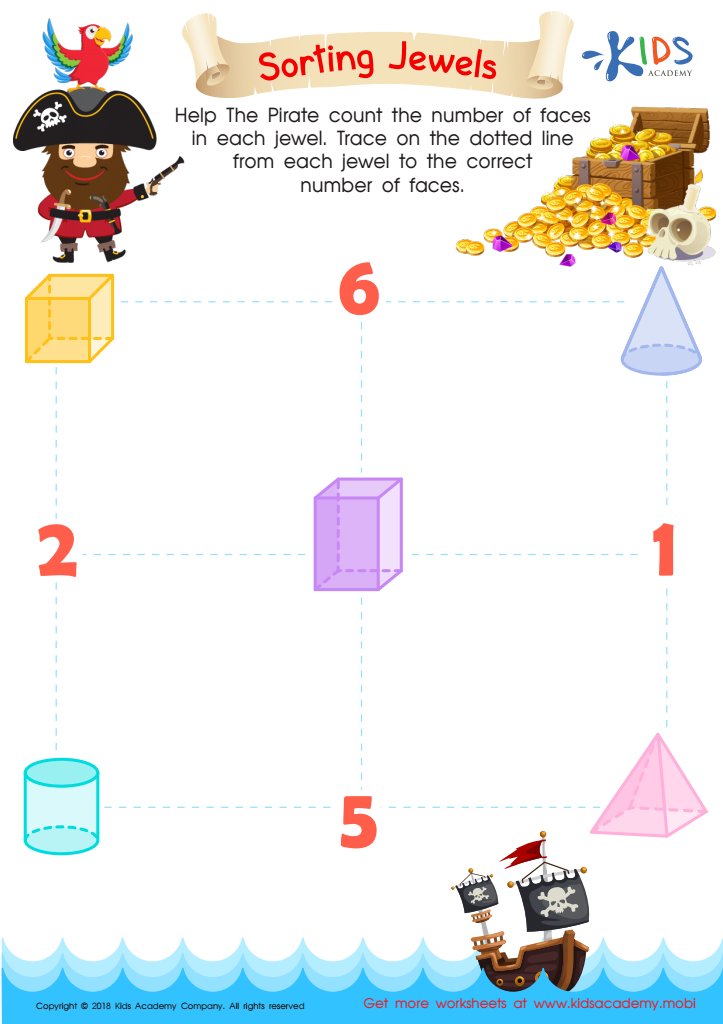
Sorting Jewels Worksheet
 Assign to My Students
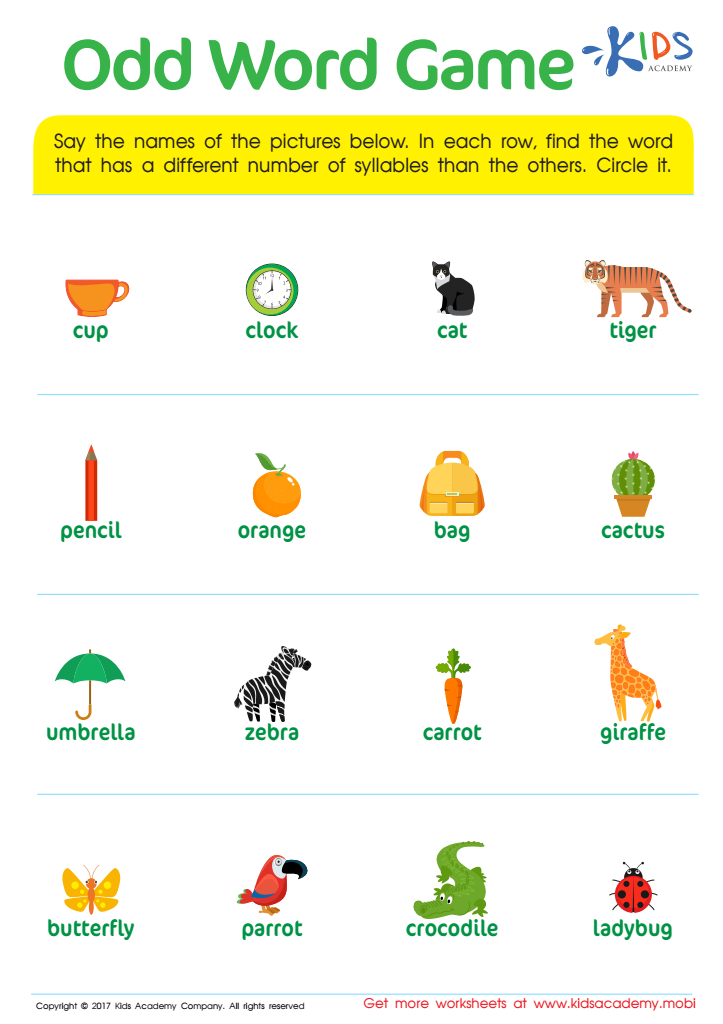
Count Syllables: Odd Word Game Worksheet
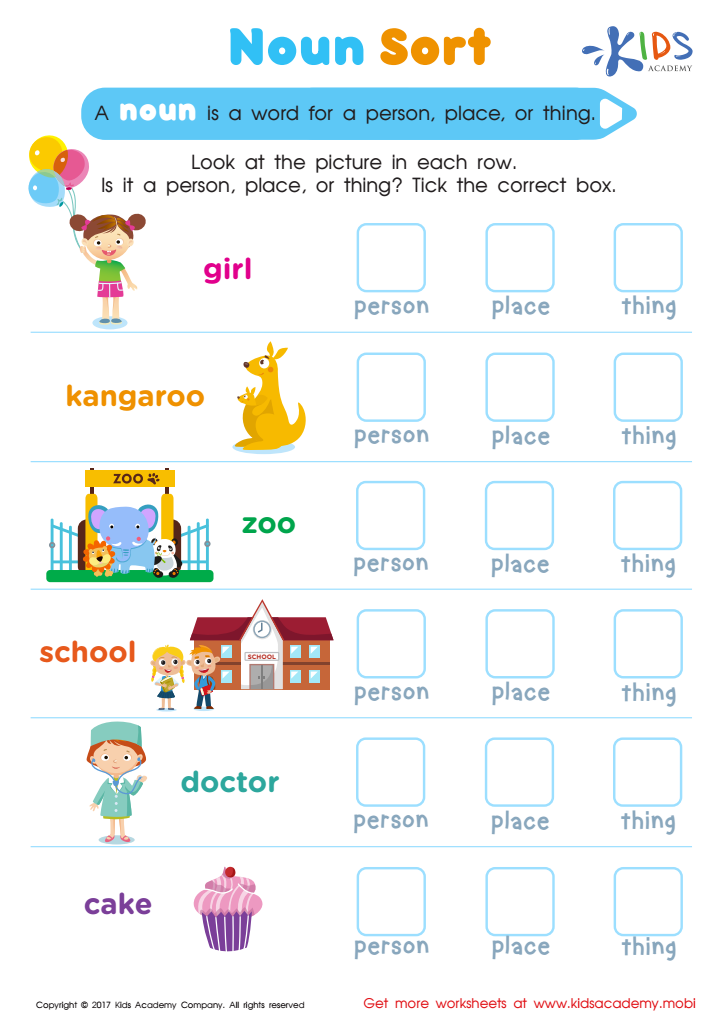
Noun Sort Printable
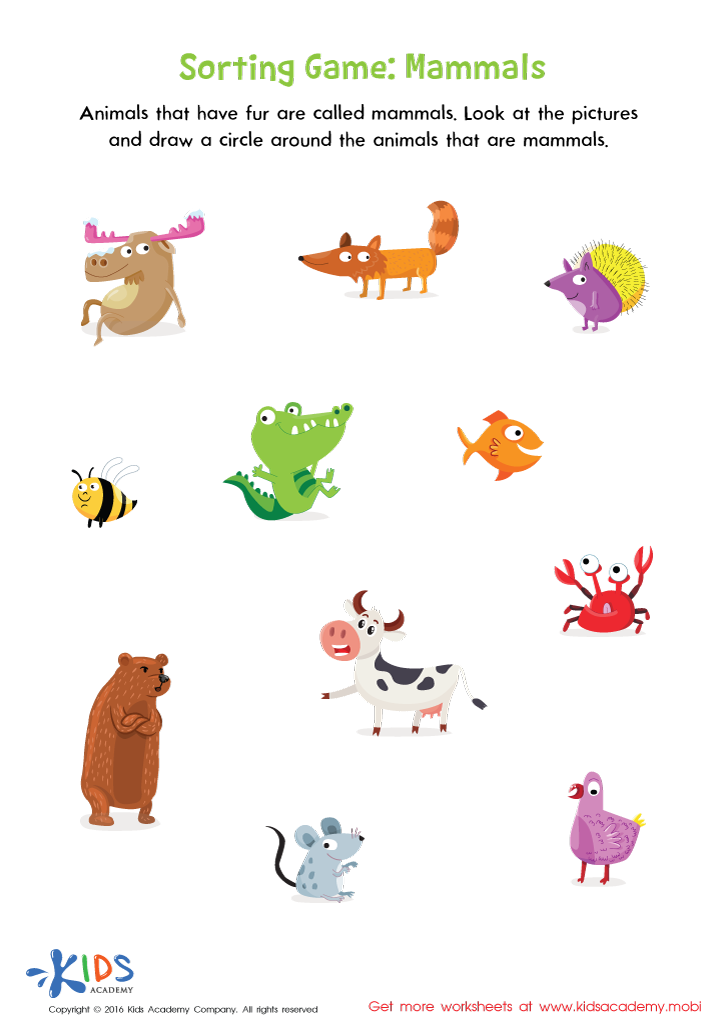
Mammals Sorting Worksheet
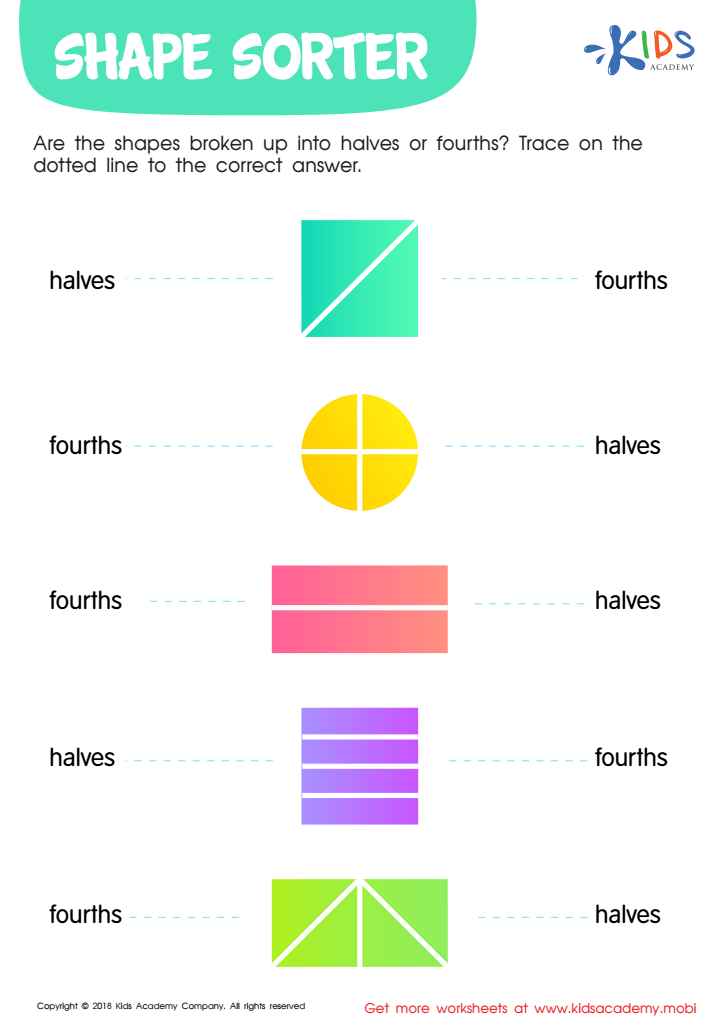
Shape Sorter Worksheet







Categorization skills are essential for early childhood development, as they lay the foundation for critical thinking and problem-solving abilities. For children aged 3-9, mastering the ability to classify objects based on attributes such as color, size, shape, or function significantly enhances their cognitive development. Parents and teachers should prioritize these skills because they promote better organizational skills, helping children make sense of the world around them.
By engaging in categorization activities, children begin to develop logic and reasoning skills, which are vital for academic success. Understanding how to group similar items fosters analytical thinking and helps with early math concepts, such as sorting and counting. Moreover, categorization skills are linked to enhanced language development, as children learn to articulate their thought processes and improve vocabulary through descriptive language.
Furthermore, building these foundational skills encourages independence and boosts self-esteem, as children learn to categorize and make decisions on their own. By providing extra challenges in the form of games and interactive activities that hone these skills, parents and teachers can create a rich learning environment that fosters curiosity and resilience. This investment not only prepares children for future learning but also enriches their social interactions and everyday experiences.








