Spelling improvement Extra Challenge Worksheets for Ages 3-9
6 filtered results
-
From - To
Elevate your child's spelling skills with our Extra Challenge Worksheets, designed specifically for ages 3-9! These engaging and colorful worksheets provide a fun and effective way for young learners to improve their spelling abilities. Each worksheet focuses on essential vocabulary and phonetic patterns, helping to reinforce spelling fundamentals while encouraging creativity and critical thinking. Aligned with educational standards, our materials support various learning styles through interactive activities that keep kids motivated. Watch as they build confidence in their spelling prowess and develop a love for learning. Explore our collection today and give your child the extra challenge they need to succeed!
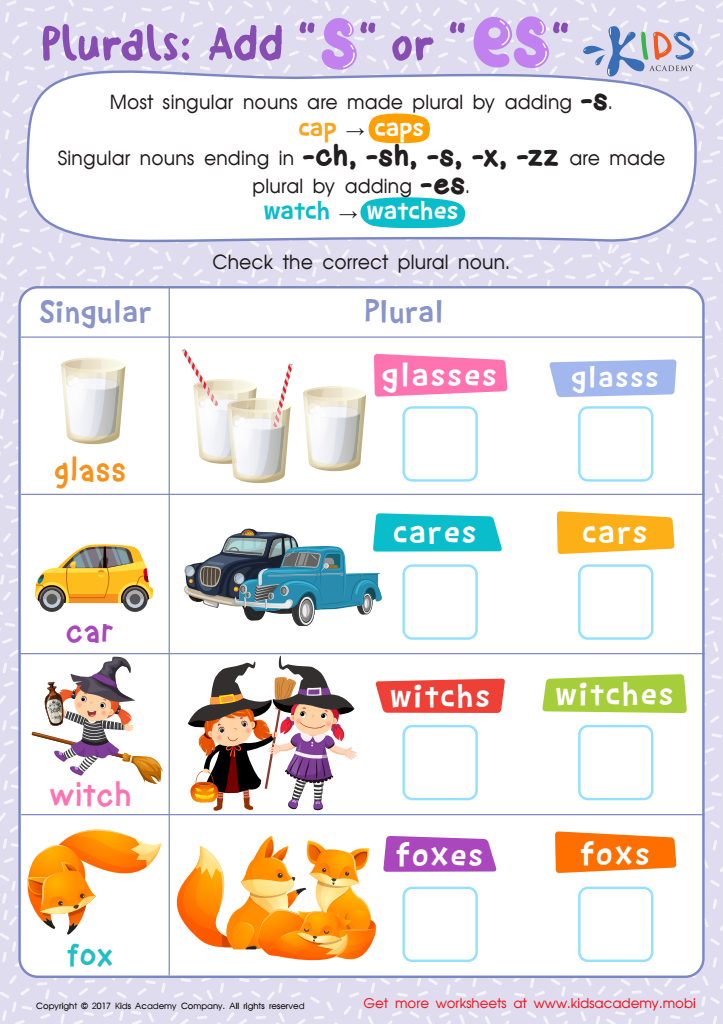
Plurals: "–es" or "–es"? Worksheet
 Assign to My Students
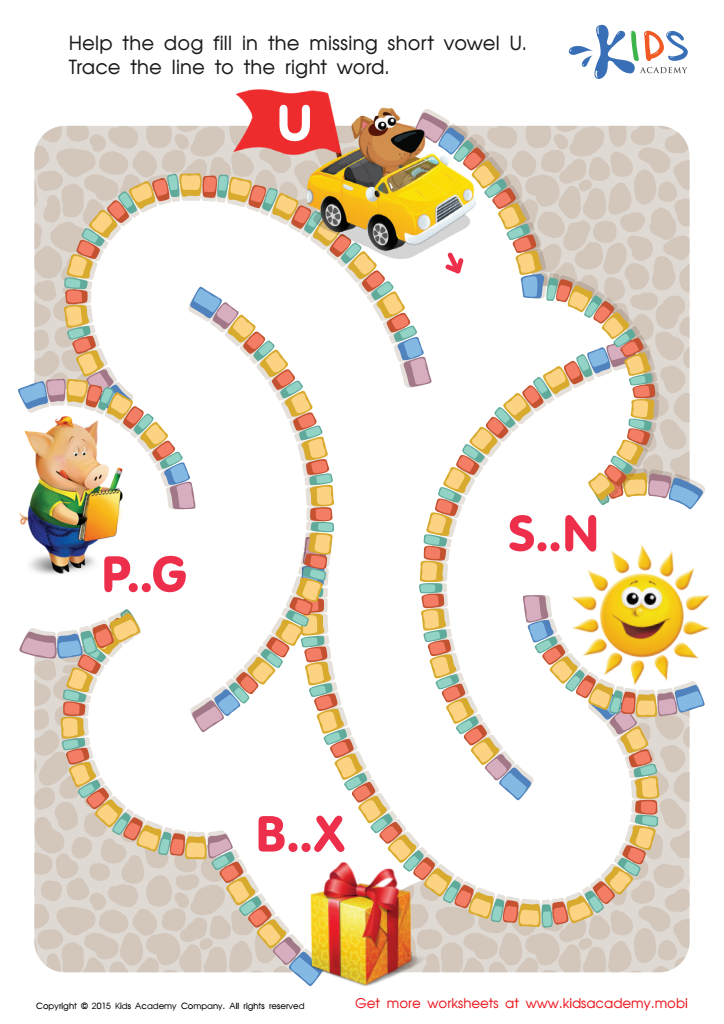
Short Vowel Sound U Worksheet
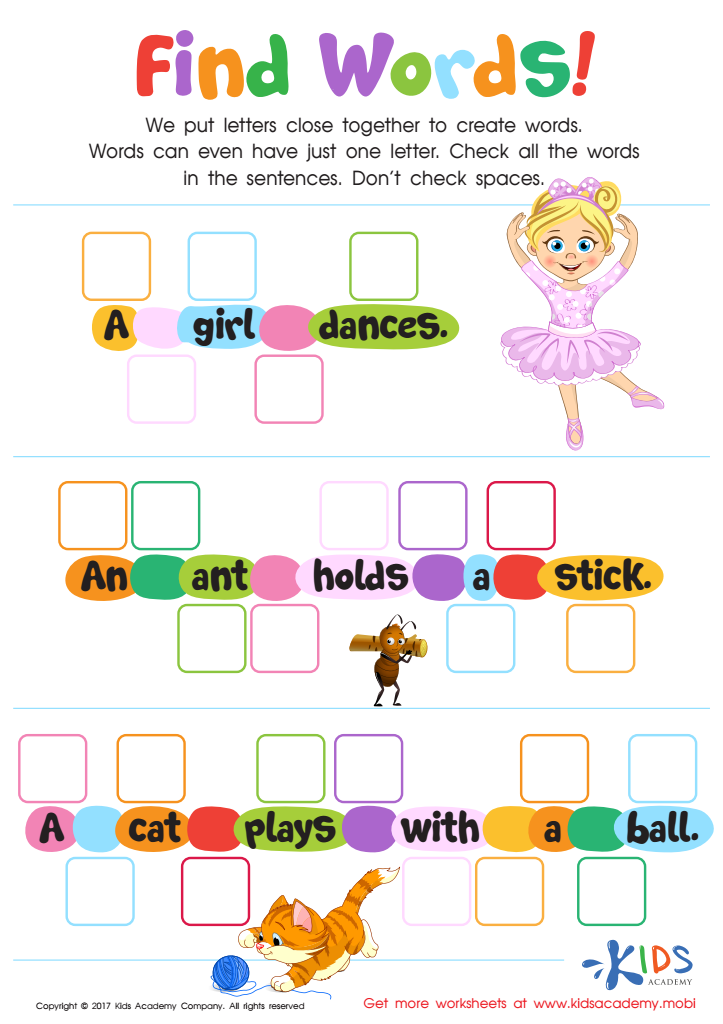
Find Words Worksheet
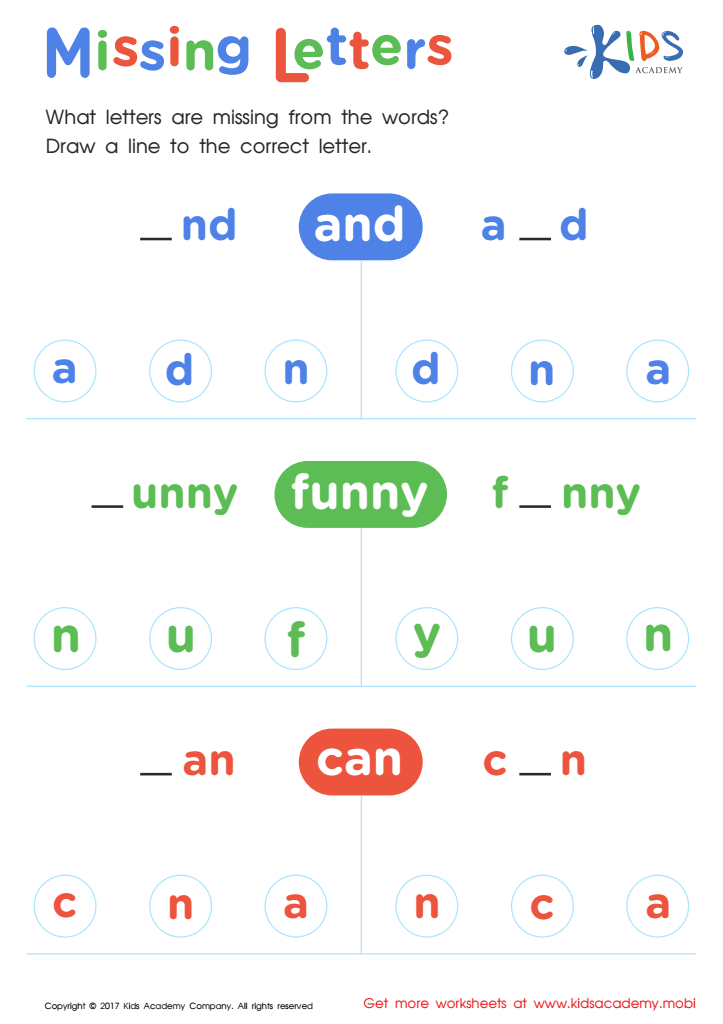
Missing Letters Worksheet
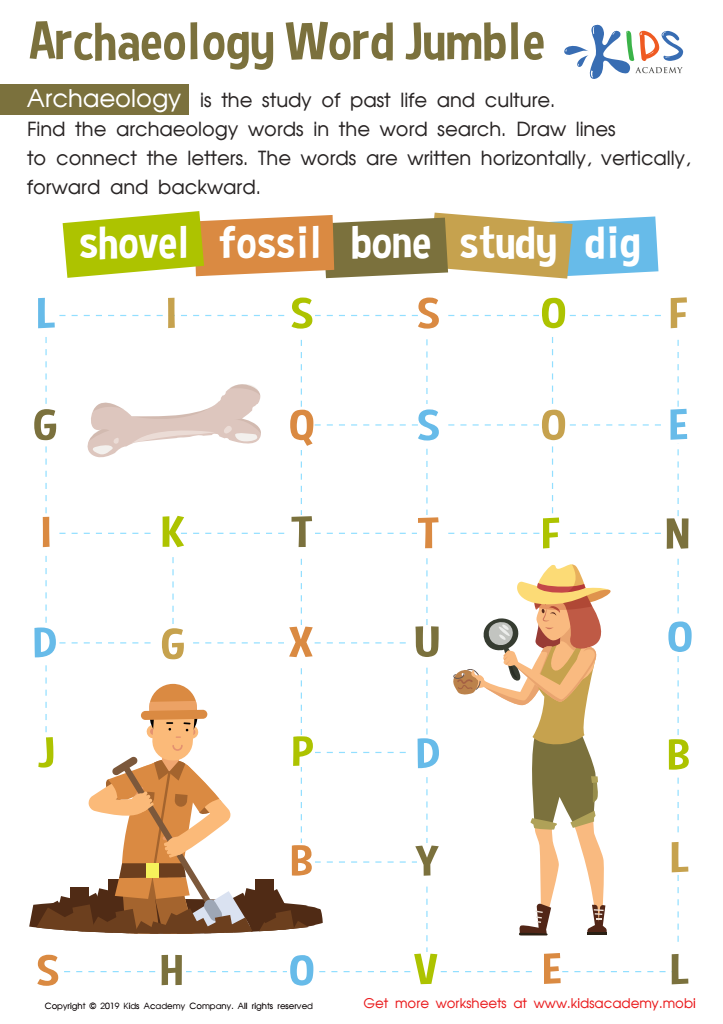
Archaeology Word Jumble Worksheet
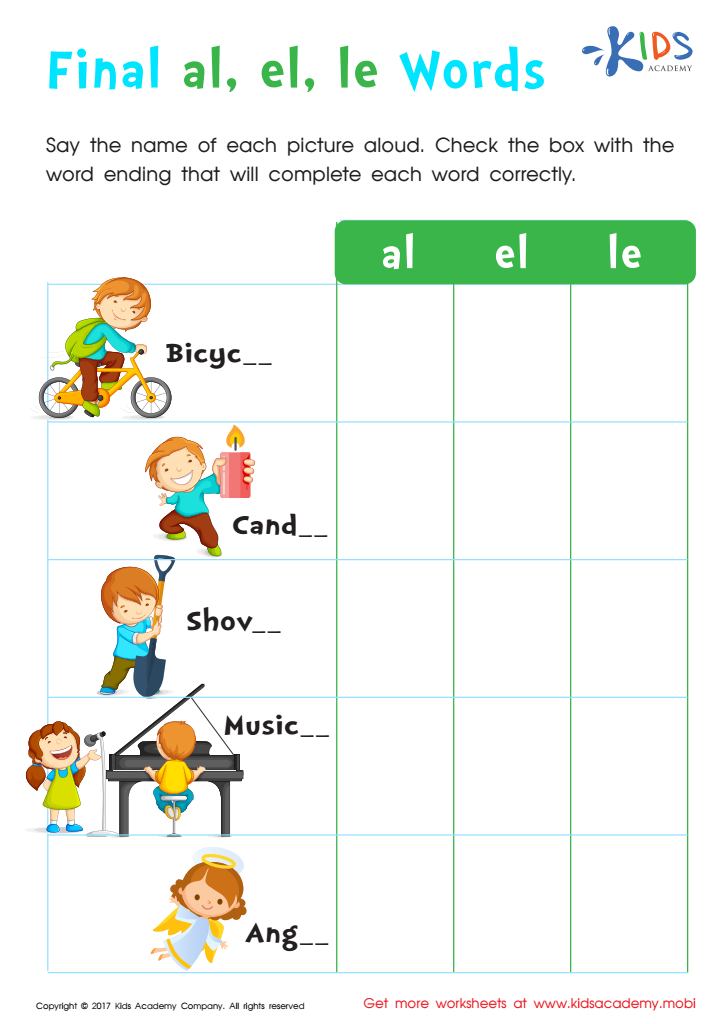
Spelling Words Ending with –le, –el and –al Worksheet








Spelling improvement is crucial for children aged 3-9 as it lays the foundation for effective communication and literacy skills. When parents and teachers prioritize spelling, they empower children to express their thoughts clearly and confidently. Early spelling proficiency enhances reading abilities, fosters vocabulary expansion, and boosts overall academic performance.
For this age group, learning to spell can be an engaging challenge. Introducing fun activities, such as games and rhymes, helps capture their attention and promotes a love for language. Enhanced spelling skills also build children’s self-esteem, positively affecting their willingness to participate in classroom discussions and written assignments.
Moreover, spelling helps children develop critical cognitive skills, such as attention to detail, phonemic awareness, and pattern recognition. The extra challenge presented by spelling games encourages resilience; children learn to embrace mistakes as stepping stones to improvement.
Furthermore, a strong foundation in spelling becomes advantageous as children advance in their education, facilitating their transition to more complex writing tasks. Ultimately, by fostering an environment where spelling improvement is valued, parents and teachers equip young learners with the necessary tools to succeed in reading, writing, and confident communication throughout their academic journey.








