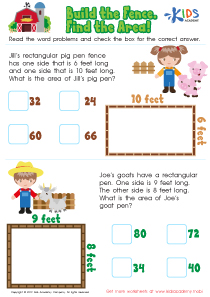
Cognitive Development Extra Challenge Matching Worksheets for Ages 3-9
3 filtered results
-
From - To
Discover our "Cognitive Development Extra Challenge Matching Worksheets" designed for children aged 3-9. These engaging printables will help young learners enhance their cognitive skills, promoting critical thinking and problem-solving abilities. Each worksheet features fun and colorful illustrations that captivate children's attention while encouraging them to match related items, strengthening memory and recognition skills. Perfect for classrooms or at-home learning, these worksheets cater to various developmental stages, ensuring that every child can benefit. Challenge your little ones with these thoughtfully designed activities and watch them thrive as they explore key concepts in a playful manner. Start their cognitive journey today!
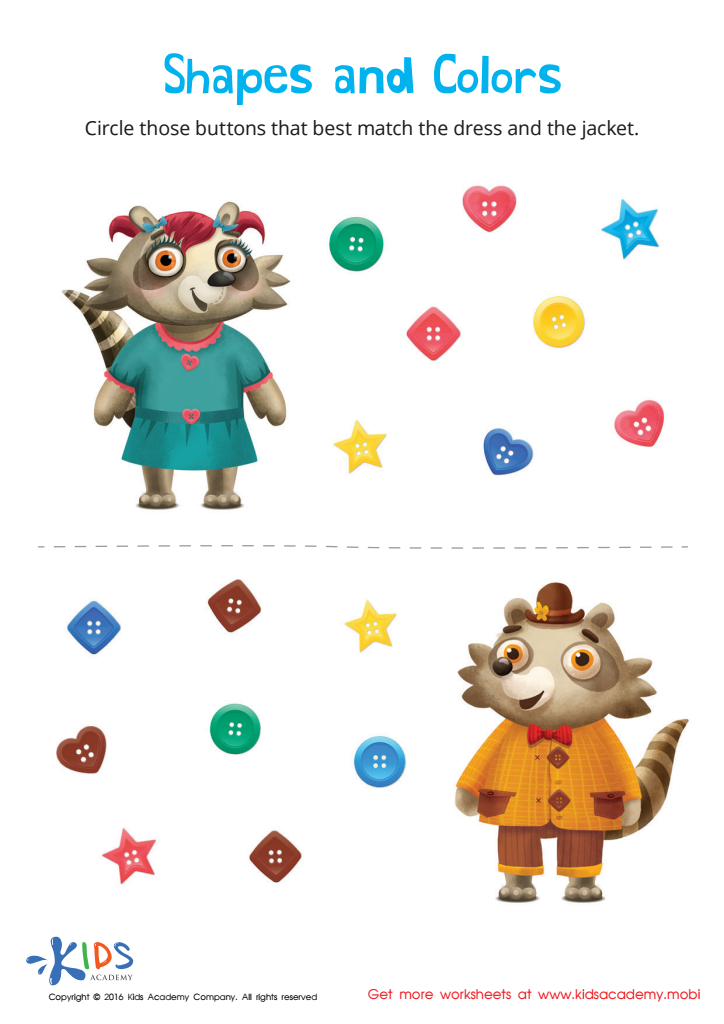
Matching: Shapes and Colors Worksheet
 Assign to My Students
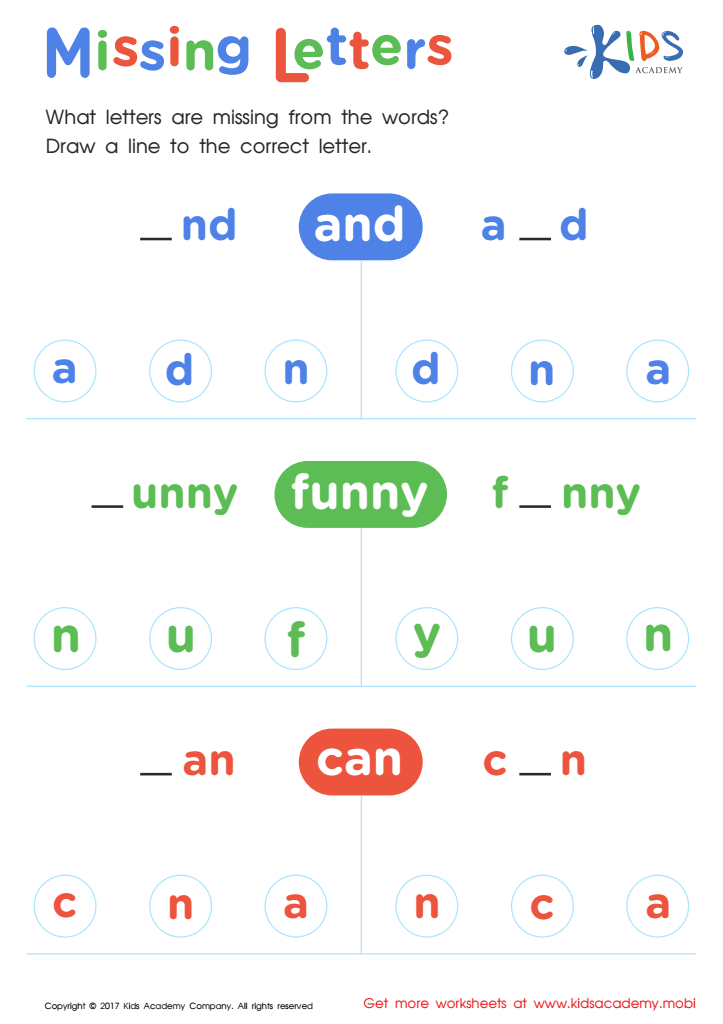
Missing Letters Worksheet

Shapes Worksheet








Cognitive Development Extra Challenge Matching activities are crucial for children aged 3-9 as they enhance critical thinking and problem-solving skills. At this developmental stage, children are naturally curious and eager to explore their environment. Engaging in matching exercises stimulates their cognitive processes, encouraging them to form connections between objects, concepts, and ideas. This interaction enhances memory retention, boosts attention span, and nurtures the ability to categorize information—a foundational skill for future learning.
Moreover, these challenges promote social-emotional development by offering opportunities for collaboration and communication. When parents or teachers participate, they reinforce supportive relationships and show children that learning can be enjoyable. They also help instill a growth mindset, where children learn that effort leads to progress.
Additionally, such activities can bridge the achievement gap for those who may require extra support. By introducing differentiated challenges, educators can cater to varied learning paces, ensuring all students remain engaged. Ultimately, incorporating Cognitive Development Extra Challenge Matching fosters an enriching learning environment, preparing children not only to succeed academically but also to navigate social challenges, embrace creativity, and develop a lifelong love for learning. Parents and teachers play a fundamental role in facilitating this critical developmental phase.