Fine Motor Skills Extra Challenge Letter Recognition Worksheets for 3-Year-Olds
7 filtered results
-
From - To
Introduce your little learners to the exciting world of letters with our "Fine Motor Skills Extra Challenge Letter Recognition Worksheets for 3-Year-Olds"! Designed to boost both letter recognition and fine motor abilities, these engaging worksheets combine educational fun with insightful skill-building activities. Your child will enjoy tracing, coloring, and connecting letters, enhancing their hand-eye coordination and dexterity. Each worksheet is tailored to spark curiosity and help budding learners master the alphabet in a playful way. Perfect for at-home learning or classrooms, these interactive resources provide a foundation for early literacy while keeping tiny hands busy and minds engaged! Discover creative education today!
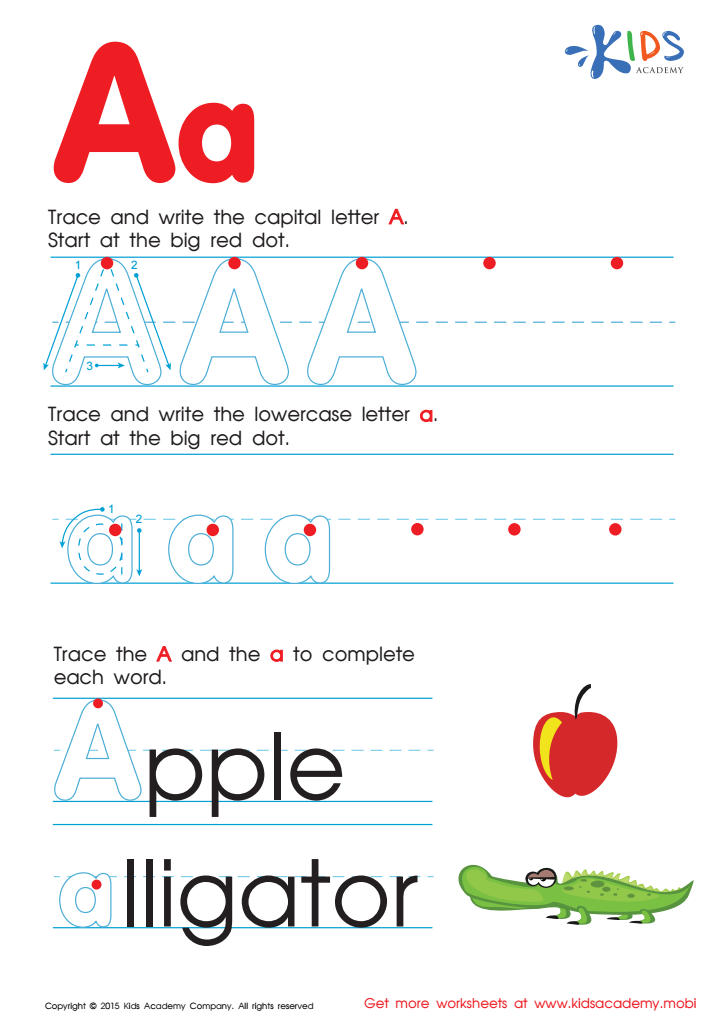
Letter A Tracing Page
 Assign to My Students
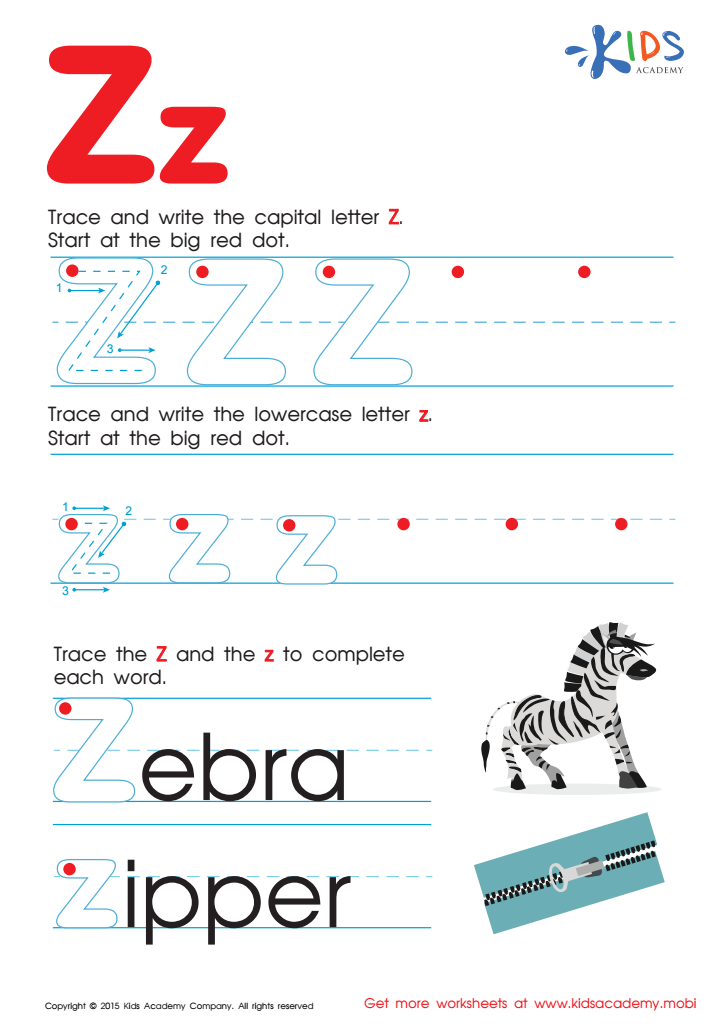
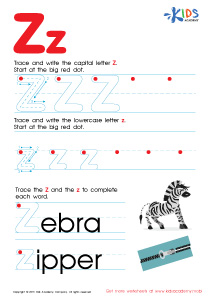
Letter Z Tracing Page
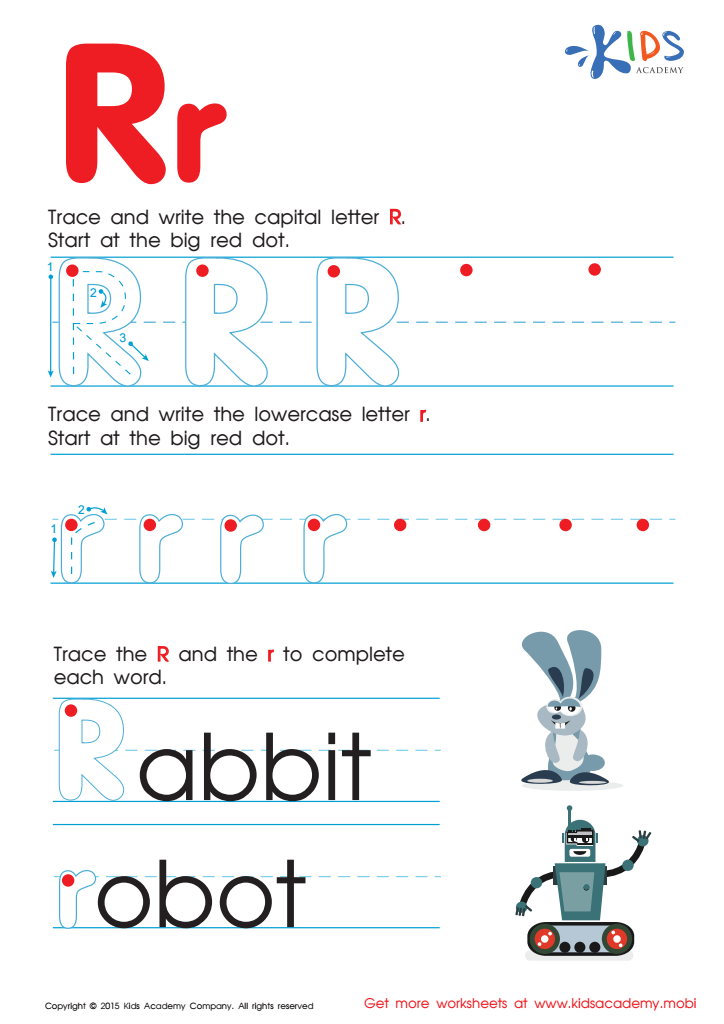
Letter R Tracing Page
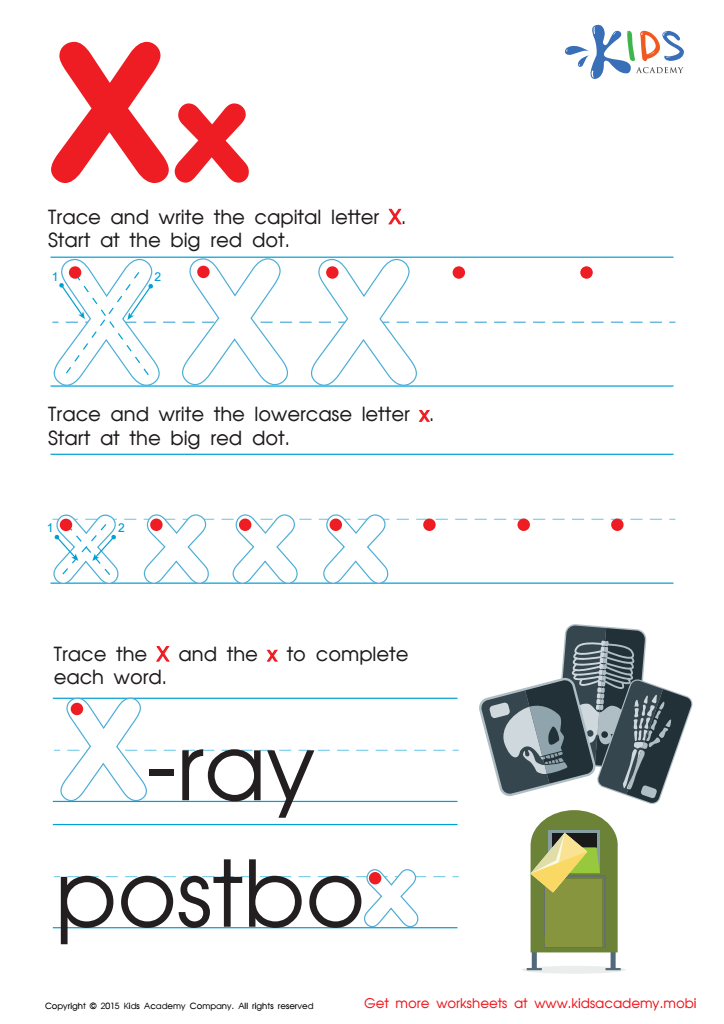
Letter X Tracing Page
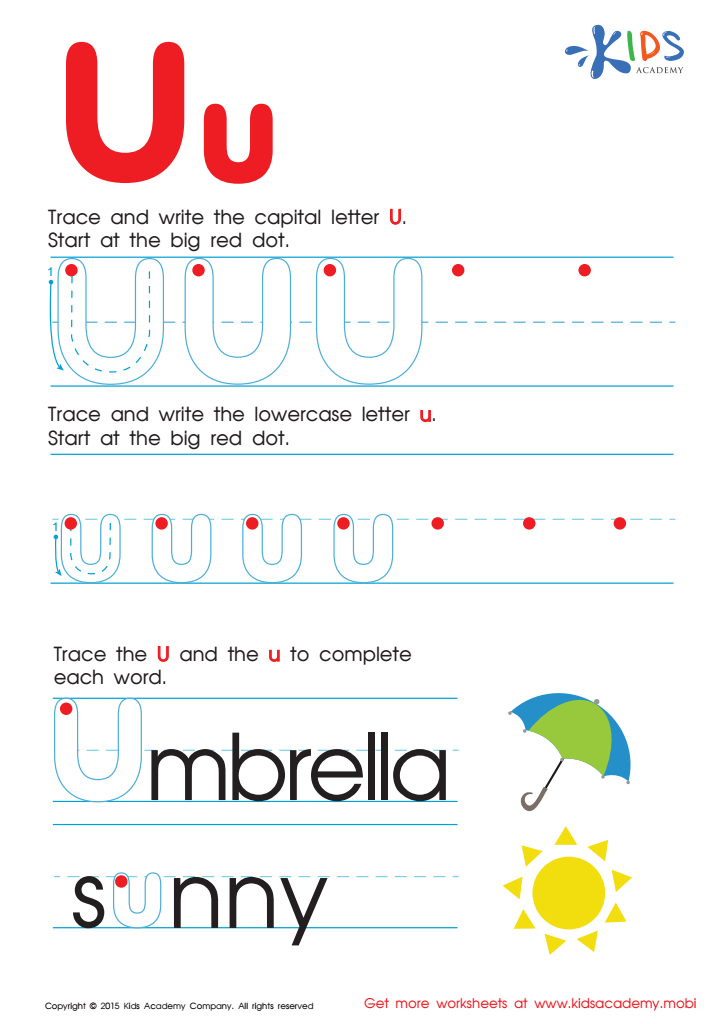
Letter U Tracing Page
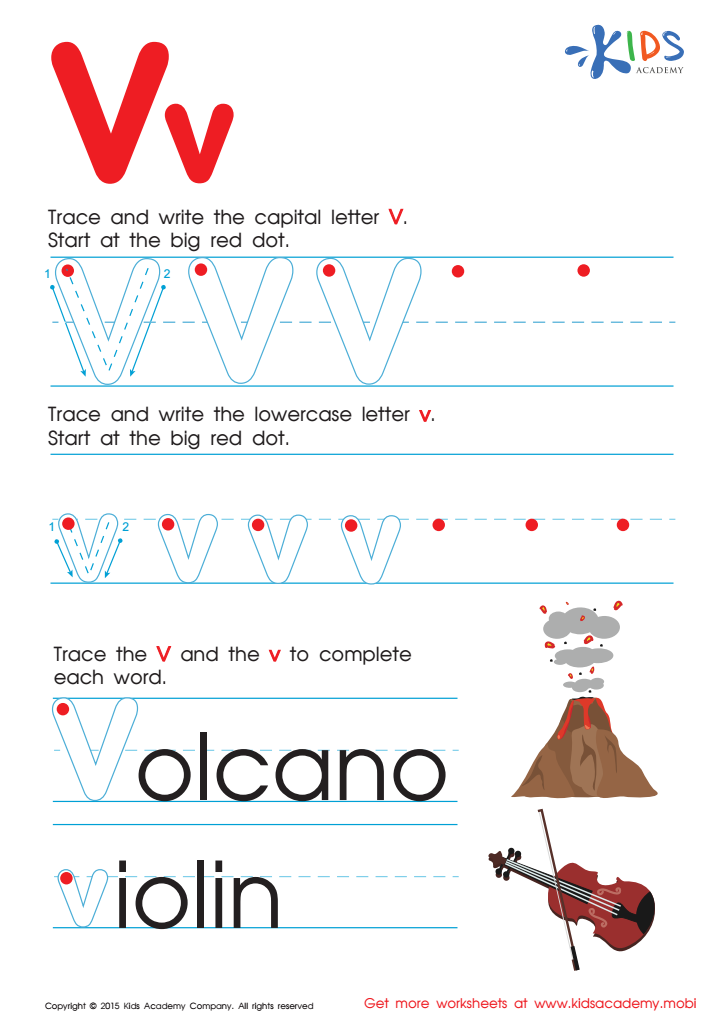
Letter V Tracing Page
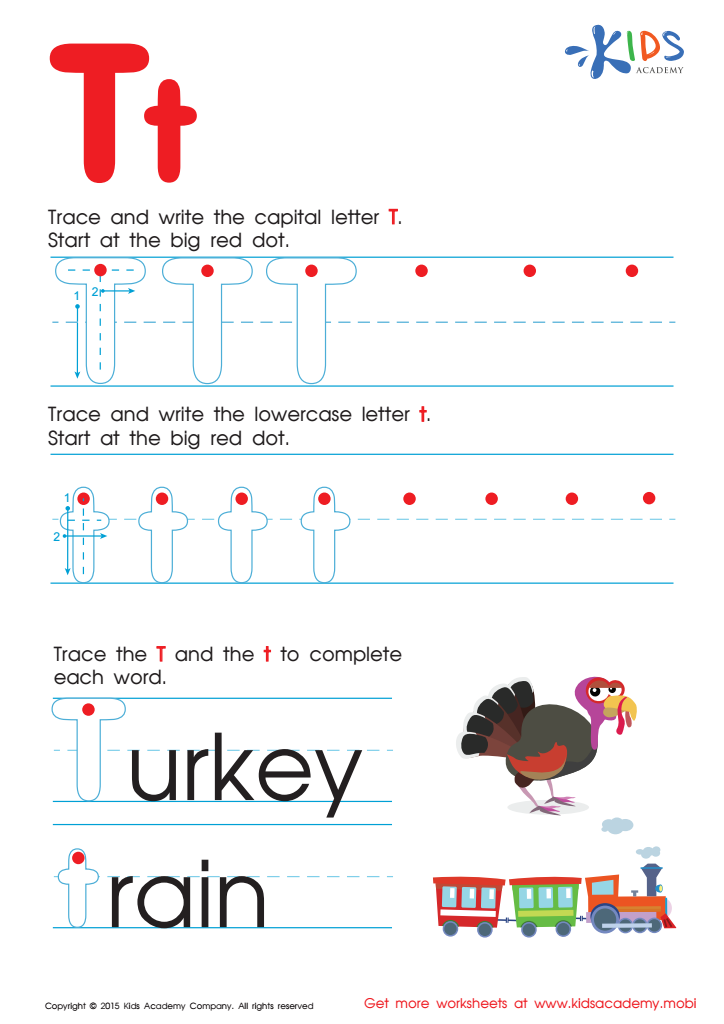
Letter T Tracing Page








Fine motor skills are crucial for the overall development of young children, particularly those aged three. These skills involve the use of small muscles in the hands and fingers, enabling children to perform tasks that require precision and coordination, such as grasping objects, drawing, and, importantly, writing. Introducing extra challenges in areas like letter recognition enhances these skills while also fostering early literacy abilities.
For parents and teachers, this aspect of development is vital. Improved fine motor skills contribute to greater independence in everyday tasks, such as dressing, feeding, and even using tools like scissors and crayons. When children engage in activities that involve sorting, tracing, or using play-dough to form letters, they not only refine their motor skills but also bolster their understanding of letters, paving the way for future reading and writing success.
Additionally, investing time in these challenges nurtures cognitive development, as it encourages problem-solving and critical thinking. By encouraging fine motor and letter recognition activities, caregivers are not only igniting a child's curiosity and love for learning but also equipping them with essential tools for academic success, setting a strong foundation that will benefit them throughout their educational journey.