Fine Motor Skills Extra Challenge Tracing Letters Worksheets for 3-Year-Olds
7 filtered results
-
From - To
Discover our engaging "Fine Motor Skills Extra Challenge Tracing Letters Worksheets" designed specifically for 3-year-olds! These worksheets provide an excellent opportunity for young learners to enhance their fine motor skills while mastering letter recognition and formation. With fun and simple tracing activities, children will practice hand-eye coordination and strengthen their grip as they trace various letters of the alphabet. Our worksheets are crafted to accommodate the unique developmental needs of toddlers, turning learning into a playful experience. Perfect for at-home learning or classroom activities, these tracing worksheets will inspire confidence and creativity in your little ones. Start their educational journey today!
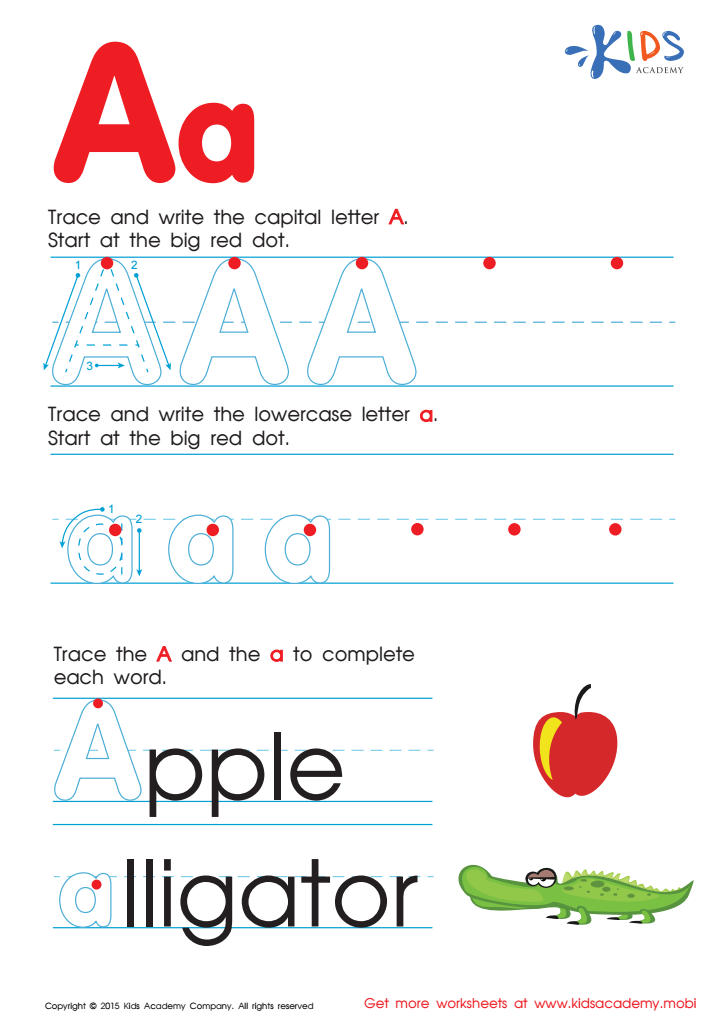
Letter A Tracing Page
 Assign to My Students
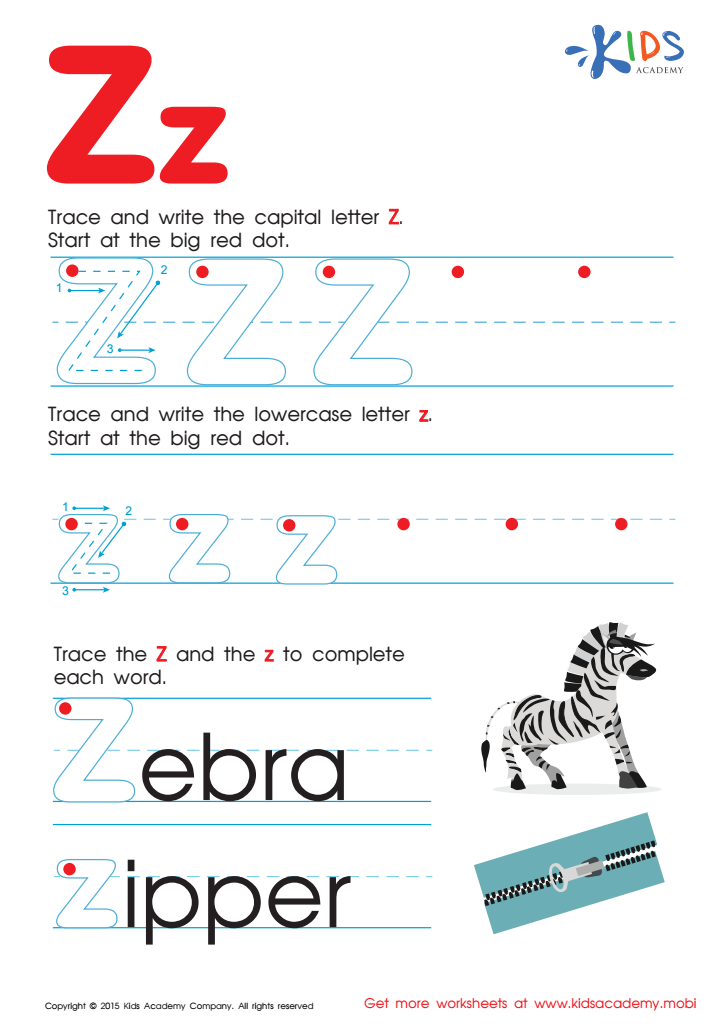
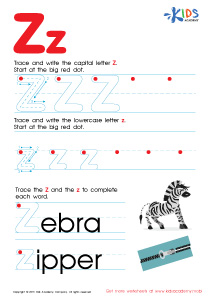
Letter Z Tracing Page
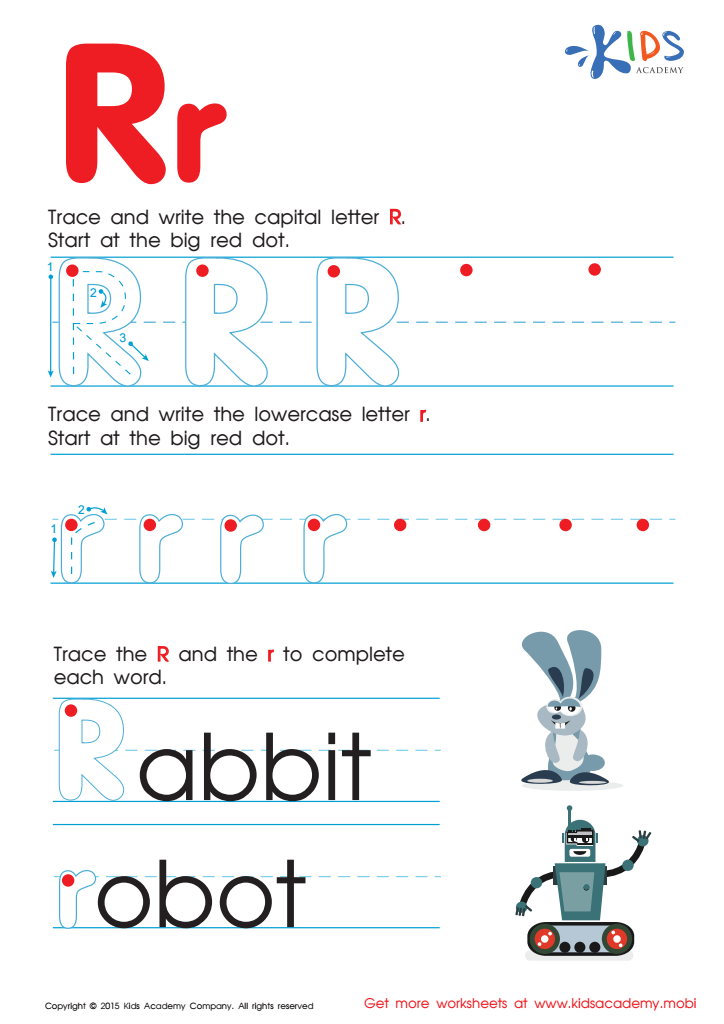
Letter R Tracing Page
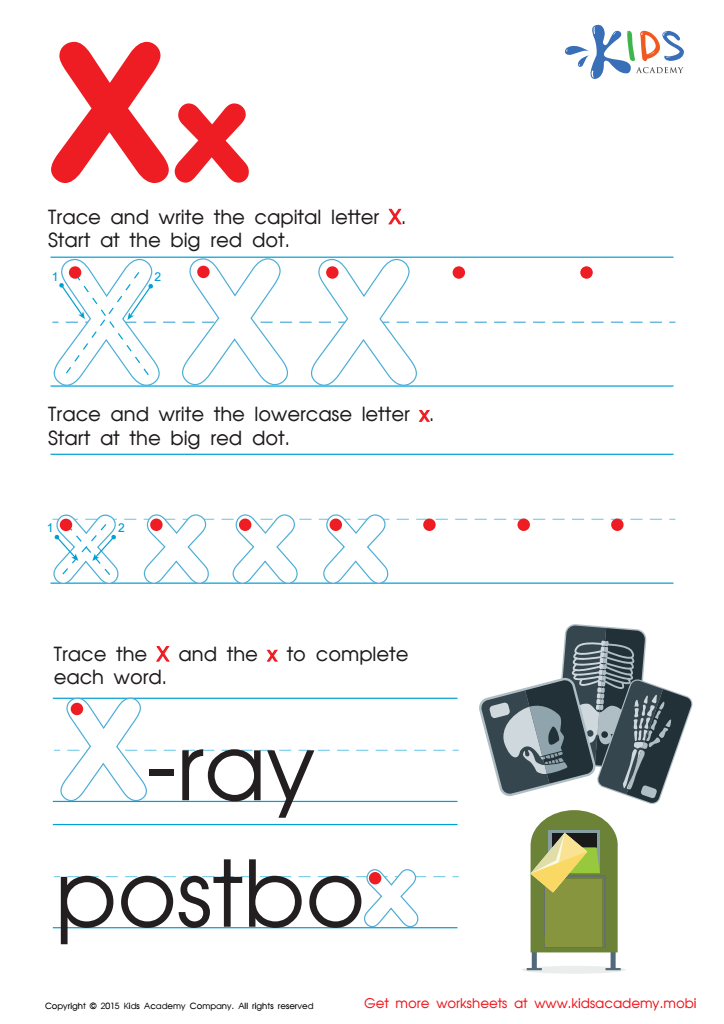
Letter X Tracing Page
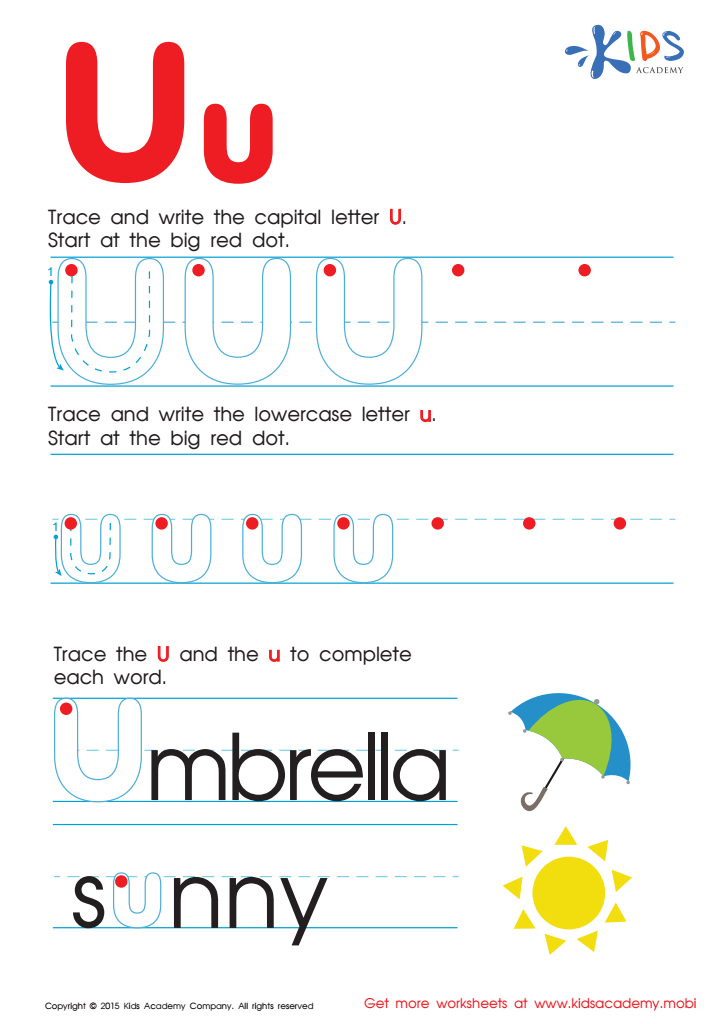
Letter U Tracing Page
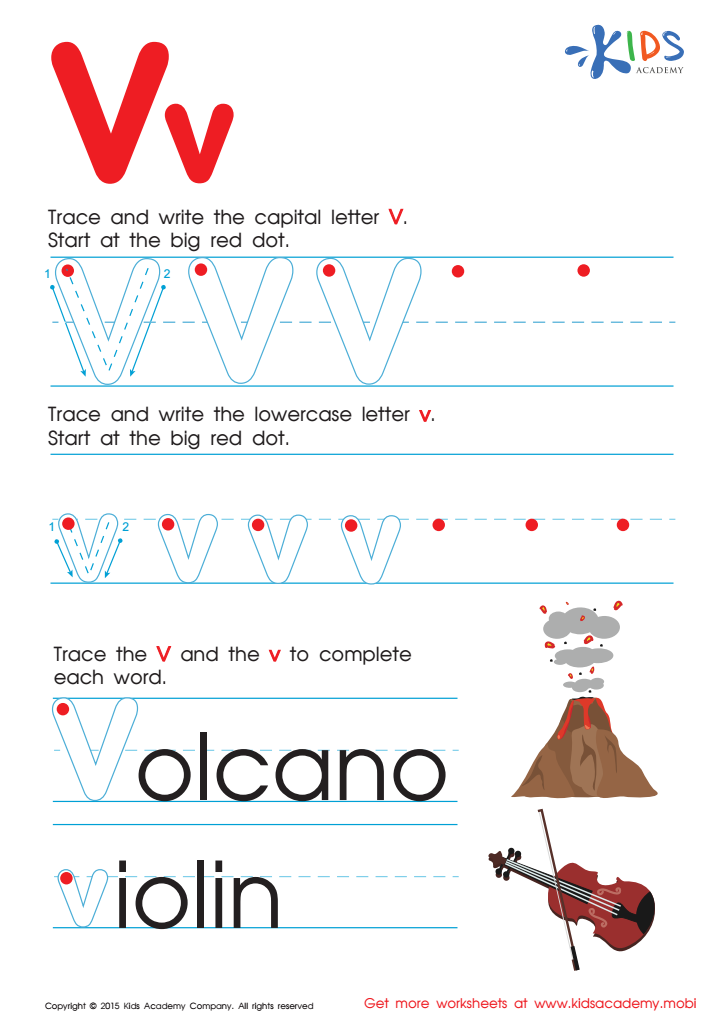
Letter V Tracing Page
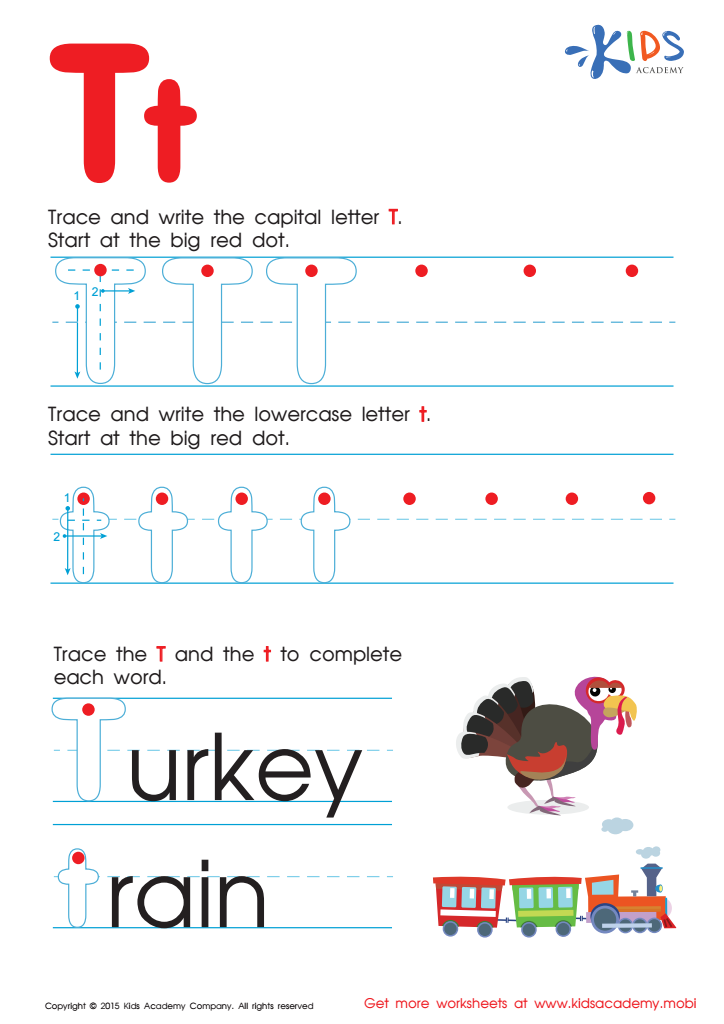
Letter T Tracing Page







Fine motor skills are essential for young children's development, as they form the foundation for many everyday tasks. Engaging in activities like tracing letters can significantly benefit 3-year-olds, and it's crucial for parents and teachers to recognize this. Tracing not only enhances children's hand-eye coordination but also strengthens the small muscles in their hands and fingers, which are vital for later writing and self-care tasks.
When children trace letters, they familiarize themselves with the shapes and sounds of letters, developing their pre-reading skills while also enhancing their cognitive abilities. This activity promotes concentration and mindfulness, important traits that contribute to better learning outcomes. Additionally, tracing can be a fun and interactive way for parents and teachers to bond with children, encouraging a supportive learning environment.
Moreover, early fine motor skill development has been linked to better academic performance in the long run. By prioritizing fine motor skill activities, caregivers can help lay a strong foundation for literacy and numeracy skills. In essence, incorporating fine motor skills challenges, such as tracing letters, into early childhood education benefits not only the child's physical abilities but also their cognitive, social, and emotional growth, making it an essential practice for parents and teachers alike.