Basic Addition Skills Extra Challenge Addition & Subtraction Worksheets for 3-Year-Olds
3 filtered results
-
From - To
Boost your 3-year-old's math skills with fun and engaging Basic Addition Skills Extra Challenge worksheets! Designed specifically for young learners, these worksheets make it easy and enjoyable to grasp basic addition and subtraction concepts. Perfect for toddlers starting their math journey, these activities incorporate colorful visuals and interactive exercises to keep little ones entertained as they learn. Ensuring a balance of challenge and excitement, our worksheets help develop essential math skills and build a strong foundation for future learning. Start today with our vibrant and educational materials to turn learning into an adventure!
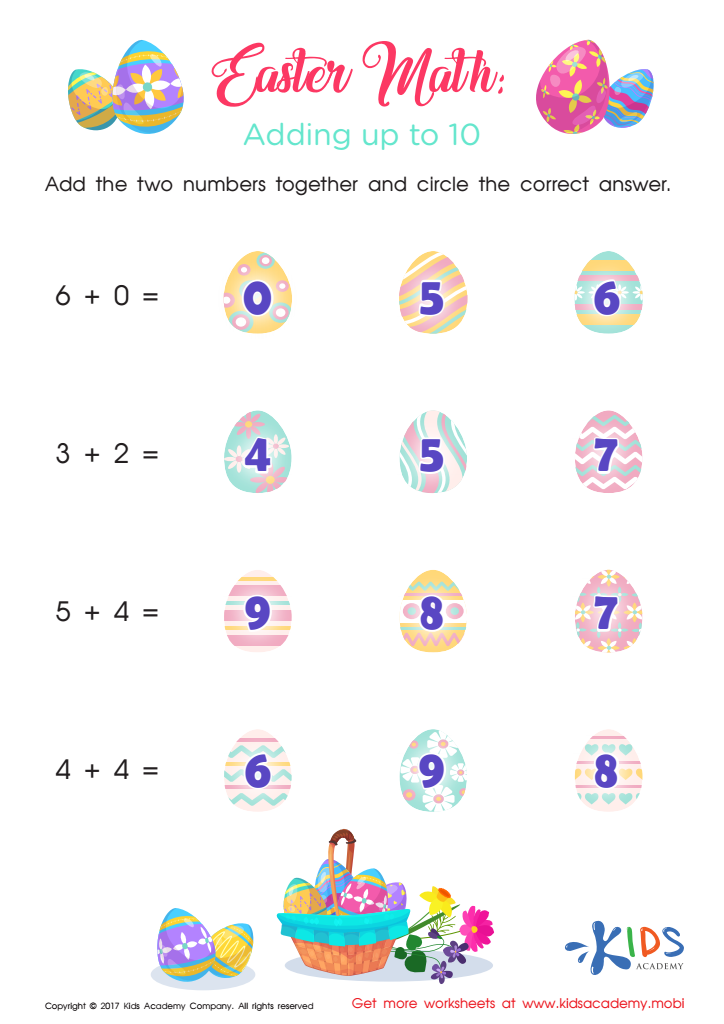
Addition Up To 10 Worksheet
 Assign to My Students
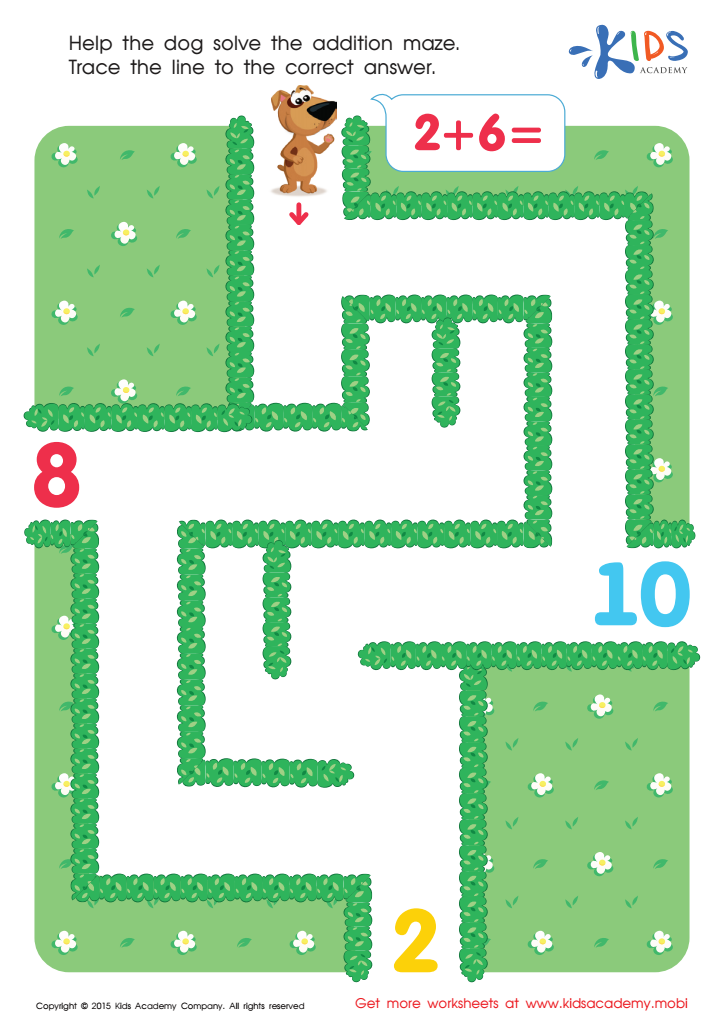
Two Plus Six Addition Worksheet
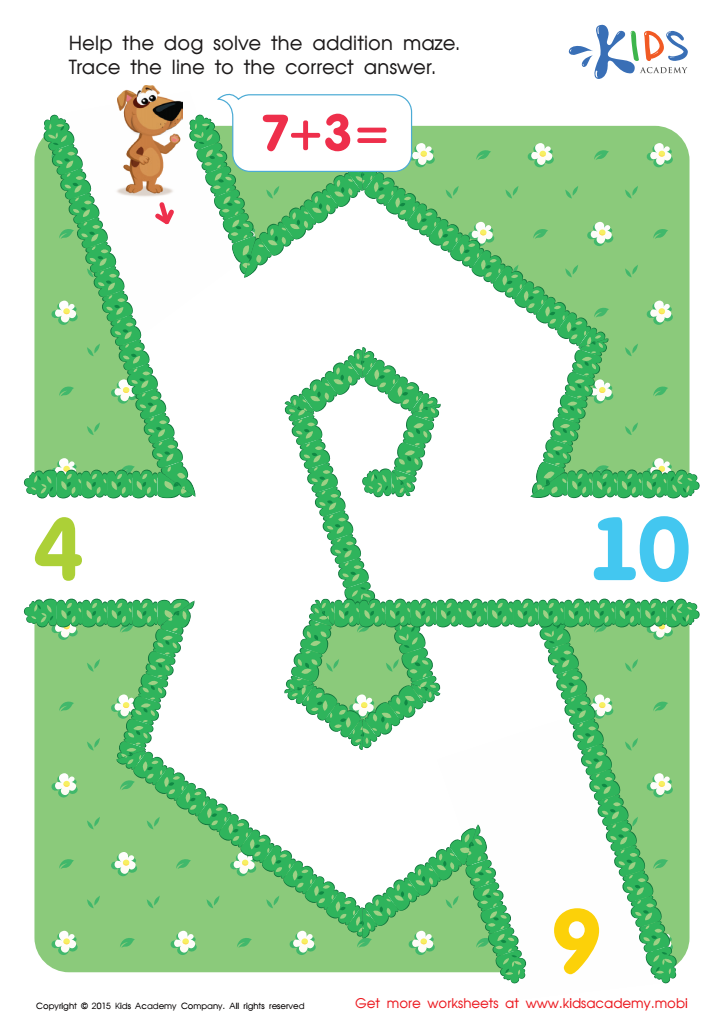
Seven Plus Three Worksheet








Early childhood is a critical period for cognitive development, and fostering basic addition and subtraction skills in 3-year-olds can offer immense benefits. During this stage, children's brains are highly receptive to new information, and engaging them in mathematical activities helps lay a strong foundation for future learning.
Parents and teachers should care about introducing basic addition and subtraction challenges to 3-year-olds for several reasons. First, it sharpens their numerical awareness. Understanding that numbers represent quantities and can be manipulated through addition and subtraction is a fundamental math skill. Early exposure makes these concepts second nature as they progress through higher levels of math.
Second, challenging math activities enhance problem-solving skills. Even at a basic level, applying addition and subtraction teaches children to approach problems methodically and encourages critical thinking. Solving even simple problems can give them a sense of accomplishment that boosts confidence.
Additionally, these activities often introduce key social and motor skills. Working with objects they can count and manipulate helps fine-tune motor coordination. Interactive sessions involving peers or adults also build social skills like cooperation and communication.
Ultimately, making math fun and challenging at an early age prepares children not just academically but also improves their overall cognitive, social, and motor development. Plus, an early positive experience with math creates a lifelong appreciation and curiosity for the subject.








