Animal recognition Extra Challenge Math Worksheets for 3-Year-Olds
5 filtered results
-
From - To
Introduce your toddler to mathematical concepts with our "Animal Recognition Extra Challenge Math Worksheets for 3-Year-Olds." Perfectly designed for young learners, these engaging worksheets combine fun animal recognition activities with foundational math skills like counting, sorting, and matching. Each colorful and interactive worksheet encourages curiosity while boosting cognitive development and problem-solving abilities. Ideal for early learners, these printable resources transform learning into a playful experience. Simplify complex ideas and build confidence in your child's abilities with exercises that hold their attention and enhance their understanding of the world around them. Start their educational journey with our delightful animal-themed math challenges!
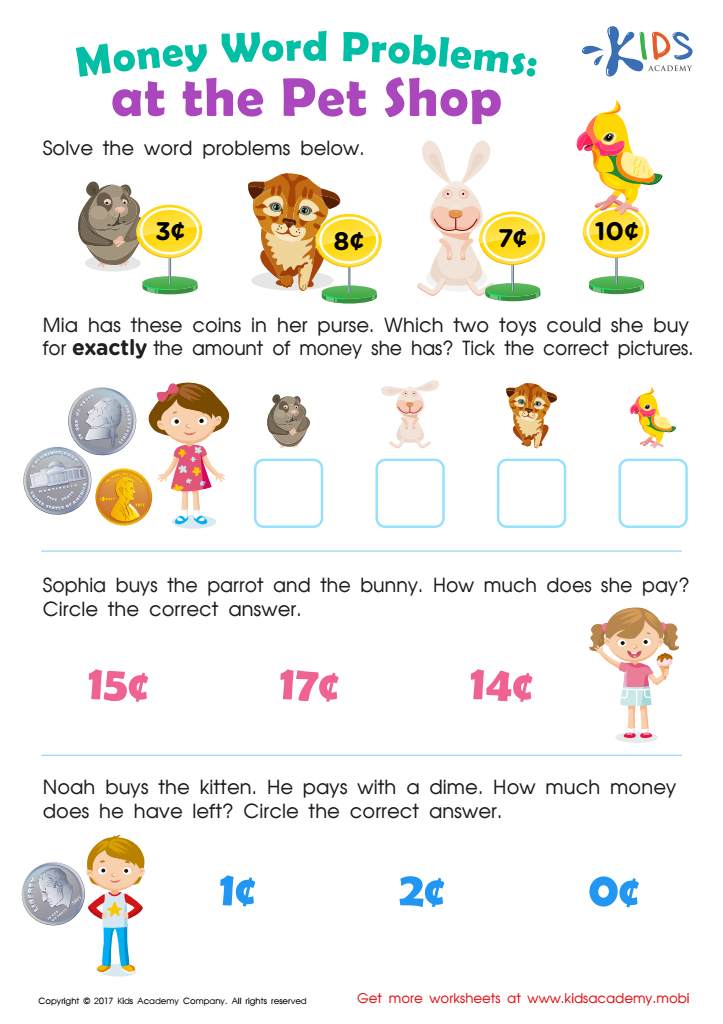
Pet Shop Worksheet
 Assign to My Students
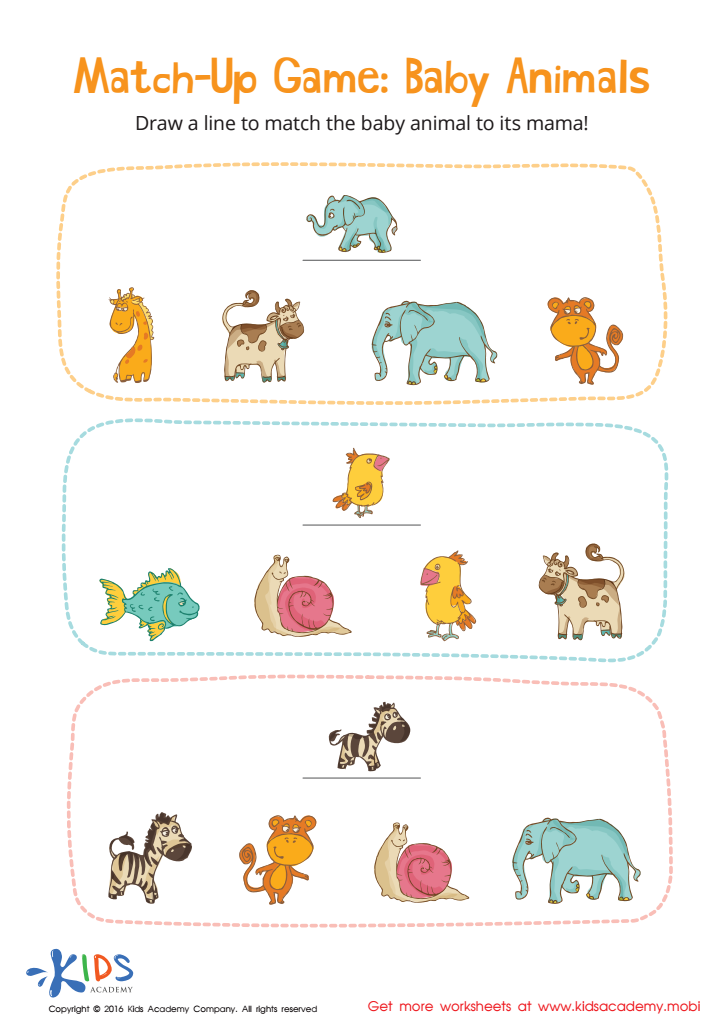
Baby Animals Match-Up Worksheet
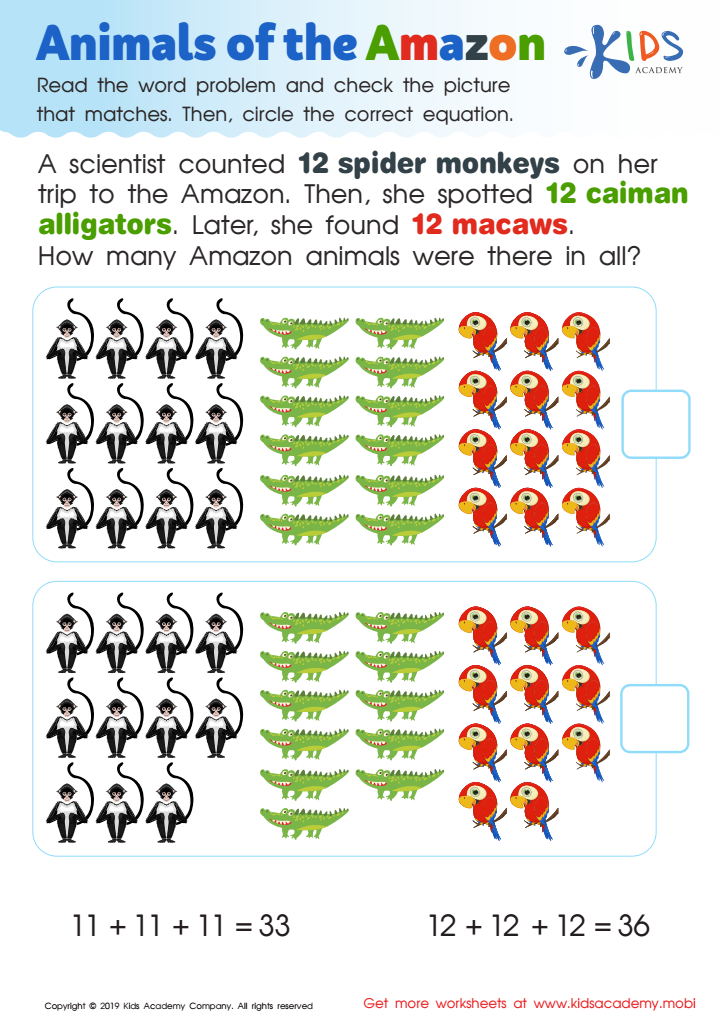
Animals of Amazon Worksheet
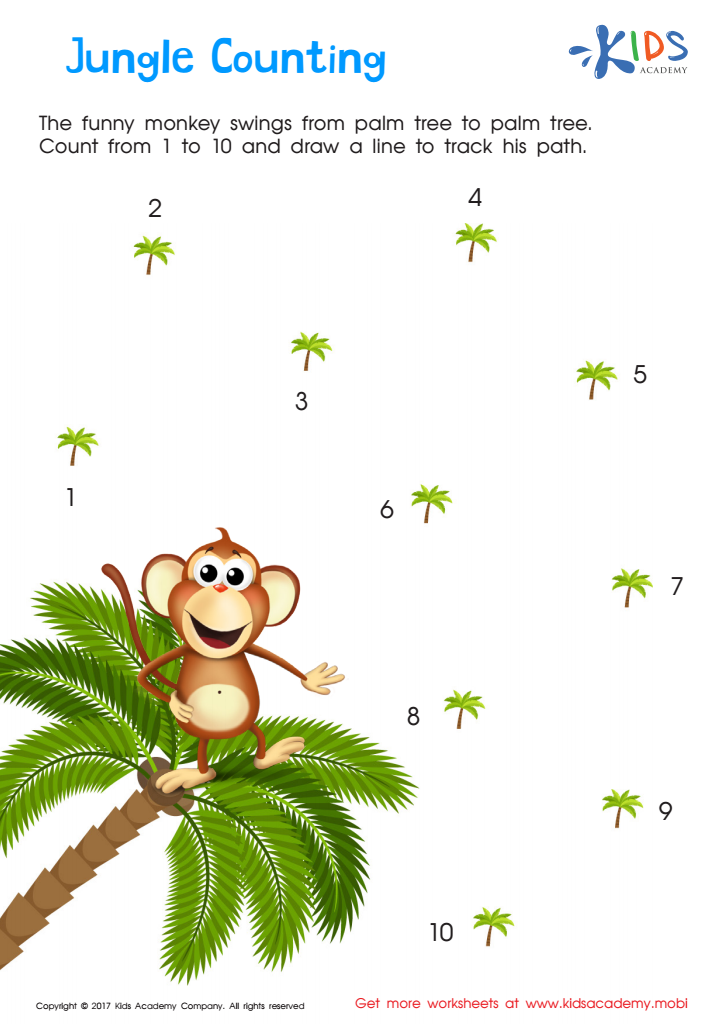
Jungle Counting Connect Dots Worksheet
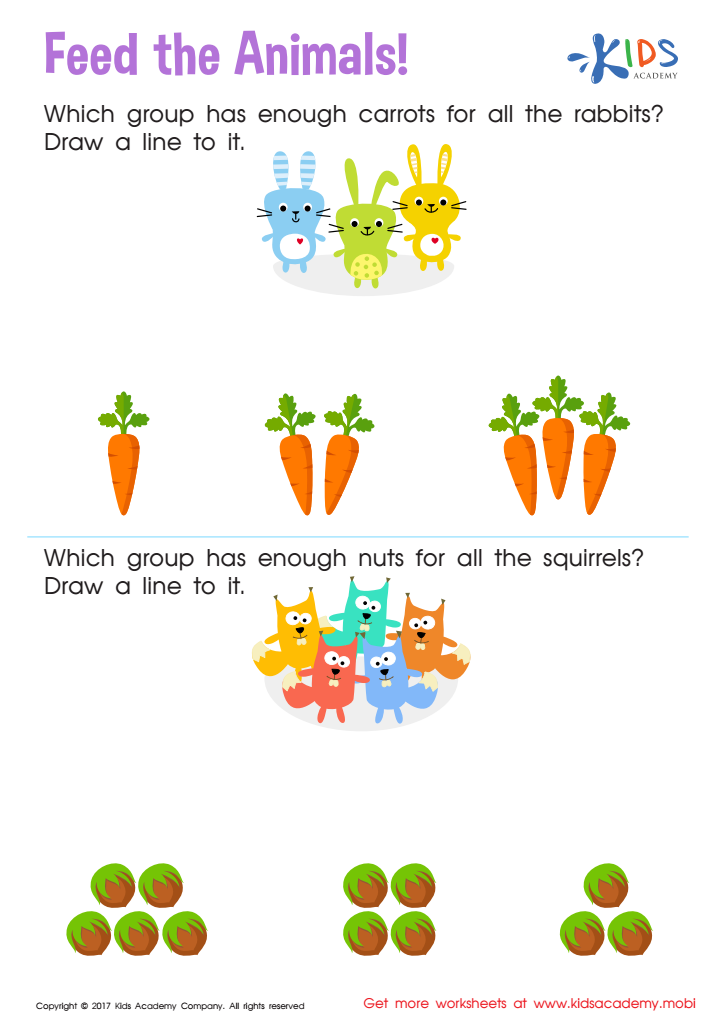
Count and Match: Feed the Animals Worksheet






Parents and teachers play a crucial role in fostering early cognitive development, and incorporating Animal Recognition Extra Challenge Math for 3-year-olds is a fantastic way to nurture both intellectual and emotional growth. At this tender age, children are naturally curious and exhibit a strong capacity to absorb new information, so interweaving familiar and engaging subjects, like animals, with foundational math skills can significantly enhance their learning experience.
First and foremost, learning to recognize animals and linking them with simple mathematical concepts helps children develop keen observation and categorization skills, laying a strong foundation for more complex problem-solving abilities later on. For instance, counting animals or identifying differences and similarities among them encourages numerical literacy, critical thinking, and pattern recognition.
Moreover, this approach leverages children’s innate love for animals to foster a more engaging and enjoyable learning environment, leading to better retention and a positive attitude towards education. It also helps in improving social and linguistic skills as children discuss their learning experiences with peers and adults, thereby promoting language development and cooperative learning.
Lastly, these activities also bridge the gap between play and structured education. By combining animal recognition with mathematical challenges, we create a balanced educational experience that makes early learning fun yet fruitful, setting the stage for lifelong learning and curiosity.








