Color recognition Extra Challenge Math Worksheets for 3-Year-Olds
3 filtered results
-
From - To
Our "Color Recognition Extra Challenge Math Worksheets for 3-Year-Olds" offer an engaging way to develop early math skills. Perfectly tailored for curious young minds, these worksheets combine color recognition with numeric concepts, stimulating cognitive growth through fun activities. Each worksheet encourages children to identify, match, and apply colors in various mathematical contexts, helping to solidify foundational skills. Designed for 3-year-olds, the activities are challenging yet achievable, boosting confidence and competence in young learners. Enhance your child’s early education journey with these dynamic and educational worksheets, and watch as they master color recognition while advancing in math!
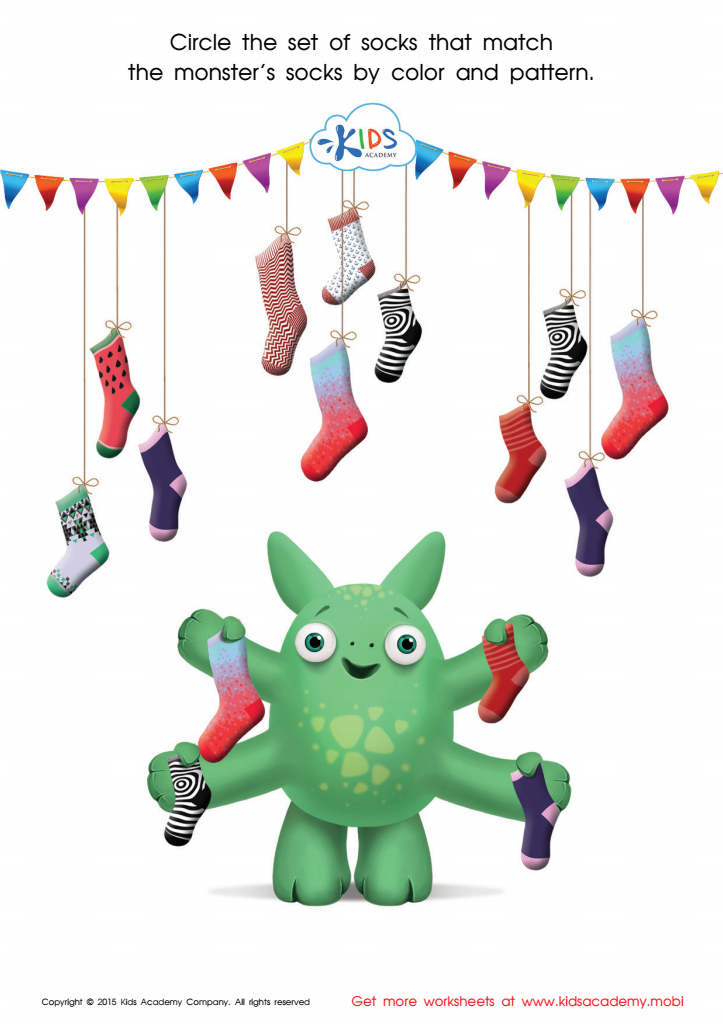
Sort the Monster's Socks Worksheet
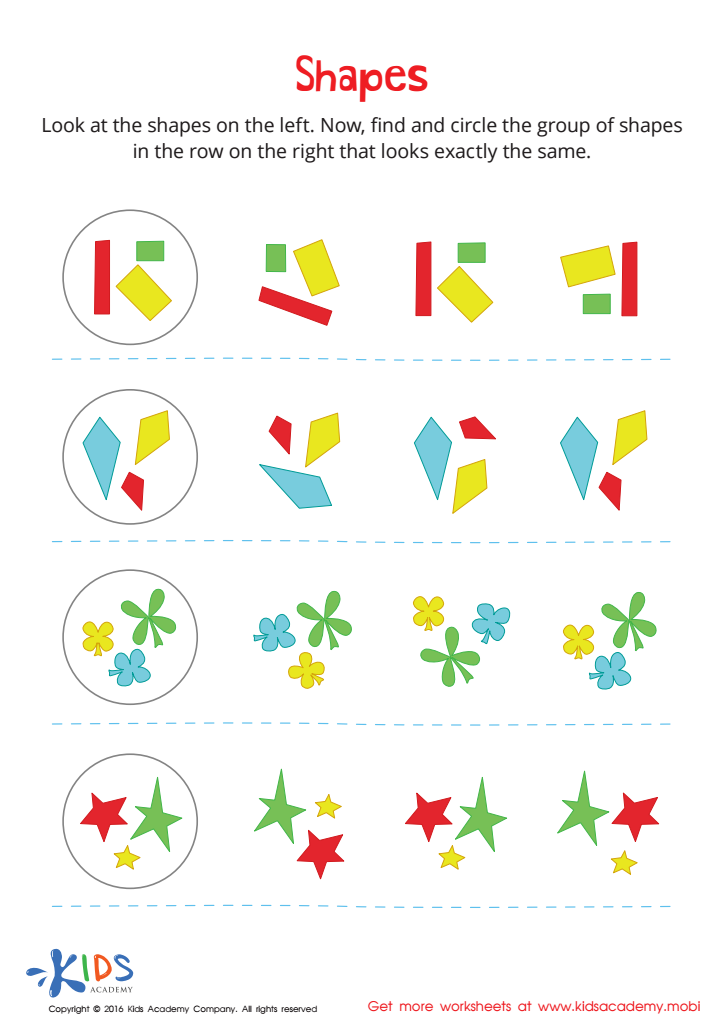
Shapes Worksheet
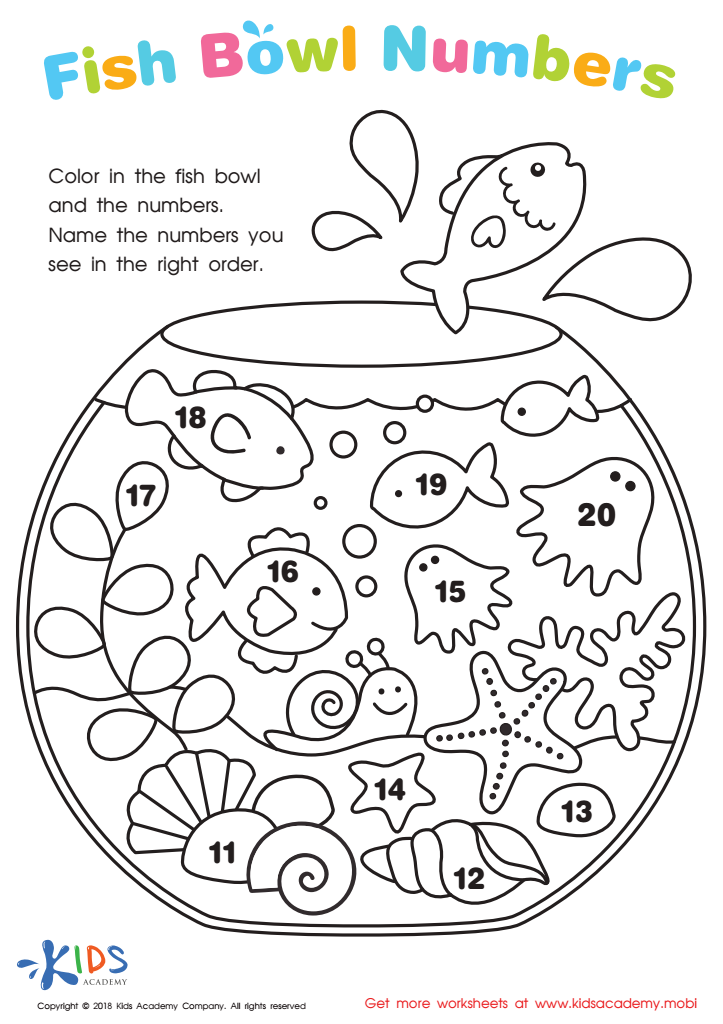
Fish Bowl Numbers Worksheet
 Assign to My Students






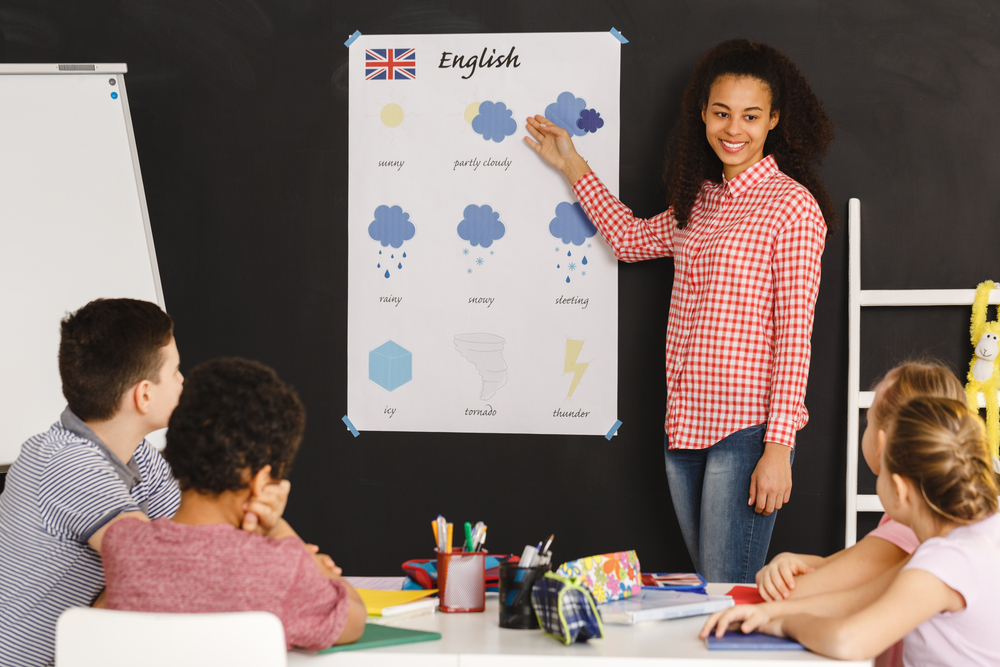
Color recognition and extra challenge math activities are vitally important in the development of 3-year-olds for numerous reasons. Engaging young children in these activities lays the cornerstone for early cognitive development and academic growth. By incorporating color recognition exercises, parents and teachers help children sharpen their visual differentiation skills and enhance their ability to categorize and recognize visual attributes. This foundational skill is crucial not just for everyday tasks, but also for understanding more complex concepts in science and art.
On the other hand, introducing extra challenge math nurtures a child’s number sense and builds their problem-solving skills from an early age. When these mathematical challenges are combined with color recognition tasks, it creates a multidimensional learning experience that stimulates various parts of the brain simultaneously. This dual focus can significantly improve a child's attention span, memory retention, and logical reasoning.
Additionally, these activities encourage early mastery of skills that form the basis of a child's educational journey. As children are both challenged and engaged, they gain confidence in their abilities, which can result in a more positive attitude toward learning in general. Early success in these areas often translates to long-term academic achievements, making it important for parents and teachers to prioritize such tasks in the curriculum for 3-year-olds.








