Alphabet Recognition Extra Challenge ABC Order Worksheets for Ages 4-5
3 filtered results
-
From - To
Boost your child's alphabet recognition skills with our "Alphabet Recognition Extra Challenge: ABC Order Worksheets" designed specifically for ages 4-5. These engaging and interactive worksheets help young learners master the ABCs while fostering essential pre-reading skills. Children will enjoy color-coding, tracing, and sequencing letters to enhance their understanding of the alphabet. Our thoughtfully crafted challenges guide them through fun exercises that encourage independent learning and build confidence. Ideal for homes, classrooms, or early education settings, these worksheets make alphabet learning an exciting adventure. Give your child a head start in literacy with this comprehensive resource today!
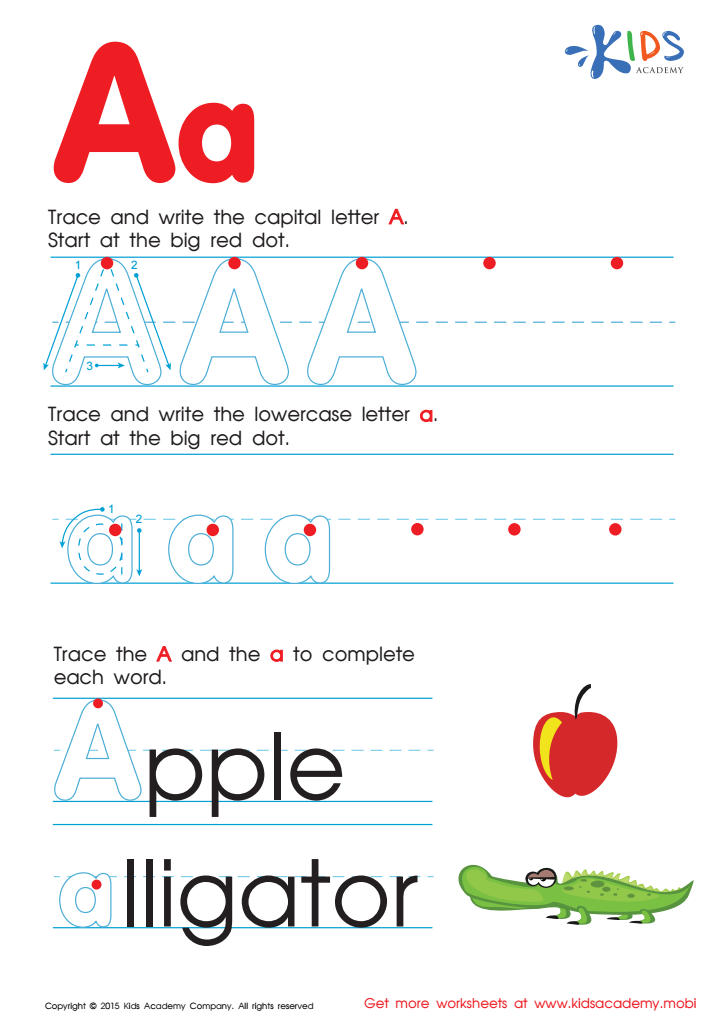
Letter A Tracing Page
 Assign to My Students


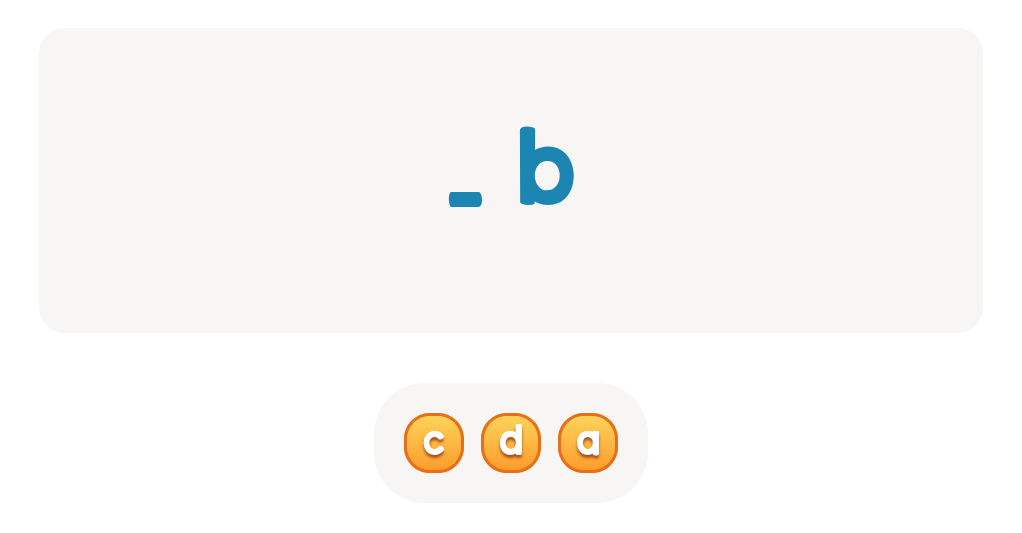
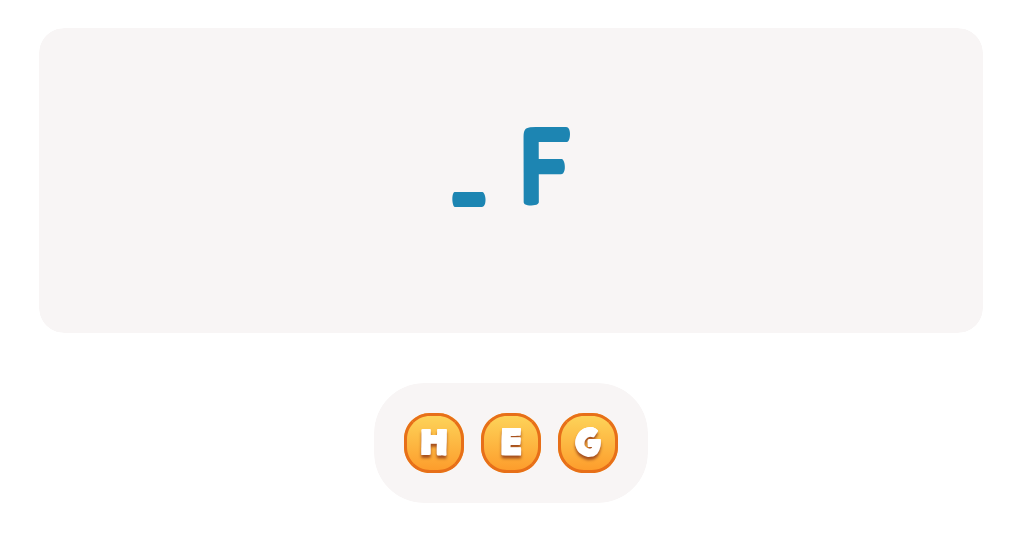

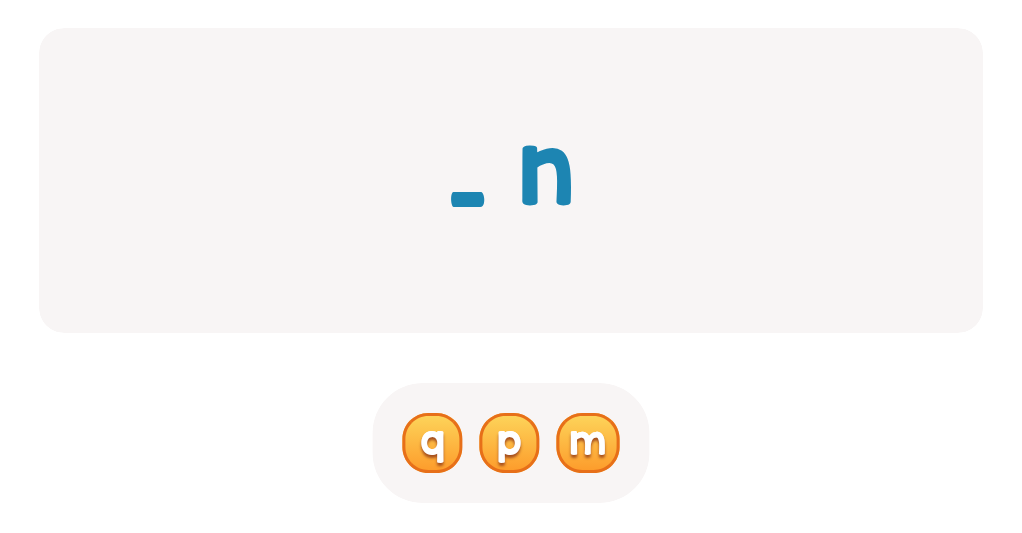


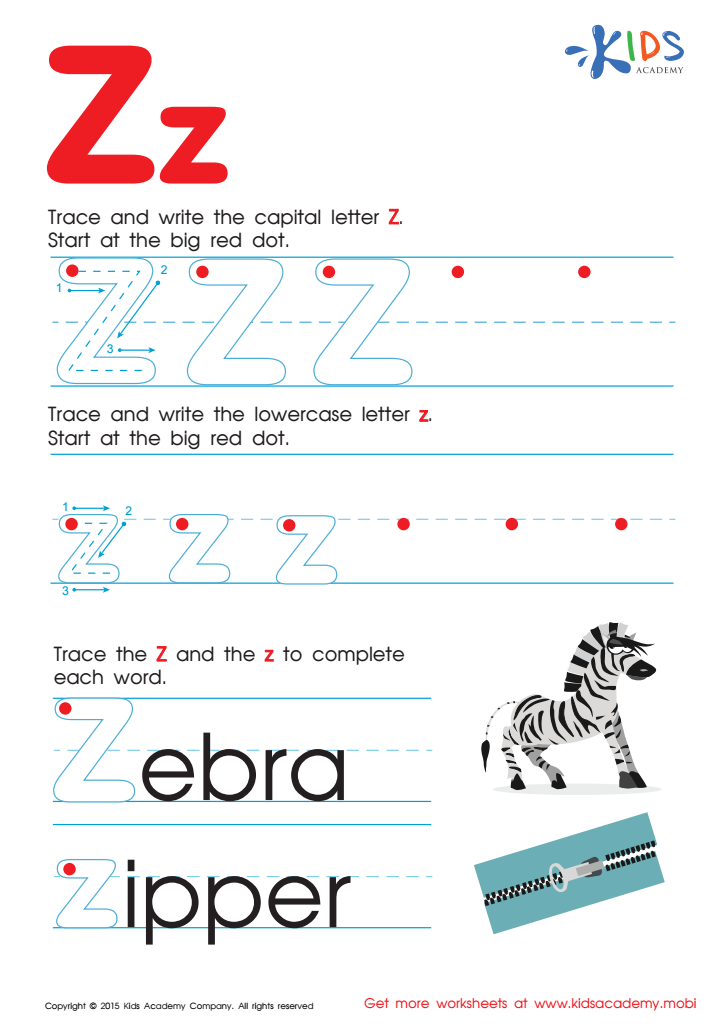
Letter Z Tracing Page
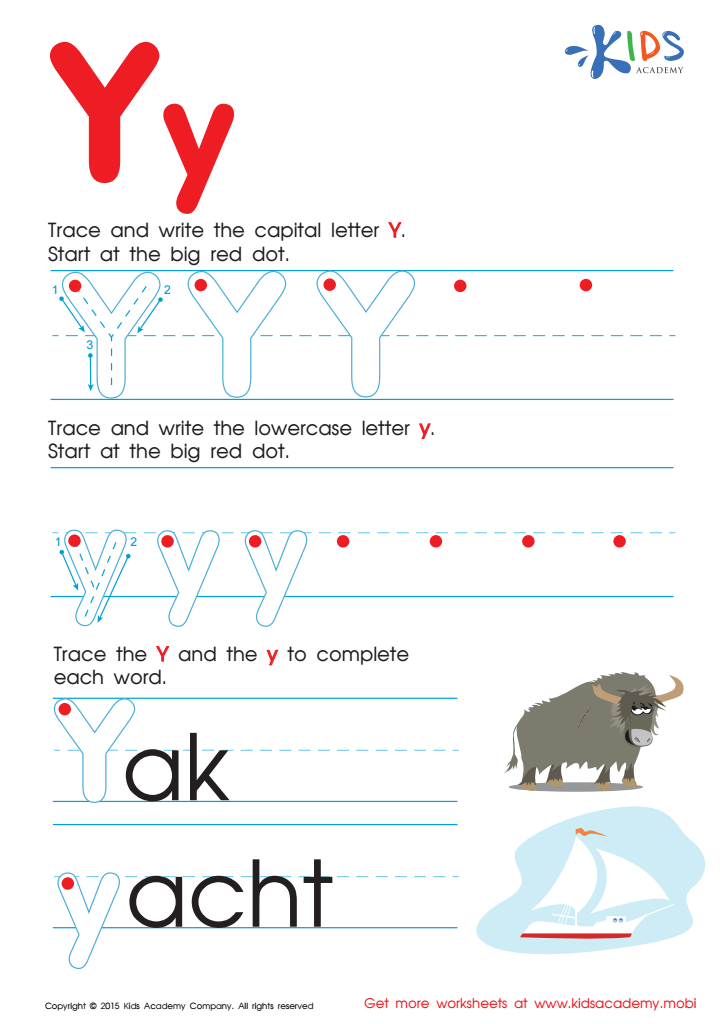
Letter Y Tracing Page







Alphabet recognition is a foundational skill for young learners, critically shaping their literacy development. The "Alphabet Recognition Extra Challenge ABC Order" for ages 4-5 goes beyond simple identification, engaging children in recognizing and organizing letters in a sequential manner. This activity fosters not only letter familiarity but also enhances cognitive skills, such as memory, sequencing, and problem-solving.
Parents and teachers should prioritize this challenge because it builds confidence in early reading and writing skills. Recognizing the alphabet—in order—sets the stage for phonics instruction, enabling children to decode words and sound out letters effectively. This early proficiency reduces later difficulties in reading, supporting academic success as children advance in their education.
Additionally, sequencing activities enrich fine motor skills as children manipulate letters. This hands-on engagement maintains high interest levels and encourages critical thinking. Furthermore, participation in challenges like this fosters a positive association with learning and reinforces the importance of practice.
Ultimately, supporting children's mastery of the alphabet through engaging challenges not only prepares them academically but also nurtures a love for reading, setting a strong foundation for lifelong learning. This investment in early literacy contributes to their overall development and future educational journeys.








