Fine Motor Skills Extra Challenge ABC Letters Worksheets for Ages 4-5
7 filtered results
-
From - To
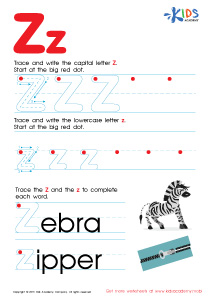
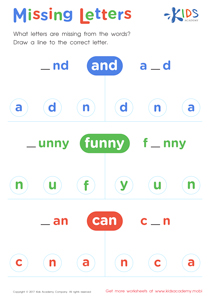
Boost your child's fine motor skills with our engaging ABC Letters Worksheets designed for ages 4-5! These extra challenge worksheets provide a fun and interactive way for young learners to enhance their handwriting, coordination, and dexterity while mastering the alphabet. Each worksheet features creative activities, such as tracing, coloring, and connecting letters, making learning enjoyable. Perfect for preschoolers and kindergarteners, these resources help build essential skills that pave the way for successful writing and literacy. Download these innovative worksheets today and watch your child's confidence and abilities soar as they embark on an exciting alphabet adventure!
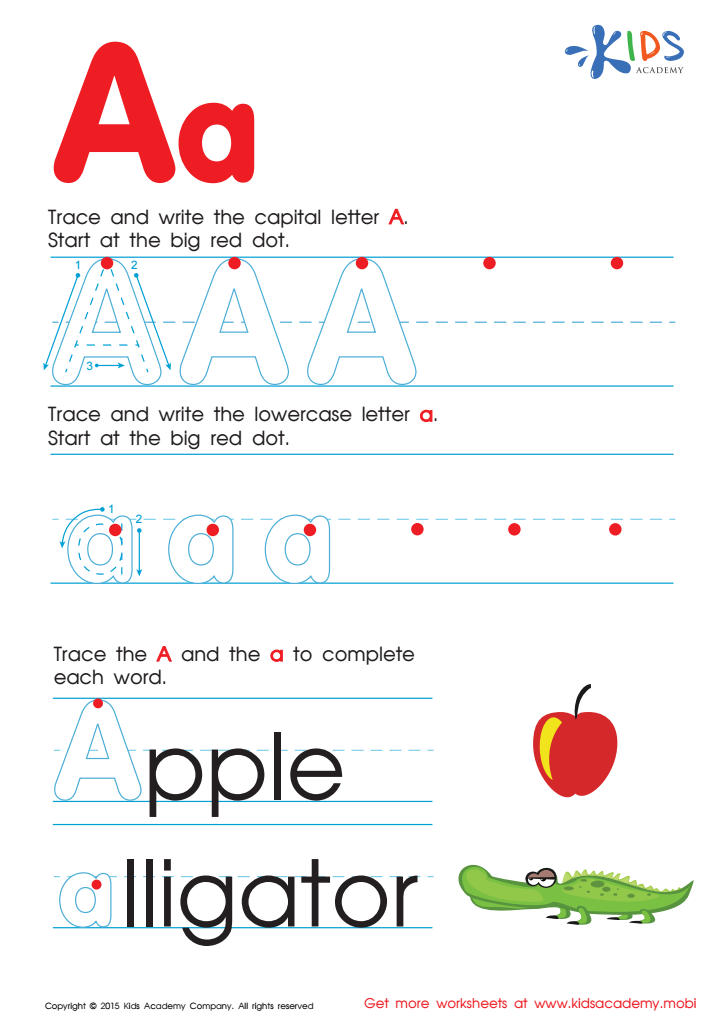
Letter A Tracing Page
 Assign to My Students











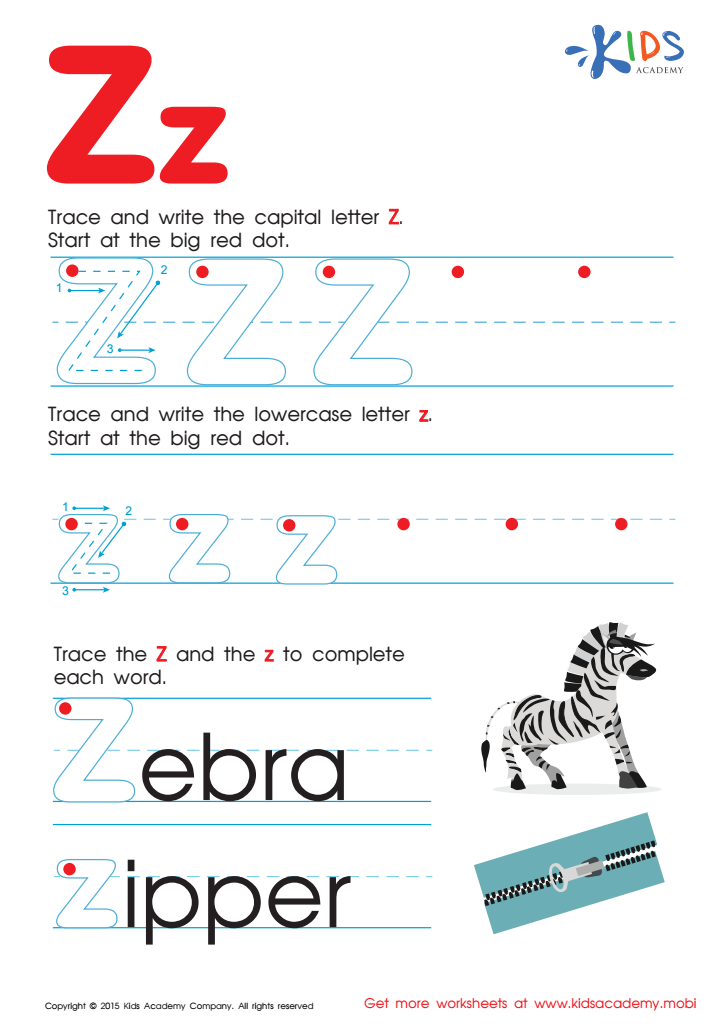
Letter Z Tracing Page
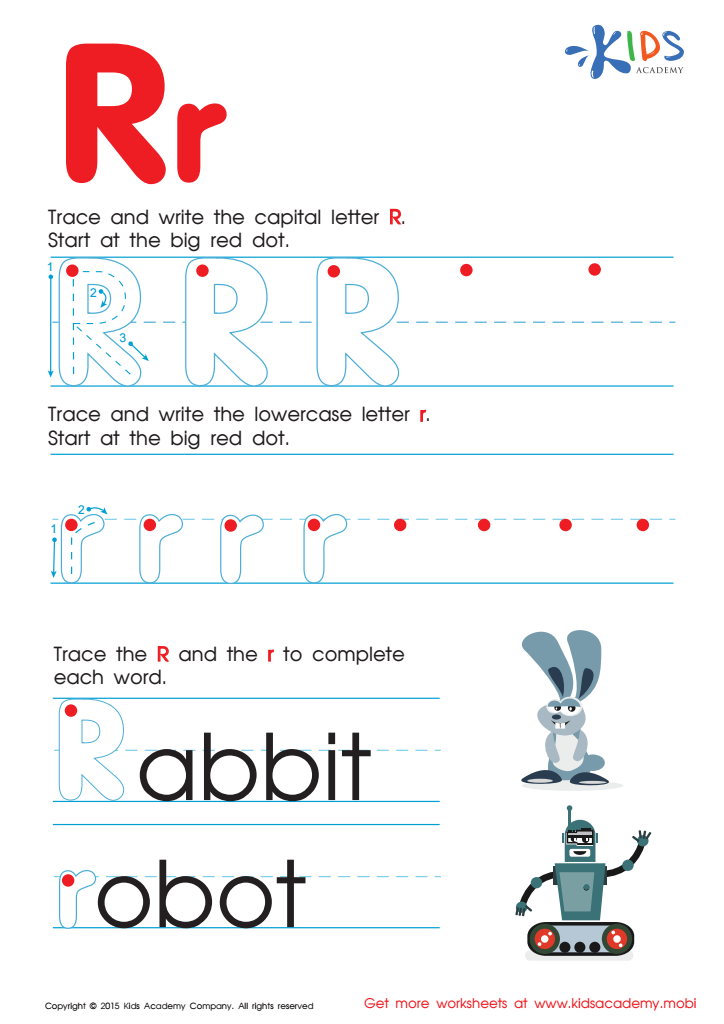
Letter R Tracing Page
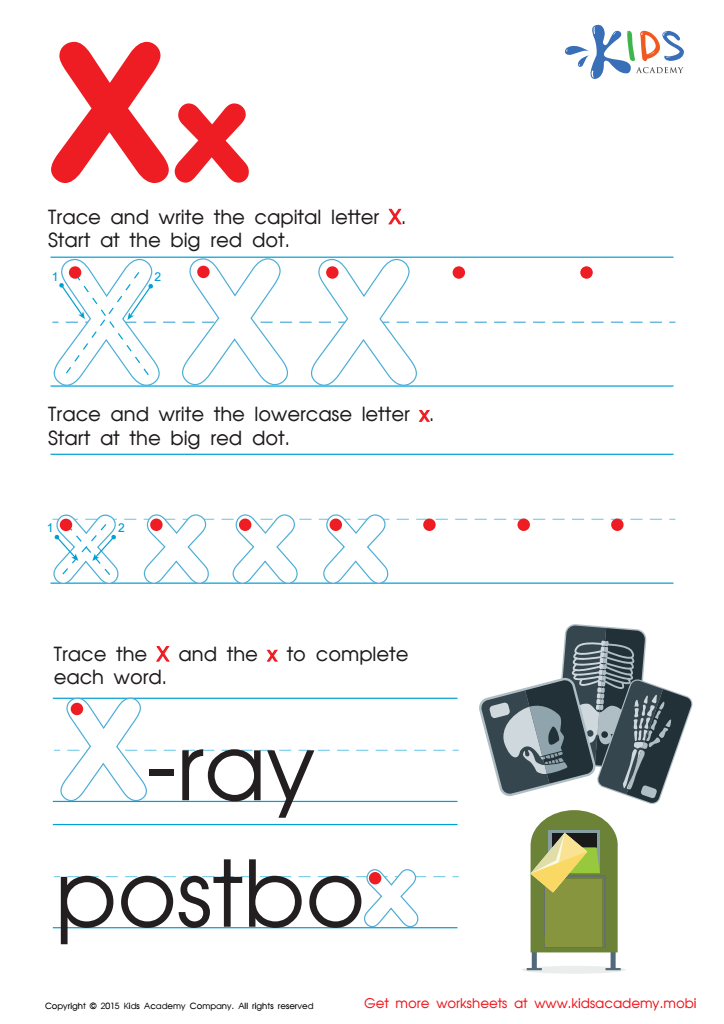
Letter X Tracing Page
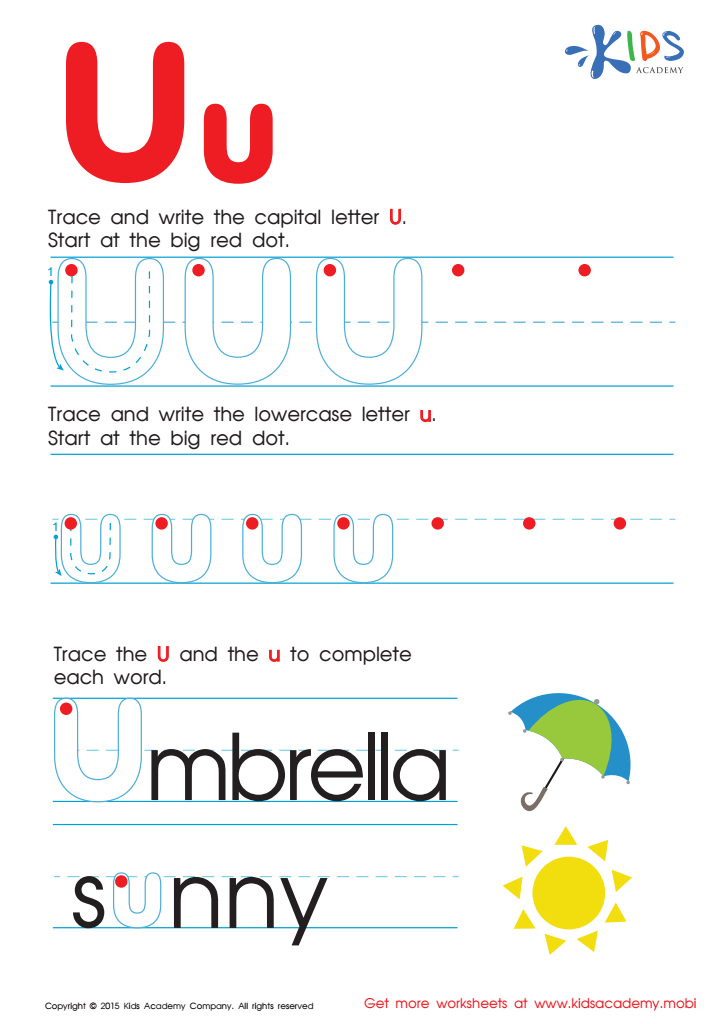
Letter U Tracing Page
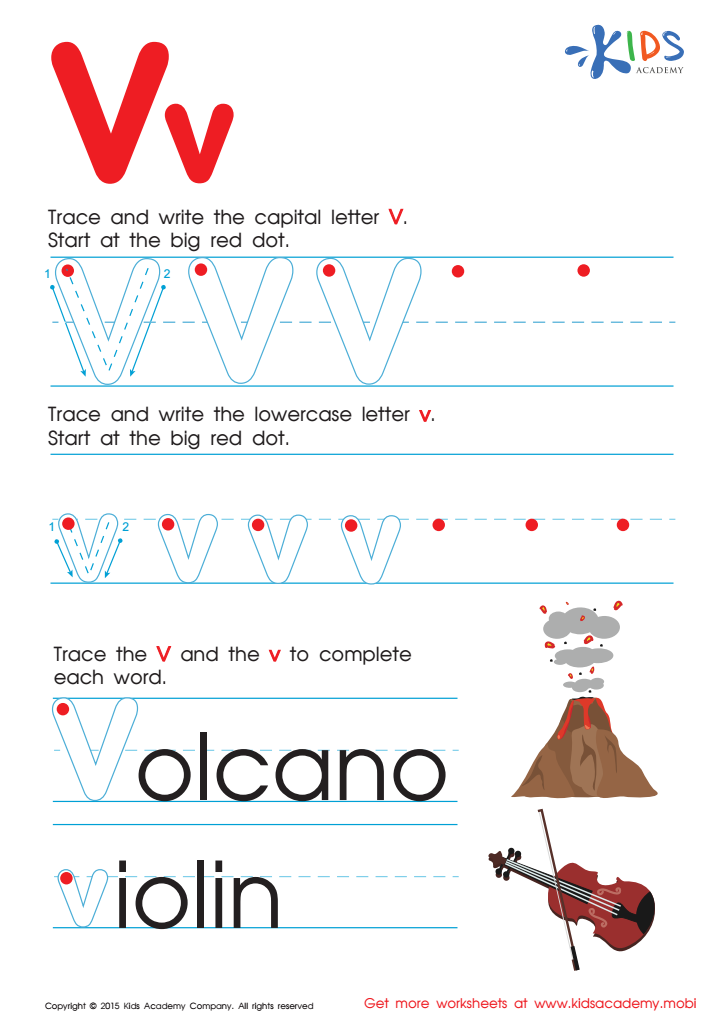
Letter V Tracing Page
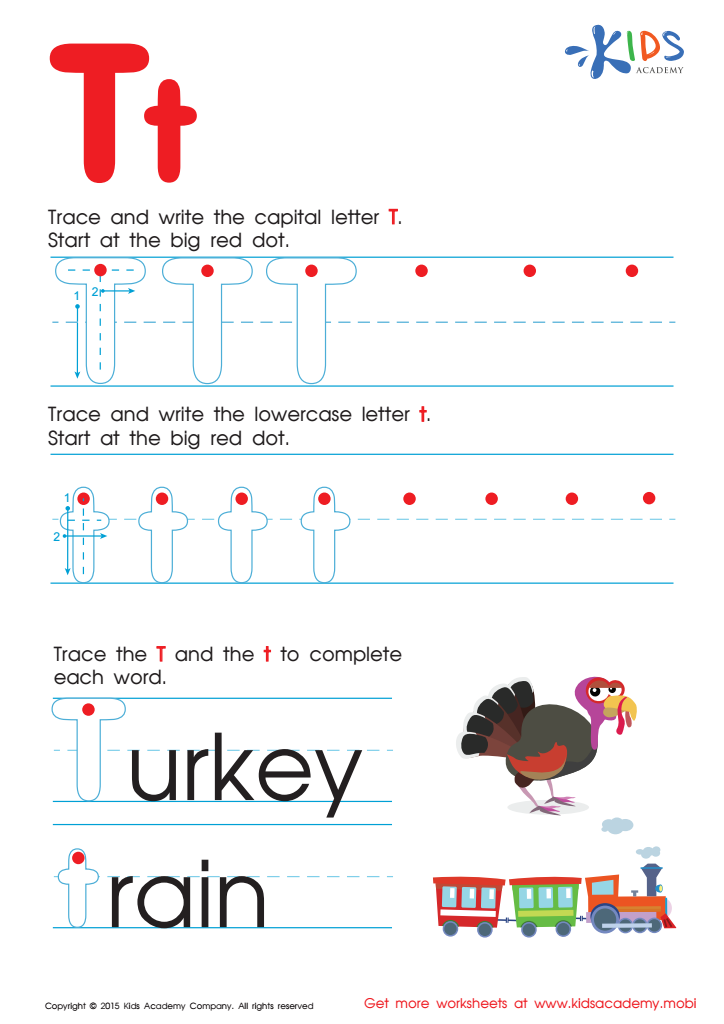
Letter T Tracing Page







Fine motor skills are crucial for children, particularly for those aged 4-5, as they directly impact their ability to perform daily tasks and engage in academic activities. The "Fine Motor Skills Extra Challenge ABC Letters" program offers numerous benefits for young learners. Firstly, developing fine motor skills helps children gain control over their hand movements, which is essential for writing, drawing, and using tools safely and effectively.
Parents and teachers should care about this program as it not only boosts children's confidence in their abilities but also promotes hand-eye coordination and cognitive development. Engaging with activities that challenge fine motor skills can enhance children's focus, patience, and problem-solving skills, laying a foundation for future learning.
Additionally, the incorporation of alphabet recognition into fine motor skill exercises allows children to practice letter formation and sounds simultaneously, reinforcing their literacy skills in a playful, hands-on way. This integrative approach ensures that kids are not just physically developing but are also enhancing their cognitive connections.
Ultimately, nurturing fine motor skills at an early age prepares children for more complex tasks in school, supports their overall development, and sets them on a path toward academic success and independence.