Vowel Recognition Extra Challenge Long Vowels Worksheets for Ages 4-5
3 filtered results
Difficulty Level
Grade
Age
-
From - To
Subject
Activity
Standards
Discover our "Vowel Recognition Extra Challenge Long Vowels Worksheets" tailored for ages 4-5! These engaging worksheets help young learners recognize and understand long vowels through fun and interactive activities. Each sheet features colorful images and simple exercises designed to reinforce vowel sounds, enhance reading skills, and build foundational language proficiency. Perfect for home or classroom use, our extra challenges will keep children motivated and excited as they master essential phonics concepts. Ideal for parents and educators aiming to boost early literacy skills, these worksheets are the key to transforming vowel recognition into a delightful learning adventure!
Favorites
With answer key
Interactive
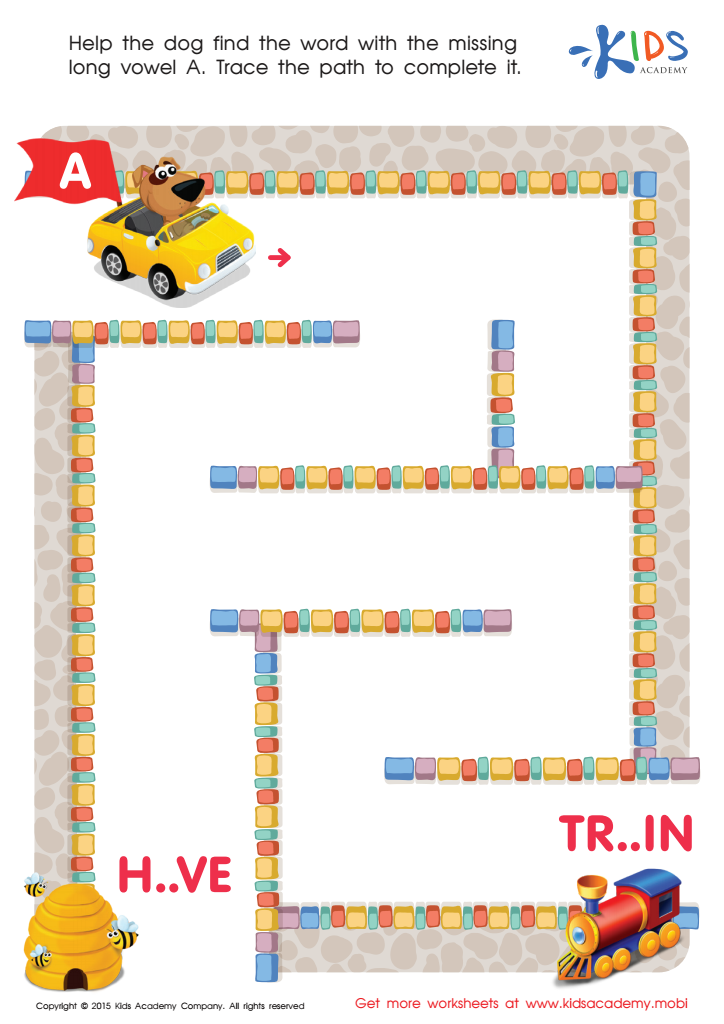
Long Vowel Sound A Worksheet
Teach your young learner about the long vowel A with this colorful free printable phonics worksheet. The long vowel A says its name while the short vowel A does not. Complete the worksheet by tracing the root to the toy train and helping the dog by filling in the missing letter A. Have them practice writing and spelling with phonics while having fun!
 Assign to My Students
Long Vowel Sound A Worksheet
Worksheet
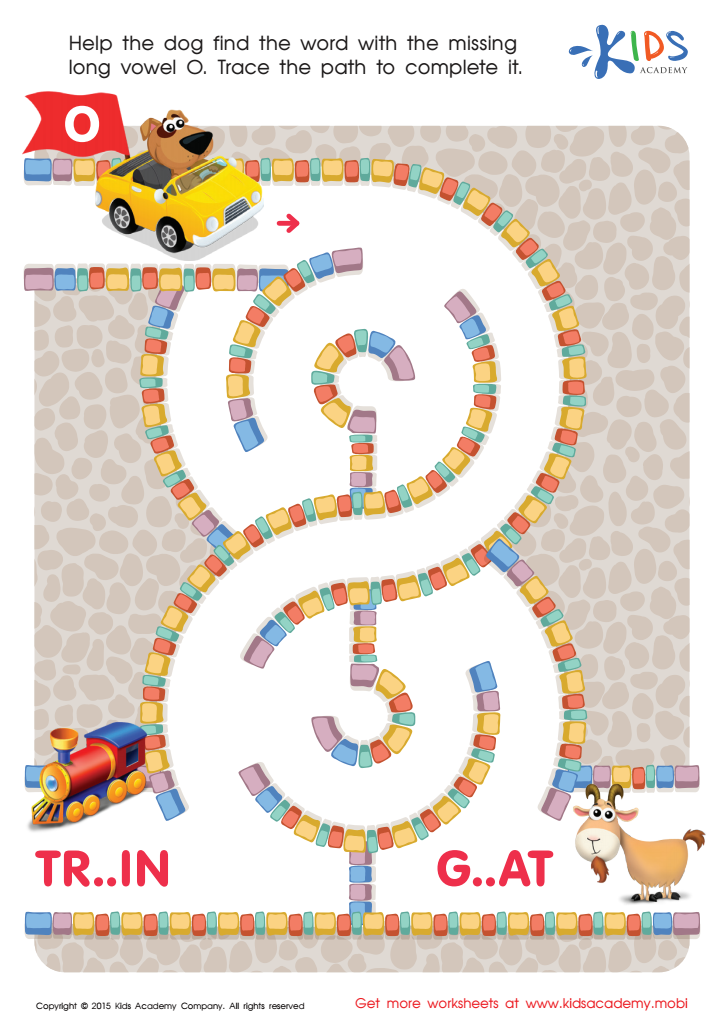
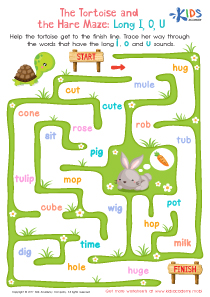
Long Vowel Sound O Worksheet
Help the goat find her missing O! Guide your little learner through this fun maze to help the goat get its vowel sound back. Make phonics learning engaging and enjoyable with this free printable worksheet.
Long Vowel Sound O Worksheet
Worksheet
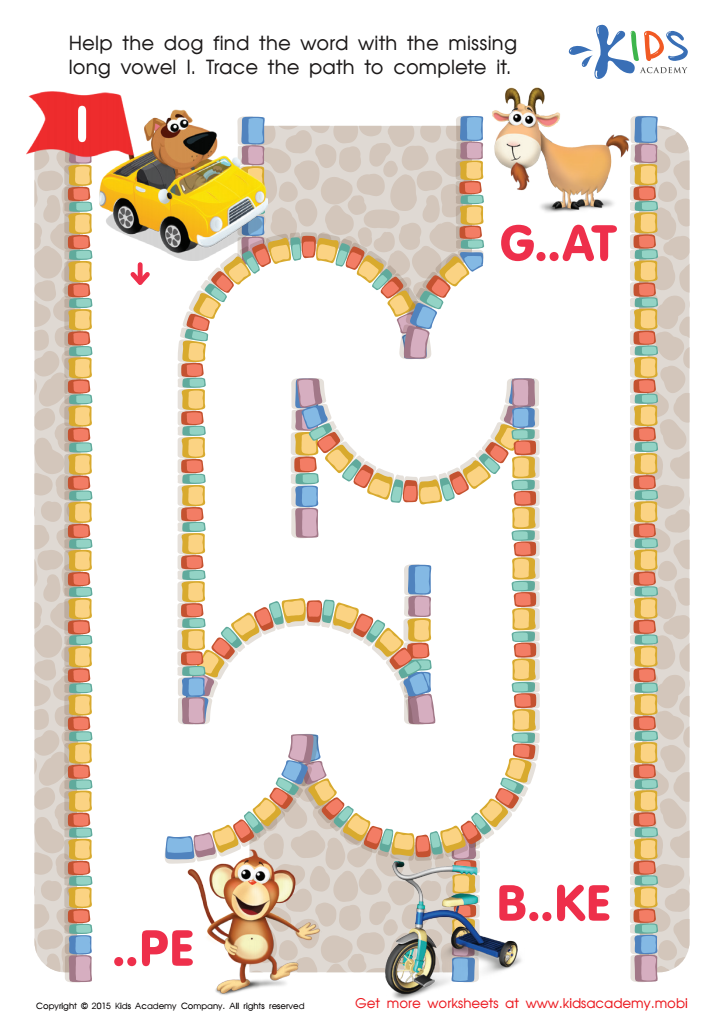
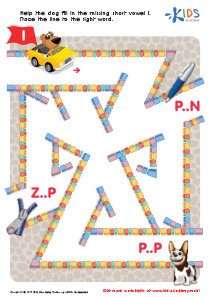
Long Vowel Sound I Worksheet
Learning long vowels is essential to becoming a good reader. Ask your child to distinguish between the long and short I vowel sounds. Remind them that the long I says its name, while the short I doesn't. With this fun printable phonics worksheet, your kid can practice writing and spelling while helping a dog find his way through a maze. Check out our phonics worksheets for more learning activities.
Long Vowel Sound I Worksheet
Worksheet
Join Kids Academy for Free
Who is primarily going to use this learning content?



Vowel recognition, especially focusing on long vowels, sets a crucial foundation for young readers aged 4-5. During the early developmental stages, recognizing and distinguishing these vowel sounds directly influences a child's ability to decode words, which is an essential skill for reading fluency. Long vowels often carry the "say their name" sound, which is easier for young learners to grasp compared to the varied sounds that short vowels make.
Investing time in vowel recognition, including the extra challenge of mastering long vowels, particularly aids in improving phonemic awareness—a key predictor of successful reading proficiency. This skill also helps children understand correct spelling patterns, as words with long vowels can involve silent "e" endings (e.g., cake or note), vowel pairs (e.g., boat or read), or various other markers that change a vowel's sound. Engaging in focused activities targeting these skills enhances a child's confidence, making them more enthusiastic and capable in their reading journey.
Moreover, fostering an early interest in and competence with these concepts helps prevent potential reading difficulties down the road. Hence, parents and teachers should dedicate time to vowel recognition exercises and consider slowly introducing the extra challenge of long vowels. It turns reading into an exciting, achievable task for young learners, laying a strong foundation for all future literacy skills.