Fine Motor Skills Extra Challenge Tracing Letters Worksheets for Ages 4-5
7 filtered results
-
From - To
Enhance your child's fine motor skills with our "Fine Motor Skills Extra Challenge Tracing Letters Worksheets" designed for ages 4-5. Perfect for young learners, these worksheets focus on developing hand-eye coordination, precision, and writing skills. Fun and engaging exercises guide kids through the alphabet, making learning enjoyable while preparing little hands for success in writing. Ideal for parents and educators seeking effective, educational resources, these worksheets are a great way to build foundational skills. Explore a collection of expertly crafted activities that transform tracing into an exciting adventure for young explorers. Give your child the fine motor skills boost they need today!
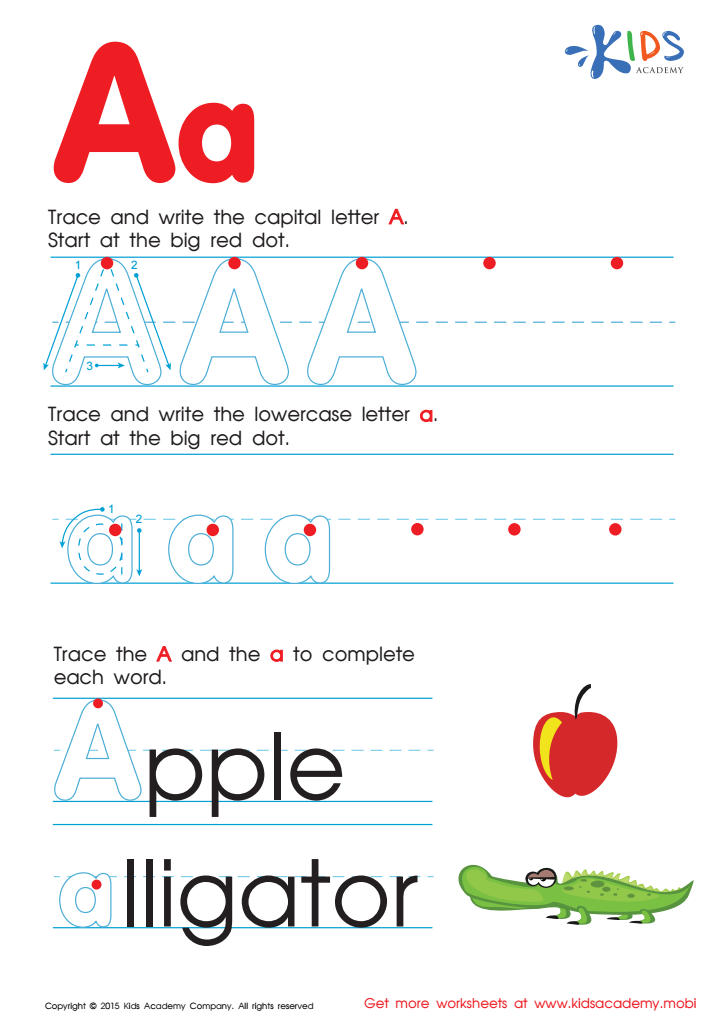
Letter A Tracing Page
 Assign to My Students
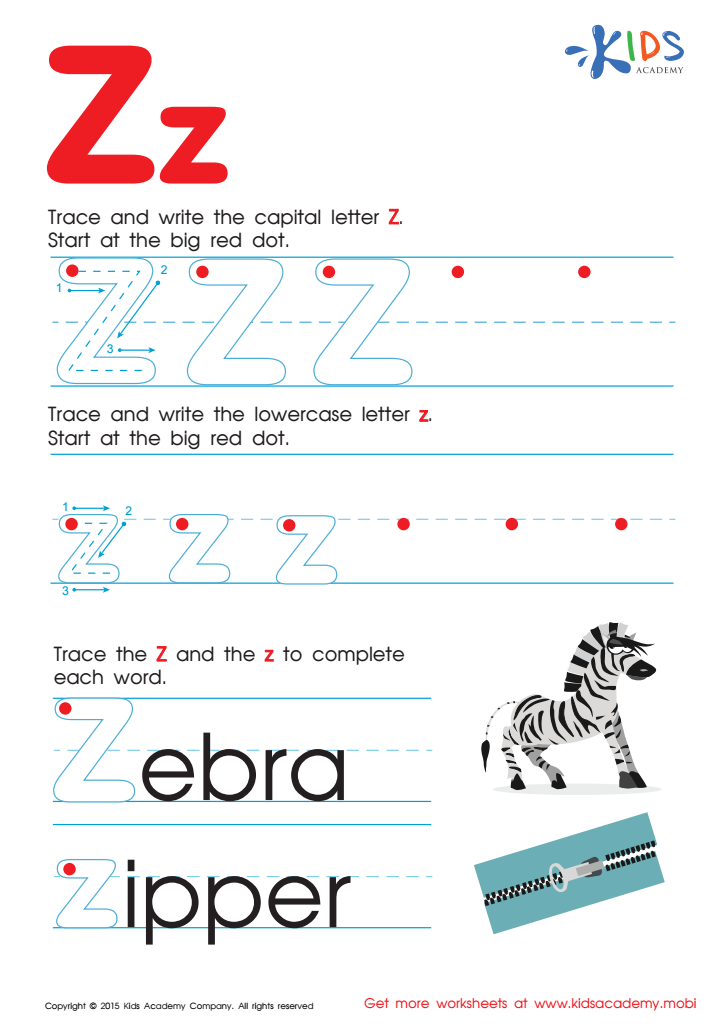
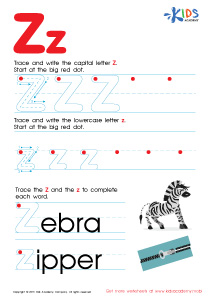
Letter Z Tracing Page
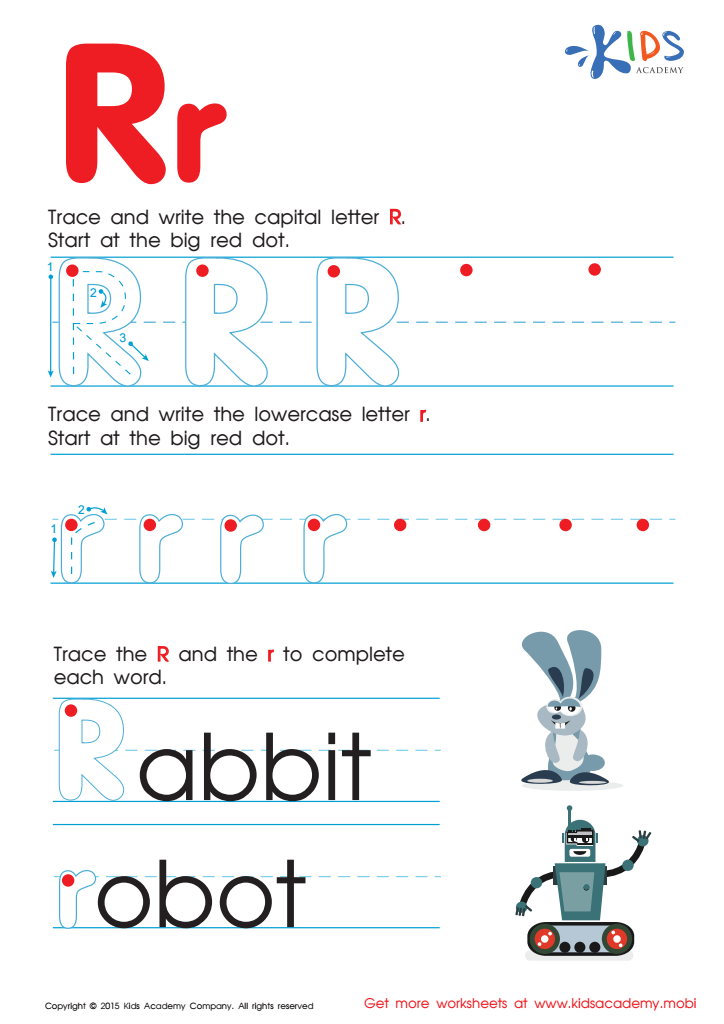
Letter R Tracing Page
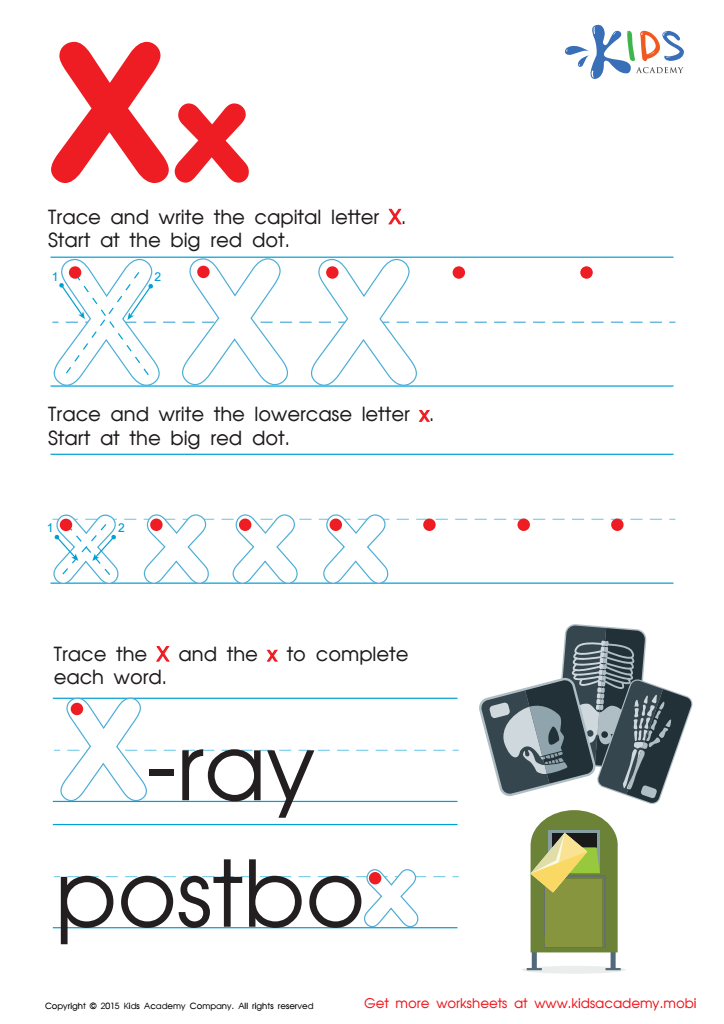
Letter X Tracing Page
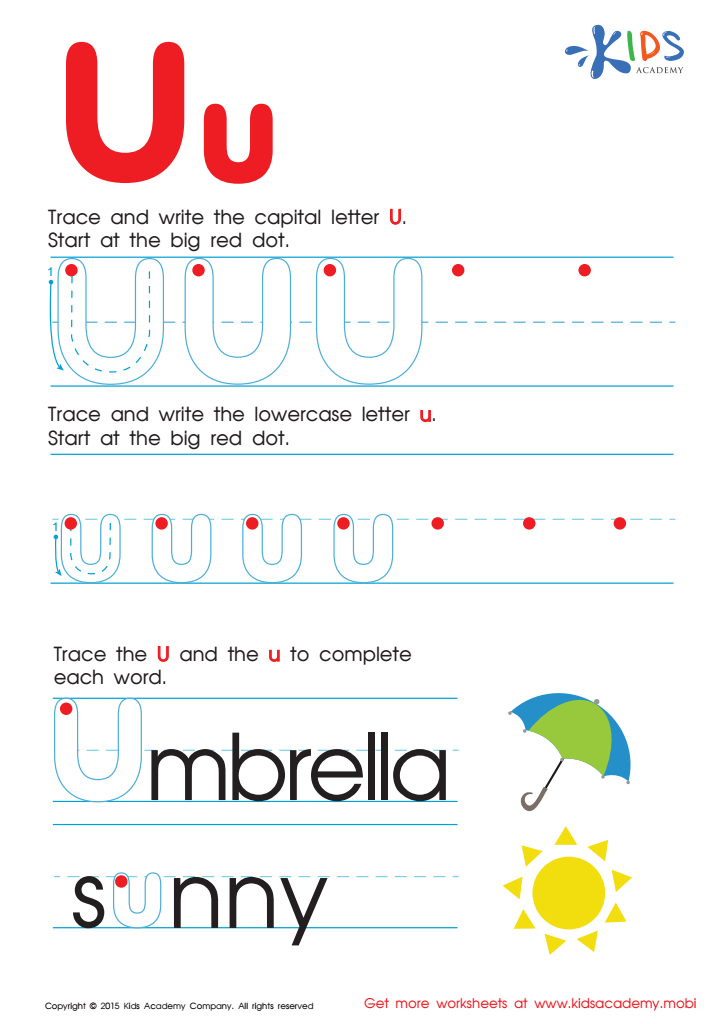
Letter U Tracing Page
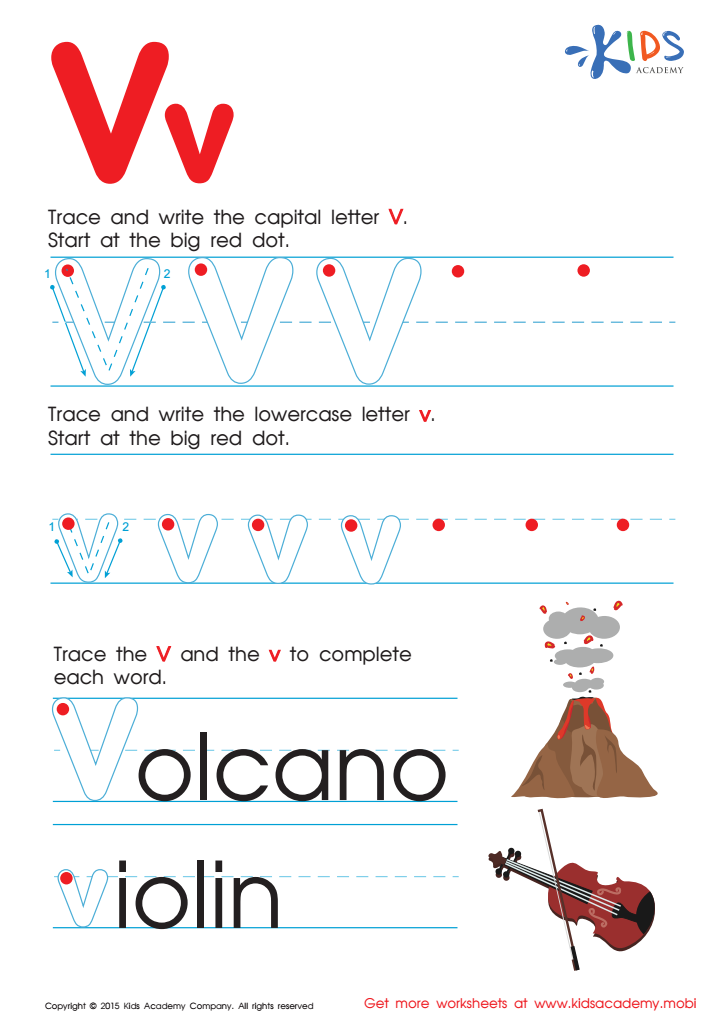
Letter V Tracing Page
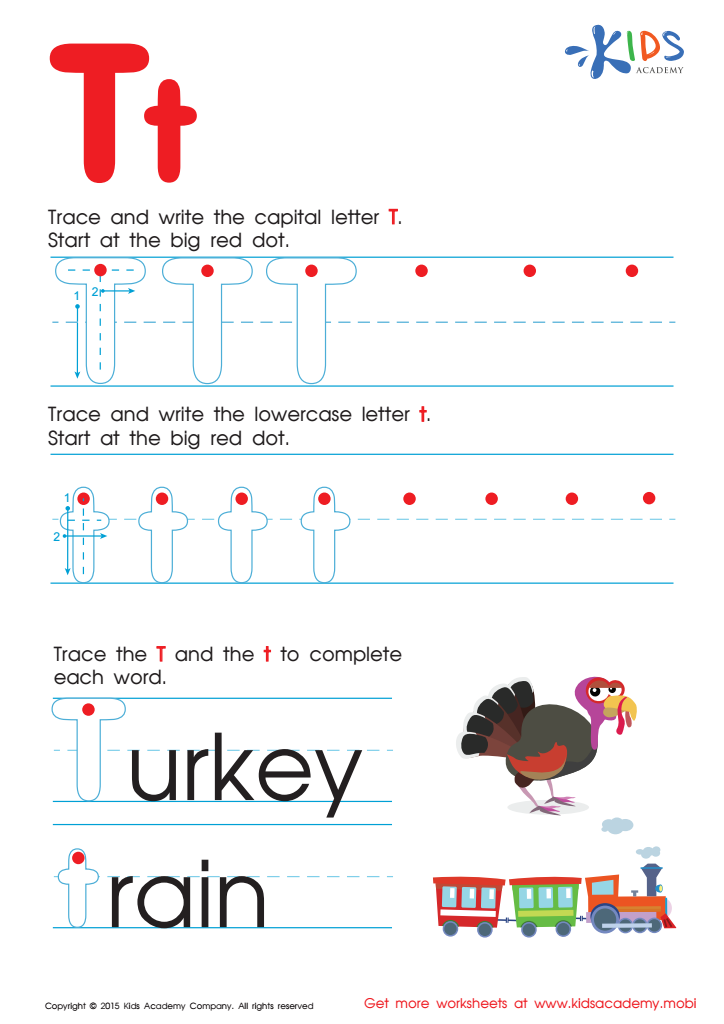
Letter T Tracing Page








Fine motor skills are essential for young children’s development, and activities like Fine Motor Skills Extra Challenge Tracing Letters are particularly beneficial for ages 4-5. During these formative years, children are building the foundations for academic success and everyday tasks. Engaging in tracing exercises enhances hand-eye coordination and strengthens the small muscles in the hands and fingers, which are important for writing, drawing, and manipulating small objects.
For parents and teachers, focusing on improving fine motor skills through tracing letters can greatly aid a child’s ability to write legibly and with ease. When young learners can confidently control their pencils, they are more likely to enjoy and excel in writing activities, setting a positive tone towards literacy. Beyond academics, strong fine motor skills contribute to independence in tasks such as buttoning clothes, tying shoes, and using utensils, while instilling a sense of confidence and accomplishment.
Thus, tools like tracing exercises are not only about writing but are a gateway to broader developmental milestones. Attention to fine motor skill development supports holistic growth, aiding cognitive, social, and physical advancement. Teachers and parents who encourage such activities lay down a solid groundwork for lifelong learning and self-sufficiency, making their investment in these skills highly valuable.