Fine Motor Skills Extra Challenge English for Beginners Worksheets for Ages 4-5
9 filtered results
-
From - To
Enhance your child's English while bolstering essential fine motor skills with our Fine Motor Skills Extra Challenge Worksheets, tailored for beginners aged 4-5. These engaging printables offer a variety of activities like tracing, matching, and coloring, which not only introduce foundational English concepts but also promote muscle coordination and hand dexterity critical for early writing success. Ideal for young learners, especially those mastering English as a second language, these worksheets combine learning and play to build confidence and academic readiness. Give your child a head start with fun, interactive exercises designed to make learning both enjoyable and effective.
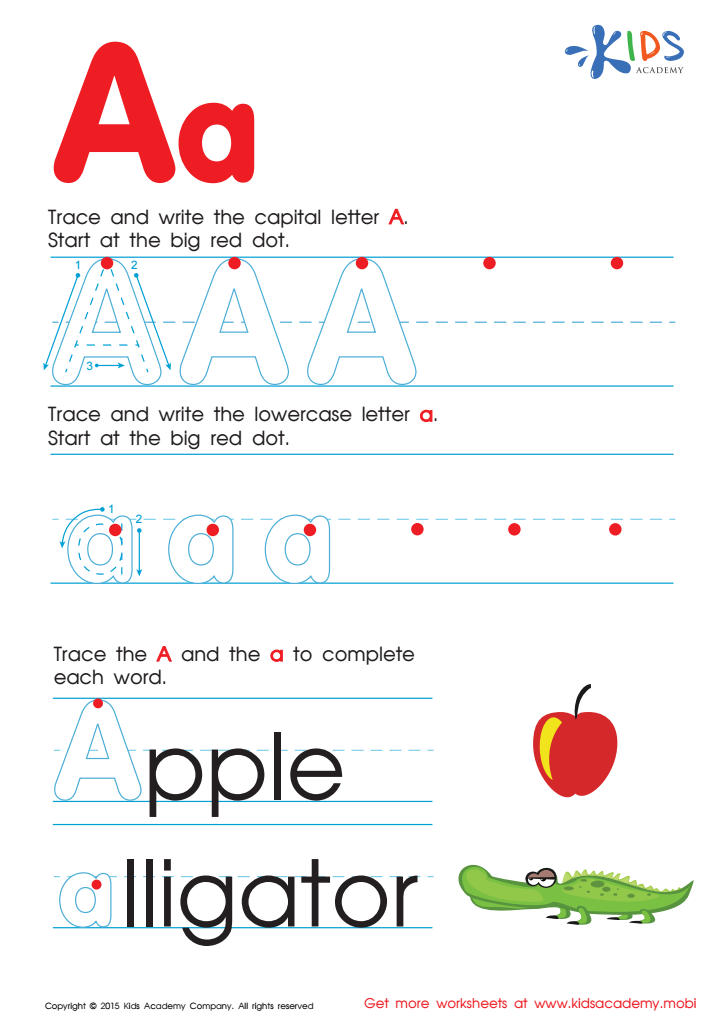
Letter A Tracing Page
 Assign to My Students
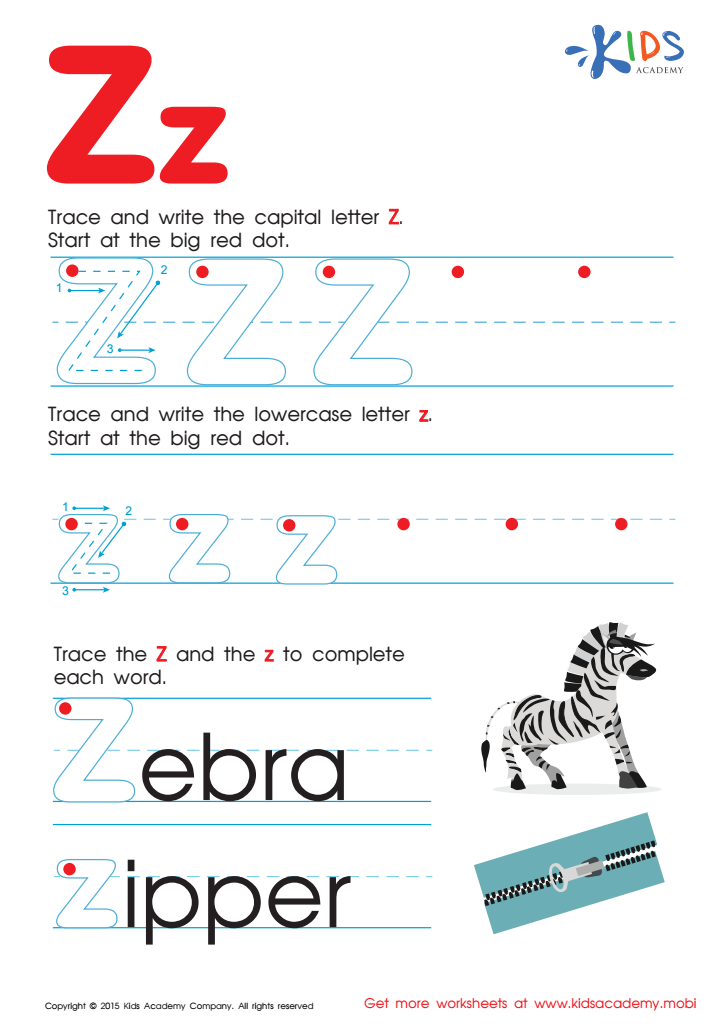
Letter Z Tracing Page
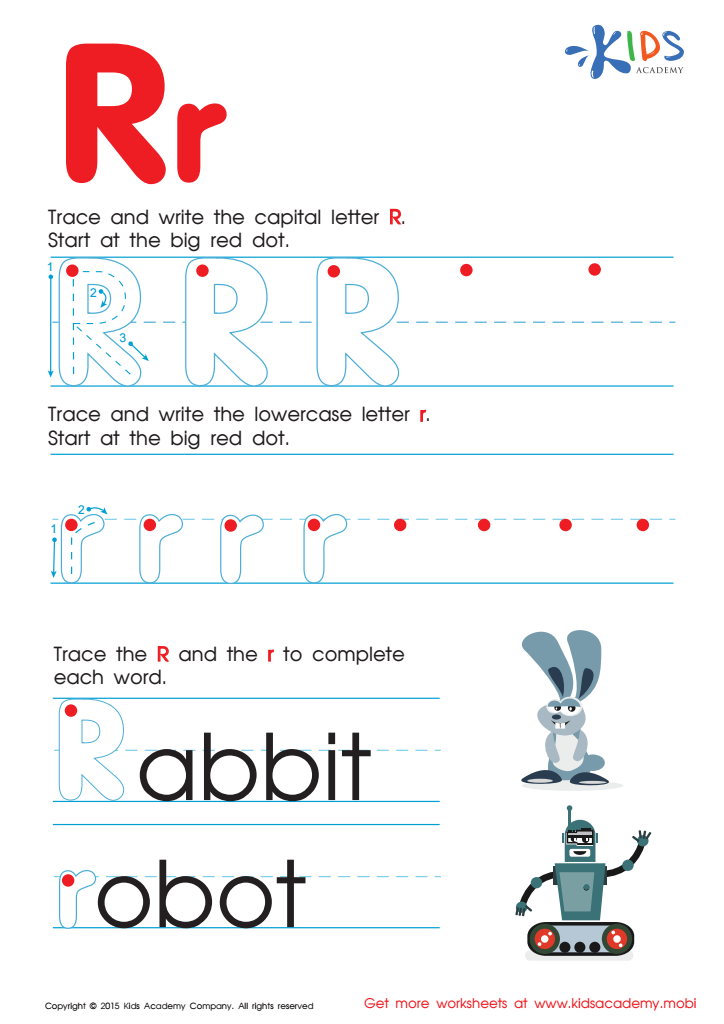
Letter R Tracing Page
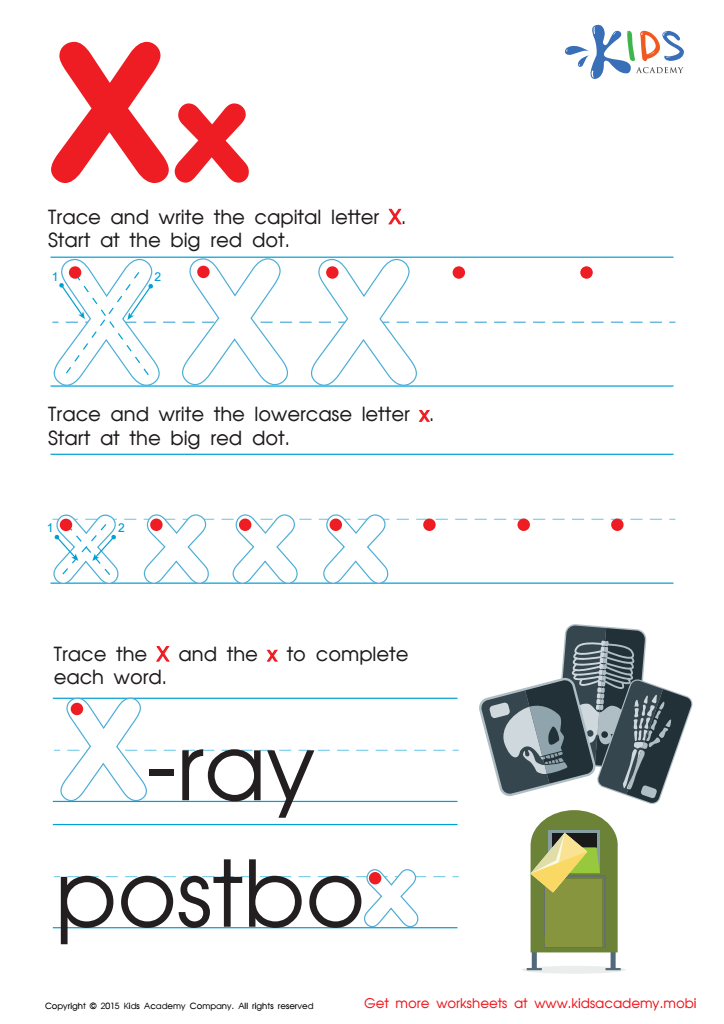
Letter X Tracing Page
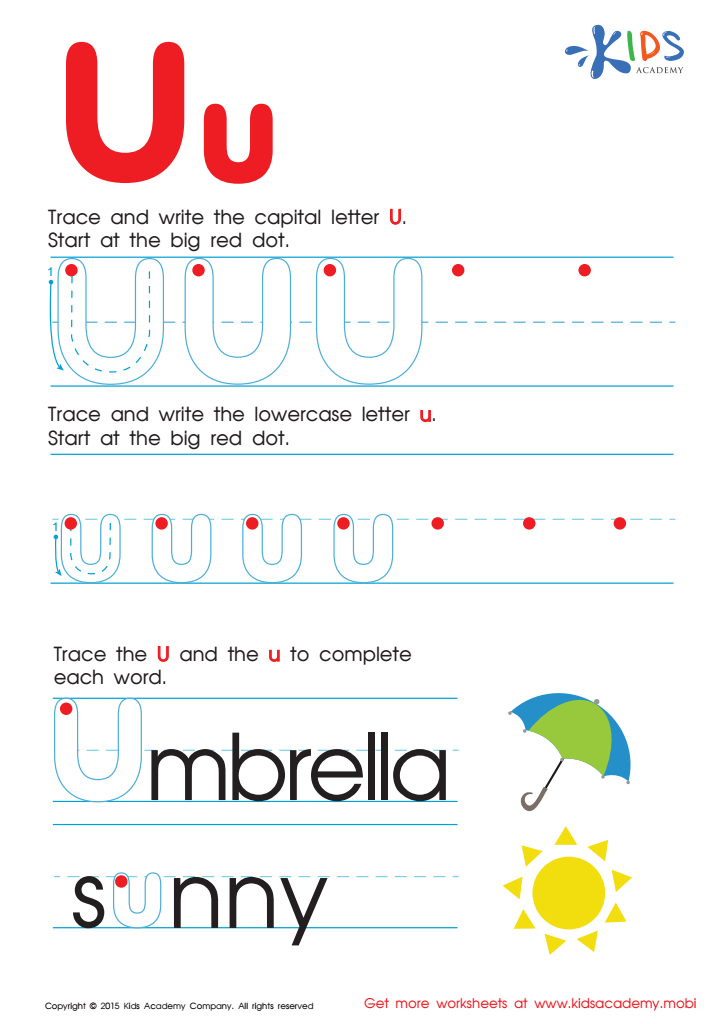
Letter U Tracing Page
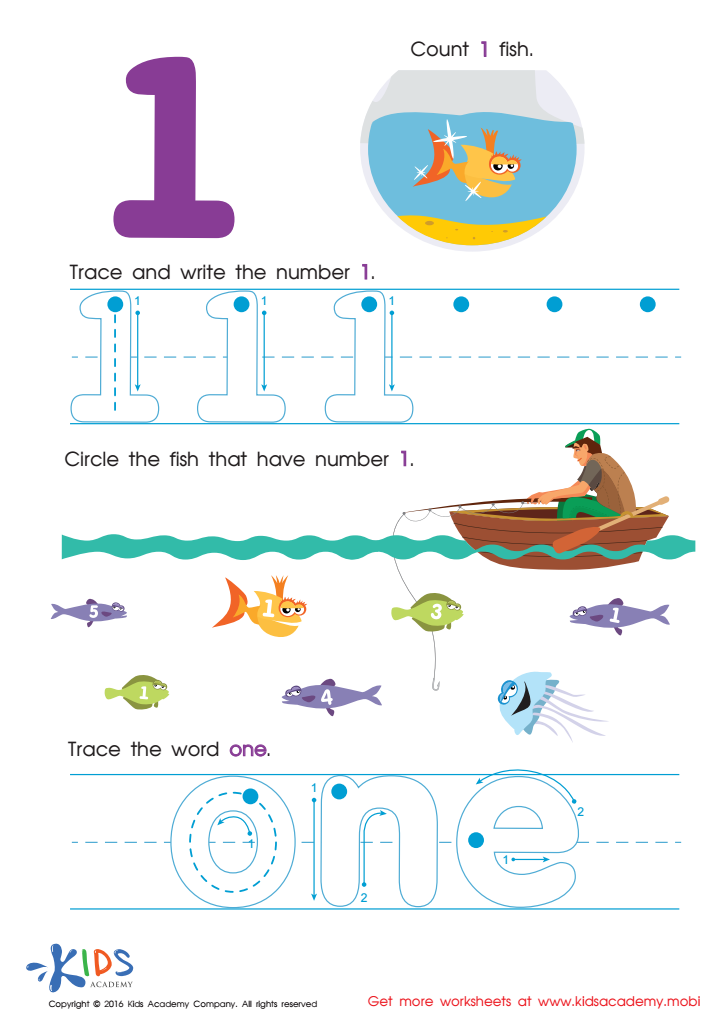
Learning to Write 1 Worksheet
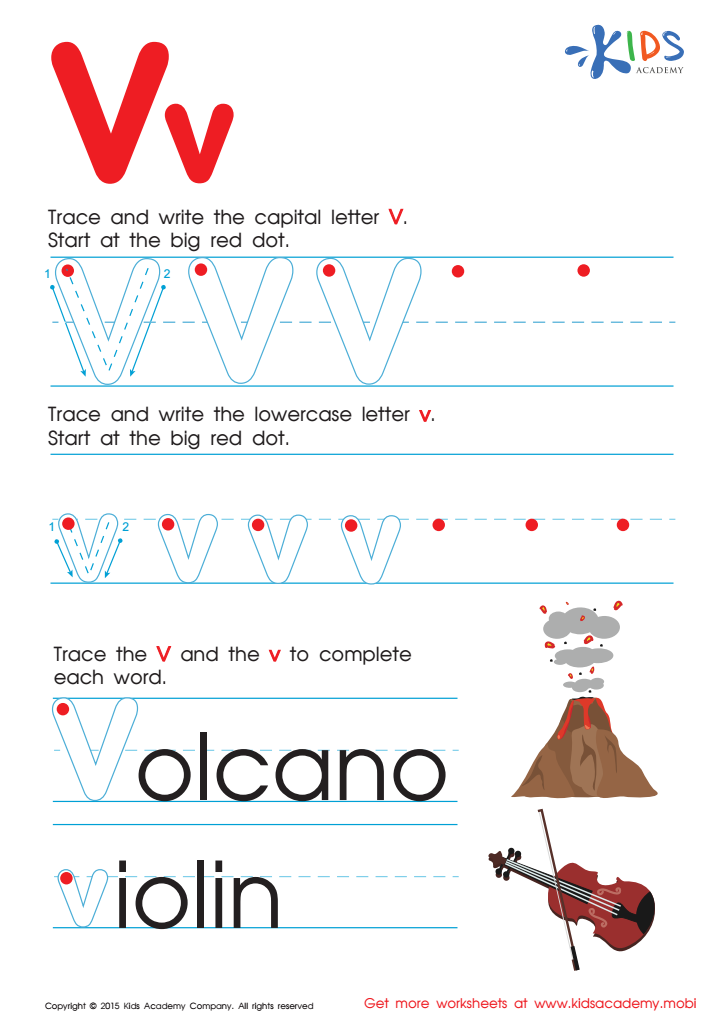
Letter V Tracing Page
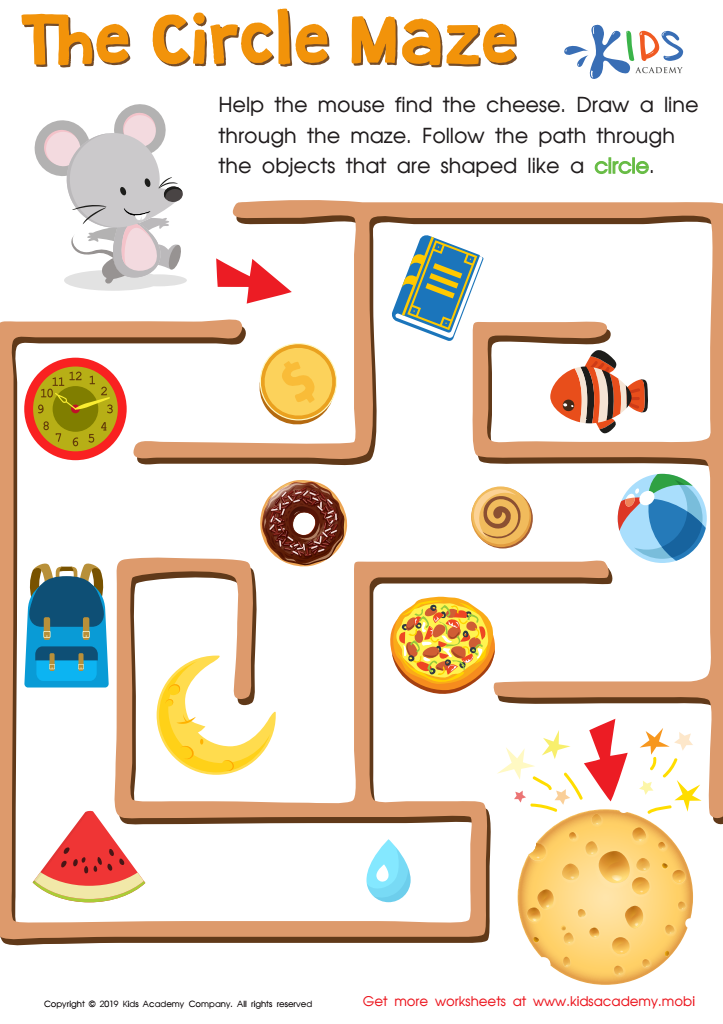
The Circle Maze Worksheet
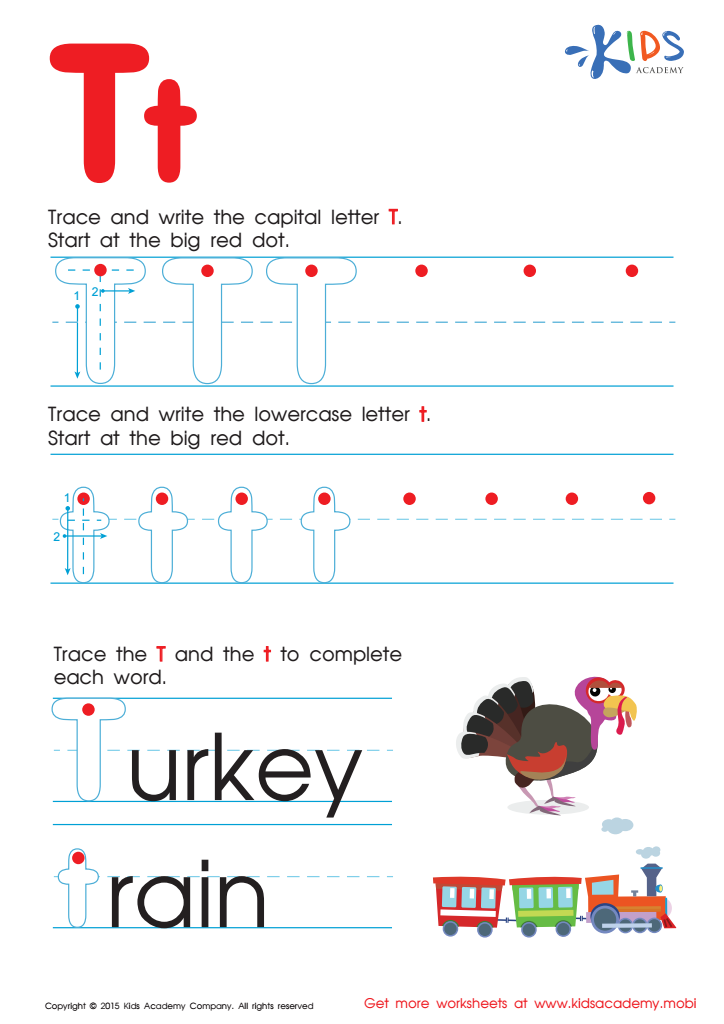
Letter T Tracing Page





The early development of fine motor skills is critical for young children, and incorporating extra challenges in English for beginners at ages 4-5 can significantly benefit their growth. Fine motor skills involve the use of small muscles in the fingers, hands, and wrists, allowing children to perform essential tasks such as writing, coloring, buttoning, and using utensils. At this formative stage, integrating fine motor activities within language lessons can enhance both physical and cognitive development.
For parents and teachers, focusing on fine motor skills while teaching English can make learning more engaging and effective for young children. Activities like tracing letters, doing finger plays, cutting with safety scissors, and manipulating small objects can help solidify their understanding of the alphabet and vocabulary while also improving hand-eye coordination. Engaging these muscles in varied, playful tasks promotes better grasping techniques and prepares children for more complex writing tasks in the future.
Moreover, a well-rounded approach ensures that children build a solid foundation not only in language but in overall coordination and independence. As a result, children become more confident, better prepared for school, and more eager to learn. Prioritizing fine motor skills within an English learning context addresses developmental milestones holistically, encouraging a smoother transition into formal education.








